
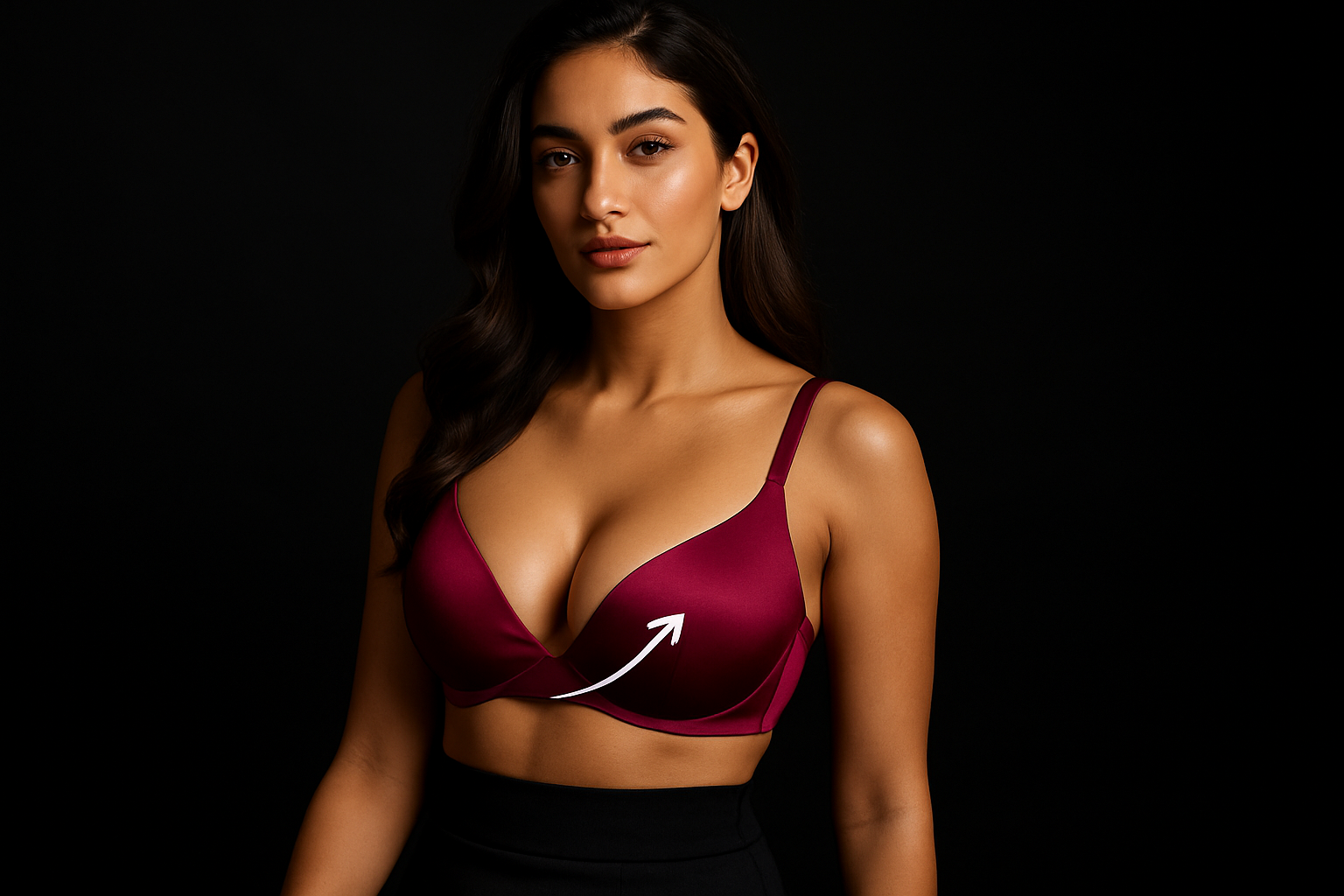
Deciding to undergo aesthetic surgery is a deeply personal journey aimed at restoring confidence, enhancing body symmetry, and achieving a harmonious silhouette. Among foreign patients traveling abroad for aesthetic enhancements, understanding patient experiences with breast augmentation turkey offers essential clarity. Breast augmentation, clinically known as augmentation mammoplasty, is a time-tested surgical procedure designed to increase breast volume, improve contour, and correct volume loss resulting from pregnancy, weight loss, or natural aging.
Table of Contents:
- Procedure & Treatment Overview
- Ideal Candidates & Medical Assessment
- Modern Surgical Techniques & Technologies
- Step-by-Step Procedure Process
- Recovery Timeline, Aftercare & Expected Results
- Global Cost & Destination Comparison
- 5-Day VIP Patient Journey in Istanbul
- Frequently Asked Questions (FAQ)
- Summary & Next Steps
Turkey has established itself as a paramount global hub for board-certified plastic surgery, drawing thousands of international patients each year. At Health Beauty Turkey, every surgical pathway is meticulously tailored using advanced surgical techniques, FDA-approved implant technologies, and high-standard perioperative care to deliver natural-looking and clinically safe outcomes.
| Medical Specification | Clinical Standard |
|---|---|
| Procedure Duration | 1.5 to 2.5 Hours |
| Hospital Stay | 1 Night Overnight Observation |
| Recovery Timeframe | 7 to 10 Days (Initial); 6 Months (Final Results) |
| Anesthesia Type | General Anesthesia |
| Clinical Success Rate | Over 98% Patient Satisfaction |
Procedure & Treatment Overview
Breast augmentation involves the surgical insertion of breast implants or, in select clinical scenarios, autologous fat transfer to increase volume and refine projection. The procedure addresses a broad range of patient anatomical goals, including resolving congenital breast asymmetry, restoring volume lost after breastfeeding, or reshaping developmental breast hypoplasia.
Patients exploring breast augmentation in Turkey gain access to comprehensive surgical planning that incorporates dynamic tissue analysis, chest wall measurements, and personal aesthetic preferences. Modern aesthetic surgery focuses on structural preservation, ensuring the surgical outcome complements the patient’s individual muscular and skeletal anatomy.
Ideal Candidates & Medical Assessment
Determining candidacy for breast augmentation requires a rigorous preoperative medical evaluation conducted by a qualified board-certified plastic surgeon. Ideal candidates generally include individuals who:
- Are physically healthy with a stable body mass index (BMI) and no unmanaged systemic medical conditions.
- Desire an increase in breast volume, symmetrical shape enhancement, or tissue volume restoration.
- Have realistic aesthetic expectations regarding surgical outcomes and postoperative proportions.
- Are non-smokers or willing to stop smoking several weeks prior to and following the operation to promote optimal wound healing.
During the consultation process, surgeons evaluate glandular tissue thickness, skin elasticity, and chest wall structure. In cases where significant tissue ptosis (sagging) is present alongside volume loss, combining implants with a mastopexy may be recommended, as outlined in our detailed guide on breast augmentation and lift in Turkey. Conversely, surgeons may occasionally evaluate specific clinical factors that warrant delaying or refusing surgery to prioritize safety, as detailed in our analysis of reasons plastic surgeons may refuse breast augmentation.
Modern Surgical Techniques & Technologies
Contemporary surgical techniques emphasize minimal tissue disruption, hidden scar placement, and precise implant pocket creation. Depending on the patient’s anatomical framework, several techniques and implant selections are utilized:
Implant Composition and Profiles
Surgeons utilize premium, FDA-approved cohesive silicone gel implants (often referred to as ergonomic or high-cohesive implants) or smooth/textured saline implants. Highly cohesive silicone provides a natural feel while maintaining structural memory and minimizing the risk of gel migration in the event of a shell rupture. Further details on implant classifications can be found in our resource on breast implants and augmentation.
Pocket Placement Strategies
- Subglandular Placement: The implant is placed directly behind the breast tissue and above the pectoralis major muscle. This technique is suitable for patients with sufficient natural soft tissue coverage.
- Submuscular (Dual-Plane) Placement: The implant is positioned partially under the pectoralis major muscle and partially under the breast tissue. Dual-plane placement provides superior upper-pole soft tissue coverage, reduces implant palpability, and lowers the risk of capsular contracture.
Incision Approaches
- Inframammary Fold: Made within the natural crease beneath the breast, allowing direct visualization and precise implant placement.
- Periareolar: Positioned along the lower border of the areola, blending seamlessly with natural skin color transitions.
- Transaxillary: Positioned in the underarm fold to avoid scars on the breast mound itself.
For patients inquiring about non-incisional alternatives, our clinical review on laser breast augmentation feasibility offers evidence-based insights into what technology can and cannot achieve in surgical volume expansion.
Step-by-Step Procedure Process
- Preoperative Mapping & Anesthesia: Precise surgical markings are applied while the patient is standing. General anesthesia is administered by an experienced anesthesiologist to ensure total patient comfort and hemodynamic monitoring.
- Incision & Pocket Creation: The surgeon creates a clean, precise incision along the chosen anatomical boundary and forms an optimized pocket (submuscular or subglandular) utilizing radiofrequency electrocautery to minimize intraoperative bleeding.
- Implant Insertion & Symmetry Check: A sterilizing funnel technique (Keller Funnel) is frequently used to insert the implant atraumatically, reducing surgical contact with the skin edge and lowering infection risk. The patient is placed in an upright position on the operating table to verify perfect symmetry and projection.
- Closure & Surgical Dressing: Layered sutures are placed using bioabsorbable thread to close deep fascia, subcutaneous tissue, and skin. Surgical tape and a specialized medical compression bra are applied to stabilize tissue position.
Recovery Timeline, Aftercare & Expected Results
Understanding the postoperative trajectory allows patients to navigate recovery smoothly and comfortably:
- Days 1 to 3: Mild to moderate chest tightness and soreness are common. Managed effectively with prescribed analgesics and muscle relaxants. The compression bra must be worn continuously.
- Week 1: Most patients resume light walking and daily non-strenuous activities. Incision sites are evaluated during the postoperative check-up.
- Weeks 2 to 4: Swelling begins to subside significantly. Most desk jobs and non-strenuous routines can be resumed. Heavy lifting and vigorous exercise remain restricted.
- Months 3 to 6: Implants undergo the natural “drop and soften” phase, settling into their final anatomic anatomical pocket position. Surgical scars fade progressively over time.
For additional details on recovery protocols, refer to our extended resource on breast augmentation surgery practical guidance.
Global Cost & Destination Comparison
Choosing Turkey for aesthetic procedures provides access to high-standard surgical infrastructure combined with cost efficiency due to favorable exchange rates and integrated medical tourism structures. Lower prices in Turkey reflect operational cost advantages rather than compromises in medical quality or safety standards. For further cost insights, visit our analysis on breast augmentation cost in Turkey.
| Destination | Average Cost Range | Accreditation & Quality | Travel & Logistics | VIP Service Inclusions |
|---|---|---|---|---|
| Turkey (Health Beauty Turkey) | €2,800 – €3,800 | JCI Accredited Facilities, Board-Certified Surgeons | Direct flights, streamlined visa processes | Full VIP transfers, 5-star hotel, private nursing care |
| United Kingdom / USA | $8,000 – $15,000 | National Accreditation Bodies | Local travel | A la carte pricing, separate hospital/anesthesia fees |
| Germany | €6,500 – €9,000 | TÜV / European Union Standards | Regional travel | Standard medical services, self-managed logistics |
| Thailand | $4,500 – $7,000 | JCI Accredited Medical Hubs | Long-haul flight requirements | Variable, hotel transfers often extra |
| India | $3,500 – $5,500 | NABH / JCI Accredited | Long-haul flight requirements | Varies by provider packages |
5-Day VIP Patient Journey in Istanbul
At Health Beauty Turkey, every detail of the patient’s surgical journey is coordinated to provide maximum comfort, confidentiality, and clinical rigor:
Day 1: VIP Arrival & Luxury Transfer
Upon arrival in Istanbul, patients are met at the airport by a dedicated VIP transport team and taken directly to a 5-star hotel for check-in and relaxation prior to surgical consultations.
Day 2: Clinical Consultation, Pre-op Testing & Surgery
The patient meets with the head plastic surgeon for an in-depth physical examination, implant sizing, and final surgical mapping. Comprehensive preoperative blood work and electrocardiograms are completed. Surgery is performed in a JCI-accredited hospital under general anesthesia, followed by an overnight hospital stay under continuous nursing care.
Day 3: Hospital Discharge & Rest
The operating surgeon evaluates the patient during morning rounds. Postoperative instructions are reviewed, drainage tubes (if used) are removed, and the patient is transferred in comfort back to their hotel suite to rest.
Day 4: Recovery & In-Suite Relaxation
A relaxing day dedicated to recovery. Health Beauty Turkey medical coordinators remain in constant contact to monitor comfort levels, manage medication schedules, and ensure complete patient support.
Day 5: Final Evaluation, Healing Check & Departure
The patient attends a final clinical check-up at the surgical clinic. Incisions are checked, dressing changes are performed, and a customized long-term aftercare plan is provided. A VIP transfer then escorts the patient to the airport for their homeward flight.
Frequently Asked Questions (FAQ)
Will breast implants affect my ability to breastfeed in the future?
In the vast majority of cases, breast augmentation performed via submuscular placement or inframammary fold incisions preserves the structural integrity of milk ducts and nipple nerve pathways. When future breastfeeding is a priority, surgeons plan incisions and implant placement specifically to safeguard glandular functions.
How long do modern breast implants last?
Modern premium cohesive silicone gel implants are highly durable and engineered to last many years. While implants do not come with an absolute lifetime guarantee, they do not require routine replacement unless a clinical issue—such as capsular contracture or implant displacement—occurs.
How painful is the recovery process after breast augmentation?
Postoperative discomfort varies based on individual pain thresholds and implant placement depth. Dual-plane or submuscular placement typically involves mild tightness across the pectoral muscle during the first 48 to 72 hours. Prescribed analgesics effectively manage this discomfort, which subsides rapidly within the first week.
Summary & Next Steps
Refining body contours through breast augmentation is a life-enhancing step that combines precise surgical art with modern clinical technology. Turkey provides an ideal destination for patients seeking foreign medical care without compromising on safety, surgical excellence, or personalized service.
If you are considering breast augmentation and wish to explore your options with board-certified plastic surgeons, we invite you to contact the medical team at Health Beauty Turkey today for a confidential, customized clinical evaluation.
Medical Disclaimer: The information provided in this article is intended for educational purposes only and does not constitute formal medical advice. Individual anatomical considerations, surgical risks, and final outcomes vary per individual. All surgical procedures carry inherent risks. A formal clinical consultation with a licensed board-certified plastic surgeon is required prior to undergoing any operative procedure.
Related Articles: breast augmentation in Turkey | breast augmentation and lift in Turkey | reasons plastic surgeons may refuse breast augmentation | breast implants and augmentation | laser breast augmentation feasibility | breast augmentation surgery practical guidance | breast augmentation cost in Turkey
References & Trusted Sources: National Institutes of Health (NIH) – Clinical Research | World Health Organization (WHO) – Health Guidelines | National Center for Biotechnology Information (NCBI / PubMed)