
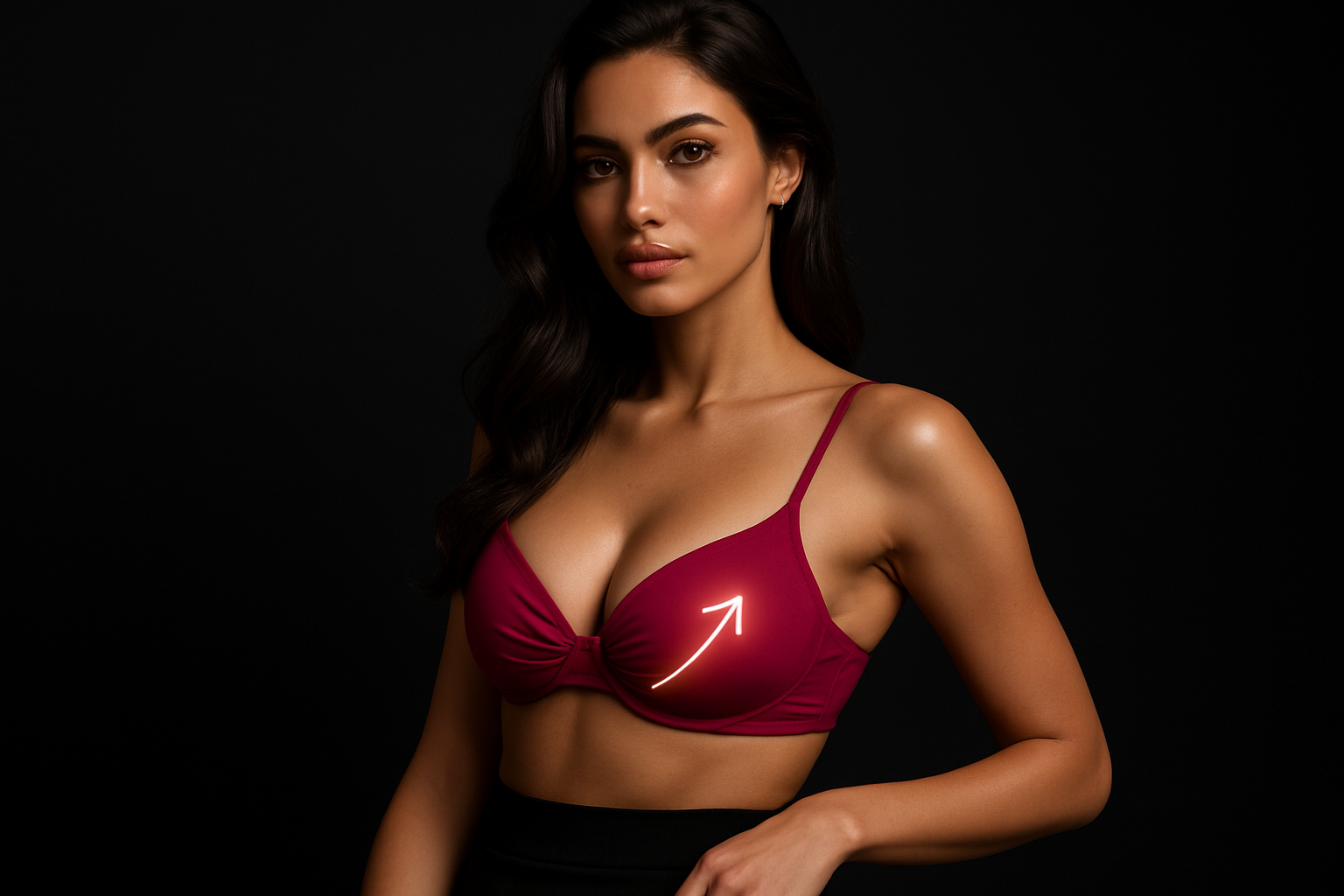
Breast augmentation, medically known as augmentation mammoplasty, remains one of the most frequently performed aesthetic surgical procedures worldwide. For women seeking to restore lost breast volume following pregnancy, lactation, or significant weight loss, or for those desiring to enhance their natural contours and overall body symmetry, this surgery offers transformative physical and psychological benefits. However, when evaluating surgical treatment, understanding the overall breast augmentation cost and the variables that influence it is paramount for prospective patients.
Table of Contents:
- Quick Medical Facts Summary
- Procedure & Treatment Overview
- Ideal Candidates & Medical Assessment
- Modern Surgical Techniques & Technologies
- Step-by-Step Procedure Process
- Recovery Timeline, Aftercare & Expected Results
- Global Cost & Destination Comparison
- 5-Day VIP Patient Journey in Istanbul
- Frequently Asked Questions (FAQ)
- Summary & Next Steps
In recent years, Turkey—and specifically Istanbul—has established itself as a premier global hub for cosmetic plastic surgery. While competitive pricing is a significant factor attracting thousands of international patients annually, the exceptional clinical outcomes are driven by world-class board-certified surgeons, Joint Commission International (JCI) accredited hospital facilities, advanced medical technology, and comprehensive all-inclusive care standards. This detailed clinical guide breaks down every aspect of breast augmentation costs, surgical techniques, candidate criteria, and what patients should expect throughout their surgical journey.
Quick Medical Facts Summary
| Parameter | Clinical Specification |
|---|---|
| Procedure Duration | 1.5 to 2.5 Hours |
| Hospital Stay | 1 Night (Inpatient observation) |
| Anesthesia Type | General Anesthesia |
| Recovery Timeline | 1 Week (Back to work), 6 Weeks (Full activity) |
| Success & Satisfaction Rate | Over 98% Patient Satisfaction |
Procedure & Treatment Overview
Breast augmentation involves the surgical placement of implants beneath the breast tissue or chest muscles to increase volume, reshape contours, and improve balance. Beyond pure aesthetic enhancement, this surgical intervention addresses anatomical discrepancies such as glandular hypoplasia, involutional atrophy after childbearing, or developmental asymmetry.
When consulting for comprehensive breast augmentation surgery in Turkey, patients undergo a thorough preoperative evaluation. This involves measuring chest wall dimensions, skin elasticity, parenchymal tissue coverage, and base diameter to select the precise implant profile, volume, and fill material—typically cohesive silicone gel or sterile saline solution. Modern techniques focus on achieving natural-looking dynamics, where the breast moves naturally in response to body position changes while maintaining upper-pole fullness.
Ideal Candidates & Medical Assessment
A successful breast augmentation outcome depends heavily on rigorous patient selection and pre-surgical clinical evaluation. Candidates must undergo detailed medical screenings to rule out underlying systemic or localized contraindications.
Candidate Criteria:
- Anatomical Considerations: Patients with naturally small breasts, post-pregnancy tissue atrophy, significant breast volume loss due to weight fluctuations, or developmental asymmetry. Patients seeking to combine augmentation with treating sagging breasts (breast ptosis) may require a combined mastopexy (breast lift) procedure.
- General Health Status: Candidates should be in good overall health, non-smokers (or willing to cease smoking 4 weeks before and after surgery), and have stable weight metrics (BMI under 30-32).
- Psychological Readiness: Having realistic expectations regarding anatomical boundaries, surgical scars, and long-term recovery is vital for postoperative satisfaction.
- Age Requirement: Patients must be at least 18 years old for saline implants and 22 years old for cohesive silicone gel implants, as mandated by international surgical safety protocols.
Modern Surgical Techniques & Technologies
Surgical excellence in breast augmentation relies on precise surgical technique, implant design, and pocket selection. Modern plastic surgery utilizes advanced methodologies tailored to individual patient anatomy.
Implant Types & Profiles
- Cohesive Silicone Gel Implants (Gummy Bear): State-of-the-art gel implants retain their shape even if the outer shell is compromised. They provide a highly natural tactile feel and long-term durability.
- Saline-Filled Implants: Inserted empty and filled with sterile saltwater during surgery, requiring slightly smaller incisions, though they are less commonly used today compared to cohesive gel.
- Smooth vs. Textured Surfaces: Implant surface texturing is selected based on surgical placement and patient risk profile, adhering strictly to global standards for ensuring breast implant safety.
Surgical Pocket Placement
- Subglandular (Above the Muscle): Placed directly behind the breast tissue and in front of the pectoralis major muscle. Ideal for patients with adequate natural soft tissue coverage.
- Submuscular (Below the Muscle): Placed entirely beneath the pectoralis major muscle. Provides better tissue coverage for thin patients and lowers the risk of capsular contracture.
- Dual-Plane Placement: The gold standard in modern plastic surgery. The upper portion of the implant sits under the pectoralis muscle while the lower portion sits under the glandular tissue, creating a smooth transition with natural cleavage.
Step-by-Step Procedure Process
The patient’s surgical journey follows strict clinical protocols to guarantee safety and technical precision:
1. Preoperative Consultation & Planning
Comprehensive physical evaluation, tissue elasticity measurements, ultrasound/mammography clearance, and digital 3D imaging simulation to choose implant size, profile (moderate, high, or extra-high profile), and incision site (inframammary fold, periareolar, or transaxillary).
2. Anesthetic Administration
General anesthesia is administered by a qualified specialist anesthesiologist. Continuous hemodynamic and respiratory monitoring is maintained throughout the procedure.
3. Incision & Pocket Creation
A precise incision is executed—most commonly within the inframammary fold (under-breast crease) to conceal the scar. The plastic surgeon creates the designated pocket (dual-plane or submuscular) using electrocautery to minimize bleeding.
4. Implant Insertion & Positioning
Sizer implants are temporarily inserted to check symmetry, volume balance, and projection while the patient is positioned at a 45-degree angle. Once validated, the final sterile silicone implant is inserted using a single-use sterile funnel device (Keller Funnel) to minimize skin contact and reduce infection risk.
5. Closure & Dressing Application
Incision layers are meticulous closed using multilayered absorbable sutures. Tissue glues or surgical strips are applied, followed by a sterile compressive dressing and a specialized postoperative surgical bra.
Recovery Timeline, Aftercare & Expected Results
Understanding recovery expectations helps ensure a smooth post-operative phase and optimized final cosmetic results.
- Days 1–3 (Initial Recovery): Moderate tightness and swelling in the thoracic region. Pain is managed using prescribed analgesics and muscle relaxants. Patients are encouraged to perform gentle walking to promote venous circulation.
- Week 1 (Early Healing): Surgical dressings are checked, and incision lines evaluated. Most patients can return to light desk work and daily routine activities. Driving may resume once pain medication is no longer required.
- Weeks 2–4 (Intermediate Recovery): Soft tissue swelling begins to subside. Incision lines are treated with topical silicone gels or sheets to optimize scar healing. Upper-body exercise and heavy lifting (>5 kg) remain strictly restricted.
- Weeks 6–12 (Final Settlement): The implants undergo the “drop and fluff” phase, settling naturally into the lower pole of the breast pocket. Full athletic activities, including heavy lifting and high-impact cardio, may be resumed under surgeon clearance.
Global Cost & Destination Comparison
The overall breast augmentation cost varies significantly depending on geographical location, surgeon expertise, clinic accreditation, and the inclusion of full-service medical care. Turkey provides exceptional cost-efficiency due to lower operational costs, favorable exchange rates, and government support for international medical tourism, without sacrificing clinical quality.
| Destination | Average Cost Range (USD) | JCI Quality Standards | VIP All-Inclusive Service | Travel & Logistic Ease |
|---|---|---|---|---|
| Turkey (Health Beauty Turkey) | $3,000 – $4,200 | International JCI Standards | Included (Hotel, Transfers, Care) | High (Hub for global flights) |
| United Kingdom / USA | $8,000 – $15,000 | Local Standard / Variable | Not Included (Extra Fees) | Local / Variable |
| Germany | $7,500 – $11,000 | National Quality Norms | Rarely Included | Moderate |
| Thailand | $4,500 – $6,500 | Variable Accreditation | Optional Packages | Long Flight Duration |
| India | $3,500 – $5,000 | Selected Clinics | Variable | Visa Restrictions |
Factors influencing the ultimate breast augmentation cost include the brand of implant used (e.g., Mentor, Motiva, Allergan), whether complementary procedures are performed—such as correcting breast asymmetry or combined Mummy Makeover procedures—and the level of post-operative care required.
5-Day VIP Patient Journey in Istanbul
At Health Beauty Turkey, we provide a seamless, structured medical itinerary designed to make international surgery safe, stress-free, and comfortable.
Day 1: VIP Arrival & Luxury Transfer
Upon arrival in Istanbul, patients are met by a private VIP driver and transported to a luxury 5-star partner hotel. An itinerary overview is provided alongside personal clinical assistance in the patient’s native language.
Day 2: In-Person Consultation & Surgical Procedure
The patient undergoes comprehensive blood testing, electrocardiogram (ECG), and an in-person physical consultation with the head plastic surgeon. Following final planning and consent clearance, the surgery is performed in an accredited hospital. The patient spends the first night under 24/7 nursing supervision.
Day 3: Hospital Discharge & Rest
The surgeon conducts a morning evaluation, removes surgical drains if placed, and checks wound margins. The patient is discharged to their luxury hotel with prescribed medications, a specialized compression bra, and tailored aftercare instructions.
Day 4: Rest & Guided Recovery
A relaxing day devoted to recovery at the hotel. Our dedicated medical coordinators remain in continuous communication to monitor pain levels, drain output (if applicable), and comfort.
Day 5: Final Check, Removal of Dressings & Flight Home
The patient returns to the clinic for a final clinical inspection, incision review, and clearance for air travel. Fit-to-fly documentation and full long-term aftercare instructions are provided prior to VIP airport transfer.
Frequently Asked Questions (FAQ)
What key factors determine the overall breast augmentation cost in Turkey?
The primary cost factors include the brand and technology of the silicone implants (such as Motiva Ergonomix or Mentor), surgical placement complexity, hospital accreditation levels, the surgeon’s clinical experience, and full package inclusions such as private VIP transfers, 5-star accommodation, post-op garments, and prescription medications.
How long do modern silicone breast implants last?
Modern cohesive silicone gel implants are highly durable medical devices designed to last 10 to 15 years or longer. Unless a patient experiences late complications like capsular contracture or desires a size update, routine replacement is not necessary if ultrasound or MRI screenings show intact implant shells.
Is it safe to fly back home 5 days after breast augmentation surgery?
Yes. By day 5 post-operation, acute surgical risks have decreased, and blood circulation parameters stabilize. Patients are provided with supportive compression garments, anti-embolic stockings, and clear instructions to flex their feet and walk periodically during long flights to prevent deep vein thrombosis (DVT).
Will breast augmentation interfere with future mammograms or breastfeeding?
When implants are placed using a dual-plane or submuscular approach, the breast tissue and milk ducts remain intact, preserving the capacity for future breastfeeding. For mammograms, specialized displacement techniques (Eklund views) allow radiologists to obtain clear images of the natural breast tissue around the implant.
Summary & Next Steps
Breast augmentation is a personalized surgical procedure that offers long-lasting aesthetic improvements, enhanced symmetry, and restored self-confidence. Choosing to undergo treatment in Turkey allows patients to access top-tier plastic surgeons, state-of-the-art medical technology, and all-inclusive care at a competitive breast augmentation cost.
If you are considering breast enhancement and wish to receive an individual clinical evaluation, implant recommendation, and transparent pricing overview, reach out to our dedicated medical team at Health Beauty Turkey today to begin your medical consultation.
Medical Disclaimer: The clinical information provided in this article is intended solely for educational purposes and does not replace formal medical advice, diagnosis, or treatment. Individual anatomical suitability, recovery times, and outcomes vary per patient. A comprehensive clinical consultation with a qualified plastic surgeon is required prior to any surgical procedure.
Related Articles: comprehensive breast augmentation surgery in Turkey | ensuring breast implant safety | Mummy Makeover procedures | treating sagging breasts (breast ptosis) | correcting breast asymmetry
References & Trusted Sources: National Institutes of Health (NIH) – Clinical Research | World Health Organization (WHO) – Health Guidelines | National Center for Biotechnology Information (NCBI / PubMed)