
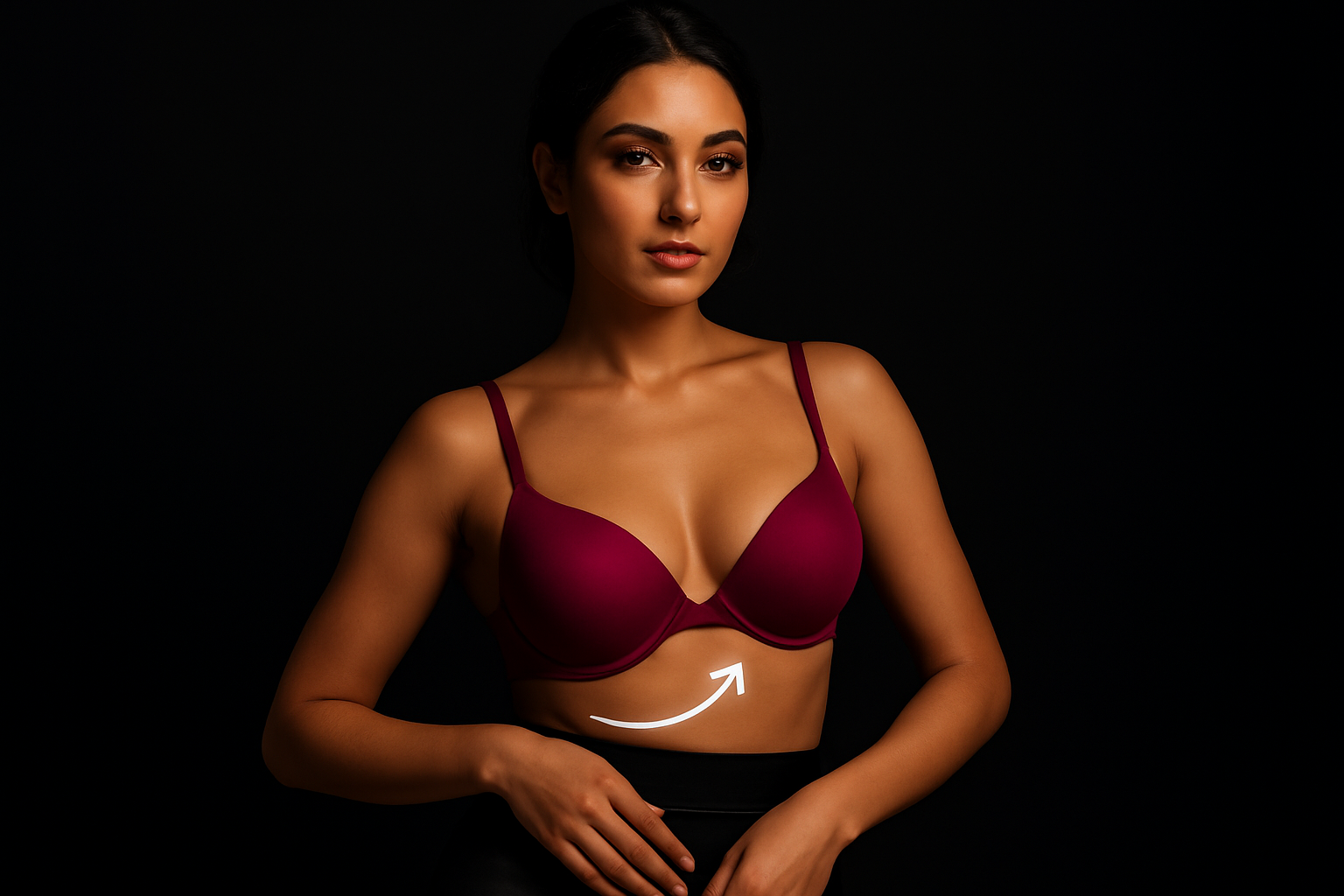
Breast augmentation remains one of the most frequently performed cosmetic surgical procedures worldwide. Designed to increase breast volume, improve symmetry, restore lost volume after pregnancy or weight loss, and enhance body proportion, this procedure requires a sophisticated balance of surgical precision and aesthetic artistry. Patients seeking breast augmentation in turkey benefit from highly experienced board-certified plastic surgeons, state-of-the-art accredited medical centers, and comprehensive patient care protocols tailored to international healthcare standards.
Table of Contents:
- Quick Medical Facts Summary
- Procedure & Treatment Overview
- Ideal Candidates & Medical Assessment
- Modern Surgical Techniques & Technologies
- Step-by-Step Procedure Process
- Recovery Timeline, Aftercare & Expected Results
- Global Cost & Destination Comparison
- 5-Day VIP Patient Journey in Istanbul
- Frequently Asked Questions (FAQ)
- Summary & Next Steps
Understanding the anatomical choices, surgical approaches, implant options, and recovery expectations is essential for achieving natural, long-lasting outcomes. This clinical guide provides an objective overview of the entire surgical journey for patients considering treatment in Istanbul.
Quick Medical Facts Summary
| Procedure Duration | 1.5 to 2.5 hours |
|---|---|
| Hospital Stay | 1 night overnight stay |
| Anesthesia Type | General Anesthesia |
| Recovery Period | 5 to 7 days for light activities; 6 weeks for full exercise |
| Success Rate | Over 98% patient satisfaction rate |
Procedure & Treatment Overview
Breast augmentation, clinically known as augmentation mammoplasty, involves placing surgical implants beneath the breast tissue or chest muscles to enhance volume and contour. Beyond simple size enlargement, modern plastic surgery focuses on proportional alignment with the patient’s shoulder width, waist circumference, and natural chest wall anatomy. For a detailed orientation, patients often consult our comprehensive guide to breast augmentation in Turkey to understand the full aesthetic scope.
Surgical success depends significantly on selecting the appropriate implant type, profile, surface texture, and placement plane. Implants are generally classified into two main categories:
- Silicone Gel Implants: Filled with a cohesive silicone gel that mimics natural breast tissue closely. High-cohesive gel implants (often called cohesive gel or tear-drop implants) maintain their structural form while offering a soft, biological feel.
- Saline Implants: Filled with sterile salt water after insertion. While requiring a smaller incision, silicone implants remain the gold standard due to their lower risk of rippling and natural consistency.
Ideal Candidates & Medical Assessment
Candidate evaluation is a fundamental step in preventing surgical complications and achieving optimal cosmetic results. An ideal candidate for breast augmentation includes individuals who:
- Are in good overall health with no uncontrolled systemic medical conditions.
- Possess realistic expectations regarding surgical outcomes and anatomical limits.
- Experience breast asymmetry, involution following weight fluctuations, or post-pregnancy volume loss.
- Have fully developed breast tissue (typically 18 years or older for saline, 22 years or older for silicone).
During the preoperative medical evaluation, the plastic surgeon reviews clinical history, performs a physical breast examination, and orders standard routine blood work and preoperative mammography or ultrasound screening. It is essential to note that under certain clinical conditions, surgeons must prioritize patient safety; candidates can learn more about the reasons why surgeons may postpone or decline surgery to understand medical contraindications such as active infections, severe autoimmune conditions, or unrealistic surgical expectations.
Modern Surgical Techniques & Technologies
Surgical approach and placement techniques dictate the cosmetic outcome, incisional scarring, and postoperative recovery speed. Modern plastic surgery employs precise techniques tailored to individual anatomy.
Incision Locations
- Inframammary Incision: Placed in the natural crease beneath the breast. This is the most common and versatile incision, providing excellent surgical visibility and precise pocket dissection.
- Periareolar Incision: Made along the lower border of the areola. This technique hides scars at the natural pigment junction but requires careful handling of glandular tissue.
- Transaxillary Incision: Positioned within the armpit fold, leaving no scars on the breast tissue itself. Often assisted by endoscopic cameras.
Implant Placement Planes
- Subglandular (Above the Muscle): Placed directly behind the breast tissue and in front of the pectoralis major muscle. Ideal for patients with adequate natural glandular tissue.
- Submuscular / Dual-Plane (Below the Muscle): Placed partially or completely under the pectoralis major muscle. Dual-plane placement provides optimal upper-pole coverage, lowers the risk of capsular contracture, and produces highly natural results in slender patients.
In addition to traditional techniques, patients frequently ask about complementary procedures. For instance, individuals requiring ptosis correction alongside volume addition may benefit from combining procedures like breast augmentation and lift in Turkey. Furthermore, advanced diagnostic technology helps address clinical queries, such as evaluating non-traditional techniques like laser breast augmentation to separate proven surgical facts from market myths.
Step-by-Step Procedure Process
The surgical journey follows strict clinical protocols to maximize safety and precision:
- Step 1: Preoperative Marking: The surgeon marks exact anatomical guidelines on the chest while the patient is standing prior to entering the operating suite.
- Step 2: Anesthesia Administration: Board-certified anesthesiologists administer general anesthesia and maintain continuous monitoring throughout the procedure.
- Step 3: Incision & Pocket Dissection: The surgeon creates the selected incision and meticulously creates a precise surgical pocket beneath the breast tissue or chest muscle, ensuring tissue trauma and bleeding are minimized.
- Step 4: Implant Selection & Insertion: Sterile sizers may be utilized to confirm volume choice before inserting premium, FDA-approved breast implants and augmentation in Turkey.
- Step 5: Closure & Dressing: Incisions are closed in multiple structural layers using absorbable sutures. Sterile surgical dressings and a specialized compression bra are applied immediately.
Recovery Timeline, Aftercare & Expected Results
Following surgical aftercare instructions meticulously reduces recovery time and minimizes complications such as infection or capsular contracture.
- Days 1 to 3: Initial mild swelling, bruising, and tightness across the chest wall are normal. Pain is well managed with prescribed oral analgesics. Patients wear a supportive medical compression garment continuously.
- Week 1: Most non-strenuous daily activities and desk work can be resumed. The initial surgical follow-up takes place to inspect healing and clear the patient for flight home.
- Weeks 2 to 4: Swelling begins to subside significantly. Tissue softening occurs gradually as implants settle into their natural position (the “drop and fluff” phase).
- Week 6 and Beyond: Normal exercise routines, including high-impact sports and upper-body lifting, may be resumed upon surgeon authorization. Final aesthetic results mature between 3 to 6 months post-surgery.
Global Cost & Destination Comparison
The cost of undergoing surgical procedures in Turkey offers exceptional value due to favorable exchange rates, streamlined operational efficiencies, and all-inclusive medical tourism infrastructure, without compromising clinical quality or patient safety.
| Destination | Average Estimated Cost | JCI Quality Standards | Travel Convenience | All-Inclusive VIP Care |
|---|---|---|---|---|
| Turkey (Health Beauty Turkey) | $3,200 – $4,500 | World-Class / Highly Accredited | Excellent (Major Global Hub) | Included (Hotel, Transfers, Care) |
| United Kingdom | $8,500 – $12,000 | High | Local / Standard | Not Included (Extra Fees) |
| United States | $9,000 – $14,000 | High | Local / Standard | Not Included (Extra Fees) |
| Germany | $8,000 – $11,500 | High | Regional Hub | Rarely Included |
| Thailand | $4,500 – $6,500 | Moderate / High | Long Flight Times | Variable Packages |
| India | $3,500 – $5,000 | Moderate | Long Flight Times | Variable Packages |
To view a full cost breakdown based on implant types and surgical techniques, patients can review the breast augmentation cost in Turkey guide.
5-Day VIP Patient Journey in Istanbul
Health Beauty Turkey provides an organized, end-to-end medical trip program designed to make international surgery efficient and stress-free:
- Day 1: VIP Arrival & Hotel Check-in: Private chauffeur airport transfer to a 5-star hotel. Personal patient coordinator consultation and itinerary review.
- Day 2: Clinical Consultation & Surgery: In-person clinical physical evaluation, preoperative lab work, detailed surgical design discussion, followed by surgical intervention at an accredited hospital. Overnight stay under full nursing supervision.
- Day 3: Hospital Discharge & Rest: Post-operative clinical checks by the surgical team, distribution of medications and compression garments, and transfer back to the hotel for rest.
- Day 4: Recovery & Istanbul Leisure: Quiet rest at the hotel. Light walking is encouraged to promote healthy circulation. 24/7 access to your personal medical assistant.
- Day 5: Final Checkup & Fit-to-Fly Certification: Comprehensive surgical evaluation, wound dressing review, final postoperative instructions, and VIP transfer to the airport for your return flight home.
Frequently Asked Questions (FAQ)
How long do breast implants last?
Modern medical-grade silicone implants are built to last for decades. While they do not come with an automatic expiration date, plastic surgeons recommend routine evaluation every 10 to 15 years. Implants only need replacement if mechanical rupture or significant capsular contracture occurs.
Will breast augmentation affect my ability to breastfeed?
For most women, breast augmentation does not interfere with the ability to breastfeed. Placing the implant in the submuscular plane or using an inframammary incision preserves the integrity of milk ducts and nerve sensation around the nipple-areolar complex.
When can I travel back home after surgery in Turkey?
Patients are typically approved for air travel 4 to 5 days after surgery following their final clinical follow-up examination and fit-to-fly clearance from the operating surgeon.
What is capsular contracture and how is it prevented?
Capsular contracture is an immune response where scar tissue tightens around the implant. Risk is minimized using sterile no-touch insertion techniques, textured or micro-textured implants, submuscular placement, and strict adherence to postoperative care instructions.
Summary & Next Steps
Choosing to undergo breast augmentation is a personal decision that requires experienced medical judgment, advanced clinical facilities, and comprehensive postoperative support. Turkey has established itself as a global benchmark for cosmetic surgery, combining skilled surgical experts with sophisticated patient care systems.
If you are considering breast augmentation, our clinical team at Health Beauty Turkey is dedicated to providing tailored guidance, transparent medical evaluation, and complete coordination from initial consultation through final recovery. Reach out to our medical team today to schedule your private clinical assessment.
Medical Disclaimer: The information provided in this guide is intended solely for educational purposes and does not constitute formal medical advice. Any cosmetic surgical procedure carries inherent risks. A comprehensive in-person evaluation by a qualified, licensed plastic surgeon is mandatory before undergoing any treatment.
Related Articles: comprehensive guide to breast augmentation in Turkey | reasons why surgeons may postpone or decline surgery | breast augmentation and lift in Turkey | laser breast augmentation | breast implants and augmentation in Turkey | breast augmentation cost in Turkey
References & Trusted Sources: National Institutes of Health (NIH) – Clinical Research | World Health Organization (WHO) – Health Guidelines | National Center for Biotechnology Information (NCBI / PubMed)