
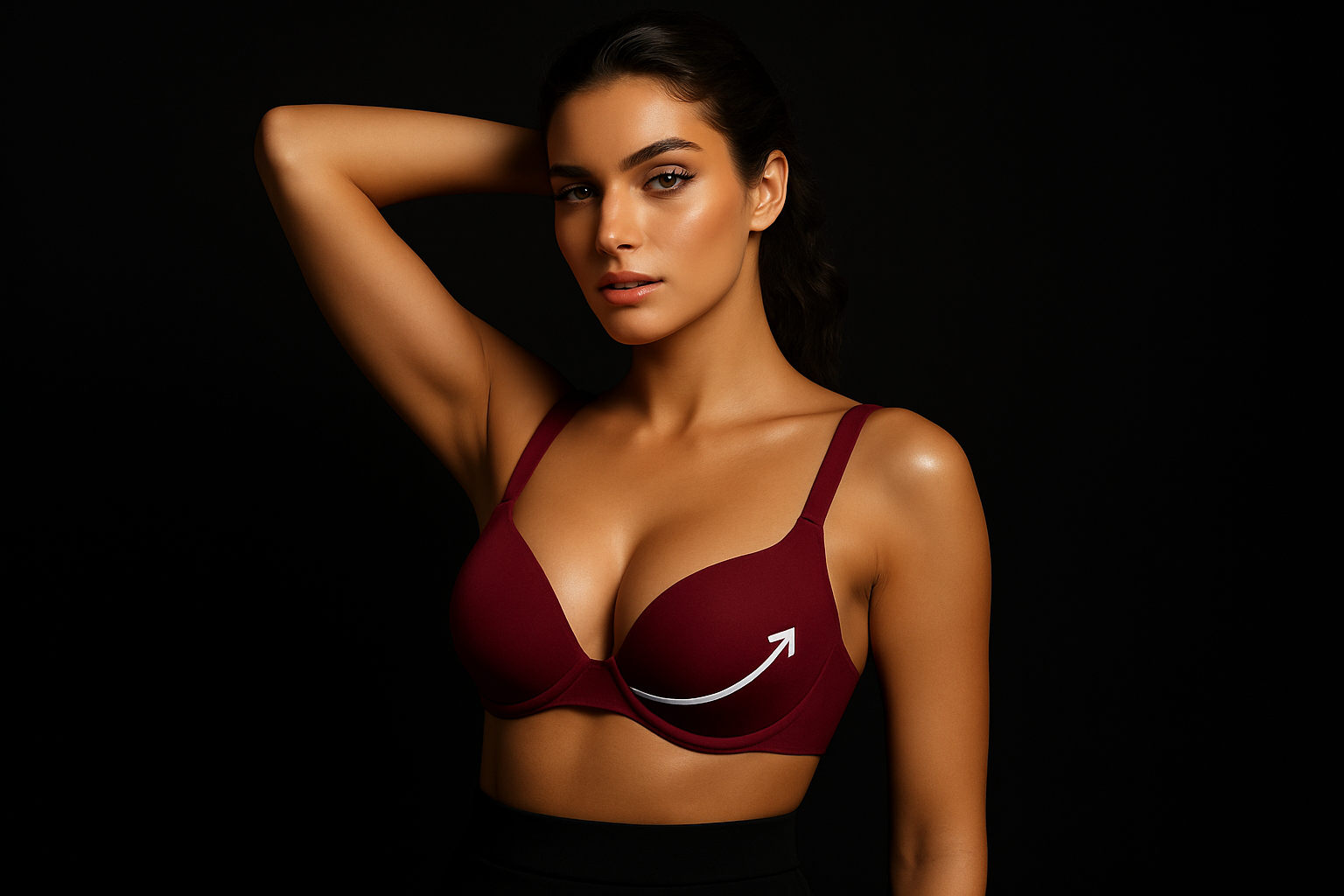
Breast augmentation using state-of-the-art medical implants remains one of the most frequently performed and highly rewarding aesthetic surgical procedures worldwide. For women seeking to restore lost upper-pole volume following pregnancy, correct developmental asymmetry, or achieve a more harmonious body contour, modern breast surgery offers extraordinary precision and exceptionally natural anatomical results. Over the last decade, Istanbul, Turkey has emerged as a premier global hub for cosmetic plastic surgery, combining board-certified plastic surgeons, JCI-accredited medical facilities, and advanced implant technology with highly accessible international care packages.
Table of Contents:
- Procedure & Treatment Overview
- Ideal Candidates & Medical Assessment
- Modern Surgical Techniques & Technologies
- Step-by-Step Procedure Process
- Recovery Timeline, Aftercare & Expected Results
- Global Cost & Destination Comparison
- 5-Day VIP Patient Journey in Istanbul
- Frequently Asked Questions (FAQ)
- Summary & Next Steps
At Health & Beauty Turkey, our clinical objective is to deliver individualized surgical strategies that prioritize patient safety, structural longevity, and aesthetic excellence. Deciding to undergo aesthetic breast surgery involves careful research, a deep understanding of implant mechanics, and an objective evaluation of surgical techniques. This clinical guide provides an exhaustive overview of breast augmentation surgery in Turkey, covering medical assessment protocols, implant selection, advanced dual-plane placement, recovery guidelines, and comprehensive cost evaluations.
| Parameter | Clinical Specification |
|---|---|
| Procedure Duration | 60 to 120 minutes |
| Hospital Stay | 1 Night (Inpatient monitoring) |
| Anesthesia Type | General Anesthesia with local field block |
| Initial Recovery Period | 7 to 10 days for standard light activities |
| Final Surgical Result | 6 to 12 months (post-edema resolution and implant settling) |
| Surgical Success Rate | Over 98% (High patient satisfaction rate) |
Procedure & Treatment Overview
Breast augmentation, clinically termed augmentation mammoplasty, is a surgical intervention designed to increase breast volume, improve symmetry, and enhance the overall aesthetic profile of the chest wall. The procedure involves placing medical-grade prostheses behind the native breast tissue or beneath the pectoralis major muscle. Beyond simple volume expansion, modern mammoplasty addresses soft tissue elasticity, inframammary fold placement, and nipple-areolar complex position.
In specialized surgical centers across Turkey, primary attention is directed toward achieving proportional, natural-looking results tailored to each patient’s unique anatomical frame. Silicone gel prostheses are the gold standard due to their soft feel and anatomical resilience. When combined with advanced soft-tissue sculpting, such as fat grafting or mastopexy, patients receive a comprehensive restructuring that restores youthfulness and body balance.
Ideal Candidates & Medical Assessment
Determining candidate suitability requires a meticulous pre-operative assessment conducted by a board-certified plastic surgeon. Ideal candidates for breast augmentation include women who:
- Desire increased breast volume or wish to restore fullness lost due to weight fluctuations, pregnancy, or aging.
- Experience congenital or acquired mammary asymmetry in size, volume, or position.
- Seek breast reconstruction following oncological procedures such as partial or total mastectomy.
- Possess good general physiological health, with stable body weight and no unmanaged chronic illnesses.
- Maintain realistic expectations regarding surgical outcomes, tissue compliance, and scar evolution.
During the clinical consultation, surgeons evaluate skin elasticity, baseline tissue volume, chest wall architecture, and parenchymal thickness. In certain clinical scenarios, plastic surgeons may advise delaying or altering treatment; understanding the reasons plastic surgeons refuse breast augmentation helps ensure optimal surgical safety and long-term satisfaction.
Modern Surgical Techniques & Technologies
The field of aesthetic breast surgery has evolved significantly with the introduction of fifth-generation cohesive silicone gel implants, often referred to as highly cohesive or ‘gummy bear’ implants. These prostheses retain their structural integrity even if the outer elastomeric shell undergoes trauma, significantly reducing the risk of gel migration.
Implant Types and Textures
- Cohesive Silicone Gel Implants: Highly favored for their soft, lifelike texture and anatomical stability. Available in smooth, micro-textured, and nano-textured shells (such as Motiva and Mentor products).
- Anatomical vs. Round Profiles: Teardrop (anatomical) implants provide a natural slope with projection concentrated in the lower pole, while round implants provide enhanced upper-pole fullness and cleavage definition.
Surgical Pocket Placement
The positioning of the implant relative to the chest tissue depends on pre-operative tissue pinch tests:
- Dual-Plane Placement: The implant upper pole is positioned underneath the pectoralis major muscle, while the lower pole rests subglandularly. This advanced technique yields natural movement, soft upper-pole transitions, and lower risks of capsular contracture.
- Submuscular Placement: Completely beneath the chest muscle, ideal for patients with very thin soft-tissue coverage.
- Subglandular Placement: Directly beneath the breast gland and over the muscle, suitable for patients with adequate baseline breast parenchymal thickness.
For patients presenting with significant skin laxity alongside volume loss, combining implants with a mastopexy provides ideal reshaping. You can review detailed surgical approaches for combined procedures in our specialized guide on breast augmentation and lift.
Step-by-Step Procedure Process
- Pre-Operative Assessment & Planning: Comprehensive medical evaluation, including chest wall measurements, baseline blood screenings, and pre-surgical mammogram or ultrasound scanning.
- Anesthesia Administration: General anesthesia is administered by an expert cardiac-monitored anesthesiologist to ensure complete comfort and safety throughout the operation.
- Surgical Incision: Precise incisions are made in inconspicuous locations—most commonly along the inframammary fold (inframammary incision), around the lower edge of the areola (periareolar), or via the axilla (transaxillary).
- Pocket Dissection & Insertion: Using specialized dissecting equipment, the surgeon creates the anatomical pocket (dual-plane, submuscular, or subglandular) and inserts the sterile implant using a minimal-touch insertion funnel.
- Closure & Dressings: The tissue layers are meticulously closed using multi-layer absorbable sutures, followed by the application of sterile surgical dressings and a supportive surgical brassiere.
Recovery Timeline, Aftercare & Expected Results
Post-operative care plays a crucial role in preventing complications and securing beautiful, stable results. Patients undergoing breast augmentation turkey follow a structured recovery protocol under medical supervision.
- Days 1–3: Mild to moderate chest tightness and soreness are managed effectively with prescribed analgesics and muscle relaxants. The medical compression bra must be worn continuously.
- Week 1: Initial surgical swelling begins to subside. Stitches are typically internal and absorbable. Patients can resume light walking and routine indoor activities.
- Weeks 2–4: Most patients return to work and non-strenuous daily routines. Implants undergo an initial settling period termed ‘drop and fluff.’
- Months 3–6: Soft tissue adapts to the implants, swelling resolves completely, and incisions mature into faint, soft lines.
Real patient testimonials and post-surgical journeys provide valuable insight into expectations; explore realistic clinical milestones in our article on personal patient experience with breast augmentation.
Global Cost & Destination Comparison
Choosing Turkey for plastic surgery provides significant financial advantages without sacrificing medical quality. Evaluating the overall breast augmentation cost in Turkey highlights why international patients consistently choose Istanbul over domestic alternatives in Europe or North America.
| Destination | Average Cost Range (USD) | JCI Quality Accreditation | Travel & Convenience | All-Inclusive VIP Services |
|---|---|---|---|---|
| Turkey (Health & Beauty Turkey) | $2,800 – $4,200 | Extensive / Top Tier | Excellent (Major Global Hub) | Included (Hotel, Transfers, Care) |
| United Kingdom | $7,500 – $11,000 | Variable | Local | Not Included (Extra Fees) |
| United States | $8,500 – $14,000 | High | Local | Not Included (Extra Fees) |
| Germany | $7,000 – $10,500 | High | Moderate | Rarely Included |
| Thailand | $3,500 – $5,500 | Moderate to High | Long-haul Flights | Optional Add-on |
| India | $3,000 – $4,800 | Variable | Long-haul Flights | Limited Availability |
5-Day VIP Patient Journey in Istanbul
Health & Beauty Turkey provides an integrated, stress-free care pathway tailored for international surgical patients:
- Day 1: VIP Arrival & Luxury Transfer: Personal reception at Istanbul Airport by our private VIP driver, followed by private transfer to your 5-star hotel accommodation.
- Day 2: Clinical Consultation & Surgery: In-person pre-operative examination with your lead plastic surgeon, comprehensive blood diagnostics, detailed surgical briefing, and execution of the mammoplasty under general anesthesia in a JCI-accredited hospital.
- Day 3: Inpatient Monitoring & Hospital Discharge: Overnight monitoring by specialized surgical nurses, surgeon evaluation, removal of surgical drains (if used), and discharge to your hotel with full medication packages.
- Day 4: Rest & Soft Recovery: Relaxing at your hotel with 24/7 dedicated medical assistance available. Light walking around Istanbul is permitted as tolerated.
- Day 5: Final Medical Evaluation & Return Home: In-clinic review, wound check, instructions for long-term scar care, fit check of surgical compression bra, and VIP transfer to Istanbul Airport for your homeward journey.
Frequently Asked Questions (FAQ)
Are cohesive silicone gel breast implants safe?
Yes. Modern fifth-generation silicone gel implants are FDA-approved and rigorous scientific trials confirm their long-term safety profile. The highly cohesive gel matrix prevents fluid leakage even in the rare event of an outer shell tear.
When can I resume exercise after breast augmentation in Turkey?
Light lower-body walking can begin immediately after surgery. However, upper-body exercises, heavy lifting, and intense cardiovascular training should be avoided for 4 to 6 weeks to allow complete pocket healing and tissue stabilization.
Will breast implants interfere with mammograms or breastfeeding?
Dual-plane and submuscular implant placements position the prosthesis behind the mammary gland, preserving the integrity of milk ducts and gland tissue, thus allowing normal breastfeeding. During routine mammograms, specialized displacement techniques (Eklund views) allow radiologists to obtain clear images of breast tissue.
How long do modern breast implants last?
While breast implants are not considered lifetime devices, modern high-cohesive implants are engineered for exceptional durability. Many patients keep their implants for 15 to 20 years or longer without needing replacement unless they desire aesthetic updates.
Summary & Next Steps
Breast augmentation in Turkey combines advanced surgical expertise, world-class medical infrastructure, premium FDA-certified cohesive implants, and all-inclusive international patient support. By choosing Health & Beauty Turkey, you gain access to top plastic surgeons who prioritize your individual anatomical harmony and clinical safety every step of the way.
If you are ready to explore your options for breast augmentation, contact our medical team today to schedule your private online consultation and receive a personalized surgical evaluation and quote.
Medical Disclaimer: The content provided in this article is for educational and informational purposes only and does not constitute formal medical advice, diagnosis, or treatment planning. All surgical interventions carry inherent risks. Individual medical assessments with a certified plastic surgeon are essential before undergoing any cosmetic or reconstructive procedure.
Related Articles: breast augmentation surgery in Turkey | reasons plastic surgeons refuse breast augmentation | breast augmentation and lift | breast augmentation turkey | patient experience with breast augmentation | breast augmentation cost in Turkey
References & Trusted Sources: National Institutes of Health (NIH) – Clinical Research | World Health Organization (WHO) – Health Guidelines | National Center for Biotechnology Information (NCBI / PubMed)