
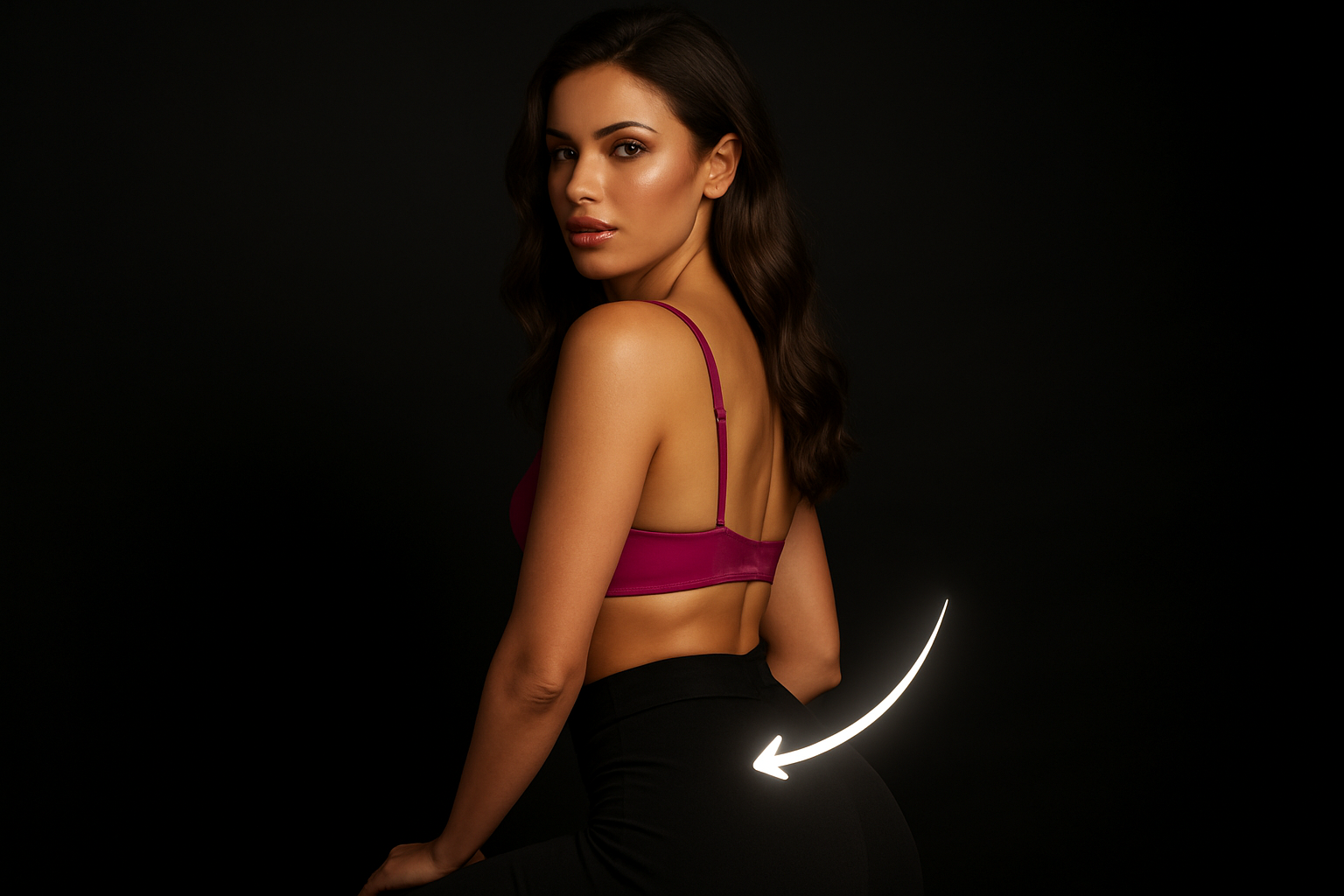
Gluteal aesthetics have evolved into one of the most dynamic sectors of modern body-contouring surgery. Patients seeking to enhance gluteal volume, projection, and overall symmetry frequently evaluate multiple techniques to achieve their aesthetic goals. When considering buttock augmentation turkey, understanding the clinical distinctions between Autologous Fat Transfer (commonly known as the Brazilian Butt Lift or BBL), Silicone Gluteal Implants, and Non-Surgical Body Fillers is essential for making an informed decision.
Table of Contents:
- Quick Medical Facts Summary
- Procedure & Treatment Overview
- Ideal Candidates & Medical Assessment
- Modern Surgical Techniques & Technologies
- Step-by-Step Procedure Process
- Recovery Timeline, Aftercare & Expected Results
- Global Cost & Destination Comparison
- 5-Day VIP Patient Journey in Istanbul
- Frequently Asked Questions (FAQ)
- Summary & Next Steps
Turkey has established itself as an international center of surgical excellence, combining advanced ultrasonic liposuction techniques, anatomical gluteal implant placement, and modern biostimulatory fillers. Choosing the optimal modality depends on a patient’s unique anatomical profile, available donor adipose tissue, skin elasticity, and personal recovery tolerance. This guide provides an authoritative comparison of these aesthetic solutions to help you understand the clinical outcomes, recovery expectations, and safety standards maintained at Health & Beauty Turkey.
Quick Medical Facts Summary
- Procedure Duration: 1.5 to 2 hours (Fillers); 2 to 4 hours (BBL or Implants).
- Hospital Stay: Outpatient (Fillers); 1 to 2 nights inpatient monitoring (BBL or Silicone Implants).
- Anesthesia Type: Local anesthesia with mild sedation (Fillers); General anesthesia (BBL and Implants).
- Recovery Period: 2 to 4 days (Fillers); 2 to 3 weeks initial downtime (BBL/Implants); full maturation at 6 to 12 months.
- Success & Satisfaction Rate: Exceeds 95% when performed by board-certified plastic surgeons utilizing ultrasound-guided techniques.
Procedure & Treatment Overview
Gluteal enhancement is not a one-size-fits-all procedure. Depending on whether a patient seeks dramatic volume enhancement, subtle structural enhancement, or contour refinement without surgery, plastic surgeons categorize best types of buttock augmentation procedures into three distinct clinical approaches:
1. Autologous Fat Transfer (Brazilian Butt Lift / BBL)
Autologous fat transfer involves harvesting fat via liposuction from donor sites—such as the abdomen, flanks, back, or thighs—and refining it before reinjecting it into the gluteal subcutaneous space. BBL provides a dual benefit: body sculpting at the donor sites and natural volume creation in the buttocks. Advanced deep fat transfer techniques ensure optimized fat cell survival and smooth, harmonized integration with surrounding biological tissue.
2. Silicone Gluteal Implants
For patients who lack sufficient localized fat stores (often referred to as ‘slim’ or low-BMI candidates), structural silicone implants offer a permanent solution. Gluteal implants are solid, highly durable elastomer devices designed specifically to withstand muscle contraction and sitting pressure without rupturing or losing shape.
3. Non-Surgical Body Fillers (Hyaluronic Acid & Biostimulators)
Injectable treatments using high-density Hyaluronic Acid (HA) or poly-L-lactic acid (PLLA) biostimulators offer a minimally invasive alternative. This approach is ideal for patients seeking targeted projection, hip dip correction, or subtle volume restoration without surgical incisions or general anesthesia.
Ideal Candidates & Medical Assessment
Preoperative medical assessment is crucial for determining which type of buttock augmentation turkey procedure aligns with your body structure and medical profile.
- Ideal BBL Candidates: Patients with adequate donor fat reserves (BMI usually between 22 and 32), good skin elasticity, and a desire for overall midbody reshaping alongside gluteal volume increase.
- Ideal Silicone Implant Candidates: Low-BMI patients (BMI under 22) who lack adequate donor fat for liposuction, or those desiring significant structural projection and a firm contour.
- Ideal Filler Candidates: Individuals near their ideal body weight who require localized contour correction (such as correcting lateral hip dips) and prefer immediate results with minimal downtime.
Modern Surgical Techniques & Technologies
In modern plastic surgery, medical safety and precision drive surgical protocols. Selecting between silicone implants or autologous fat transfer requires an understanding of the technology used during surgery.
Ultrasound-Guided Subcutaneous Fat Grafting
To eliminate the historical risks associated with fat grafting, surgeons in Turkey utilize intraoperative real-time ultrasound imaging. This technology ensures that harvested micro-fat grafts are placed strictly into the subcutaneous tissue, entirely avoiding the deep gluteal muscle layers and major blood vessels. This technique drastically enhances patient safety while securing smooth fat survival rates of 60% to 80%.
Subfascial and Intramuscular Implant Pocket Creation
Silicone implant placement requires precise surgical dissection. Modern techniques place solid cohesive gel implants either within the gluteus maximus muscle (intramuscular) or directly beneath the muscular fascia (subfascial). This ensures natural feel, hides implant borders, and prevents implant migration over time.
Step-by-Step Procedure Process
The journey toward dynamic gluteal refinement involves a rigorous clinical workflow designed for patient safety and optimal results:
1. Comprehensive Clinical Pre-Assessment
Upon arrival at the clinic, patients undergo comprehensive preoperative blood panels, cardiovascular screenings, anatomical mapping, and localized ultrasound evaluations to verify tissue depth and surgical readiness.
2. Anesthesia & Surgical Dissection / Harvesting
For BBL and silicone implants, general anesthesia is administered. In BBL cases, gentle VASER or power-assisted liposuction harvests fat while preserving cell viability. For implant surgery, precise incisions are made within the hidden intergluteal crease to create secure pockets for insertion.
3. Graft Purification & Placement
Harvested adipose tissue undergoes closed-system decantation or centrifugation to isolate viable adipocytes. The purified fat is then methodically injected in microscopic droplets across anatomical layers. For non-surgical fillers, deep micro-cannula injections deliver controlled volume under local anesthesia.
4. Closure & Compression Protocols
Incisions are sutured using multi-layer absorbable sutures to minimize scarring. Specialized medical-grade compression garments (fajas) are applied immediately to minimize swelling and support newly sculpted tissue contours.
Recovery Timeline, Aftercare & Expected Results
Recovery times vary depending on the chosen procedure technique:
- Days 1–7 Post-Op: Initial swelling and discomfort are managed with prescribed analgesics. BBL and implant patients must strictly avoid sitting directly on the gluteal area. A specialized offloading pillow (BBL pillow) is required when seated.
- Weeks 2–4: Incisions heal, and light walk-around activities are encouraged to promote circulation. Compression garments must be worn continuously. Patients who chose non-surgical fillers can typically resume standard daily routines.
- Months 1–3: Tissue swelling decreases significantly. For BBL patients, the transferred fat cells settle and integrate with the blood supply. Soft tissue around implants stabilizes.
- Months 6–12: Final anatomical results emerge. Transferred fat cells that survived the revascularization phase become permanent living tissue, while implants settle naturally into their designated muscular pockets.
Global Cost & Destination Comparison
Turkey is a globally recognized destination for high-quality plastic surgery, offering advanced surgical facilities, internationally certified surgeons, and transparent pricing model structures compared to Western Europe and North America.
| Destination | Average Procedure Cost | JCI Accredited Facilities | All-Inclusive VIP Care | Travel & Aftercare Ease |
|---|---|---|---|---|
| Turkey (Health Beauty Turkey) | $3,200 – $5,500 | Extensive / High Standard | Included (Hotel, Transfers, Care) | Exceptional Medical Tourism Hub |
| United Kingdom | $9,500 – $14,000 | Variable Standards | Not Included (Extra Fees) | Local, Higher Out-of-Pocket Cost |
| United States | $11,000 – $18,000 | High Standard | Not Included | Expensive Postoperative Costs |
| Germany | $8,500 – $13,000 | High Standard | Rarely Included | Moderate Convenience |
| Thailand | $4,500 – $7,500 | Moderate / High | Varies by Clinic | Long Distance Flight Times |
| India | $3,500 – $6,000 | Moderate | Varies by Clinic | Complex Logistics for Westerners |
5-Day VIP Patient Journey in Istanbul
Health Beauty Turkey provides a streamlined, stress-free clinical itinerary tailored for international patients seeking a safe buttock lift and augmentation experience:
- Day 1: VIP Arrival & Luxury Hotel Transfer
You are met at Istanbul Airport by a private VIP transport team and taken to your 5-star hotel to rest before your initial clinical consultation. - Day 2: In-Person Consultation & Surgical Procedure
You meet with your plastic surgeon for detailed body mapping and final medical clearance. The surgical or non-surgical augmentation is performed in an accredited surgical center. - Day 3: Inpatient Recovery & Medical Monitoring
For surgical procedures, you spend the night under full nursing care to monitor vital signs, fluid balance, and initial tissue recovery. - Day 4: Discharge, Recovery & Lymphatic Support
After a detailed medical review by your surgeon, you are discharged to your hotel with custom compression garments, medication packages, and instructions for specialized post-op care. - Day 5: Final Evaluation & Return Flight
Your surgeon conducts a final follow-up evaluation, checks wound healing, outlines long-term care guidelines, and provides official medical clearance for your flight home.
Frequently Asked Questions (FAQ)
Which technique offers the most natural-looking results?
Autologous Fat Transfer (BBL) provides the most natural soft-tissue feel and aesthetic appearance because it uses your own biological tissue. However, highly cohesive gluteal implants placed in deep muscular pockets also yield smooth, anatomically natural outcomes when performed by an experienced plastic surgeon.
How long do non-surgical body fillers last in the buttocks?
High-density Hyaluronic Acid fillers typically last between 18 and 24 months as the body slowly metabolizes the gel. Biostimulatory fillers such as Poly-L-Lactic Acid (PLLA) encourage your body to produce natural collagen, yielding results that can last up to 2 to 3 years before requiring touch-up maintenance.
Is buttock augmentation surgery safe in Turkey?
Yes, when performed in accredited surgical hospitals by board-certified plastic surgeons utilizing intraoperative real-time ultrasound guidance. Ultrasound monitoring ensures fat injections remain safely within the superficial subcutaneous fat layer, avoiding deep muscular tissues and major vascular structures.
Can I combine gluteal implants with fat transfer?
Yes. This approach—often termed a Hybrid Buttock Augmentation—uses silicone implants to establish central projection and autologous fat transfer to refine surrounding contours, smooth implant transitions, and shape the lateral hips or hip dips.
Summary & Next Steps
Choosing the right approach for your buttock augmentation turkey depends on your physiological anatomy, donor fat availability, aesthetic targets, and preferred recovery timeline. Whether you are ideal for an autologous fat transfer (BBL), structural silicone gluteal implants, or non-surgical biostimulatory fillers, working with experienced plastic surgeons ensures natural outcomes, safety, and smooth long-term results.
We invite you to take the next step in your aesthetic transformation. Contact the medical team at Health & Beauty Turkey today to request a personalized online consultation, obtain a comprehensive medical assessment, and discover a tailored treatment plan designed around your goals.
Medical Disclaimer: The information provided in this guide is for educational purposes only and should not replace professional medical advice, diagnosis, or treatment. All surgical and non-surgical cosmetic procedures carry inherent risks. Individual clinical outcomes may vary based on anatomical characteristics, adherence to post-operative instructions, and general health status. Always consult a qualified, board-certified plastic surgeon prior to undergoing aesthetic treatment.
Related Articles: best types of buttock augmentation procedures | deep fat transfer techniques | silicone implants or autologous fat transfer | buttock lift and augmentation
References & Trusted Sources: National Institutes of Health (NIH) – Clinical Research | World Health Organization (WHO) – Health Guidelines | National Center for Biotechnology Information (NCBI / PubMed)