
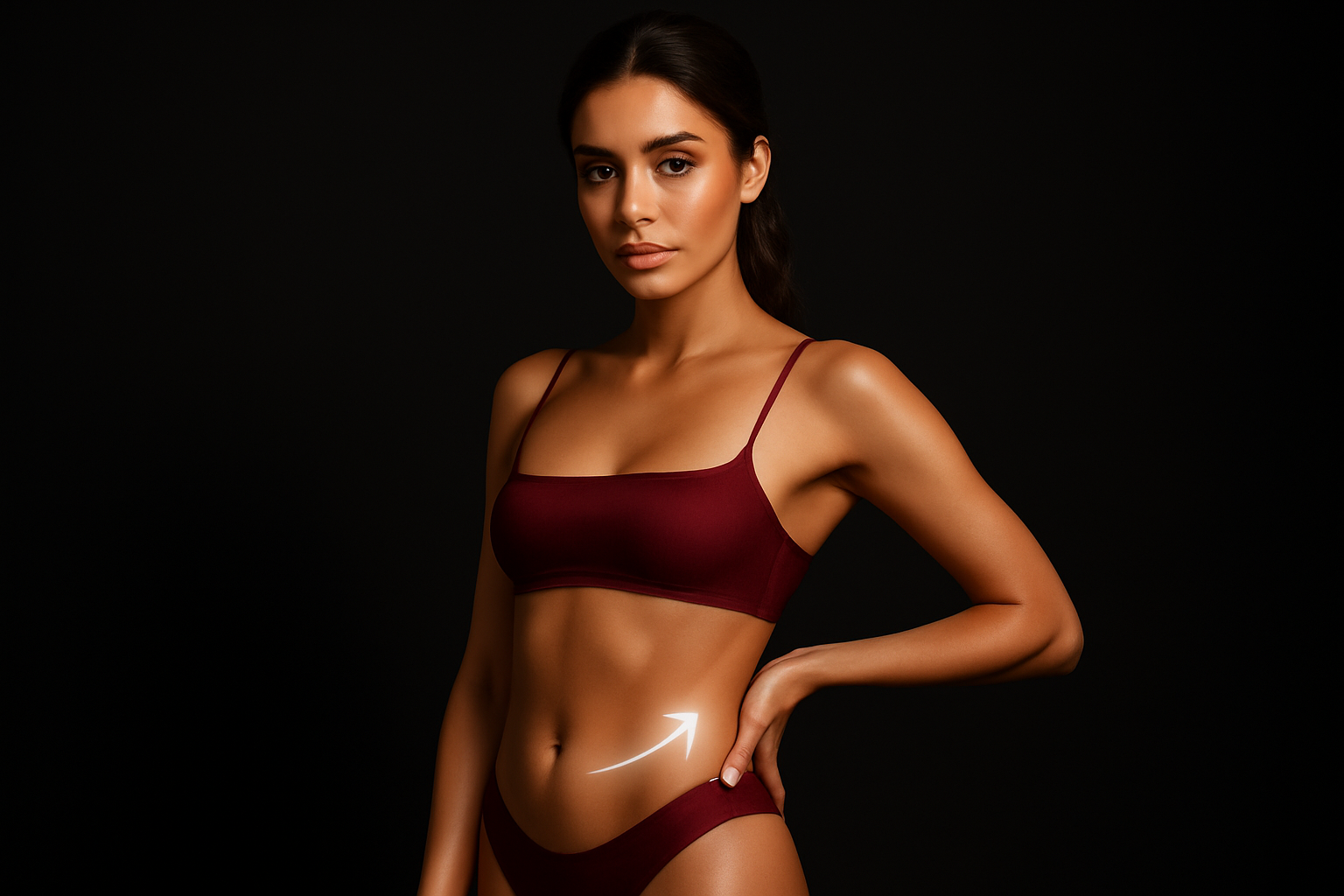
Body contouring and facial volume restoration have evolved significantly beyond synthetic implants and temporary dermal fillers. Deep fat transfer, also known as deep autologous fat grafting, has emerged as a gold-standard surgical technique for patients seeking long-lasting, natural-looking aesthetic enhancement. By harvesting living adipose tissue from donor areas with excess fat and strategically micro-injecting it into deeper structural layers, board-certified plastic surgeons can restore structural volume, smooth deep anatomical hollows, and refine body contours with high biological compatibility.
Table of Contents:
- Procedure & Treatment Overview
- Ideal Candidates & Medical Assessment
- Modern Surgical Techniques & Technologies
- Step-by-Step Procedure Process
- Recovery Timeline, Aftercare & Expected Results
- Global Cost & Destination Comparison
- 5-Day VIP Patient Journey in Istanbul
- Frequently Asked Questions (FAQ)
- Summary & Next Steps
Turkey has become a global center of excellence for advanced plastic and reconstructive surgery. Combining JCI-accredited medical centers, highly specialized surgical teams, and cutting-edge fat purification technology, deep fat transfer in Turkey offers patients an optimal balance of clinical precision, safety, and sophisticated aesthetic care. This comprehensive guide outlines the medical mechanics, surgical methodologies, candidate selection criteria, recovery protocols, and international cost comparisons for prospective patients evaluating this transformative procedure.
Quick Medical Facts Summary
- Procedure Duration: 2 to 4 hours (depending on donor sites and target zones)
- Hospital Stay: 1 night overnight stay in a high-tech facility
- Anesthesia Type: General anesthesia or deep intravenous sedation with local infiltration
- Recovery Time: Initial physical recovery within 7–10 days; full tissue integration and final result at 3–6 months
- Graft Survival Rate: 60% to 80% long-term adipocyte survival rate using modern closed harvesting systems
- Clinical Goal: Autologous structural enhancement, soft-tissue volume correction, and scar tissue softening
Procedure & Treatment Overview
Deep fat transfer is a multi-stage autologous tissue transplantation technique. Unlike superficial subcutaneous fat injection, deep fat transfer places purified fat micro-droplets into deep structural planes, such as the pre-periosteal space of the face, intramuscular or subfascial layers of the buttocks, or deep subcutaneous compartments. Placing fat deep within tissue planes provides a richer vascular network, drastically increasing capillary growth into the transferred fat cells and improving long-term graft survival.
The procedure serves two primary clinical objectives: volume enlargement and regenerative structural rejuvenation. Because autologous fat contains key regenerative stem cells (Adipose-Derived Stem Cells or ADSCs), deep fat transfer not only fills anatomical defects but also enhances tissue elasticity, skin quality, and microvascular circulation in recipient sites. Many patients choose natural fat transfer surgery in Turkey to avoid foreign body reactions, capsular contracture, or synthetic implant displacement.
Ideal Candidates & Medical Assessment
Candidate selection for deep fat transfer involves rigorous clinical evaluation during pre-operative consultations. A successful outcome depends heavily on the biological quality of donor tissue, general metabolic health, and realistic clinical goals.
- Sufficient Donor Tissue: Candidates must possess localized, resistant fat deposits (typically in the abdomen, flanks, or thighs) to harvest adequate volume.
- Stable Body Mass Index (BMI): Ideal candidates maintain a stable weight (typically BMI between 18.5 and 29.5). Significant weight fluctuations after surgery can alter transferred fat tissue.
- Good Vascular & Skin Health: Non-smokers with good skin elasticity and robust circulatory health experience higher graft integration rates.
- Realistic Clinical Expectations: Understanding that 20% to 40% of transferred fat naturally metabolizes during the initial 8–12 weeks is vital for patient satisfaction.
- Exclusion Criteria: Active systemic infections, severe cardiovascular illness, active autoimmune disorders, morbid obesity, or a total lack of harvestable subcutaneous fat.
Modern Surgical Techniques & Technologies
The success of deep fat transfer lies in maintaining delicate living fat cells through soft lipo-harvesting, non-traumatic processing, and precise multi-planar injection. Turkish plastic surgery clinics utilize state-of-the-art technologies to ensure maximum viability of the transferred cells.
1. Ultrasound-Assisted Liposuction (VASER)
Using gentle ultrasonic energy, surgeons liquefy fat deposits while protecting surrounding blood vessels, connective tissues, and nerve structures. Applying spot fat treatment with VASER liposuction ensures gentle fat cell harvesting, maintaining high cell viability for transfer.
2. Closed-Loop Purification Systems
Harvested tissue undergoes gentle processing using closed-circuit centrifuges, mechanical filtration, or puregraft washing systems. This process separates intact viable adipocytes from cellular debris, excess tumescent fluid, free lipids, and blood components, minimizing post-operative inflammation at the graft site.
3. Structural Micro-Fat & Nano-Fat Injections
Surgeons utilize special blunt-tip micro-cannulas to deliver tiny droplets of fat into deep anatomical layers using a retrograde multi-pass technique. By scattering fat cells into thin tunnels, each micro-graft remains close to host tissue blood vessels, ensuring early nutrition via oxygen diffusion before new capillaries form.
Step-by-Step Procedure Process
Understanding the clinical steps of deep fat transfer helps patients feel prepared and confident throughout their surgical journey:
- Surgical Planning & Pre-Op Marking: The surgical team maps donor harvesting sites and target recipient zones with precise anatomical line drawings while the patient is standing.
- Anesthesia Administration: Board-certified anesthesiologists administer general anesthesia or deep IV sedation to ensure complete comfort and safety.
- Infiltration & Liposuction Harvesting: A specialized tumescent solution containing saline, lidocaine, and epinephrine is infiltrated into donor sites. Fat is extracted gently using low-pressure suction micro-cannulas.
- Cell Isolation & Purification: The extracted fat is collected in a sterile environment and processed to separate top-quality living fat cells from fluids and dead tissues.
- Deep Layer Grafting: The surgeon carefully places micro-droplets of viable fat deep within the recipient layers using specialized cannulas, creating a smooth, stable, and natural-looking shape.
- Incision Closure & Compression: Liposuction access incisions are closed with fine sutures, and medical compression garments are applied to donor areas to minimize swelling and fluid collection.
Recovery Timeline, Aftercare & Expected Results
Adhering to post-operative guidelines is crucial for graft survival and achieving optimal contour harmony.
- Days 1–3 (Initial Healing): Expect mild to moderate swelling, bruising, and temporary tightness at donor sites. Pain is well-controlled with prescribed pain medication. Patients wear compression garments continuously.
- Week 1–2 (Early Recovery): Swelling starts to decline. Bruising fades. Patients can resume light walking and routine daily tasks, but must avoid direct pressure or mechanical stress on recipient fat sites.
- Weeks 3–6 (Tissue Integration): Blood vessels begin growing into the newly transferred fat tissue (neovascularization). Patients gradually return to desk work and low-impact exercise as approved by their surgeon.
- Months 3–6 (Final Results): Swelling resolves completely. The remaining fat tissue is fully integrated and behaves just like normal fat. When choosing fat transfer in Turkey for harmonious contours, the outcome delivers long-lasting volume and natural aesthetic balance.
Global Cost & Destination Comparison
Turkey offers top-tier surgical care at competitive rates, due to lower operational costs, favorable exchange rates, and comprehensive surgical packages. Clinics in Turkey deliver high international standards through experienced surgical teams and modern facilities.
| Destination / Parameter | Average Price Range (USD) | JCI & Healthcare Quality | Travel Convenience | All-Inclusive VIP Services |
|---|---|---|---|---|
| Turkey (Health Beauty Turkey) | $2,500 – $4,500 | JCI Accredited Facilities, Board-Certified Surgeons | High (Major global airline hub, streamlined visa) | Included (VIP Transport, 5-Star Hotel, Translators, Aftercare) |
| United Kingdom | $8,000 – $14,000 | High (CQC Standards) | Local for UK residents | Not Included (Extra fees for stay, consultation, aftercare) |
| United States | $10,000 – $18,000 | High (AAAASF / JCI) | Local for US residents | Not Included (High out-of-pocket facility & anesthesia fees) |
| Germany | $7,500 – $12,500 | High (TÜV / European Standards) | Convenient for EU residents | Rarely Included (Hospital stay fees charged separately) |
| Thailand | $4,000 – $7,000 | Variable (Selected JCI Hospitals) | Long-haul flight for EU/US | Partially Included (Package options vary) |
5-Day VIP Patient Journey in Istanbul
Patients visiting Istanbul for deep fat transfer experience a fully coordinated care process tailored for international guests:
- Day 1: VIP Arrival & Luxury Hotel Check-In: A dedicated driver greets you at Istanbul Airport in a private VIP van and transfers you to your 5-star hotel. Personal patient coordinators assist with check-in.
- Day 2: In-Person Consultation & Surgical Procedure: Comprehensive pre-operative blood panels, chest X-rays, and ECG checks are conducted at the hospital. You meet your plastic surgeon for detailed body mapping and review of surgical goals. Surgery is performed, followed by overnight care in a private hospital room.
- Day 3: Post-Op Care & Return to Hotel: The surgeon reviews your early recovery, checks donor drainage, and provides post-op instructions. You are transferred back to your luxury hotel room to rest comfortably.
- Day 4: Relaxed Recovery & Private City Resting: Rest at your hotel with access to nursing support and continuous communication with your patient coordinator. Light walking around the hotel helps support healthy blood circulation.
- Day 5: Final Evaluation & Safe Departure: Meet your surgical team for a post-operative checkup, suture care, and final ultrasound check. Receive your medical recovery kit, compression garments, fit-to-fly clearance, and personalized long-term aftercare instructions before your VIP transfer to the airport.
Frequently Asked Questions (FAQ)
Is deep fat transfer permanent?
Yes. Once transferred fat cells establish a blood supply during the initial 8 to 12 weeks, they become permanent living tissue. These integrated cells will naturally expand or shrink with future body weight fluctuations, just like fat cells elsewhere in the body.
How does fat transfer compare to synthetic implants?
Autologous fat transfer uses your own living tissue, eliminating risks of allergic reaction, implant rupture, capsular contracture, or displacement. Evaluating autologous fat versus silicone implants shows that fat grafting delivers a softer, more natural touch and dynamic tissue movement compared to synthetic options.
How much transferred fat survives after the procedure?
On average, 60% to 80% of transferred adipocytes survive long-term. Surgeons offset predictable early tissue absorption by applying precise multi-planar injection techniques and harvesting living fat with low-pressure suction.
Will deep fat transfer leave noticeable surgical scars?
Scarring is minimal. The specialized cannulas used for fat harvesting and injection require tiny skin incisions measuring only 2 to 4 millimeters. These small entry points are placed in discreet body folds and fade significantly over time.
Summary & Next Steps
Deep fat transfer in Turkey offers a reliable, natural option for long-lasting structural enhancement and anatomical contouring. Combining modern medical technology, experienced surgical specialists, and soft-tissue harvesting methods, patients achieve smooth, balanced outcomes without synthetic implants.
If you are considering autologous fat transfer to refine your figure or restore lost structural volume, reach out to our elite medical consultation team today. We provide personalized virtual evaluations, tailor treatment plans, and guide you through every step of your surgical journey in Istanbul.
Medical Disclaimer: The clinical information provided in this article is for educational purposes only and should not replace formal medical advice, diagnosis, or surgical consultation. Individual anatomical results, fat retention rates, and recovery times vary based on health profile, metabolic factors, and adherence to post-operative instructions. Always consult a board-certified plastic surgeon prior to undergoing elective surgical procedures.
Related Articles: natural fat transfer surgery in Turkey | spot fat treatment with VASER liposuction | fat transfer in Turkey for harmonious contours | autologous fat versus silicone implants
References & Trusted Sources: National Institutes of Health (NIH) – Clinical Research | World Health Organization (WHO) – Health Guidelines | National Center for Biotechnology Information (NCBI / PubMed)