
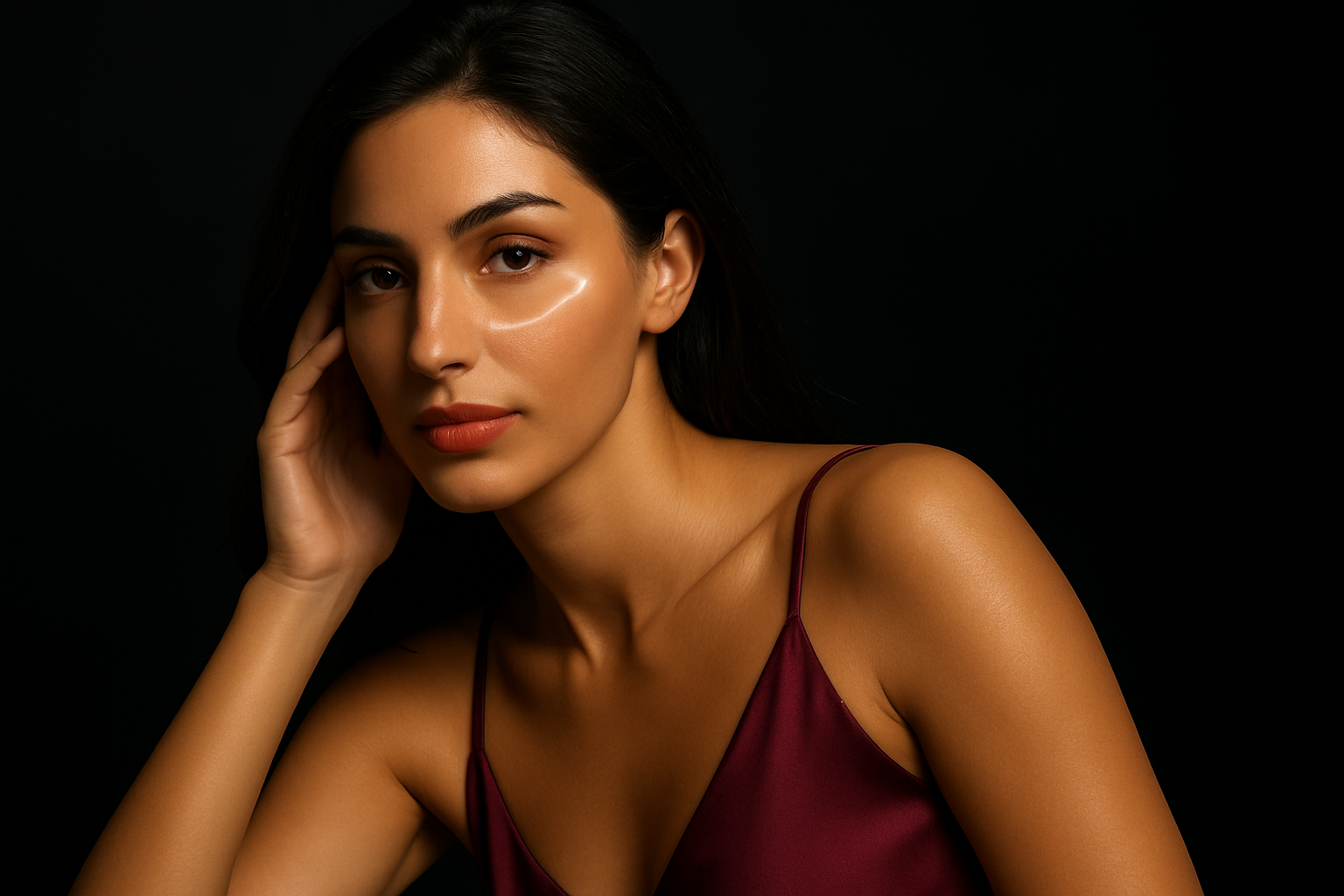
The periorbital region—specifically the delicate area beneath the lower eyelids—is often the very first focal point to exhibit visible signs of premature facial aging, systemic fatigue, and volumetric loss. Deep tear trough deformities, chronic infraorbital hollows, and pronounced periorbital shadows frequently impart a tired, prematurely aged appearance that fails to respond to topical skincare treatments or temporary cosmetic concealers. For patients seeking a permanent, biologically harmonized solution, autologous fat injection in Turkey has emerged as the global gold standard in aesthetic plastic surgery.
Table of Contents:
- Procedure & Treatment Overview
- Ideal Candidates & Medical Assessment
- Modern Surgical Techniques & Technologies
- Step-by-Step Procedure Process
- Recovery Timeline, Aftercare & Expected Results
- Global Cost & Destination Comparison (Turkey vs UK, USA, Germany, Thailand, India)
- 5-Day VIP Patient Journey in Istanbul
- Frequently Asked Questions (FAQ)
- Summary & Next Steps
By utilizing the patient’s own living adipose tissue, periorbital autologous fat grafting restores lost anatomical volume, smooths transitioning contours between the lower eyelid and cheek, and improves overlying dermal texture through stem-cell-driven tissue regeneration. At Health Beauty Turkey, our board-certified plastic surgeons employ state-of-the-art micro-fat and nano-fat refinement techniques to ensure long-lasting, natural periorbital rejuvenation with minimal recovery downtime.
| Parameter | Clinical Specification |
|---|---|
| Procedure Duration | 1 to 2 hours |
| Hospital Stay | Outpatient (Same-day discharge) |
| Anesthesia Type | Local anesthesia with IV sedation or light general anesthesia |
| Initial Recovery Period | 7 to 10 days for swelling and micro-bruising resolution |
| Graft Survival Rate | 60% to 70% long-term living cell retention |
| Final Results Timeline | 3 to 6 months post-procedure |
Procedure & Treatment Overview
Infraorbital hollows and dark under-eye circles are primarily caused by structural volumetric deficits within the sub-orbicularis oculi fat pad, combined with age-related midface atrophy and genetic attenuation of the periorbital dermal matrix. Unlike temporary synthetic dermal fillers based on hyaluronic acid, modern facial fat injection in Turkey uses biocompatible autologous tissue harvested directly from donor sites such as the lower abdomen, outer thighs, or flanks.
When performed around the delicate periorbital frame, micro-fat grafting acts as a permanent bio-filler that fills anatomical hollows, lifts depressed tear troughs, and creates a seamless anatomical transition between the lower eyelid margin and the upper malar (cheek) complex. Furthermore, modern processing techniques allow surgeons to extract nano-fat—a specialized derivative rich in mesenchymal stem cells (MSCs) and growth factors—which actively regenerates thin, translucent periorbital skin, reducing micro-pigmentation and fine structural wrinkles.
Ideal Candidates & Medical Assessment
Evaluating candidacy for lower eyelid fat transfer requires a meticulous clinical assessment of facial anatomy, dermal laxity, and subcutaneous volume distribution. Candidates who benefit most from periorbital autologous fat grafting typically display the following clinical indications:
- Prominent tear trough deformities and hollow infraorbital rims causing dark shadowing.
- Loss of malar and midface volume leading to lower eyelid elongation.
- Good skin elasticity without excessive lower eyelid skin redundancy or severe ligamentous laxity.
- Sufficient localized donor fat reserves in the abdomen, thighs, or hip regions.
- Realistic expectations regarding cellular retention rates and natural healing timelines.
- Good overall health, non-smoking status, and absence of active ocular pathologies (e.g., severe dry eye syndrome or untreated glaucoma).
For detailed anatomical breakdowns on how biological fat grafting revitalizes multiple anatomical zones, read our comprehensive 10 key benefits of facial fat grafting resource.
Modern Surgical Techniques & Technologies
Periorbital autologous fat transfer demands extreme surgical precision due to the delicate thinness of the lower eyelid tissues and the rich vascular network surrounding the eye. At Health Beauty Turkey, surgical teams utilize refined multi-planar grafting protocols:
1. Low-Pressure Harvesting (Coleman Technique)
Fat is harvested using specialized ultra-gentle micro-cannulas operating under low manual negative pressure. This preserves the delicate cellular walls of individual adipocytes, maximizing graft viability and preventing cellular damage prior to transplantation.
2. Decantation & Centrifugation
The harvested tissue undergoes standardized clinical filtration and controlled low-speed centrifugation. This separates viable living fat cells from tumescent fluid, free lipids, and red blood cells, yielding concentrated, pure micro-fat fractions.
3. Micro-Fat vs. Nano-Fat Processing
To treat different layers of the periorbital structure, the harvested fat is divided into two ultra-refined matrices:
- Micro-Fat: Intact microscopic cell clusters injected deep into the periosteal layer beneath the orbicularis oculi muscle to rebuild missing anatomical volume.
- Nano-Fat: Emulsified and fine-filtered fat suspension rich in adipose-derived stem cells (ADSCs). Nano-fat is injected intradermally into the superficial lower eyelid skin to stimulate collagen synthesis, thicken thin dermis, and lighten vascular dark circles.
Step-by-Step Procedure Process
Understanding the clinical steps of autologous micro-fat grafting helps alleviate patient anxiety and prepares individuals for an exceptional aesthetic journey:
Step 1: Surgical Marking and Donor Site Preparation
While the patient is comfortably seated upright, the lead surgeon marks the exact anatomical boundaries of the tear troughs, infraorbital hollows, and midface transition zones. The selected donor site (typically the abdomen or inner thigh) is infiltrated with a sterile tumescent fluid containing local anesthetic and epinephrine to minimize discomfort and bleeding.
Step 2: Gentle Harvesting of Micro-Grafts
Using a micro-perforated blunt cannula attached to a specialized low-suction syringe, the surgeon collects tiny lipo-aspirate clusters, protecting the viability of the vascular cellular structure.
Step 3: Purification and Bio-Processing
The harvested tissue is processed in a closed sterile system using low-rpm centrifugation and physical micro-filtration, separating metabolic debris and concentrating high-density, viable adipocytes and stem cells.
Step 4: Precision Micro-Injection
Using ultra-fine atraumatic blunt cannulas (25G to 27G), micro-droplets of fat are placed layer-by-layer along the infraorbital rim. By distributing tiny droplets in multiple anatomical planes, the newly transferred fat cells remain in direct contact with adjacent vascular tissue, ensuring rapid revascularization (angiogenesis) and maximal cellular survival.
Recovery Timeline, Aftercare & Expected Results
Post-operative care plays a crucial role in ensuring optimal graft survival and smooth aesthetic outcomes. The recovery process follows a predictable physiological progression:
- Days 1 to 3: Mild to moderate swelling and localized bruising around the lower eyelids and donor site are expected. Cold compresses (applied gently to nearby cheek structures, avoiding direct hard pressure on the eyelid grafts) help reduce acute edema.
- Days 7 to 10: Social downtime typically ends as superficial micro-bruising fades and post-surgical swelling settles significantly. Patients can usually resume remote work and light daily activities.
- Weeks 2 to 4: Periorbital contours begin to refine. Around 30% to 40% of the initial fluid volume and unviable cells are naturally absorbed by the body, leaving the stable, surviving fat graft intact.
- Months 3 to 6: Angiogenesis is complete, and the remaining transferred fat cells are fully integrated into the local eyelid tissue matrix as permanent living fat cells. The under-eye area appears smooth, naturally elevated, and youthful.
Patients interested in broader anti-aging transformations across multiple body regions can also explore hand fat injections in Turkey to address volumetric loss in aging hands.
Global Cost & Destination Comparison (Turkey vs UK, USA, Germany, Thailand, India)
Turkey has firmly established itself as the leading international destination for plastic surgery, offering exceptional clinical outcomes, board-certified facial surgeons, and transparent, all-inclusive pricing structures.
| Destination / Region | Estimated Cost Range (USD/EUR) | JCI Quality Standards | Travel & Logistics Convenience | All-Inclusive VIP Services |
|---|---|---|---|---|
| Turkey (Health Beauty Turkey) | $1,800 – $2,800 | World-Class JCI Accredited Hospitals | Seamless Direct International Flights | Included (Hotel, Transfers, Aftercare) |
| United Kingdom | $5,500 – $8,500 | Standard NHS / CQC Facilities | Domestic / European Travel | Not Included (Extra Fees) |
| United States | $6,000 – $10,000 | Standard AAAASF / JCI | Domestic Travel Only | Not Included (Extra Fees) |
| Germany | $4,800 – $7,500 | High European Standards | Central European Hub | Rarely Included |
| Thailand | $2,500 – $4,200 | Good Regional Quality | Long-haul Flights for Westerners | Partial Packages Available |
| India | $2,000 – $3,500 | Variable Private Hospitals | Long-haul Flights | Variable Logistics |
5-Day VIP Patient Journey in Istanbul
At Health Beauty Turkey, we elevate the patient experience by coordinating every aspect of your medical journey, guaranteeing comfort, privacy, and seamless surgical care:
Day 1: VIP Arrival in Istanbul
Upon landing at Istanbul Airport (IST or SAW), your personal driver greets you at the terminal and escorts you via a luxury private VIP van to your 5-star hotel. You can relax and settle in comfortably.
Day 2: In-Person Consultation and Surgical Procedure
You are transferred to our state-of-the-art surgical hospital. You meet your plastic surgeon for a final anatomical evaluation, digital imaging, and pre-operative lab work. The under-eye fat transfer procedure is performed safely under sterile operating room conditions. After a short observation period, you return comfortably to your hotel suite.
Day 3: Rest and Post-Operative Monitoring
A relaxing day dedicated to recovery. Our bilingual medical coordination team checks in on your recovery status, ensuring medication schedules and gentle cooling protocols are followed properly.
Day 4: Clinical Follow-up & Eyelid Inspection
You visit the clinic for a comprehensive post-operative evaluation with your lead surgeon. Donor sites and periorbital injection entry points are examined, and localized aftercare instructions are refreshed.
Day 5: Final Evaluation & VIP Departure
After a final clinical sign-off from your surgeon, you are provided with complete post-treatment medical documentation and official travel clearance. Your VIP transfer driver transports you safely back to the airport for your flight home.
For additional clinical insights and patient-recorded experiences, review our complete autologous facial fat transfer guide.
Frequently Asked Questions (FAQ)
Is under-eye fat injection permanent?
Yes. Once transferred fat cells establish a blood supply during the first 8 to 12 weeks post-surgery, they become permanent living tissue within the periorbital area. While some natural reabsorption (30-40%) occurs in the initial weeks, surviving adipocytes remain permanently unless significant systemic weight fluctuations occur.
How does fat grafting differ from hyaluronic acid tear trough fillers?
Hyaluronic acid fillers are synthetic gels that temporary absorb water, requiring repeated injections every 6 to 12 months, with risks of the Tyndall effect (bluish tint) or fluid retention (puffiness). Fat transfer uses your own living tissue, provides permanent biological integration, eliminates allergic reactions, and delivers regenerative growth factors via nano-fat.
Can under-eye fat injection be combined with lower blepharoplasty?
Frequently. Combining fat injection with lower blepharoplasty (eyelid surgery) allows plastic surgeons to remove protruding orbital herniations or excess loose skin while simultaneously injecting micro-fat into deep anatomical hollows, delivering complete lower eyelid rejuvenation.
Are the surgical results immediate?
Volumetric improvement is visible immediately following the procedure. However, mild post-surgical swelling initially exaggerates the outcome. Final, beautifully smooth, and natural periorbital contours emerge fully between 3 and 6 months post-treatment.
Summary & Next Steps
Periorbital autologous fat transfer represents a definitive, biologically superior solution for individuals seeking to eliminate hollow tear troughs, dark shadows, and structural volume loss under the eyes. By choosing Turkey and the expert plastic surgery team at Health Beauty Turkey, you access world-class surgical expertise, state-of-the-art hospital infrastructure, and an all-inclusive VIP medical experience designed around your safety and aesthetic goals.
If you are ready to restore a refreshed, vibrant appearance to your eyes, reach out to our dedicated medical team today to request your personal, complimentary virtual consultation and anatomical assessment.
Medical Disclaimer: The clinical information provided in this article is intended strictly for educational and informational purposes and does not constitute formal medical advice. Individual anatomical results and surgical candidacy vary. A comprehensive personal evaluation by a certified plastic surgeon is required prior to undergoing any cosmetic surgical procedure.
Related Articles: facial fat injection in Turkey | autologous facial fat transfer guide | 10 key benefits of facial fat grafting | hand fat injections in Turkey
References & Trusted Sources: National Institutes of Health (NIH) – Clinical Research | World Health Organization (WHO) – Health Guidelines | National Center for Biotechnology Information (NCBI / PubMed)