
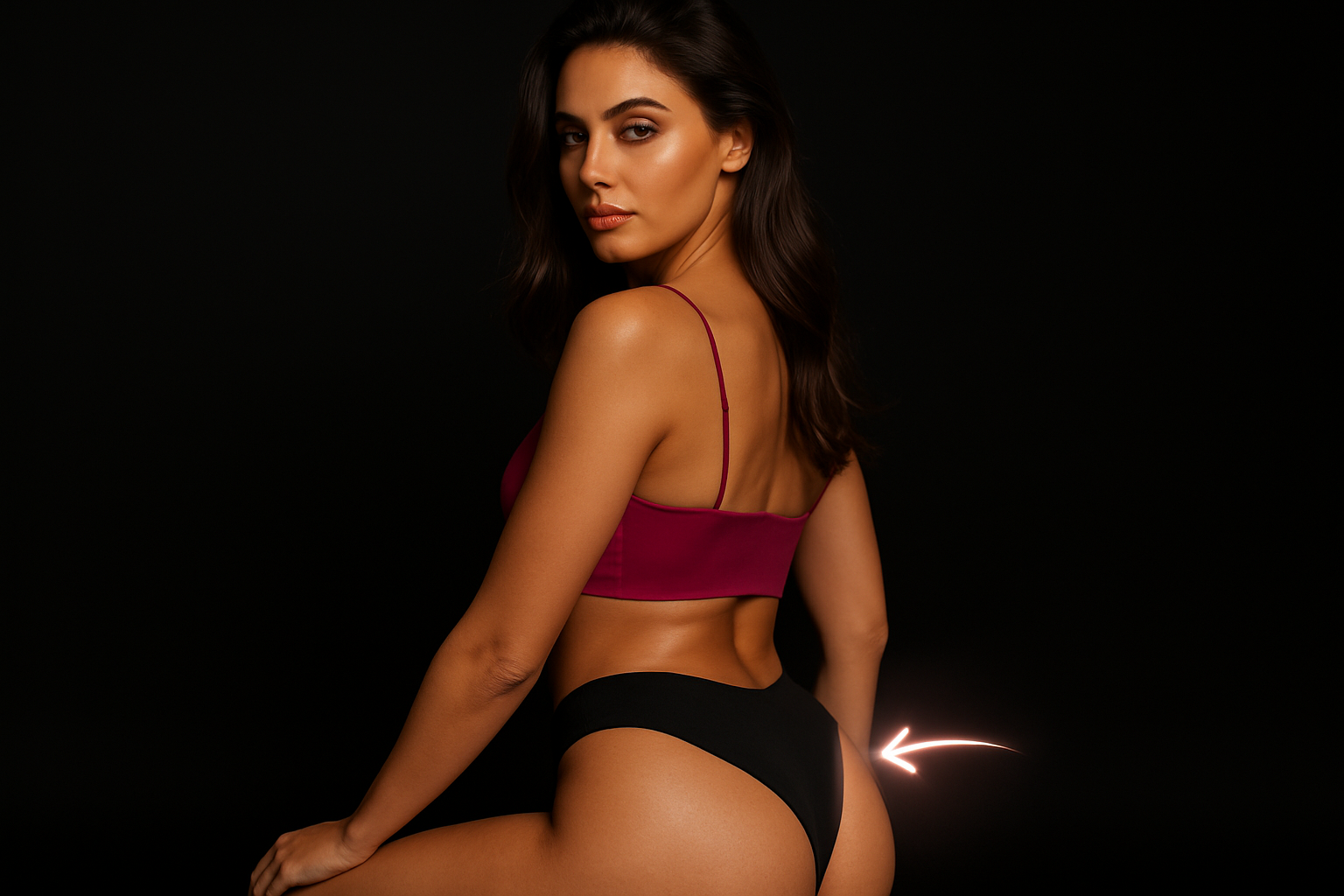
A balanced, contoured, and defined body profile remains a major personal and aesthetic aspiration for patients around the globe. While exercise and specialized athletic training can strengthen the gluteal muscles, structural volume, projection, and anatomical contouring often require precision surgical interventions. Silicone gluteal implants offer a permanent, predictable, and highly customizable solution for individuals seeking structural enhancement of the gluteal region. In recent years, Turkey has established itself as an elite international center for board-certified plastic surgery, drawing thousands of global patients annually for state-of-the-art body contouring procedures.
Table of Contents:
- Procedure & Treatment Overview
- Ideal Candidates & Medical Assessment
- Modern Surgical Techniques & Technologies
- Step-by-Step Procedure Process
- Recovery Timeline, Aftercare & Expected Results
- Global Cost & Destination Comparison
- 5-Day VIP Patient Journey in Istanbul
- Frequently Asked Questions (FAQ)
- Summary & Next Steps
At Health & Beauty Turkey, we combine clinical precision, board-certified reconstructive surgeons, Joint Commission International (JCI) accredited hospital infrastructure, and bespoke VIP patient care. Understanding the physical and anatomical considerations of silicone gluteal implantation allows prospective patients to make informed decisions regarding their transformative journey.
Quick Medical Facts Summary
| Parameter | Clinical Details |
|---|---|
| Operation Duration | 2.0 to 3.5 hours |
| Anesthesia Type | General anesthesia with advanced airway management |
| Hospital Stay | 1 to 2 nights for continuous post-operative monitoring |
| Initial Recovery Period | 10 to 14 days before returning to sedentary work |
| Full Activity Resumption | 6 to 8 weeks for intense athletic activity |
| Surgical Success Rate | Over 98% with optimal implant stability |
Procedure & Treatment Overview
Gluteal silicone augmentation is a advanced surgical body-contouring procedure designed to enhance the volume, shape, and projection of the buttocks. Unlike autologous fat transfer—commonly known as the Brazilian Butt Lift (BBL)—which requires sufficient subcutaneous fat donor sites, silicone gluteal implants utilize highly cohesive, elastomer-encapsulated solid silicone implants to build immediate structural volume.
These implants are specifically designed for the gluteal region. Gluteal implants are fabricated from solid, highly cohesive silicone gel or dense elastomeric silicone engineered to withstand high dynamic pressure, weight bearing, and repetitive muscle contractions during walking, running, and sitting. When evaluating structural gluteal enhancement, prospective patients often review a Comparison of Buttock Augmentation Types in Turkey: BBL, Implants & Fillers to determine which biological or prosthetic technique aligns best with their body composition and aesthetic targets.
Furthermore, evaluating Silicone Implants vs. Autologous Fat for Buttocks Augmentation in Turkey helps clarify why slim patients with minimal localized body fat achieve significantly better structural definition through cohesive implants than through fat grafting alone.
Ideal Candidates & Medical Assessment
A comprehensive preoperative physical and clinical evaluation is mandatory to confirm patient candidacy for silicone gluteal implantation. Surgical safety and long-term aesthetic harmony depend on thorough anatomical screening.
- Lean Body Composition: Patients with a low body mass index (BMI) who lack adequate subcutaneous fat reserves for significant autologous fat transplantation.
- Gluteal Hypoplasia: Individuals experiencing congenital flat or underdeveloped gluteal contours who desire permanent volume expansion.
- Post-Bariatric or Age-Related Atrophy: Patients presenting with volume loss or tissue laxity following significant weight loss or natural metabolic aging.
- Good Physical Health: Non-smoking individuals with normal cardiovascular status, adequate skin elasticity, and well-regulated metabolic panels.
- Realistic Expectations: Patients who understand anatomical proportions and seek structural enhancement tailored to their musculoskeletal frame.
For individuals presenting with significant tissue skin laxity alongside volume loss, combining implant insertion with tissue suspension may be required. Detailed guidance can be found in our comprehensive guide on Buttock Lift and Augmentation Surgery in Turkey.
Modern Surgical Techniques & Technologies
Surgical success and long-term safety in gluteal implantation rely heavily on precise pocket placement within the gluteal anatomy. Modern plastic surgery utilizes three primary pocket creation techniques:
- Intramuscular Placement (The Gold Standard): The silicone implant is precisely positioned within the fibers of the gluteus maximus muscle. This provides complete muscle coverage, soft-tissue padding, natural palpability, and significantly reduces the risk of implant displacement, nerve involvement, or visible capsular contouring.
- Subfascial Placement: The implant is positioned beneath the gluteal fascia but above the gluteus maximus muscle. This technique is reserved for specific anatomical presentations with adequate natural subcutaneous tissue cover.
- Submuscular Placement: The implant is placed completely beneath the gluteus maximus muscle, directly over the pelvic bony frame. While secure, this pocket requires complex dissection near major neurological structures like the sciatic nerve.
At Health & Beauty Turkey, our surgeons primarily utilize the intramuscular technique using endoscopic visual assistance and ultra-precise electrocautery tissue dissection to minimize blood loss, lower complication rates, and ensure optimal symmetrical alignment.
Step-by-Step Procedure Process
Understanding every stage of the surgical intervention provides clarity and reduces pre-procedural anxiety for our international patients.
1. Preoperative Marking and Anesthesia
While the patient is standing, the chief plastic surgeon meticulously outlines anatomical landmarks, asymmetrical baseline correction lines, and the exact dimensions of the intramuscular pocket. In the operating suite, board-certified anesthesiologists administer general anesthesia under continuous hemodynamic monitoring.
2. Incision and Pocket Dissection
A single, discrete vertical incision (approximately 5 to 6 cm) is made within the intergluteal cleft (the natural midline crease between the buttocks). This central incision conceals post-operative scarring. The surgeon carefully dissects down through the subcutaneous fat to the gluteus maximus muscle, splitting muscle fibers along their natural anatomic plane to construct a customized intramuscular pocket.
3. Implant Insertion and Symmetrical Placement
Using sterile insertion sleeves, high-cohesive, anatomical or round gluteal implants are introduced into the intramuscular space without touching skin edges, protecting against microbial contamination. The surgeon verifies absolute bilateral symmetry, seating, and mobility.
4. Layered Closure and Dressing
Deep muscular layers, subcutaneous fascia, and dermal layers are closed using multi-layered absorbable sutures to prevent pocket migration. Medical skin adhesive or sterile dressings are applied alongside customized compression garments to stabilize tissue structures and prevent seroma accumulation.
Recovery Timeline, Aftercare & Expected Results
Following surgical aftercare guidelines is crucial for achieving smooth healing and optimal aesthetic results after your buttock augmentation.
Immediate Post-Operative Period (Days 1 to 3)
Patients spend the first 24 to 48 hours in our partner JCI-accredited hospital under direct nursing surveillance. Post-operative pain is well controlled with intravenous analgesics. Direct pressure on the gluteal region must be strictly avoided; patients are instructed to rest entirely on their stomach (prone position) or sides.
Early Healing Phase (Weeks 1 to 2)
Patients transition to their hotel suite. Special ergonomic BBL pillows or wedge supports must be utilized when sitting to offload direct pressure from the implants onto the thighs. Light walking around the suite is encouraged to support vascular circulation and prevent deep vein thrombosis (DVT).
Intermediate Phase (Weeks 3 to 6)
Bruising and surgical swelling decrease dramatically. Most patients return to light professional activities around day 10 to 14. Compression garments are worn continuously as directed by the surgeon to facilitate skin re-adaptation and soft tissue integration.
Long-Term Results (Months 3 to 6)
By month three, muscular swelling resolves, revealing enhanced projection, firmness, and natural shape. The intergluteal surgical scar matures, fading into the natural crease. The results are permanent, providing a stable, highly aesthetic lower body profile.
Global Cost & Destination Comparison
Turkey has become a global leader for high-end cosmetic procedures due to lower operational costs, high clinical volume, JCI-accredited facilities, and all-inclusive medical travel support packages.
| Destination / Parameter | Average Cost (USD / EUR) | Hospital Quality Certification | Travel & Logistics Convenience | All-Inclusive VIP Care Services |
|---|---|---|---|---|
| Turkey (Health & Beauty Turkey) | €3,800 – €5,200 | JCI Accredited Facilities | Seamless (VIP Transfers, 5-Star Hotel) | Included (Transfers, Hotel, Interpreter, Aftercare) |
| United Kingdom | £8,500 – £12,000 | CQC Regulated | Local travel required | Not included (Billed separately) |
| United States | $11,000 – $16,000 | AAAASF / JCI | Variable per state | Not included (Billed separately) |
| Germany | €8,000 – €11,500 | ISO / TÜV Certified | Regional travel | Not included (Billed separately) |
| Thailand | $6,500 – $9,000 | JCI Accredited | Long haul travel | Variable per clinic |
| India | $4,500 – $6,500 | NABH / JCI | Complex travel logistics | Limited support services |
5-Day VIP Patient Journey in Istanbul
At Health & Beauty Turkey, we structure every stage of your medical visit to provide a smooth, stress-free, and luxurious patient experience from arrival to departure.
Day 1: VIP Arrival & Exclusive Transfer
Upon landing at Istanbul Airport, our private multi-lingual VIP liaison meets you at the gate. You are transported via private luxury vehicle to your 5-star partner hotel to rest and settle in.
Day 2: In-Person Consultation & Surgical Procedure
Our driver transfers you to the hospital for advanced pre-operative blood screening, cardiovascular clearance, and 3D clinical imaging. You meet directly with your chief plastic surgeon to finalize implant sizing and pocket selection. You then undergo surgery under general anesthesia, followed by dedicated overnight post-operative care in a private hospital suite.
Day 3: Hospital Discharge & Specialized Hotel Care
Your surgeon evaluates your clinical metrics, removes temporary surgical drains if present, and verifies implant positioning. You receive specialized post-operative medication, ergonomic seating support, and are escorted back to your luxury hotel suite for relaxation.
Day 4: Rest, Recovery & Personalized Medical Check
Our mobile nursing staff conducts in-hotel check-ups, monitoring tissue healing, skin integrity, and pain management. Dedicated concierge staff assist with room service, local translation, and individual comfort needs.
Day 5: Final Evaluation, Removal of Dressings & Departure
You return to the clinic for your final assessment with your plastic surgeon. Surgical dressings are inspected, final aftercare instructions are provided, and fit-to-fly medical documentation is issued. Our VIP transfer driver then accompanies you to the airport for your flight home.
Frequently Asked Questions (FAQ)
Are silicone gluteal implants safe, and can they rupture under pressure?
Yes, medical-grade gluteal implants are exceptionally safe. They are made from solid, highly cohesive elastomeric silicone specifically engineered to withstand heavy impact, weight bearing, and muscular contraction without leaking or rupturing, even under significant physical stress.
Will my gluteal implants feel hard or artificial to the touch?
When implants are placed within the intramuscular layer (inside the gluteus maximus muscle), the surrounding muscle tissue provides natural coverage and padding. Over 3 to 6 months post-surgery, as tissues soften, the implants feel natural, firm, and fully integrated with your body.
How long must I avoid sitting directly on my buttocks after surgery?
Direct pressure on the gluteal implants must be avoided for the first 10 to 14 days post-surgery to prevent implant displacement and wound disruption. Patients must lie on their stomach or side. When sitting is necessary, a specialized BBL pillow must be placed under the thighs to elevate the gluteal area.
Will I have visible scars after silicone buttock augmentation?
Surgical incisions are made within the natural intergluteal cleft (the vertical crease between the buttocks). Because the scar is hidden inside this natural skin fold, it remains virtually invisible during daily activities, swimming, and standard attire.
Summary & Next Steps
Silicone buttock augmentation provides a permanent, predictable, and structurally transformative solution for achieving a well-proportioned lower body contour. By choosing Health & Beauty Turkey, patients benefit from world-class plastic surgeons, advanced intramuscular techniques, JCI-accredited surgical facilities, and comprehensive VIP medical care designed for international travelers.
If you are ready to explore your aesthetic options, reshape your silhouette, and receive a tailored surgical plan, reach out to our medical team today for a confidential, personalized consultation.
Medical Disclaimer
The information provided in this article is for educational and informational purposes only and does not constitute medical advice, diagnosis, or treatment. Every surgical procedure carries inherent clinical risks. Individual aesthetic results may vary depending on underlying anatomy, health status, and post-operative care compliance. Always consult a qualified, board-certified plastic surgeon prior to undergoing any cosmetic surgical procedure.
Related Articles: Comparison of Buttock Augmentation Types in Turkey: BBL, Implants & Fillers | Silicone Implants vs. Autologous Fat for Buttocks Augmentation in Turkey | Buttock Lift and Augmentation Surgery in Turkey | buttock augmentation
References & Trusted Sources: National Institutes of Health (NIH) – Clinical Research | World Health Organization (WHO) – Health Guidelines | National Center for Biotechnology Information (NCBI / PubMed)