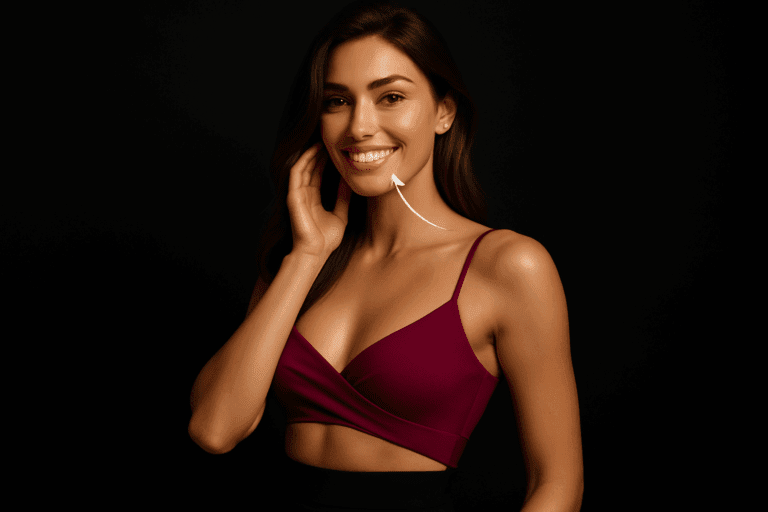
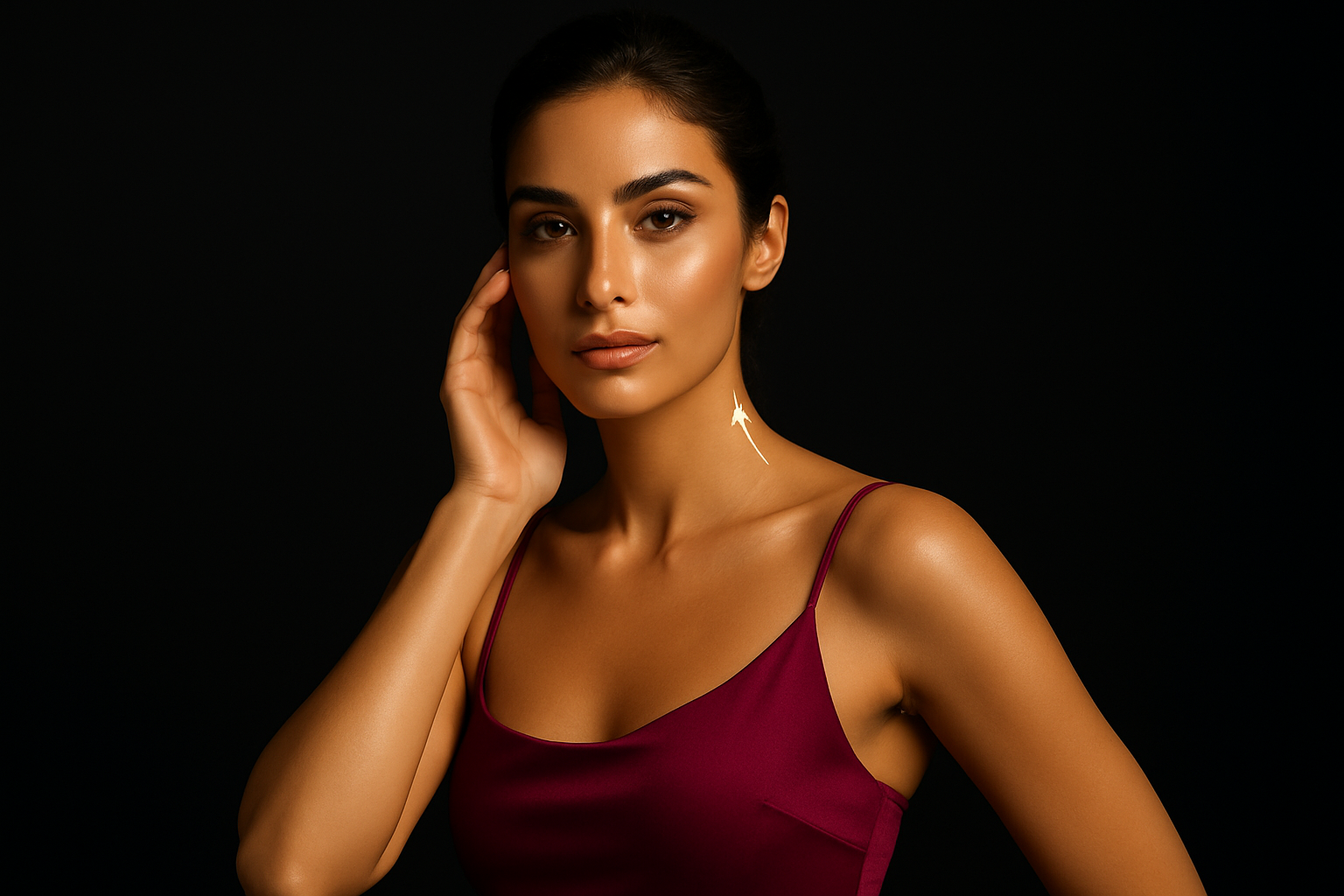
Facial aging is a complex biological process involving skin laxity, subcutaneous fat displacement, and structural breakdown of collagen and elastin fibers. While a full facial rejuvenation addresses the upper, mid, and lower facial zones simultaneously, many patients present with localized aging focused predominantly on the lower mid-face, jawline, and cheek regions. For these patients, a partial face lift offers a targeted, minimally invasive surgical solution that restores defined contours and youthful skin radiance without the extended operative time and recovery of traditional full rhytidectomy.
Table of Contents:
- Procedure & Treatment Overview
- Ideal Candidates & Medical Assessment
- Modern Surgical Techniques & Technologies
- Step-by-Step Procedure Process
- Recovery Timeline, Aftercare & Expected Results
- Global Cost & Destination Comparison (Turkey vs UK, USA, Germany, Thailand, India)
- 5-Day VIP Patient Journey in Istanbul
- Frequently Asked Questions (FAQ)
- Summary & Next Steps
At Health & Beauty Turkey, our board-certified plastic surgeons combine deep anatomical knowledge of the superficial musculoaponeurotic system (SMAS) with micro-incision surgical techniques. This authoritative guide provides clinical insights into candidate selection, modern surgical methods, post-operative care protocols, and international cost comparisons for patients seeking premium facial plastic surgery in Istanbul.
Quick Medical Facts Summary
| Procedure Duration | 1.5 to 2.5 hours |
|---|---|
| Hospital Stay | Overnight stay (1 night) or outpatient observation |
| Anesthesia Type | General anesthesia or deep intravenous sedation with local block |
| Recovery Time | Initial recovery in 7 to 10 days; full tissue maturation in 3 to 6 months |
| Surgical Approach | SMAS plication / minimal access cranial suspension (MACS) |
| Success Rate | Over 95% high patient satisfaction rate |
Procedure & Treatment Overview
A partial face lift, often clinically referred to as a mini facelift or mid-face elevation, is a precise cosmetic operation engineered to correct early to moderate sag in the mid-to-lower regions of the face. Unlike non-surgical interventions that offer temporary volume rebalancing, a partial facelift repositioning physically elevates sagging facial tissue and removes excess skin along discreet incision lines.
By targeting the lower cheeks, nasolabial folds, and marionette lines around the mouth, this procedure re-establishes a crisp, continuous jawline and restores the youthful high-cheek contour. In clinical practice, surgeons often combine this approach with a targeted neck lift in Turkey or periorbital procedures like a brow lift to maintain harmonic facial balance.
Ideal Candidates & Medical Assessment
Proper candidate selection is paramount to achieving natural, long-lasting aesthetic outcomes. Surgical assessment focuses on anatomical laxity rather than chronological age, though most candidates fall between 35 and 55 years of age.
- Anatomical Indication: Mild to moderate tissue ptosis localized to the mid-face and jawline with preserved cervical (neck) skin elasticity.
- Skin Quality: Adequate dermal elasticity capable of healthy adaptation after skin tensioning.
- Health Status: Non-smokers (or patients willing to cease smoking 4 weeks pre- and post-surgery) without unmanaged systemic conditions such as severe hypertension or blood dyscrasias.
- Realistic Expectations: Understanding that a partial face lift enhances natural facial architecture rather than fundamentally altering structural traits.
Patients seeking comprehensive upper facial elevation may also explore an endoscopic ponytail facelift in Turkey, whereas those requiring total neck and facial restructuring may be candidates for a complete multi-plane facelift procedure.
Modern Surgical Techniques & Technologies
Modern plastic surgery has moved away from historical skin-only pull techniques, which often resulted in a stretched or unnaturally tight appearance. Advanced deep-plane and SMAS-focused techniques ensure natural dynamics and durable results.
1. SMAS Plication and Imbrication
The Superficial Musculoaponeurotic System (SMAS) is the underlying muscular scaffold of the face. In a partial face lift, the surgeon elevates and repositioning the SMAS layer using structural sutures. Elevating the underlying muscular foundation relieves mechanical tension from the skin, resulting in invisible scars and soft, natural movement.
2. Minimal Access Cranial Suspension (MACS Lift)
The MACS technique utilizes a short pre-auricular incision hidden within the natural temporal hairline and ear creases. Vertical suspension loops secure the sagging facial fat pads and muscle layer directly back to their original anatomical position.
3. High-Definition Piezo & Electrosurgical Tools
Using refined micro-electrosurgical instruments and bipolar coagulation allows surgeons to perform delicate tissue dissection with minimal vascular disruption, significantly reducing post-operative bruising and swelling.
Step-by-Step Procedure Process
A partial face lift follows a structured surgical protocol designed for patient comfort and optimal healing:
- Anesthesia & Preparation: Administering general anesthesia or deep sedation alongside local infiltration of tumescent fluid for pain control and vascular constriction.
- Incision Design: Concealed incisions begin in the hair-bearing temporal region, extend downward in front of the ear within the tragal crease, and loop subtly around the earlobe.
- Muscular Layer Re-anchoring: Dissection down to the SMAS layer, followed by tensioning and vector elevation to restore mid-facial volume and define the mandibular margin.
- Skin Redraping & Excision: The skin is gently redraped over the restored structural foundation without excessive tension. Redundant skin is excised cleanly.
- Microsurgical Closure: Multi-layer suturing using ultra-fine, non-reactive suture materials prevents tension scarring and promotes optimal wound healing.
Recovery Timeline, Aftercare & Expected Results
Post-operative management is essential to secure flawless surgical outcomes and speed up tissue rehabilitation.
- Days 1 to 3: Moderate localized swelling and minor bruising. Facial supportive compression garments are worn continuously. Pain is mild and easily controlled with oral analgesics.
- Days 5 to 7: Pre-auricular sutures are evaluated and removed by the surgical team. Swelling begins to subside significantly, allowing patients to engage in light social activities.
- Weeks 2 to 3: Residual bruising fades completely. Most non-strenuous professional duties can be resumed. Patients who prefer non-surgical maintenance in early recovery may also discuss supportive therapies like a thread facelift for supplementary collagen stimulation.
- Months 3 to 6: Complete maturation of deep tissues and incision lines. Scar lines fade into natural skin folds, revealing an invigorated, youthful jawline and mid-face contour.
Global Cost & Destination Comparison (Turkey vs UK, USA, Germany, Thailand, India)
Turkey stands out as an international hub for high-end plastic surgery, combining elite medical talent, JCI-accredited facilities, and economic efficiency. The total package pricing structure eliminates hidden fees often encountered in Western medical systems.
| Destination | Average Cost (USD) | JCI Quality Accreditation | Travel & Access Convenience | All-Inclusive VIP Services |
|---|---|---|---|---|
| Turkey (Health Beauty Turkey) | $3,200 – $4,800 | World-Class Accredited Hospitals | Direct flights worldwide, simplified visas | Full VIP transfers, luxury hotel stay, 24/7 care |
| United Kingdom | $9,500 – $14,000 | NHS / Private Regulatory Bodies | Local access for UK residents | Rarely included; extra accommodation costs |
| United States | $12,000 – $18,000 | AAAASF / JCI Accredited | Domestic convenience for US residents | Not included; separate facility & surgeon fees |
| Germany | $8,500 – $13,500 | TÜV / ISO / National Standards | Central European access | Clinical care only; hotel/transfers extra |
| Thailand | $4,500 – $7,000 | JCI Accredited Facilities | Long travel distances from West | Variable depending on international agency |
| India | $3,000 – $5,000 | JCI / NABH Accredited | Long-haul travel requirements | Basic medical transfer options |
5-Day VIP Patient Journey in Istanbul
At Health & Beauty Turkey, we provide a seamless international patient experience engineered around medical excellence and stress-free comfort:
- Day 1: Arrival & VIP Transport: Private chauffeur pickup from Istanbul Airport, transfer to a 5-star partner hotel, and preliminary digital schedule overview.
- Day 2: In-Person Consultation & Surgery: Comprehensive physical evaluation, routine pre-operative blood panels, cardiac clearing, detailed surgical mapping, and execution of the partial face lift.
- Day 3: In-Hospital Rest & Monitoring: Post-operative nursing care, drain removal (if applicable), surgical dressing change, and initial recovery management in a private hospital suite.
- Day 4: Hotel Care & Recovery Walk: Discharge to the luxury hotel under medication protocols. Dedicated medical coordinators remain on standby for continuous post-operative support.
- Day 5: Final Check-up & Return Journey: In-clinic evaluation by the lead plastic surgeon, removal of superficial sutures, final aftercare instruction review, and private VIP transport to the airport for your flight home.
Frequently Asked Questions (FAQ)
How long do the results of a partial face lift last?
While no surgical procedure stops the biological aging process, a partial face lift turns back the clock by roughly 7 to 10 years. Because the underlying SMAS layer is structurally elevated, the longevity of results far exceeds non-surgical treatments.
Will there be visible surgical scars?
Incisions are placed inside natural skin folds surrounding the tragus of the ear and extending slightly into the temporal hairline. Once fully healed over 3 to 6 months, these surgical lines become nearly undetectable to the naked eye.
What is the difference between a partial face lift and a full facelift?
A partial face lift focuses specifically on early skin sag around the cheeks, jawline, and nasolabial folds using shorter incisions and less tissue detachment. A full facelift addresses severe global facial laxity, including deep structural sagging across the neck, forehead, and mid-face simultaneously.
Is a partial face lift painful?
The procedure is performed under general anesthesia or twilight sedation, rendering it pain-free. Post-operative discomfort is generally mild to moderate and is effectively managed with prescribed medication during the first few days.
Summary & Next Steps
A partial face lift in Turkey represents an exceptional synthesis of modern aesthetic engineering, minimal surgical invasion, and accessible high-end care. By restoring the foundational SMAS tissue layer, patients achieve natural structural elevation, refined jawline definition, and renewed facial vitality.
If you are ready to explore how a targeted partial facelift can restore your facial radiance, we invite you to connect with our medical team today. Our experts will review your anatomical photos and prepare a bespoke treatment plan tailored to your surgical goals.
Medical Disclaimer
The information provided in this article is strictly for educational purposes and does not constitute formal medical advice. Individual anatomical responses, recovery timelines, and surgical results vary per individual. A formal consultation with a licensed, board-certified plastic surgeon is required to establish candidancy and medical clearance for cosmetic surgery.
Related Articles: neck lift in Turkey | brow lift | ponytail facelift in Turkey | facelift procedure | thread facelift
References & Trusted Sources: National Institutes of Health (NIH) – Clinical Research | World Health Organization (WHO) – Health Guidelines | National Center for Biotechnology Information (NCBI / PubMed)