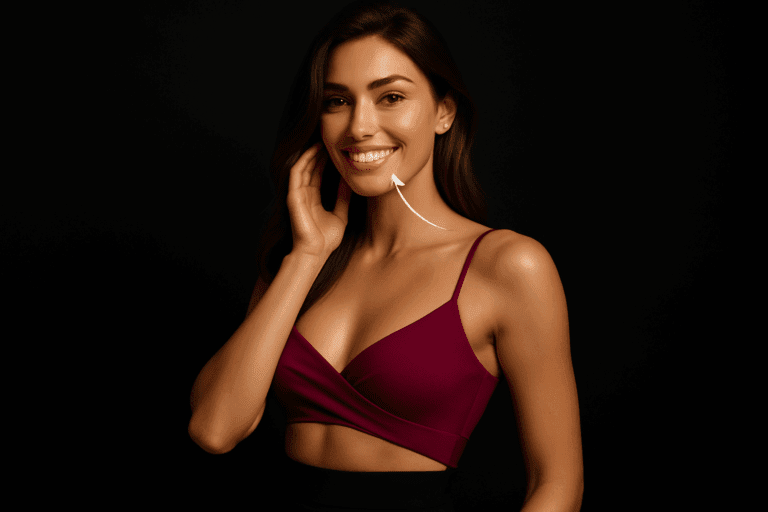
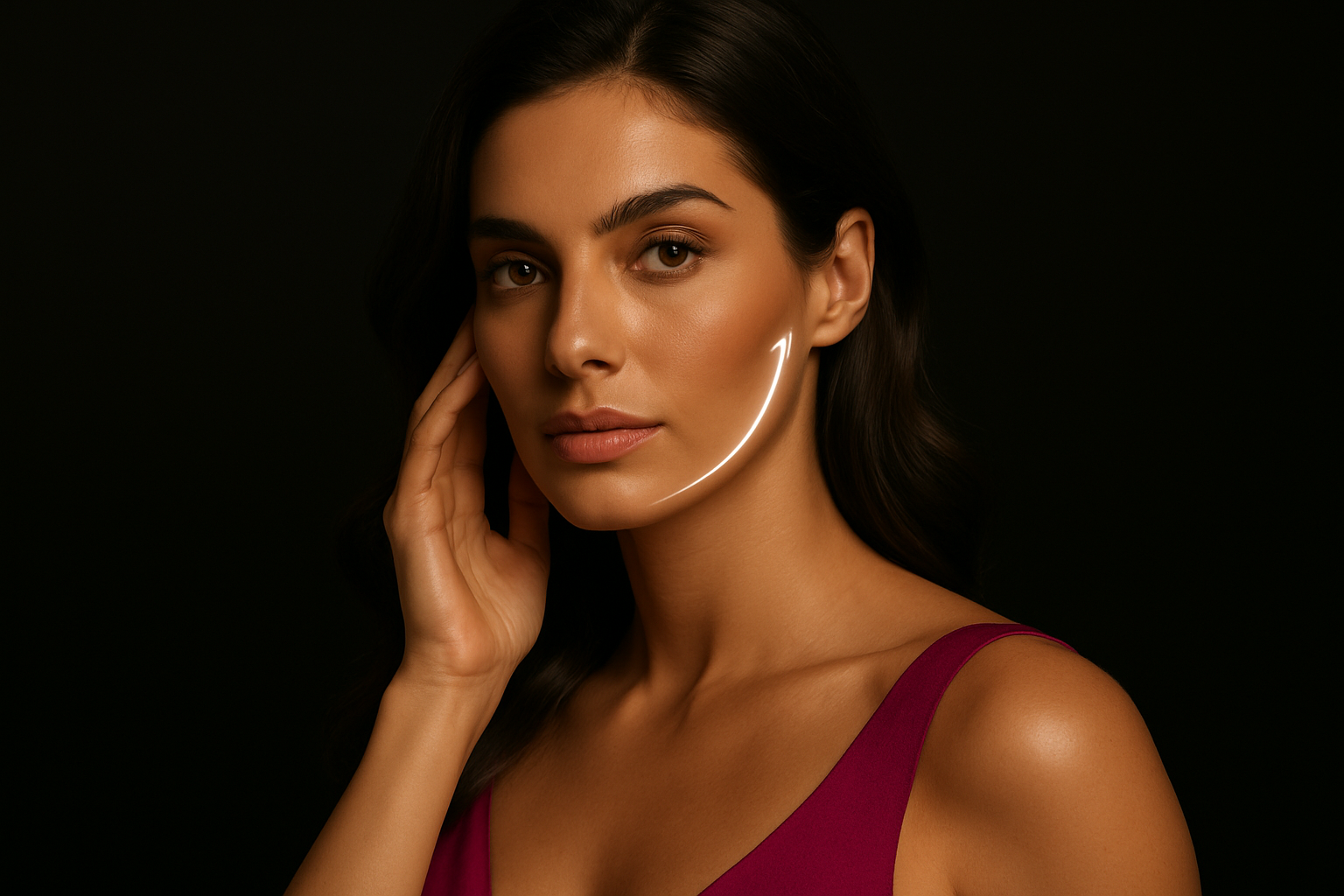
Facial aging is a complex biological process characterized by the gradual loss of skin elasticity, dermal collagen depletion, subcutaneous fat atrophy, and the gravitational descent of the Superficial Musculoaponeurotic System (SMAS). As these structural changes progress, individuals often notice deep nasolabial folds, pronounced jowls, loss of jawline definition, and laxity in the cervical (neck) region. While non-surgical modalities offer temporary cosmetic improvements, a surgical facelift in Turkey remains the gold standard for restoring harmonious, long-lasting facial youthfulness.
Table of Contents:
- Procedure & Treatment Overview
- Ideal Candidates & Medical Assessment
- Modern Surgical Techniques & Technologies
- Step-by-Step Procedure Process
- Recovery Timeline, Aftercare & Expected Results
- Global Cost & Destination Comparison
- 5-Day VIP Patient Journey in Istanbul
- Frequently Asked Questions (FAQ)
- Summary & Next Steps
Choosing to undergo facial rejuvenation abroad requires extensive clinical insight, surgical precision, and transparent operational protocols. At Health Beauty Turkey, our board-certified plastic surgeons combine deep anatomical knowledge with state-of-the-art aesthetic techniques to deliver natural, non-operated results tailored to each patient’s unique facial architecture.
| Procedure Name | Facelift (Rhytidectomy) |
|---|---|
| Average Surgery Duration | 3 to 5 Hours |
| Hospital Stay | 1 to 2 Nights |
| Recovery Time | 10 to 14 Days (Initial), 3 to 6 Months (Full) |
| Anesthesia Type | General Anesthesia |
| Success Rate | 98% Patient Satisfaction |
Procedure & Treatment Overview
A rhytidectomy, commonly known as a facelift, is a specialized surgical procedure designed to elevate and reposition displaced facial soft tissues, tighten underlying muscular structures, and remove excess cutaneous tissue. Rather than simply pulling the skin taut—which can lead to an unnatural, wind-blown appearance—modern aesthetic surgery focuses on deep-tissue restructuring.
By addressing the underlying SMAS layer and platysma muscle, surgeons achieve significant rejuvenation while preserving natural facial expressions. Many patients choose to combine their intervention with complementary procedures such as blepharoplasty (eyelid surgery), fat grafting, or neck lifting for complete facial harmony. If you wish to learn more about procedural details, explore our dedicated guide on surgical facelift in Turkey to understand how different surgical vectors yield optimal clinical outcomes.
Ideal Candidates & Medical Assessment
Determining candidacy for a facelift involves a thorough preoperative medical assessment. A suitable candidate is not defined strictly by age, but rather by anatomical presentation and physiological health.
- Moderate to Severe Tissue Sagging: Presence of distinct jowl formation, sagging midface tissues, or deep structural folds around the mouth and nose.
- Good Bone Structure & Elasticity: Adequate underlying skeletal framework and residual skin elasticity facilitate superior surgical draping and contour longevity.
- Overall Health Status: Patients must be free of unmanaged chronic conditions (such as uncontrolled hypertension or diabetes) that could impair wound healing.
- Non-Smokers: Nicotine severely compromises cutaneous microcirculation. Patients must abstain from tobacco for at least 4 weeks prior to and following surgery.
- Realistic Clinical Expectations: Understanding that surgery enhances natural features rather than creating complete facial transformation.
Prior to booking your journey, reviewing the essential facts before a facelift in Turkey ensures you are fully prepared for every step of the physical and psychological transformation.
Modern Surgical Techniques & Technologies
Surgical facial rejuvenation has evolved beyond traditional cutaneous redraping. Modern surgeons select techniques based on patient anatomy, tissue density, and aesthetic goals:
1. Deep Plane & SMAS Facelift
The Deep Plane and SMAS lifting techniques release the anchoring ligaments of the face, enabling the surgeon to lift deep muscle tissue and fat pads collectively. This eliminates tension on the superficial skin layers, ensuring concealed surgical scars and prolonged cosmetic durability lasting 10 to 15 years.
2. Mini Facelift & Endoscopic Lifts
For patients exhibiting mild to moderate midface descent with minimal cervical laxity, a mini facelift offers targeted rejuvenation through shorter periauricular incisions. For younger patients seeking subtle elevation of the lateral brows and cheeks, a ponytail facelift technique provides an effective, minimally invasive solution.
3. Non-Surgical Rejuvenation Alternatives
Patients displaying early signs of structural aging who are not yet candidates for open surgery may explore non-surgical interventions. Options such as thread facelift options provide temporary tissue elevation using biocompatible suspension threads with minimal downtime.
Step-by-Step Procedure Process
Understanding the clinical steps of a facelift helps alleviate patient anxiety and ensures a transparent treatment path:
- Step 1: Preoperative Mapping & Anesthesia: The surgical team performs precise surgical markings while the patient is upright. General anesthesia is administered by a senior anesthesiologist to guarantee complete intraoperative comfort.
- Step 2: Surgical Incisions: Incisions are strategically concealed within the natural contours of the hairline, continuing around the anterior border of the ear and behind the lobule into the posterior scalp.
- Step 3: SMAS Mobilization & Elevation: The deeper musculoaponeurotic layer is meticulously dissected, elevated superiorly and laterally, and anchored securely to the rigid deep fascia.
- Step 4: Hemostasis & Redraping: Meticulous bipolar cauterization ensures complete control of bleeding. The overlying skin is gently redraped without tension.
- Step 5: Excess Skin Excision & Fine Suturing: Redundant skin is excised precisely, and incisions are closed using delicate layered sutures to minimize postoperative scar formation. Surgical drains and light pressure dressings are applied.
Recovery Timeline, Aftercare & Expected Results
Postoperative care is critical to securing optimal cosmetic results and avoiding complications. Patients should expect a structured healing period:
- Days 1–3: Initial acute healing phase. Expect moderate facial edema (swelling) and mild ecchymosis (bruising). Drains are typically removed on Day 2. Pain is well controlled with prescribed analgesics.
- Week 1: Swelling reaches its peak and begins to subside. Facial compression garments must be worn continuously. Sutures are evaluated and partially removed by the medical team.
- Week 2: Most patients feel comfortable returning to light social activities and remote professional work. Residual bruising can be easily concealed with corrective makeup.
- Months 1–3: Deep tissue healing continues. Incision lines gradually mature from red to pink, soft tissue edema fully resolves, and final jawline and midface contours become visually apparent.
Global Cost & Destination Comparison
Turkey has established itself as a premier destination for plastic surgery by offering elite clinical care, accredited hospital infrastructure, and all-inclusive patient service models at competitive price points compared to Western nations.
| Destination / Criteria | Average Price Range (USD) | JCI Accredited Hospitals | Travel Convenience | All-Inclusive VIP Services |
|---|---|---|---|---|
| Turkey (Health Beauty Turkey) | $3,500 – $5,500 | Extensive / Top Tier | Excellent (Global Hub) | Included (Transfers, Hotel, Care) |
| United Kingdom | $10,000 – $16,000 | Variable | Local | Not Included |
| United States | $12,000 – $22,000 | High | Local | Not Included |
| Germany | $9,500 – $15,000 | High | Regional Hub | Rarely Included |
| Thailand | $5,000 – $8,000 | Moderate | Long-haul travel | Optional Add-ons |
| India | $3,200 – $5,000 | Moderate | Long-haul travel | Rarely Included |
5-Day VIP Patient Journey in Istanbul
We provide international patients with a seamless medical travel framework designed for maximum comfort, security, and clinical oversight:
- Day 1: VIP Arrival & Transfer: You are greeted at Istanbul Airport by your private chauffeur and transported to a luxury 5-star hotel to rest.
- Day 2: Consultation, Diagnostics & Surgery: Comprehensive preoperative blood tests and ECG are conducted at our JCI-accredited hospital. You review surgical goals with your lead surgeon before entering the operating suite.
- Day 3: In-Hospital Recovery & Monitoring: You remain under 24/7 specialized nursing observation. Your surgeon conducts postoperative rounds to inspect dressings and clear you for transfer to your hotel.
- Day 4: Rest, Hotel Care & Light Strolls: Dedicated medical coordinators check on your recovery. You can rest comfortably in your hotel while applying cold compresses as directed.
- Day 5: Final Evaluation & Return Preparation: You return to the hospital for wound inspection, removal of remaining fine sutures, and receiving tailored post-op aftercare instructions before heading to the airport.
Frequently Asked Questions (FAQ)
How long do the cosmetic results of a facelift last?
A deep plane or SMAS surgical facelift typically yields long-lasting results enduring between 10 to 15 years. While the procedure resets the aging clock significantly, natural biological aging continues over time.
Will surgical scars be visible after a facelift in Turkey?
Incisions are placed within natural anatomical boundaries, such as the temporal hairline and the natural creases surrounding the ear. Once fully matured over 6 to 12 months, scars fade into subtle lines that are hidden from view.
What is the difference between a full facelift and a mini facelift?
A full facelift addresses the upper midface, lower cheeks, jowls, and neck through comprehensive SMAS dissection. A mini facelift focuses primarily on early lower-face jowling using shorter incisions and less deep-tissue manipulation.
Summary & Next Steps
Restoring facial contours through surgical intervention is an effective investment in your personal self-confidence and physical appearance. A successful outcome relies on combining surgeon experience, precise surgical techniques, and strict adherence to postoperative recovery guidelines. To review broader perspectives on facial procedures, read our comprehensive facelift guide.
Our surgical consultants at Health Beauty Turkey are available to evaluate your medical history, analyze your facial structure through pre-consultation photography, and design a individualized treatment package. Reach out to our medical team today to schedule your complimentary video assessment.
Medical Disclaimer: The clinical information provided in this article is intended for educational purposes only and does not substitute for professional medical advice, diagnosis, or treatment. Surgical outcomes vary based on individual physiological factors. Always consult a qualified plastic surgeon prior to making medical decisions.
Related Articles: surgical facelift in Turkey | essential facts before a facelift in Turkey | ponytail facelift technique | thread facelift options | comprehensive facelift guide
References & Trusted Sources: National Institutes of Health (NIH) – Clinical Research | World Health Organization (WHO) – Health Guidelines | National Center for Biotechnology Information (NCBI / PubMed)