
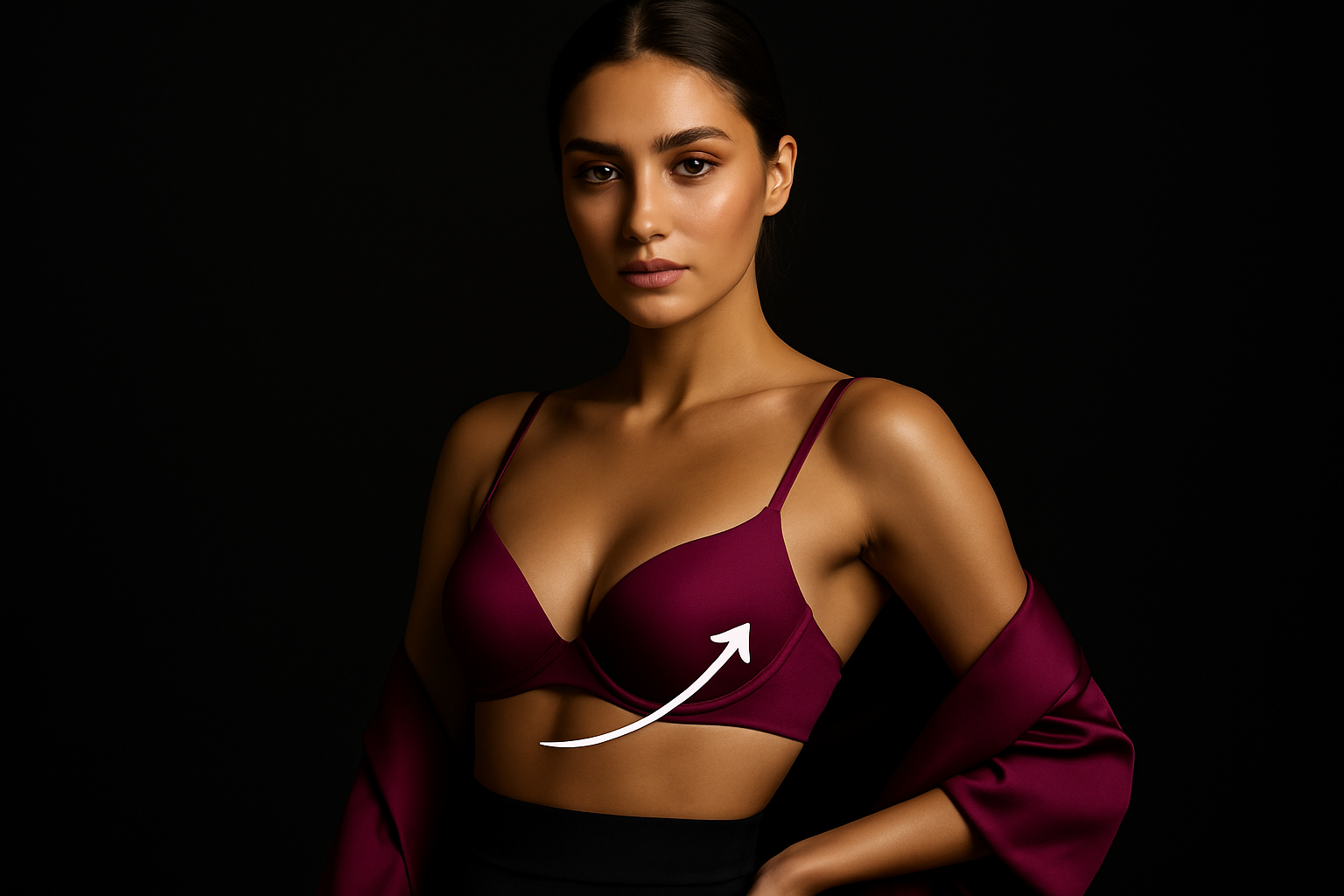
Breast augmentation remains one of the most performed aesthetic surgical procedures globally, delivering transformative results for countless women. However, breast implants are not lifetime devices. Over time, physical changes, mechanical wear, capsular contracture, or evolving aesthetic preferences may necessitate surgical intervention. Performing a breast implant revision requires an advanced surgical skill set far more complex than primary augmentation, requiring anatomical precision, customized scar management, and meticulous capsule management.
Table of Contents:
- Procedure & Treatment Overview
- Ideal Candidates & Medical Assessment
- Modern Surgical Techniques & Technologies
- Step-by-Step Procedure Process
- Recovery Timeline, Aftercare & Expected Results
- Global Cost & Destination Comparison (Turkey vs UK, USA, Germany, Thailand, India)
- 5-Day VIP Patient Journey in Istanbul
- Frequently Asked Questions (FAQ)
- Summary & Next Steps
Turkey has established itself as a global epicenter for complex aesthetic reconstructive surgery. With international accreditation standards, board-certified plastic surgeons, and state-of-the-art clinical infrastructure, corrective breast surgery in Istanbul offers patients a safe, reliable, and highly successful pathway to restore physical comfort and aesthetic symmetry.
Quick Medical Facts Summary
- Procedure Duration: 2 to 4 hours (depending on surgical complexity)
- Hospital Stay: 1 to 2 nights overnight observation
- Recovery Time: 1 to 2 weeks for initial return to work; 6 to 8 weeks for complete healing
- Anesthesia Type: General anesthesia
- Success Rate: Over 95% patient satisfaction when performed by expert plastic surgeons
Procedure & Treatment Overview
A breast implant revision is a secondary surgical procedure designed to replace, remove, or reposition existing breast implants, while frequently treating surrounding capsular tissue or skin laxity. Patients who underwent primary procedures years ago may experience tissue thinning, implant displacement, or mechanical deflation/rupture. Understanding the foundational principles of breast implants and breast augmentation in Turkey helps patients evaluate whether corrective surgery is required.
The secondary correction process addresses both cosmetic dissatisfaction and functional complications. Surgeons must carefully navigate existing scar tissue, evaluate the integrity of the pocket, and choose the correct corrective approach. Here are the 5 primary reasons patients elect to review and correct their implants in Turkey:
- Treatment of Capsular Contracture: The body naturally forms scar tissue around foreign objects. When this capsule hardens abnormally (Baker Grade III/IV), it causes tightness, pain, and visible distortion, requiring total or subtotal capsulectomy.
- Correction of Implant Malposition and Asymmetry: Implants may shift over time, leading to bottoming out, symmastia (implants touching in the center), or severe asymmetry. Addressing structural issues often requires re-pocketing or combining the procedure with breast asymmetry treatment in Turkey.
- Managing Implant Rupture or Deflation: Whether dealing with saline deflation or silent gel rupture in cohesive silicone implants, timely replacement is essential to maintain tissue integrity.
- Addressing Tissue Laxity and Ptosis: Changes in body weight, aging, or pregnancy can cause skin laxity around an implant. Corrective surgery often combines implant replacement with a mastopexy (breast lift) to address severe sag, detailed further in our guide to sagging breast treatment and causes in Turkey.
- Accessing Board-Certified Revision Specialists: Secondary breast surgery demands higher technical acumen than primary surgery. Turkey offers world-class reconstructive specialists utilizing high-definition imaging, micro-vascular techniques, and superior gel implants at an accessible price point.
Ideal Candidates & Medical Assessment
Determining candidacy for a breast implant revision involves a rigorous clinical evaluation. Unlike primary augmentation, secondary procedures require a thorough analysis of previous operative reports, soft tissue coverage, skin elasticity, and current implant integrity.
Ideal candidates for revision surgery include individuals experiencing:
- Physical discomfort, chronic tightness, or localized pain due to capsular contracture.
- Documented implant rupture, leakage, or rippling visible through thin soft tissue.
- Undesirable cosmetic shifts, such as implant displacement, high-riding implants, or bottoming out.
- Desire for a size change—either downsizing or upgrading to modern ergonomic gel cohesive implants.
- realistic anatomical expectations and sound overall physical health.
During the pre-operative consultation in Istanbul, high-resolution ultrasound or MRI studies are evaluated to assess the condition of the implant shell and surrounding capsule prior to making surgical incisions.
Modern Surgical Techniques & Technologies
Modern corrective breast surgery relies on advanced techniques designed to minimize tissue trauma and preserve vascular supply to the nipple-areolar complex. While non-surgical options are frequently discussed online—such as whether laser breast augmentation in Turkey is viable—true structural revision of implants requires open surgical mastery.
Capsulectomy vs. Capsulotomy
When capsular contracture is present, the surgeon must decide between scoring the capsule to expand the pocket (capsulotomy) or removing the capsule entirely (capsulectomy). Total en-bloc capsulectomy involves removing the implant and intact fibrous capsule together, preventing liquid silicone spread in cases of rupture.
Pocket Conversion and Matrix Support
If an implant has displaced due to broken lower-pole tissue, surgeons convert the pocket from subglandular (above the muscle) to dual-plane or submuscular (below the muscle). Acellular Dermal Matrix (ADM) or internal synthetic meshes may be used as an internal brassiere to secure the new implant in its optimal position.
Step-by-Step Procedure Process
- Pre-Operative Preparation: Patient evaluation, clinical imaging review, blood panel, and final surgical plan agreement under general anesthesia.
- Incision & Access: The surgeon typically utilizes previous scar lines (inframammary or periareolar) to avoid new visible scars.
- Exploration & Capsule Treatment: Careful access to the implant pocket, removal or release of the compromised implant, and execution of capsulectomy if indicated.
- Pocket Reconstruction: Suturing internal matrix, adjusting muscular planes, and preparing a stable pocket for the new device.
- New Implant Insertion: Placement of fresh FDA-approved cohesive gel silicone implants using sterile no-touch sleeves to minimize contamination risks.
- Closure & Drain Placement: Multi-layer anatomical closure with dissolvable sutures. Surgical drains may be placed temporarily to prevent fluid collection (seroma).
Recovery Timeline, Aftercare & Expected Results
Recovery from secondary breast surgery requires strict adherence to post-operative guidelines due to internal pocket reconstruction.
- Days 1-3: Mild to moderate discomfort managed with prescribed analgesics. Surgical drainage tubes, if placed, are usually removed before hospital discharge.
- Week 1: Initial follow-up visit. Soft surgical compression bra must be worn continuously to support the newly reconstructed pocket.
- Weeks 2-3: Swelling begins to subside. Daily light activities may resume, avoiding heavy lifting or upper-body strain.
- Weeks 4-6: Patients can gradually return to low-impact cardiovascular routines. For complete guidance on returning to fitness safely, review our resource on exercising safely after breast surgery in Turkey.
- Months 3-6: Final shape settles as internal tissues heal and implants settle into their natural position.
Global Cost & Destination Comparison (Turkey vs UK, USA, Germany, Thailand, India)
Navigating the global medical landscape reveals significant cost variations for revision surgery. Because secondary procedures require longer operative times and specialized expertise, prices in Western nations are often prohibitive. Turkey delivers exceptional clinical quality within an all-inclusive VIP framework.
To better understand pricing parameters, read detailed breakdowns on breast augmentation cost in Turkey.
| Destination | Average Cost (USD) | JCI Quality Accreditation | Travel Convenience | All-Inclusive VIP Care |
|---|---|---|---|---|
| Turkey (Health Beauty Turkey) | $3,500 – $5,200 | Yes (JCI Accredited Hospitals) | Excellent (Major Global Hub) | Included (Hotel, Transfers, Care) |
| United Kingdom | $9,500 – $14,000 | Variable (CQC) | Local for UK residents | Not Included (Outpocket extras) |
| United States | $11,000 – $18,000 | Variable (AAAHC/JCI) | Local for US residents | Not Included (High facility fees) |
| Germany | $8,500 – $13,000 | Yes (TÜV/ISO) | Good within Europe | Rarely Included |
| Thailand | $4,500 – $7,000 | Yes | Long travel time | Partially Included |
| India | $3,200 – $5,000 | Yes | Long travel time | Rarely Included |
5-Day VIP Patient Journey in Istanbul
Health Beauty Turkey manages every aspect of the patient journey to guarantee complete peace of mind, medical safety, and luxury throughout your clinical stay.
- Day 1: VIP Arrival & Luxury Transfer: Private VIP driver meets you at Istanbul Airport and transfers you to your 5-star hotel. Personal patient coordinator reviews your itinerary.
- Day 2: Clinical Consultation & Surgery: In-person evaluation with your chief plastic surgeon, blood tests, final surgical planning, and execution of the procedure under general anesthesia at a JCI-accredited hospital.
- Day 3: In-Hospital Recovery & Discharge: Post-operative nursing care, pain management, surgeon rounds, and safe transfer back to your luxury hotel upon clinical stability.
- Day 4: Rest, Recovery & Personal Assist: Peaceful recovery in your hotel with 24/7 dedicated medical support, light walking, and customized meal service.
- Day 5: Final Medical Evaluation & Return Home: Post-operative check-up, drain/dressing removal, prescription of home medications, provision of fit-to-fly certificate, and private transfer to the airport.
Frequently Asked Questions (FAQ)
How long after my initial surgery can I undergo breast implant revision?
Generally, it is recommended to wait at least 6 to 12 months after your primary breast surgery before performing a revision. This allows internal tissue healing to complete, inflammation to resolve, and the final anatomical outcome to stabilize, allowing your surgeon to accurately assess what corrective measures are required.
Is breast implant revision more painful than primary augmentation?
Pain levels vary depending on the extent of tissue reconstruction required. If a dual-plane muscle repositioning or total capsulectomy is performed, post-operative tightness may feel similar to or slightly higher than the initial surgery. However, modern multimodal pain management protocol ensures discomfort is fully managed throughout recovery.
Will my original surgical scars be reused?
In the vast majority of secondary cases, expert plastic surgeons make every effort to utilize existing scar pathways (inframammary fold or periareolar incisions) to avoid creating additional scarring on the breast tissue.
Summary & Next Steps
Correcting compromised, outdated, or aesthetically disappointing breast implants requires specialized medical proficiency. By choosing Turkey, patients benefit from world-renowned board-certified plastic surgeons, state-of-the-art accredited facilities, and comprehensive VIP care that simplifies the entire treatment process.
If you are experiencing implant complications, aesthetic changes, or capsular discomfort, take the first step toward restoring your anatomical comfort and confidence. We invite you to contact our clinical team today for a confidential, detailed online consultation and personalized medical treatment plan.
Medical Disclaimer: The information provided in this article is for educational purposes only and does not constitute formal medical advice. Individual surgical outcomes vary based on anatomical conditions, medical history, and compliance with post-operative care instructions. Always consult a qualified, board-certified plastic surgeon for individual diagnosis and treatment planning.
Related Articles: breast implants and breast augmentation in Turkey | breast asymmetry treatment in Turkey | sagging breast treatment and causes in Turkey | laser breast augmentation in Turkey | exercising safely after breast surgery in Turkey | breast augmentation cost in Turkey
References & Trusted Sources: National Institutes of Health (NIH) – Clinical Research | World Health Organization (WHO) – Health Guidelines | National Center for Biotechnology Information (NCBI / PubMed)