
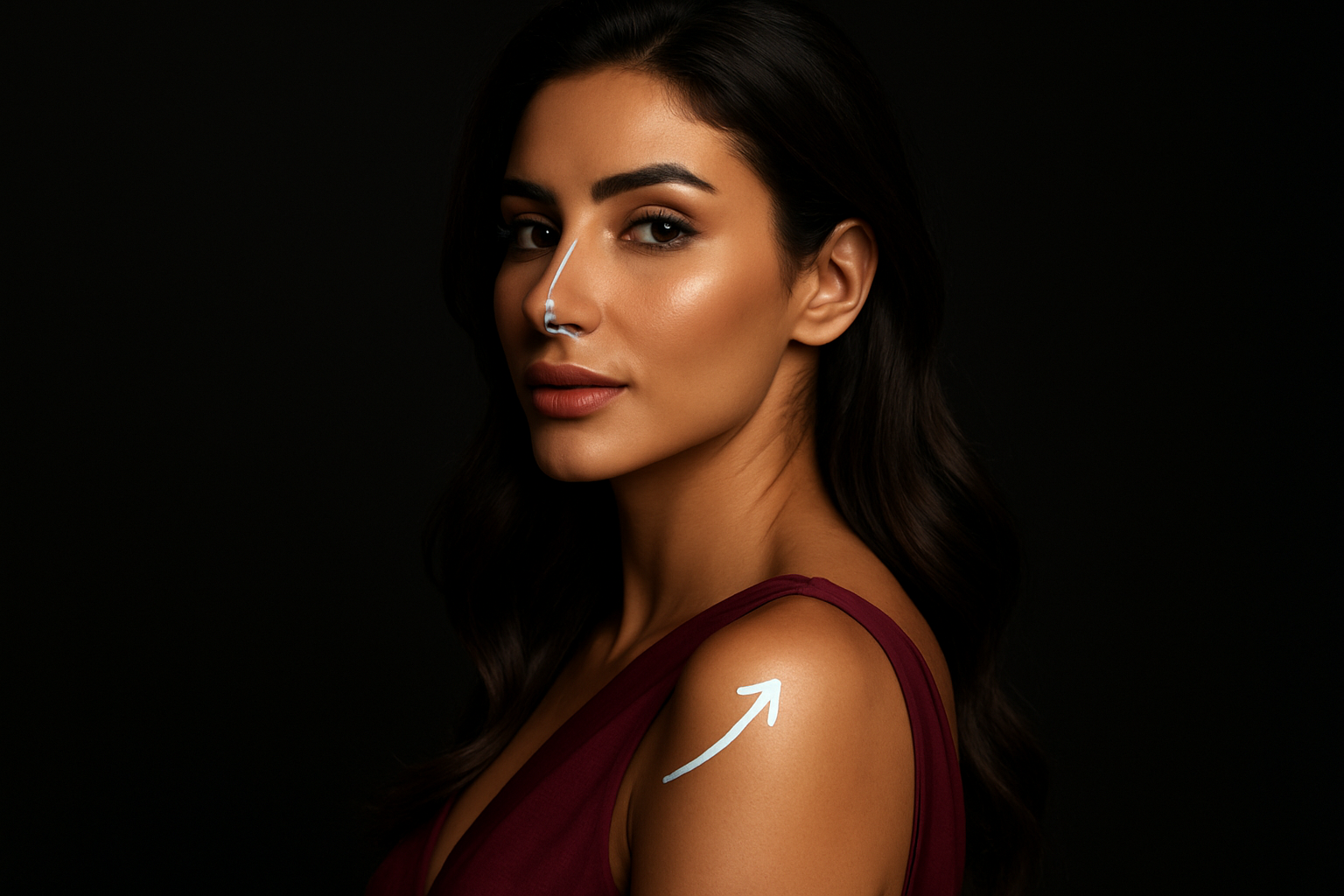
Rhinoplasty is widely considered one of the most complex procedures in aesthetic and reconstructive plastic surgery. While many primary operations yield gratifying outcomes, a subset of patients experience suboptimal aesthetic results, unexpected structural collapse, or persistent airway impairment. For these individuals, revision rhinoplasty offers a specialized surgical solution to restore both nasal function and facial harmony. Performing secondary nasal surgery demands an extraordinary level of surgical dexterity, a profound understanding of compromised tissue anatomy, and advanced structural grafting expertise. Turkey has established itself as an international center of excellence for secondary nasal reconstruction, attracting patients worldwide who seek elite surgical precision and comprehensive, patient-centered care.
Table of Contents:
- Procedure & Treatment Overview
- Ideal Candidates & Medical Assessment
- Modern Surgical Techniques & Technologies
- Step-by-Step Procedure Process
- Recovery Timeline, Aftercare & Expected Results
- Global Cost & Destination Comparison
- 5-Day VIP Patient Journey in Istanbul
- Frequently Asked Questions (FAQ)
- Summary & Next Steps
Quick Medical Facts Summary
- Procedure Duration: 3.5 to 5 hours (depending on surgical complexity and graft requirements)
- Hospital Stay: 1 overnight stay for continuous clinical monitoring
- Anesthesia Type: General anesthesia with advanced airway management
- Initial Recovery: 7 to 10 days for splint removal and return to non-strenuous work
- Final Result Timeline: 12 to 18 months for complete edema resolution and tissue stabilization
- Clinical Success Rate: Exceptionally high when performed by specialized revision rhinoplasty surgeons
Procedure & Treatment Overview
Revision rhinoplasty, often referred to as secondary rhinoplasty, is a corrective surgical intervention performed on a nose that has previously undergone one or more surgical procedures. Unlike initial nasal surgery, where the surgeon works with unaltered anatomical planes and predictable cartilaginous support, secondary surgery presents a challenging environment defined by altered tissue layers, surgical scar tissue, loss of native septal cartilage, and compromised structural integrity.
The objectives of secondary corrective surgery are dual-focused: functional restoration and aesthetic harmony. Functionally, the surgery aims to reconstruct obstructed internal and external nasal valves, realign a persistently deviated septum, and clear impaired airways to enable effortless nasal breathing. Aesthetically, the surgeon works to correct deformities such as pollybeak deformities, inverted-V deformities, pinched nasal tips, asymmetrical nostrils, or over-resected bridges. Achieving these goals often requires rebuilding the underlying framework using autologous cartilage grafts harvested from the nasal septum, ear concha, or costal (rib) cartilage.
Ideal Candidates & Medical Assessment
Determining candidate eligibility for secondary nasal reconstruction requires a meticulous clinical evaluation. Because secondary healing involves complex scar tissue dynamics, candidate selection is governed by strict physical and psychological criteria.
An ideal candidate for revision rhinoplasty typically exhibits one or more of the following clinical presentations:
- Persistent functional airway obstruction resulting from internal or external nasal valve collapse, residual septal deviation, or turbinate hypertrophy post-initial surgery.
- Visible aesthetic deformities resulting from excessive tissue resection (e.g., scooped bridge, pinched tip, alar retraction) or inadequate structural support.
- Asymmetry of the nasal tip, dorsum, or nostril base created by uneven cartilage healing or surgical miscalculation.
- Realistic expectations regarding surgical outcomes, recognizing that secondary surgery aims for significant improvement rather than absolute perfection.
- Complete physical healing from previous surgeries, generally requiring a minimum waiting period of 12 months from the most recent nasal procedure to allow mature scar tissue soften and tissue vascularity to normalize.
Patients who may not be suitable candidates include individuals with unmanaged systemic medical conditions, heavy active smokers unwilling to stop nicotine use during the perioperative window, or those presenting with unrealistically high expectations. In cases where minor surface irregularities exist without functional impairment, non-surgical rhinoplasty options may be discussed as alternative non-invasive approaches, provided the anatomical environment permits.
Modern Surgical Techniques & Technologies
Addressing a complex secondary nasal structure requires advanced surgical modalities designed to minimize trauma while offering maximum anatomical control. Surgeons specializing in corrective nose surgery in Turkey utilize modern tools and techniques to ensure structural stability and aesthetic precision.
1. Open Structural Rhinoplasty Approach
While closed approaches are suitable for minor adjustments, the open structural approach is the gold standard for revision procedures. A tiny inverted-V trans-columellar incision allows full elevation of the nasal skin-soft tissue envelope, offering complete direct visualization of structural defects, asymmetrical cartilages, and scar tissue patterns.
2. Piezoelectric Ultrasound Osteotomy
Traditional hammers and chisels can cause unpredictable bone fracturing and severe soft tissue trauma. Modern clinics utilize Piezoelectric ultrasonic instrumentation, which emits precise micro-vibrations to reshape or realign nasal bones with sub-millimeter precision without damaging overlying soft tissues, mucosal linings, or blood vessels. This dramatically reduces postoperative bruising and swelling.
3. Autologous Cartilage Reconstruction
When prior operations have over-resected native septal cartilage, donor cartilage must be harvested to reconstruct the structural framework:
- Ear (Conchal) Cartilage: Highly flexible and contoured, making it ideal for tip graft camouflage, alar rim batten grafts, and soft tissue cushioning.
- Costal (Rib) Cartilage: Provides strong, rigid structural support necessary for building extended spreader grafts, columellar struts, and dramatic dorsal augmentation in severely collapsed noses.
Step-by-Step Procedure Process
Undergoing secondary nasal surgery involves a highly organized clinical protocol designed to prioritize patient safety and anatomical precision at every phase.
Phase 1: Preoperative Evaluation and Diagnostic Imaging
Upon arrival at the clinical center, the patient undergoes high-resolution 3D CT scanning and nasal endoscopy. This allows the surgical team to evaluate internal septum availability, turbinate size, valve function, and sub-dermal scar density.
Phase 2: Surgical Planning & Anesthesia Administration
Under general anesthesia, the patient’s airway is protected while cardiovascular parameters are constantly monitored by board-certified anesthesiologists. The surgeon meticulously marks the planned skin incisions and donor cartilage sites.
Phase 3: Tissue Dissection and Scar Lysis
The surgeon elevates the skin flap carefully using high-magnification loupes to isolate delicate tissue layers from dense scar tissue. Meticulous scar lysis (release) is performed to free constricted cartilages and allow skin re-draping.
Phase 4: Structural Reconstruction and Grafting
Using autologous grafts harvested from the septum, ear, or rib, the surgeon rebuilds the central structural framework. Spreader grafts are placed to widen obstructed internal valves, a robust columellar strut restores tip projection and support, and precise tip grafts refine shape and symmetry.
Phase 5: Closure and External Splinting
Precise internal sutures secure the grafts in place. The columellar skin incision is closed with ultra-fine sutures to ensure minimal scarring. Internal silicone splints (Doyle splints) are placed to maintain airway patency and support the septum, followed by an external thermoplastic splint to secure the newly sculpted framework.
Recovery Timeline, Aftercare & Expected Results
Recovery from secondary nasal reconstruction requires patience and adherence to post-operative instructions, as scarred tissues retain swelling longer than unoperated tissues.
Post-Operative Recovery Timeline
- Days 1–3: Peak edema and mild facial bruising. Internal silicone splints allow continuous airway breathing. Daily wound care around the nostrils and donor sites is required.
- Day 7: External thermoplastic splint and columellar sutures are removed in clinic. Initial structural improvements are visible, though moderate tissue swelling remains.
- Weeks 2–4: Most superficial bruising resolves completely. Patients can resume light routine daily activities and return to desk jobs.
- Months 1–3: Deep edema begins to subside, particularly along the bony bridge. Tissue flexibility gradually improves. Non-contact physical exercise can be safely resumed.
- Months 12–18: Final resolution of sub-dermal swelling, especially around the thick skin of the nasal tip. Final structural definition, refined symmetry, and optimized airflow are fully realized.
Essential Aftercare Guidelines
To optimize healing and protect structural grafts, patients must adhere strictly to these postoperative protocols:
- Keep the head elevated at a 45-degree angle during sleep for the first three weeks to minimize localized fluid accumulation.
- Avoid wearing heavy eyeglasses or sunglasses directly on the nasal bridge for 8 to 12 weeks post-surgery.
- Refrain from blowing the nose forcefully; use prescribed saline nasal sprays to keep passages hydrated and clean.
- Avoid strenuous cardiovascular workouts, weightlifting, and bending forward for at least four weeks.
- Apply broad-spectrum SPF 50+ sunscreen daily to protect healed skin incisions from hyperpigmentation.
Global Cost & Destination Comparison
Choosing where to undergo secondary nasal reconstruction involves evaluating surgical expertise, hospital accreditations, and overall medical value. While standard primary rhinoplasty in Turkey offers substantial value, complex revisions demand high-tier surgical specialization. Turkey stands out internationally by combining top-tier reconstructive surgeons with all-inclusive medical packages at a fraction of Western costs.
| Destination / Parameter | Average Cost Range (USD) | JCI Hospital Quality Standard | Travel & Logistics Convenience | All-Inclusive VIP Services |
|---|---|---|---|---|
| Turkey (Health Beauty Turkey) | $3,500 – $6,500 | Exceeds International Standards (JCI Accredited) | Seamless VIP Transfers & Direct Flights | Included (5-Star Hotel, VIP Transport, Care Coordinator) |
| United Kingdom & USA | $14,000 – $28,000 | High Quality / Variable Standards | Domestic Travel / Local Logistics | Not Included (All Extras Billed Separately) |
| Germany | $10,000 – $18,000 | Strict European Clinical Standards | Central European Travel Hub | Rarely Included (Clinical Services Only) |
| Thailand | $5,000 – $9,000 | Good Tourist Clinical Infrastructure | Long-Haul Flight Duration | Optionally Available at Added Cost |
| India | $3,000 – $6,000 | Variable Regional Accreditations | Complex Visa & Flight Logistics | Limited VIP Accommodation Bundles |
5-Day VIP Patient Journey in Istanbul
At Health Beauty Turkey, we ensure every aspect of your medical journey is handled with exceptional professionalism and care. Our standardized 5-day itinerary ensures total safety, surgical excellence, and stress-free healing.
Day 1: VIP Arrival and Clinical Registration
Upon landing in Istanbul, your private VIP transport driver greets you at the airport and escorts you to your luxury 5-star hotel. You receive your detailed appointment schedule and meet your dedicated personal care coordinator.
Day 2: In-Depth Consultation, Diagnostics & Surgery
You are transferred to our JCI-accredited surgical hospital. You undergo comprehensive blood work, 3D imaging, and an in-person consultation with your reconstructive surgeon. Following final surgical planning and anesthesiology clearance, the procedure is performed. You spend the night in a private hospital room supported by specialized nursing staff.
Day 3: Hospital Discharge & VIP Hotel Transfer
Your operating surgeon conducts a morning clinical check. Once stable and comfortable, you are discharged with personalized medications, postoperative care kits, and detailed recovery instructions, then transferred back to your hotel to rest.
Day 4: Rest, Recovery, and Local Support
A relaxing recovery day at your 5-star hotel. Your personal patient coordinator remains on call 24/7 to address any post-operative questions and monitor your comfort levels.
Day 5: Splint Removal, Final Evaluation & Return Flight
You return to the clinic for splint removal, internal passage clearing, and a thorough final physical examination. Your surgeon reviews your long-term care protocol and provides formal medical clearance for your comfortable journey home.
Frequently Asked Questions (FAQ)
Why is revision rhinoplasty more complex than primary rhinoplasty?
Secondary procedures are inherently more complex due to altered anatomical landmarks, unpredictable scar tissue formation, compromised blood supply, and a loss of natural cartilage support from previous surgeries. Rebuilding a functional and aesthetically pleasing framework requires advanced surgical mastery and expertise in autologous grafting techniques.
How long must I wait after my first nose surgery before getting a revision?
Patients must wait at least 12 months following their most recent nasal surgery before undergoing a secondary procedure. This timeframe allows postoperative swelling to fully resolve, internal scar tissue to mature and soften, and the underlying framework to stabilize completely, ensuring an accurate evaluation of structural needs.
Will cartilage need to be taken from my ear or rib?
In cases where prior surgery has removed or damaged the septal cartilage, donor cartilage from the ear concha or rib (costal cartilage) is harvested to reconstruct the structural foundation of the nose. Your surgeon determines the precise graft source during your pre-operative evaluation based on the structural volume required.
Is secondary nasal surgery painful?
Revision rhinoplasty is performed under general anesthesia, ensuring you feel no pain during the operation. Postoperative discomfort is typically mild to moderate and easily managed with prescribed analgesics. Most patients report feeling pressure rather than sharp pain during the initial healing days.
Summary & Next Steps
Suboptimal outcomes from a previous nasal surgery can cause emotional distress and physical discomfort. Modern revision rhinoplasty offers a reliable pathway to correct functional impairment, rebuild collapsed structural support, and achieve refined, natural facial balance. Success relies heavily on selecting a skilled surgical specialist equipped to handle complex nasal anatomy.
If you are considering secondary corrective nose surgery, our expert clinical team is here to guide you through every step of your recovery journey. Contact Health Beauty Turkey today to request your personalized virtual consultation, receive a professional anatomical evaluation, and take the first step toward restoring both your confidence and health.
Medical Disclaimer: The medical information provided in this article is intended strictly for educational and informational purposes and does not constitute formal medical advice, diagnosis, or treatment. Individual surgical outcomes vary based on patient anatomy, surgical history, and post-operative care compliance. Always consult a qualified, board-certified plastic surgeon for individualized medical assessment and treatment recommendations.
Related Articles: primary rhinoplasty in Turkey | corrective nose surgery in Turkey | types of rhinoplasty procedures | non-surgical rhinoplasty options
References & Trusted Sources: National Institutes of Health (NIH) – Clinical Research | World Health Organization (WHO) – Health Guidelines | National Center for Biotechnology Information (NCBI / PubMed)