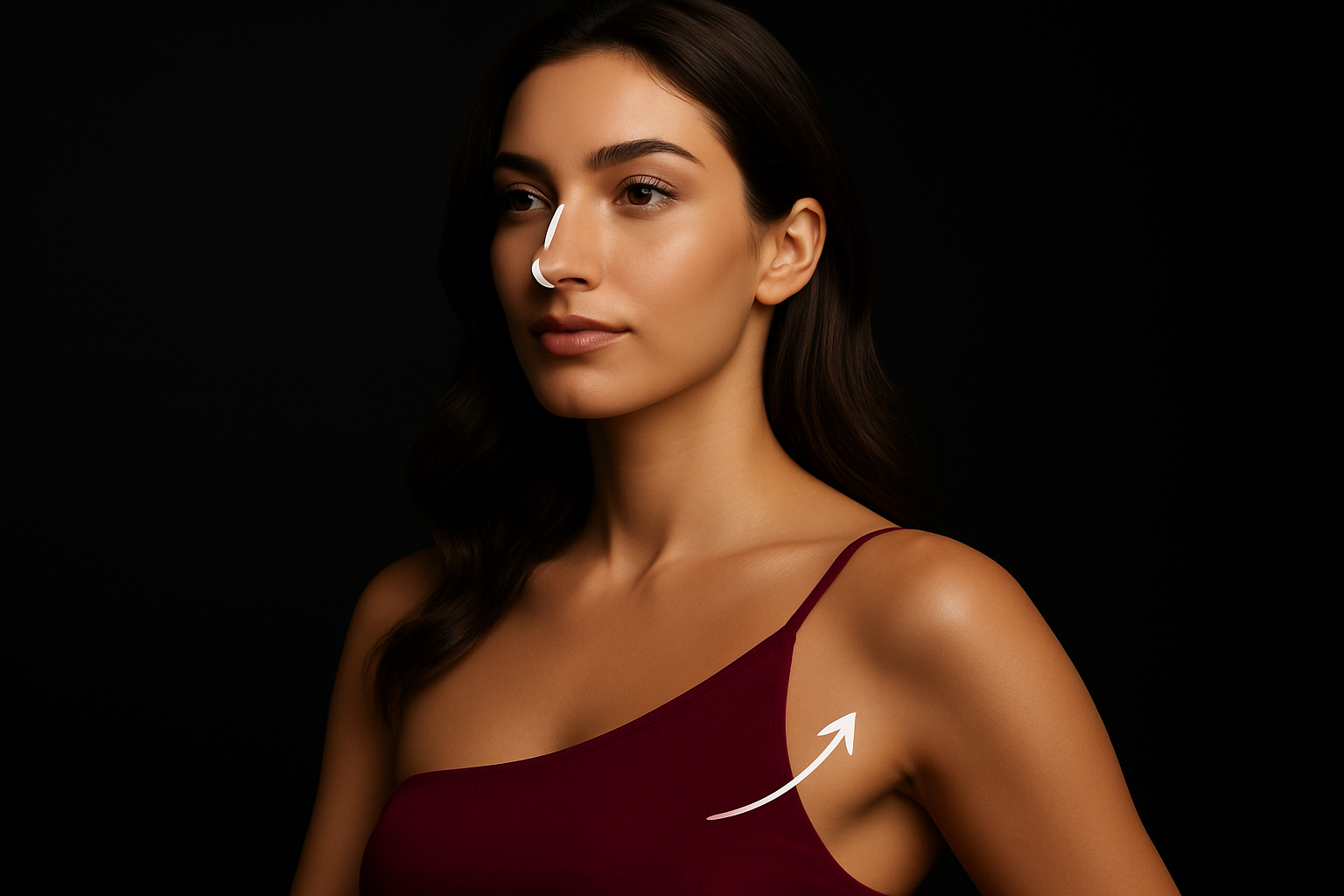
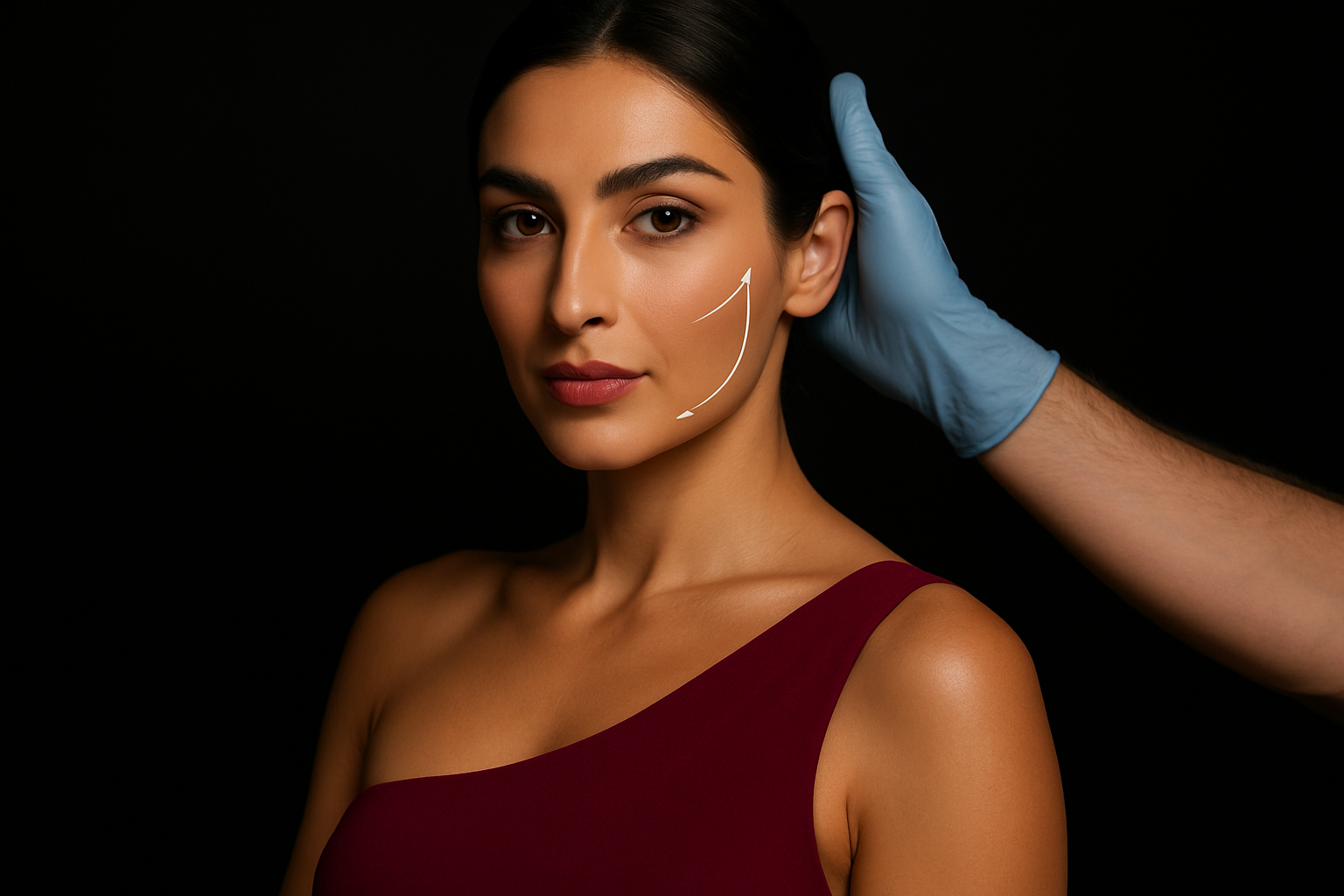
Facial reconstruction surgery represents one of the most intricate and transformative disciplines within modern plastic and reconstructive surgery. Designed to restore anatomical function, structural integrity, and aesthetic harmony, this specialized field addresses facial defects caused by traumatic injuries, tumor resections, congenital anomalies, or severe burns. Patients seeking facial reconstruction turkey benefit from world-class surgical expertise, state-of-the-art medical technology, and comprehensive post-operative care within internationally accredited clinical facilities.
Table of Contents:
- Quick Medical Facts Summary
- Procedure & Treatment Overview
- Ideal Candidates & Medical Assessment
- Modern Surgical Techniques & Technologies
- Step-by-Step Procedure Process
- Recovery Timeline, Aftercare & Expected Results
- Global Cost & Destination Comparison
- 5-Day VIP Patient Journey in Istanbul
- Frequently Asked Questions (FAQ)
- Summary & Next Steps
At Health Beauty Turkey, reconstructive surgeons utilize microvascular techniques, three-dimensional surgical planning, and precision cosmetic suturing to achieve natural aesthetic results while restoring vital facial functions such as mastication, speech, and facial expression.
Quick Medical Facts Summary
| Procedure Duration | 2 to 6 hours (varies according to complexity) |
|---|---|
| Hospital Stay | 1 to 3 nights inpatient care |
| Recovery Period | 2 to 4 weeks initial return; full maturation in 6 to 12 months |
| Anesthesia Type | General Anesthesia |
| Success Rate | Over 95% functional and aesthetic satisfaction |
Procedure & Treatment Overview
Facial reconstruction surgery encompasses a wide spectrum of advanced surgical interventions designed to repair soft tissue, bony structures, and cartilage frameworks of the head and neck. Unlike purely elective cosmetic operations, reconstructive procedures focus primarily on structural repair, tissue regeneration, and functional rehabilitation, while strictly adhering to refined aesthetic principles.
Depending on the extent of tissue loss or structural asymmetry, treatment plans may incorporate microvascular free flap transfer, local tissue rearrangement, osteotomies, or specialized bone and cartilage grafting. To understand the full scope of available interventions, patients often evaluate the primary types of reconstructive surgery in Turkey offered by board-certified plastic surgeons.
Ideal Candidates & Medical Assessment
Candidate selection for facial reconstruction surgery requires a detailed clinical evaluation, review of medical history, and comprehensive imaging assessments (such as high-resolution CT scans and 3D facial mapping). Ideal candidates include:
- Post-Trauma Patients: Individuals who have suffered facial fractures, soft tissue lacerations, or structural deformities following motor vehicle accidents, sports injuries, or physical trauma.
- Post-Oncological Patients: Patients requiring structural reconstruction following the surgical excision of skin cancers, sarcomas, or head and neck tumors.
- Congenital Condition Patients: Individuals born with vascular malformations, microtia, hemifacial microsomia, or cleft lip and palate conditions.
- Burn Trauma Survivors: Patients seeking relief from contracture scars, tissue distortion, and restricted facial movement caused by deep thermal injuries.
Modern Surgical Techniques & Technologies
Reconstructive surgery in Istanbul integrates advanced clinical technology to ensure surgical precision and optimal healing. Surgical innovations currently utilized include:
- 3D Surgical Simulation & Custom Implants: Patient-specific implants engineered using computer-aided design (CAD) allow exact bone contour matching for jaw, cheekbone, and orbital rim reconstruction.
- Microvascular Free Tissue Transfer: Harvesting autologous tissue (skin, fat, muscle, or bone) along with its blood vessels from donor sites (such as the forearm, anterolateral thigh, or fibula) to reconstruct extensive facial defects.
- Precision Micro-Suturing: Utilizing ultra-fine suture materials and specialized high-magnification surgical microscopes during cosmetic wound closure to minimize scar visibility and preserve delicate facial nerve branches.
- Cartilage & Bone Grafting: Structural rebuilding using cartilage harvested from the septum, ear, or ribs to reconstruct complex nasal and auricular frameworks.
Step-by-Step Procedure Process
Facial reconstruction procedures are systematically executed under general anesthesia according to individualized pre-operative surgical plans:
1. Pre-Operative Mapping & Anesthesia
The surgical team marks anatomical landmarks, vascular pathways, and incision lines. General anesthesia is administered by specialized cardiac and neuro-anesthesiologists to maintain hemodynamic stability throughout the operation.
2. Defect Preparation & Tissue Resection
Damaged or scar tissue is carefully excised, and bone fragments or native tissues are prepared to receive grafts or microvascular flaps.
3. Structural Alignment & Grafting
Bony frameworks are realigned and stabilized using titanium microplates and screws. Cartilage grafts are sculpted to restore contours. In combined functional-aesthetic cases, surgeons may integrate specialized procedures such as corrective nose surgery to improve airway patency alongside structural nasal reconstruction, or utilize chin silicone surgery to enhance mandibular symmetry.
4. Vascular Anastomosis & Soft Tissue Insetting
When free flaps are required, micro-surgeons connect microscopic donor blood vessels to neck vessel branches under operating microscopes, ensuring flap viability and healthy tissue perfusion.
5. Layered Closure & Dressing
Soft tissue layers are systematically sutured, tension-free skin closure is performed, and specialized compression or protective dressings are applied to limit post-operative edema.
Recovery Timeline, Aftercare & Expected Results
Recovery following facial reconstruction varies depending on surgical complexity and individual healing response. Adhering to medical aftercare instructions ensures optimal functional recovery and aesthetic refinement.
- Days 1–3: Inpatient clinical monitoring. Drainage tubes may be placed to reduce fluid accumulation. Swelling and bruising reach peak levels and are managed with elevated head positioning and intravenous anti-inflammatory medications.
- Week 1–2: External sutures are evaluated or removed. Swelling gradually subsides. Soft food diets are recommended if oral or jaw structures were involved in surgery.
- Month 1: Most non-strenuous daily activities and light work duties can be resumed. Initial structural contours become visible.
- Months 3–12: Internal tissues mature, surgical scars soften and fade, and nerve re-innervation occurs. Patients who require minor secondary adjustments to nasal contours may discuss revision rhinoplasty options after complete tissue healing. Patients seeking upper facial proportion adjustment may also explore forehead reduction procedures as part of broader facial balancing plans.
Global Cost & Destination Comparison
Turkey has become a leading international hub for reconstructive plastic surgery by combining elite medical expertise with highly competitive all-inclusive care packages.
| Destination / Country | Average Estimated Cost | JCI Quality Standard | Travel & Support Convenience | All-Inclusive VIP Care |
|---|---|---|---|---|
| Turkey (Health Beauty Turkey) | $3,500 – $8,500 | Internationally Accredited Facilities | High (Direct Flights, VIP Transfers) | Included (Hotel, Transfers, Care) |
| United Kingdom / USA | $15,000 – $35,000 | High Standard | Moderate (High Out-of-Pocket Costs) | Not Standard Practice |
| Germany | $12,000 – $25,000 | High Standard | Moderate | Rarely Included |
| Thailand | $6,000 – $12,000 | Accredited Hospitals | Long Travel Distance | Optional Add-on |
| India | $4,000 – $9,000 | Variable Accreditation | Long Travel Distance | Rarely Included |
5-Day VIP Patient Journey in Istanbul
Health Beauty Turkey manages every detail of international medical travel, providing a seamless patient experience from arrival to safe return home:
Day 1: VIP Arrival & Luxury Hotel Check-In
Upon arrival at Istanbul Airport, patients are greeted by a private VIP chauffeur and transferred to a premium partner hotel. A medical coordinator reviews the itinerary for the upcoming week.
Day 2: In-Person Consultation, 3D Scan & Surgery
The patient undergoes pre-operative blood panels, cardiac evaluation, and 3D radiological imaging. A comprehensive consultation takes place with the lead reconstructive surgeon. The surgery is performed in an accredited hospital under general anesthesia.
Day 3: Inpatient Observation & Nursing Support
The patient recovers in a private hospital suite under 24/7 specialized nursing care. The surgical team monitors flap perfusion, wound drainage, and pain management.
Day 4: Discharge & Hotel Recovery
Following clinical evaluation, the patient is discharged to their hotel room. A dedicated patient coordinator coordinates post-operative medication delivery and localized check-ins.
Day 5: Final Evaluation, Removal of Dressings & Departure
The patient meets the chief surgeon for final post-operative examination, wound dressing change, and clear home care instructions. VIP transfer service takes the patient directly to the airport for their return flight.
Frequently Asked Questions (FAQ)
Is facial reconstruction surgery safe in Turkey?
Yes. Reconstructive surgeries in Turkey are performed in JCI-accredited hospitals by board-certified plastic and reconstructive surgeons who adhere to international medical standards and strict clinical protocols.
How long will swelling and bruising last after surgery?
Major swelling and bruising peak within the first 48 to 72 hours and gradually decrease over 2 to 3 weeks. Subtle deep tissue swelling resolves fully over 6 to 12 months as scar tissue matures.
Will facial reconstruction leave noticeable scars?
Reconstructive surgeons utilize hidden incision placement (within hairline, natural facial creases, or oral cavity) and advanced micro-suturing techniques to minimize visible scar formation post-healing.
Can reconstructive surgery be combined with cosmetic procedures?
Yes. Many patients elect to combine structural functional reconstruction with complementary aesthetic refinements such as structural chin positioning, nasal contouring, or soft tissue lifting during the same operative session when clinically appropriate.
Summary & Next Steps
Facial reconstruction surgery goes beyond physical repair; it restores structural balance, tissue functionality, and personal self-confidence. With advanced microvascular technology, world-class clinical expertise, and comprehensive VIP care, Istanbul, Turkey provides an exceptional destination for international patients seeking transformative reconstructive care.
If you or a family member are considering reconstructive surgical options, reach out to our senior medical team today to receive a comprehensive, confidential clinical evaluation and customized treatment plan.
Medical Disclaimer: The information provided in this article is for educational and informational purposes only and does not constitute formal medical advice. Clinical outcomes vary based on individual physiological factors. A comprehensive personal consultation with a board-certified reconstructive surgeon is required to establish a proper diagnosis and surgical candidacy.
Related Articles: types of reconstructive surgery in Turkey | cosmetic wound closure | corrective nose surgery | chin silicone surgery | revision rhinoplasty | forehead reduction procedures
References & Trusted Sources: National Institutes of Health (NIH) – Clinical Research | World Health Organization (WHO) – Health Guidelines | National Center for Biotechnology Information (NCBI / PubMed)