
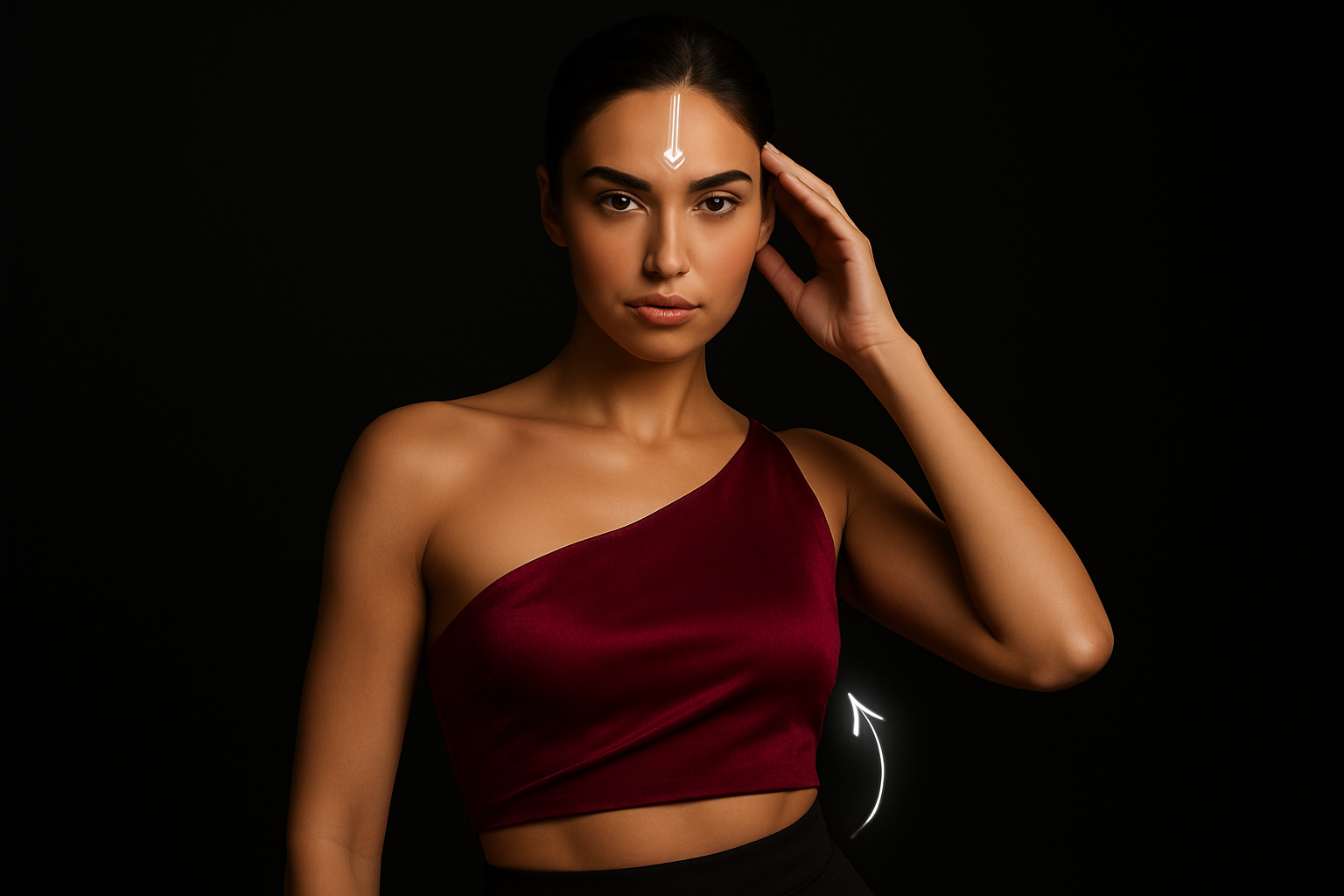
A high or overly prominent hairline can disrupt the natural proportions of the upper third of the face, affecting facial symmetry and self-confidence. For individuals seeking a more balanced aesthetic, hairline lowering—commonly known as forehead reduction surgery—offers a permanent, transformative solution. Turkey has emerged as an international leader in facial plastic surgery, combining elite surgical expertise, state-of-the-art medical technology, and all-inclusive international patient care. At Health Beauty Turkey, our board-certified surgeons meticulously tailor each forehead reduction procedure to restore facial harmony while preserving natural hair density and facial expression.
Table of Contents:
- Procedure & Treatment Overview
- Ideal Candidates & Medical Assessment
- Modern Surgical Techniques & Technologies
- Step-by-Step Procedure Process
- Recovery Timeline, Aftercare & Expected Results
- Global Cost & Destination Comparison
- 5-Day VIP Patient Journey in Istanbul
- Frequently Asked Questions (FAQ)
- Summary & Next Steps
| Procedure Duration | 1.5 to 2.5 hours |
|---|---|
| Hospital Stay | Overnight stay (1 night) |
| Recovery Time | 7 to 10 days for social activities; full maturation in 3 to 6 months |
| Anesthesia Type | General anesthesia or deep intravenous sedation |
| Clinical Success Rate | Exceeds 98% patient satisfaction |
Procedure & Treatment Overview
Forehead reduction surgery, medically termed surgical hairline lowering or forehead shortening, is a specialized cosmetic procedure designed to reduce the vertical distance between the upper eyebrows and the frontal hairline. By strategically removing a segment of non-hair-bearing forehead skin and advancing the scalp forward, surgeons can lower the hairline by 1.5 to 3 centimeters in a single surgical session.
Unlike hair transplantation, which requires months of follicle growth to yield visible density, surgical hairline lowering delivers immediate structural change. The procedure is designed to maintain a completely natural hairline shape, accommodating individual facial genetics and anatomical curves. In select cases, patients may combine hairline lowering with a custom brow lift or complementary procedures such as chin aesthetics to achieve comprehensive facial balance.
Ideal Candidates & Medical Assessment
Achieving optimal, long-lasting aesthetic outcomes requires a thorough clinical assessment by a specialized craniofacial or facial plastic surgeon. Ideal candidates for forehead reduction turkey generally meet the following medical criteria:
- Scalp Laxity: Sufficient scalp mobility is essential to allow the hair-bearing scalp to advance forward without excessive tension along the suture line.
- Stable Frontal Hairline: Candidates should possess a thick, high-density frontal hairline with no active progressive pattern hair loss.
- Proportional Upper Facial Third: Individuals whose upper facial third significantly exceeds the standard one-third proportional ratio of the face.
- Good General Health: Non-smokers or patients willing to cease smoking before and after surgery, free from chronic unmanaged medical conditions.
During the initial clinical consultation, our surgeons perform a rigorous physical examination, evaluating scalp elasticity, hair follicle angle, brow positioning, and underlying bone structure. For individuals requiring bone recontouring or experiencing complex structural imbalances, a broader approach involving facial reconstruction surgery may be discussed to refine overall facial architecture.
Modern Surgical Techniques & Technologies
Modern forehead reduction surgery utilizes micro-surgical precision to minimize visible scarring and preserve hair follicle integrity. The primary surgical methodology employed at Health Beauty Turkey involves trichophytic incision and multi-layer scalp advancement:
1. Irregular Trichophytic Incision
The incision is made along the edge of the frontal hairline using a specialized trichophytic technique. The blade is angled precisely beneath the hair shafts, allowing hair follicles located along the border to grow directly through the eventual fine surgical scar. Over time, this makes the surgical line virtually undetectable, even when the hair is pulled back tightly.
2. Scalp Mobilization & Galeal Flap Release
The surgeon carefully frees the scalp layer (galea aponeurotica) from the underlying pericranium across the top of the skull. This mobilization relieves tension, permitting the hair-bearing skin to glide forward comfortably to its new, lower position.
3. Tension-Free Fixation & Closure
To eliminate surface tension and prevent scar stretching, bio-absorbable tissue anchors or deep galeal sutures are used to fix the advanced scalp directly to the cranial periosteum. The skin edges are then meticulously approximated using fine, delicate sutures.
For patients who prefer non-surgical or minimally invasive alternatives due to mild hairline elevation, advanced cosmetic options such as forehead reduction with threads can be evaluated during the consultation phase.
Step-by-Step Procedure Process
Executing a successful hairline lowering procedure follows a meticulous, standardized surgical workflow:
- Pre-Operative Planning & Hairline Design: Prior to entering the operating room, the chief plastic surgeon collaborates with the patient to mark the proposed new hairline, ensuring total mathematical and aesthetic symmetry.
- Anesthesia Administration: The patient is rendered completely comfortable under general anesthesia managed by a dedicated anesthesiologist.
- Incising & Tissue Resection: The precise irregular trichophytic incision is made, and the planned strip of forehead skin is excised.
- Undermining & Advancing: The scalp tissue is mobilized backward to the crown area to ensure smooth, uninhibited forward movement.
- Internal Fixation: Deep structural anchoring secures the advanced scalp into its permanent position, relieving strain from the skin margins.
- Layered Closure & Dressing: Delicate skin closure is performed, followed by the placement of a protective, sterile compression bandage.
Recovery Timeline, Aftercare & Expected Results
Understanding the post-operative recovery timeline is essential for a stress-free patient experience. Most patients report minimal discomfort, which is effectively managed with standard prescribed analgesics.
- Days 1-3: Mild swelling and localized bruising around the forehead and upper eye area may occur. The compression bandage is typically removed or refreshed on the second day.
- Days 7-10: Fine facial sutures are carefully removed in the clinic. Patients are generally ready to resume light daily activities and return to non-strenuous work.
- Weeks 2-4: Residual swelling subsides completely. Minor temporary numbness along the frontal scalp is normal and gradually resolves as microscopic nerves regenerate.
- Months 3-6: New hair begins to grow directly through the trichophytic scar line, rendering the incision virtually hidden. Final surgical contours settle into permanent position.
Adhering strictly to aftercare instructions—such as keeping the head elevated while sleeping, avoiding strenuous exercise for three weeks, and avoiding harsh hair treatments for six weeks—ensures optimal surgical healing and scar refinement.
Global Cost & Destination Comparison
Turkey has become the top global destination for high-end facial surgery due to its state-of-the-art accredited hospitals, experienced surgical specialists, and all-inclusive international care packages. Choosing forehead reduction surgery in Turkey allows patients to receive world-class care at significantly lower costs than in Western nations.
| Country | Average Cost (USD) | JCI Accreditation Standards | Travel & Care Package | Patient Experience |
|---|---|---|---|---|
| Turkey (Health Beauty Turkey) | $2,500 – $4,000 | World-Class Accredited Facilities | VIP Transfers, 5-Star Hotel, Personal Translator Included | All-Inclusive Luxury & Specialized Care |
| United Kingdom | $8,000 – $12,000 | Standard NHS/Private | Hospital Fee Only; Excludes Accommodation & Transit | High Medical Costs, Clinical Atmosphere |
| United States | $9,000 – $15,000 | JCI / AAAASF Standard | Procedure Only; Separate Anesthesia & Facility Fees | Extremely Cost-Prohibitive |
| Germany | $7,500 – $11,000 | EU National Standards | Standard Hospital Stay Only | Strict Regulations, High Costs |
| Thailand | $4,000 – $6,500 | Select JCI Facilities | Varies; Frequently Requires Independent Booking | Good Quality, Distance Concerns |
| India | $3,000 – $5,000 | Select JCI Facilities | Basic Travel Support | Variable Standards across Clinics |
5-Day VIP Patient Journey in Istanbul
Health Beauty Turkey offers a seamless, stress-free medical tourism experience. Our 5-day structured itinerary ensures complete clinical oversight and luxurious comfort from arrival to departure:
- Day 1: VIP Arrival & Private Transfer
Upon arrival at Istanbul Airport, a private VIP driver greets you and escorts you to your luxury 5-star hotel. Our multi-lingual patient coordinator assists with check-in and reviews your upcoming itinerary. - Day 2: Clinical Assessment & Surgery
You are transferred to our JCI-accredited surgical center for pre-operative blood panels, cardiac evaluation, and an in-depth surgical consultation with your plastic surgeon. The hairline reduction surgery is performed under general anesthesia, followed by an overnight stay in a private hospital suite. - Day 3: Discharge & Initial Rest
Following a comprehensive morning ward round and surgeon evaluation, you are discharged to your hotel with prescribed medications, specialized hair washing products, and detailed written aftercare guidance. - Day 4: Rest & Private Istanbul Experience
A designated day for relaxation in your luxury hotel. Patients may enjoy light local sightseeing or rest comfortably while our medical team remains in constant communication via dedicated personal coordinators. - Day 5: Final Check-up & Safe Return Flight
You return to the clinic for incision inspection, suture evaluation, and final medical clearance. Your private driver then transfers you to the airport for your homeward flight with complete post-discharge instructions.
Frequently Asked Questions (FAQ)
Is forehead reduction surgery permanent?
Yes. Forehead reduction surgery permanently lowers the hairline by excising the non-hair-bearing skin layer and advancing the scalp. The structural results do not revert over time.
Will there be a visible scar after hairline lowering?
By employing an advanced irregular trichophytic incision technique, hair follicles are preserved beneath the incision margin. As healing progresses, natural hair grows directly through the incision line, making the fine surgical scar virtually imperceptible once fully mature.
How does forehead reduction compare to hair transplantation?
Forehead reduction lowers the hairline in a single 2-hour surgical procedure with immediate visual density. Hair transplantation requires harvesting individual follicles from the donor area and planting them along the hairline, which can take 9 to 12 months to yield full density and may require multiple sessions for dense cover.
Can forehead reduction be combined with a brow lift?
Yes. Many patients elect to perform a brow lift simultaneously during forehead reduction surgery. Using the same hairline incision, the surgeon can elevate sagging eyebrows and smooth upper forehead creases without creating additional surgical marks.
Summary & Next Steps
Forehead reduction surgery offers a highly effective, permanent solution for individuals looking to balance high hairline proportions and restore facial harmony. By combining advanced trichophytic surgical precision with luxury international patient care, Health Beauty Turkey delivers exceptional natural aesthetic outcomes in a safe, accredited clinical setting.
If you are considering surgical hairline lowering, we invite you to reach out to our expert medical team today to request a complimentary virtual consultation and personal surgical assessment.
Medical Disclaimer: The medical information provided in this article is strictly for educational purposes and does not substitute for professional medical advice, diagnosis, or treatment. Always consult a board-certified plastic surgeon or qualified healthcare provider regarding any specific medical condition or planned surgical procedure.
Related Articles: chin aesthetics | facial reconstruction surgery | forehead reduction with threads | forehead reduction surgery in Turkey
References & Trusted Sources: National Institutes of Health (NIH) – Clinical Research | World Health Organization (WHO) – Health Guidelines | National Center for Biotechnology Information (NCBI / PubMed)