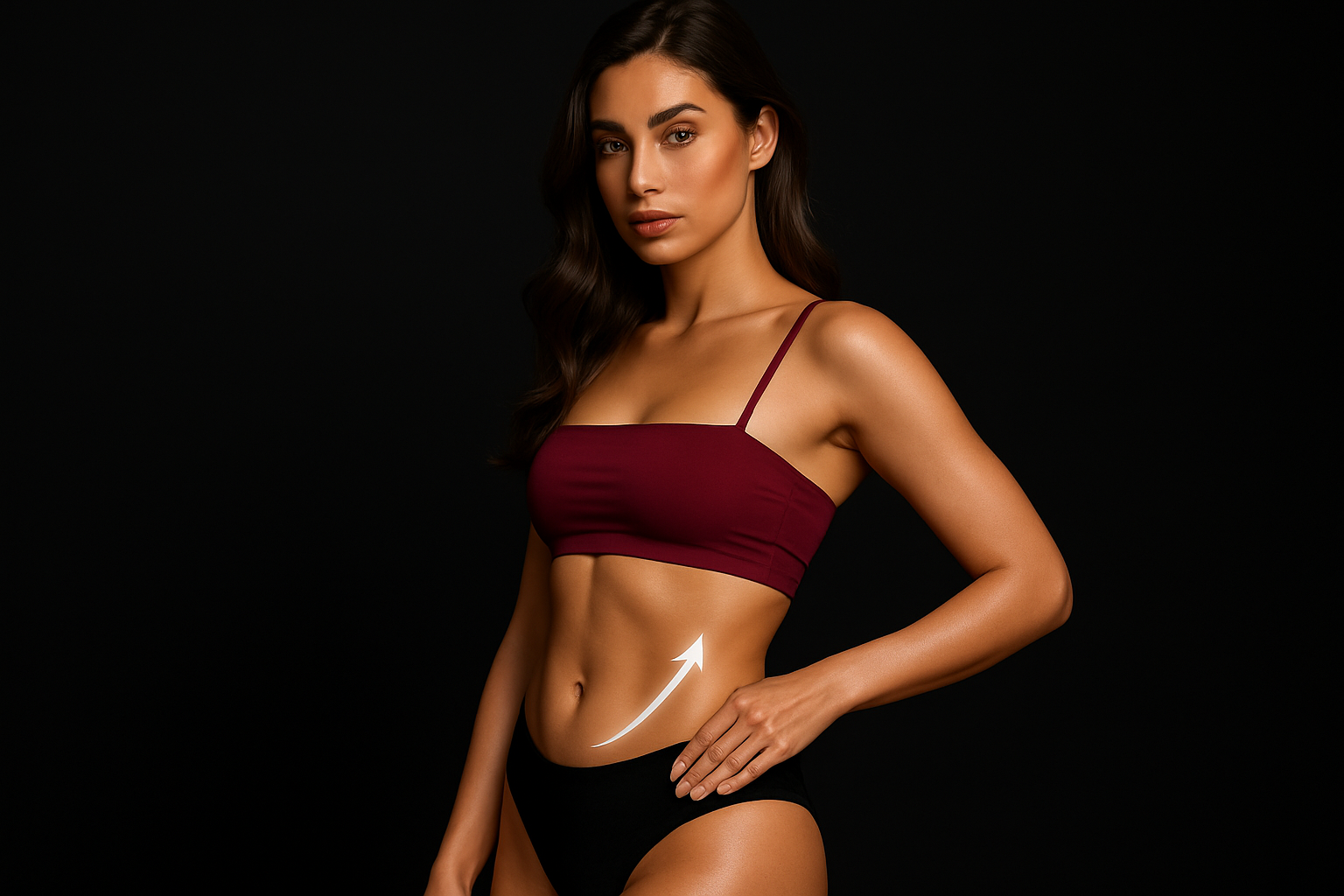
A sharp loss of tissue elasticity, persistent skin laxity, and abdominal muscle separation (diastasis recti) present significant anatomical challenges that standard diet and resistance training cannot resolve. For individuals affected by pregnancy, significant weight fluctuations, or natural physiological aging, surgical intervention remains the definitive solution to restore a firm, aesthetically proportioned midsection. A tummy tuck turkey—medically termed abdominoplasty—combines high-precision surgical excision with structural muscle reinforcement to recreate a tight, contoured abdominal profile.
Table of Contents:
- Procedure & Treatment Overview
- Ideal Candidates & Medical Assessment
- Modern Surgical Techniques & Technologies
- Step-by-Step Procedure Process
- Recovery Timeline, Aftercare & Expected Results
- Global Cost & Destination Comparison
- 5-Day VIP Patient Journey in Istanbul
- Frequently Asked Questions (FAQ)
- Summary & Next Steps
International patients seeking cosmetic plastic surgery increasingly choose Istanbul, Turkey, due to its world-class surgical facilities, board-certified plastic surgeons, and holistic patient management protocols. At Health & Beauty Turkey, we integrate rigorous pre-operative clinical evaluation, cutting-edge surgical techniques, and bespoke post-operative care to deliver natural, long-lasting structural outcomes.
Quick Medical Facts Summary
- Procedure Duration: 2.5 to 4 hours (depending on complexity and combined procedures)
- Hospital Stay: 1 to 2 nights in a JCI-accredited facility
- Anesthesia Type: General anesthesia with multi-layer nerve block monitoring
- Initial Recovery: 10 to 14 days for light activities
- Compression Garment Wear: 6 weeks continuously
- Clinical Success Rate: Over 98% patient satisfaction rate globally
Procedure & Treatment Overview
Abdominoplasty is an invasive body contouring surgery designed to reconstruct the anterior abdominal wall. Unlike superficial procedures, a surgical tummy tuck addresses three distinct anatomical layers: the skin envelope, the subcutaneous adipose layer, and the underlying muscular aponeurotic system.
During a classic full tummy tuck, the surgeon executes a horizontal incision just above the pubic line, extending toward the pelvic bones. The skin and subcutaneous fat are carefully elevated off the underlying rectus abdominis muscles up to the costal margin. The stretched or separated rectus muscles are then sutured along the midline—a process known as muscle plication—effectively tightening the internal abdominal wall, narrowing the waistline, and flattening the belly profile. Excess skin and adipose tissue are excised, and the navel (umbilicus) is artistically repositioned to maintain natural proportional beauty.
For patients considering different anatomical approaches, understanding the surgical scope is crucial. If your primary concern is isolated to localized fat deposition without significant muscle diastasis, comparing a tummy tuck vs. liposuction is an essential pre-consultation step.
Ideal Candidates & Medical Assessment
Patient selection is the primary determinant of surgical safety and high aesthetic outcomes. An ideal candidate for a tummy tuck in Turkey must undergo a thorough medical evaluation prior to surgical confirmation.
Clinical Indications for Abdominoplasty:
- Diastasis Recti: Separation of the left and right rectus abdominis muscles resulting from intra-abdominal pressure during pregnancy or weight gain.
- Severe Redundant Skin: Apron-like excess skin hanging over the pubic region (panniculus) after bariatric surgery or massive weight loss.
- Post-Childbirth Tissue Alterations: Stubborn abdominal lower pouch skin and stretch marks resistant to non-surgical treatments. A dedicated postpartum tummy tuck addresses these structural changes effectively.
- Unresponsive Adipose Deposits: Deep localized visceral and subcutaneous abdominal fat pockets.
Surgical Candidacy Criteria:
- Body Mass Index (BMI) below 30-32 (stable weight for at least 3 to 6 months).
- Non-smoker or willing to cease smoking at least 4 weeks pre- and post-surgery to ensure proper microvascular tissue perfusion and skin healing.
- Good overall systemic health without unmanaged cardiovascular, pulmonary, or metabolic conditions.
- Realistic aesthetic expectations regarding permanent scarring and surgical healing timelines.
Modern Surgical Techniques & Technologies
Cosmetic plastic surgery has evolved beyond standard excision. Modern surgical techniques allow board-certified plastic surgeons in Turkey to deliver highly customized results tailored to each patient’s unique anatomy.
Depending on the clinical assessment, your surgeon may recommend one of several types of tummy tuck surgeries:
1. Full (Standard) Abdominoplasty
Focuses on the entire abdominal expanse, from the upper ribcage down to the pubic bone. It includes full internal rectus muscle plication, extensive skin resection, and umbilicoplasty (repositioning of the belly button).
2. Mini Tummy Tuck
Designed for patients with mild to moderate skin laxity and tissue weakness restricted entirely below the navel. A mini tummy tuck in Turkey utilizes a significantly smaller horizontal scar, requires no transposition of the navel, and offers a shorter overall recovery period.
3. Extended & Fleur-de-Lis Abdominoplasty
Ideal for post-bariatric patients who have lost substantial weight. The extended procedure wraps around the flanks and lower back to contour the waistline, while the Fleur-de-Lis technique adds a vertical incision along the midline to eliminate severe horizontal tissue redundancy.
4. High-Definition Lipotuck (VASER Integration)
Modern abdominoplasty frequently incorporates ultrasound-assisted VASER liposuction. This technology liquifies subcutaneous fat prior to extraction, allowing the surgeon to sculpt the abdominal muscle lines (linea alba and linea semilunaris) for an athletic, defined result while safeguarding crucial blood vessels.
Step-by-Step Procedure Process
Understanding the surgical workflow helps reduce patient anxiety and prepares you for a smooth clinical journey:
- Pre-Operative Clearance: Detailed blood analysis, electrocardiogram (ECG), chest X-ray, and anesthesiology evaluation on the day before surgery.
- Surgical Marking & Anesthesia: Precise pre-operative markings drawn on the standing patient. General anesthesia is administered alongside localized intercostal nerve blocks for post-operative pain control.
- Incision & Tissue Dissection: Surgical incision hidden within the lower underwear line. The abdominal flap is carefully elevated.
- Muscular Wall Reconstruction: Deep muscular plication performed with durable, non-absorbable sutures to repair diastasis recti and narrow the waistline.
- Flap Trimming & Umbilicoplasty: The skin flap is pulled downward, excess tissue is excised, and a natural, oval-shaped umbilical opening is created.
- Closure & Drain Placement: Surgical sites are closed in multiple structural layers using continuous absorbable sutures. Fluid drains may be placed to prevent seroma formation before sterile dressings and a specialized compression garment are applied.
Recovery Timeline, Aftercare & Expected Results
Post-operative recovery is a dynamic physiological process that requires patient compliance to ensure optimal healing and long-term aesthetic outcomes.
- Days 1–3 (Hospital & Initial Rest): Patient stays in a JCI-accredited hospital under continuous nursing monitoring. Early ambulation (walking while slightly bent at the waist) is encouraged to prevent deep vein thrombosis (DVT).
- Week 1 (Home/Hotel Recovery): Mild to moderate swelling, tightness, and bruising are normal. Pain is managed effectively with oral analgesics. Surgical drains, if placed, are typically removed within 3 to 7 days.
- Weeks 2–3 (Return to Light Activities): Most international patients can comfortably travel back home and resume non-strenuous, desk-based work. Post-operative posture normalizes as tissue tension adapts.
- Weeks 4–6 (Structural Stabilization): Continuous compression garment wear is stepped down as advised by your surgeon. Light cardiovascular exercises can be resumed, avoiding heavy lifting or direct core strain.
- Months 3–12 (Final Maturation): Residual swelling fully resolves, revealing the defined abdominal contour. Incision lines gradually fade from red to pale tissue over 12 to 18 months with proper scar management protocols (silicone gels, laser therapy).
Global Cost & Destination Comparison
Turkey has firmly established itself as a premier destination for high-caliber medical tourism, providing world-class surgical expertise at competitive prices compared to Western nations.
| Destination / Parameter | Average Cost (USD / EUR) | JCI Hospital Accreditation | All-Inclusive VIP Care | Travel & Logistics Convenience |
|---|---|---|---|---|
| Turkey (Health & Beauty Turkey) | €3,200 – €4,800 | Standard across top facilities | Included (VIP Transfer, 5-Star Hotel, Caretaker) | Exceptional (Hub for international flights) |
| United Kingdom | £8,500 – £14,000 | Varies by private facility | Not Included (Extra charges per service) | Local, high living costs |
| United States | $9,000 – $18,000 | Standard in major centers | Not Included (Surgeon, facility, anesthesia billed separately) | Varies significantly by state |
| Germany | €7,500 – €12,000 | Standard across Europe | Rarely Included | Moderate European transit |
| Thailand / India | $4,000 – $7,000 | Available in major cities | Selectively Included | Long-haul travel for Western patients |
5-Day VIP Patient Journey in Istanbul
At Health & Beauty Turkey, we organize your entire treatment pathway to eliminate travel stress and ensure complete medical focus:
- Day 1: VIP Arrival & Private Transport: You are greeted at Istanbul Airport by your private chauffeur and transported to your luxury 5-star hotel in a high-end VIP vehicle.
- Day 2: Clinical Consultation, Pre-Op & Surgery: Detailed face-to-face evaluation with your lead plastic surgeon, complete lab testing, and the performance of your abdominoplasty procedure in an accredited hospital facility.
- Day 3: In-Hospital Monitoring & Recovery: Dedicated 24/7 nursing care, pain management, soft mobilization, and surgical evaluation within your private hospital suite.
- Day 4: Discharge to VIP Hotel & Rest: Final hospital discharge checks, prescription delivery, transfer back to your hotel for quiet rest, and continuous digital monitoring by our medical coordinators.
- Day 5: Follow-Up Examination & Fit-to-Fly Clearance: Comprehensive physical inspection by your surgeon, removal of surgical dressings/drains if applicable, scar care instruction, and provision of your official fit-to-fly certificate before your VIP return transfer.
Frequently Asked Questions (FAQ)
How long will the abdominoplasty scar take to fade?
The incision for a tummy tuck is positioned low on the abdomen, easily hidden beneath standard swimwear and underwear lines. While permanent, the scar undergoes natural maturation: it matures from a reddish color into a faint, soft line between 12 and 18 months post-surgery. Proper post-operative scar therapies significantly enhance the final appearance.
Can I get pregnant after having a tummy tuck in Turkey?
Yes. A tummy tuck does not affect your reproductive organs or future fertility. However, a subsequent pregnancy will stretch the tightened abdominal skin and underlying repaired muscles, potentially altering the aesthetic results of the procedure. It is generally advised to undergo abdominoplasty after you have completed your family plans.
What is the difference between a tummy tuck and liposuction?
Liposuction strictly extracts localized subcutaneous fat deposits without addressing excess skin or lax underlying muscles. Conversely, a tummy tuck removes redundant hanging skin, repairs separated abdominal muscles (diastasis recti), and re-contours the entire midsection. Plastic surgeons often combine both techniques into a single procedure for comprehensive anatomical remodeling.
Is undergoing a tummy tuck in Turkey safe for international patients?
When performed by a board-certified, experienced plastic surgeon in an internationally accredited (JCI or Ministry of Health certified) hospital, a tummy tuck in Turkey adheres to the exact safety and hygiene protocols found in top European and American surgical centers. Our comprehensive care model ensures medical supervision throughout your journey.
Summary & Next Steps
Achieving a contoured, flat, and anatomically balanced abdomen requires refined surgical expertise and structural intervention. A tummy tuck turkey delivers complete anatomical restoration for individuals suffering from postpartum abdominal wall weakness, post-weight-loss skin laxity, or deep muscle separation.
By choosing Health & Beauty Turkey, you gain access to internationally certified plastic surgeons, state-of-the-art hospital technology, transparent pricing structures, and an all-inclusive VIP patient experience designed for your complete physical and emotional well-being.
We invite you to contact our expert clinical consulting team today to schedule your private, virtual medical assessment and begin your personalized transformation journey.
Medical Disclaimer: The clinical information provided in this guide is for educational and informational purposes only and does not constitute formal medical advice, diagnosis, or treatment plans. A personal physical consultation with a board-certified plastic surgeon is required to determine individual candidacy, procedural techniques, and specific risk assessments prior to undergoing surgical abdominoplasty.
Related Articles: tummy tuck vs. liposuction | postpartum tummy tuck | types of tummy tuck surgeries | mini tummy tuck in Turkey
References & Trusted Sources: National Institutes of Health (NIH) – Clinical Research | World Health Organization (WHO) – Health Guidelines | National Center for Biotechnology Information (NCBI / PubMed)