
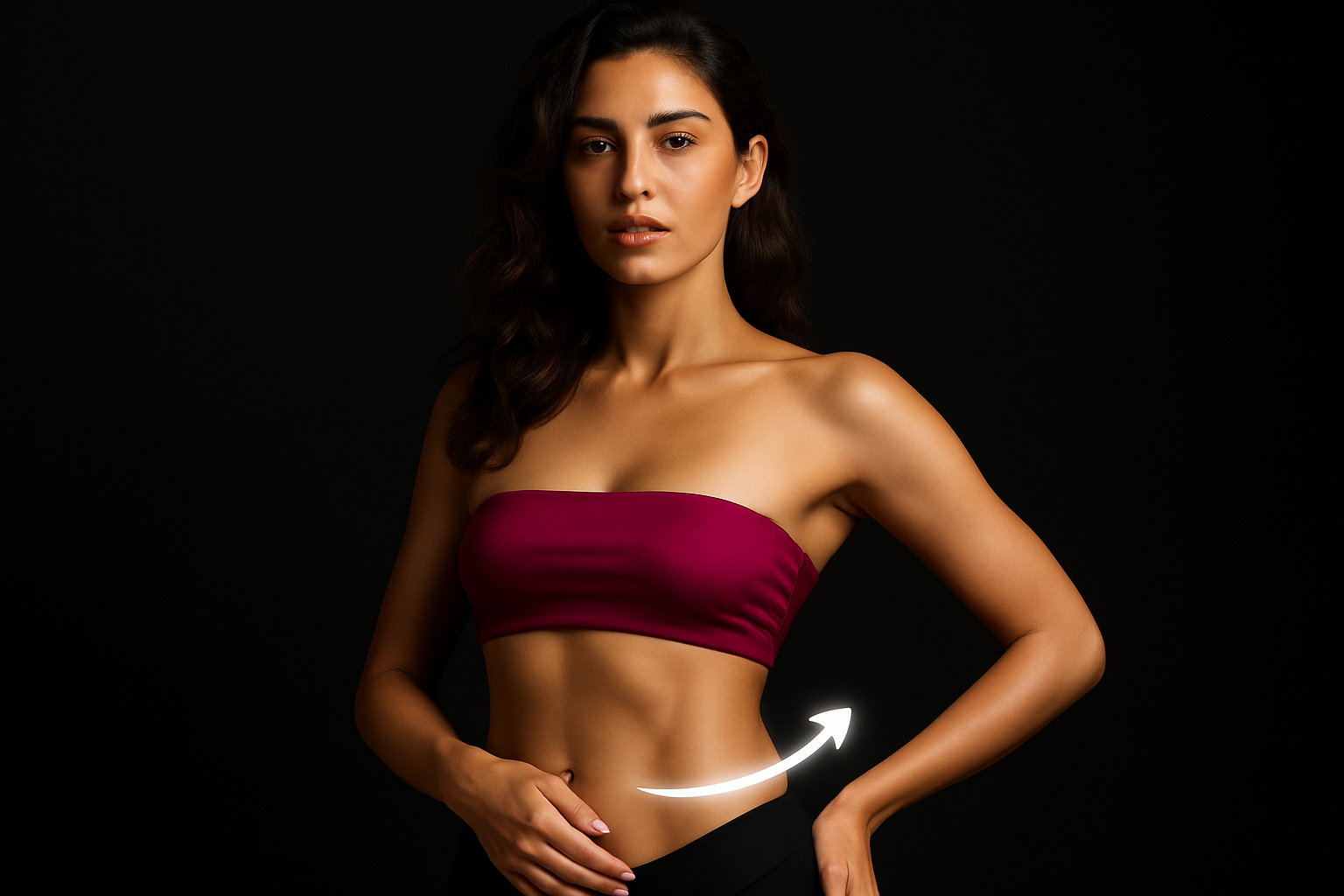
A decision to undergo abdominoplasty, commonly known as a tummy tuck, is one of the most transformative steps an individual can take toward restoring anatomical core stability and body contour. Dramatic weight fluctuations, multiple pregnancies, genetic skin laxity, and natural aging processes often leave behind stubborn abdominal excess that cannot be resolved through rigorous exercise or optimized clinical nutrition alone. Selecting a tummy tuck turkey experience provides patients with access to world-class board-certified plastic surgeons, state-of-the-art surgical facilities in Istanbul, and comprehensive all-inclusive patient care.
Table of Contents:
- Procedure & Treatment Overview
- Ideal Candidates & Medical Assessment
- Modern Surgical Techniques & Technologies
- Step-by-Step Procedure Process
- Recovery Timeline, Aftercare & Expected Results
- Global Cost & Destination Comparison (Turkey vs UK, USA, Germany, Thailand, India)
- 5-Day VIP Patient Journey in Istanbul
- Frequently Asked Questions (FAQ)
- Summary & Next Steps
Understanding the surgical pathway, anatomical repair mechanisms, and post-operative recovery protocol allows patients to approach their surgical transformation with absolute clarity and peace of mind. For many, undergoing tummy tuck and abdominoplasty in Turkey offers a harmonious blend of surgical precision and world-renowned hospitality, leading to exceptional functional and aesthetic outcomes.
| Procedure Duration | 2.5 to 4.5 Hours |
|---|---|
| Hospital Stay | 1 to 2 Nights (Inpatient Monitoring) |
| Anesthesia Type | General Anesthesia |
| Initial Recovery | 10 to 14 Days (Light Activities) |
| Full Surgical Recovery | 6 to 8 Weeks |
| Clinical Success Rate | Over 98% |
Procedure & Treatment Overview
Abdominoplasty is a specialized plastic surgery procedure designed to address three primary clinical issues: excessive cutaneous skin laxity, localized subcutaneous adipose deposits, and rectus diastasis (the separation of the abdominal wall muscles). During the procedure, the surgeon makes a precise horizontal incision within the lower bikini line, elevates the skin-fat flap up to the costal margin, repair the underlying musculature, and removes the redundant tissue.
Depending on the patient’s anatomical structure and aesthetic goals, undergoing a tummy tuck in Turkey for body contouring can dramatically flatten the abdomen, narrow the waistline, and eliminate stretched, damaged skin. By incorporating modern techniques, surgeons refine the waistline while ensuring natural positioning of the umbilicus (belly button).
Ideal Candidates & Medical Assessment
Not every patient requiring abdominal refinement needs the same surgical intervention. A clinical assessment by a board-certified surgeon is paramount to determine patient candidacy and safety.
- Stable Body Weight: Candidates should be at or near their target weight (BMI typically under 30-32) for at least three to six months prior to surgery.
- Post-Partum Women: Women who have completed childbearing and suffer from persistent rectus diastasis or stretched skin.
- Post-Bariatric Patients: Individuals who have experienced massive weight loss and are left with loose, hanging abdominal panniculus.
- Non-Smokers: Patients must abstain from nicotine products for at least 4 weeks before and after surgery to ensure optimal microvascular wound healing.
- Good General Health: Absence of unmanaged chronic medical conditions such as uncontrolled diabetes or severe cardiovascular disorders.
Patients with minor skin laxity localized exclusively below the navel may qualify for mini tummy tuck ideal candidates criteria, which involves a shorter incision and no umbilical transposition. Conversely, patients seeking non-surgical skin tightening without muscle repair might explore non-surgical tummy tuck options.
Modern Surgical Techniques & Technologies
Plastic surgery in Turkey utilizes cutting-edge techniques to maximize safety, minimize scar visibility, and deliver high-definition contouring. When evaluating your surgical plan, your surgeon will discuss the primary modalities:
- High-Lateral Tension Abdominoplasty: Tension is directed laterally toward the hips rather than strictly downward, preserving central skin mobility and preventing unnatural pulled appearances.
- Lipo-Abdominoplasty (HD Lipo + Tummy Tuck): Combines extensive VASER ultrasound liposuction with muscle plication. This technique sculpts the flanks, defines abdominal shadows, and creates a athletic, contoured silhouette.
- Progressive Tension Sutures (PTS): Internal quilting sutures anchor the abdominal skin flap to the underlying fascia. This modern advancement dramatically reduces seroma formation (fluid accumulation) and often eliminates the need for uncomfortable post-operative surgical drains.
Surgeons routinely evaluate whether a patient requires a full abdominoplasty, extended abdominoplasty, or if they should evaluate a tummy tuck or liposuction to achieve their desired outcome. Detailed reviews of 3 types of tummy tuck surgeries assist patients in understanding their personalized surgical path.
Step-by-Step Procedure Process
Understanding the clinical steps involved during the operative day reduces anxiety and prepares patients for a smooth surgical experience:
- Pre-Operative Marking: While the patient is standing, the chief surgeon meticulously draws incision lines, anatomical midlines, and lipo-sculpting zones.
- Anesthesia Administration: Board-certified anesthesiologists administer general anesthesia and continuous vital sign monitoring.
- Incision & Flap Elevation: A low horizontal incision is made across the pubic mound. The skin and fat layer are raised upward to expose the abdominal fascia.
- Rectus Muscle Plication: The separated rectus abdominis muscles are stitched tightly together along the midline using durable, non-absorbable sutures, narrowing the waistline and creating a firm abdominal wall.
- Umplication & Skin Resection: The skin flap is pulled downward, excess tissue is excised, and a new aperture is sculpted for the umbilicus.
- Incision Closure: Layered closure using absorbable, multi-layer sutures ensures minimal tension on the skin surface, reducing long-term scar hypertrophy.
Recovery Timeline, Aftercare & Expected Results
Post-operative compliance is essential for achieving smooth, symmetrical aesthetic results and preventing complications. Following a strict protocol for the recovery period after a tummy tuck ensures long-term surgical success.
- Days 1-3: Inpatient stay in a JCI-accredited facility. Early ambulation (walking slightly bent forward) is initiated within hours of surgery to prevent deep vein thrombosis (DVT). Pain is controlled with intravenous analgesics.
- Week 1-2: Transition to hotel rest. Compression garments (faja) must be worn 24/7 to manage edema and help tissues adhere to the underlying muscle wall. Patients gradually straighten their posture.
- Weeks 3-4: Most non-strenuous desk jobs can be resumed. Swelling continues to decrease, and initial scar management protocols (silicone gels or sheets) commence.
- Weeks 6-8: Unrestricted physical activities, heavy lifting, and intense exercise can resume under medical approval. Final tissue settling continues over 6 to 12 months.
Global Cost & Destination Comparison (Turkey vs UK, USA, Germany, Thailand, India)
Choosing Turkey for plastic surgery provides exceptional clinical quality at a fraction of Western costs due to favorable currency exchange rates, competitive medical tourism infrastructure, and lower operational overheads.
| Destination | Average Cost (€ / $) | Hospital Quality Standards | Travel & VIP Care Ease | All-Inclusive VIP Packages |
|---|---|---|---|---|
| Turkey (Health Beauty Turkey) | $3,200 – $4,800 | JCI Accredited & ISO Certified | Seamless / Direct Global Flights | Included (Hotel, VIP Transfer, Aftercare) |
| United Kingdom | $9,500 – $16,000 | NHS / Private CQC | Local Travel | Excluded (Surgeon & Clinic Fees Only) |
| United States | $10,000 – $18,500 | AAAASF / Local Accredited | Local Travel | Excluded (Facility & Anesthesia Extra) |
| Germany | $8,500 – $14,000 | TÜV / National ISO | Regional Travel | Excluded (Post-op Extras Charged) |
| Thailand | $4,500 – $7,500 | JCI Accredited | Long Haul Travel | Partial (Hotel Packages Extra) |
| India | $3,000 – $5,200 | NABH / JCI Accredited | Long Haul Travel | Rarely Included |
5-Day VIP Patient Journey in Istanbul
To ensure total peace of mind, our foreign patient experience is structured into a streamlined, high-comfort 5-day itinerary:
- Day 1: VIP Arrival & Luxury Transfer
Upon landing at Istanbul Airport (IST or SAW), a private VIP driver greets you and transports you to your 5-star partner hotel for initial check-in and relaxation.
- Day 2: Clinical Consultation, Pre-Op Testing & Surgery
Private transport transfers you to the hospital. You undergo comprehensive blood work, ECG, and chest X-rays followed by an in-depth consultation with your plastic surgeon. Surgery is performed, and you spend your first night in a private hospital suite under 24/7 nursing supervision.
- Day 3: Inpatient Monitoring & Mobilization
Your surgeon reviews your healing, changes dressings, and assesses mobility. Once fully stable, you are discharged to your luxury hotel room with customized medications and compression garments.
- Day 4: Rest, VIP Hotel Nursing & Recovery
A quiet day dedicated to rest in your hotel. Our medical team conducts scheduled check-ins, monitoring your pain management and tissue healing.
- Day 5: Final Evaluation, Drain Removal & Return Flight
You visit the hospital for your final post-operative examination. Your surgeon removes any drains or remaining tapes, reviews long-term care instructions, provides a fit-to-fly certificate, and your VIP transfer takes you back to the airport for your return flight home.
Frequently Asked Questions (FAQ)
How visible will the surgical tummy tuck scar be?
The incision for a tummy tuck is strategically placed low on the abdomen, well within the boundary of standard bikini bottoms and underwear. Over 6 to 12 months, the scar matures, fading from pink to a soft silver-white line. Medical scar therapies, laser treatments, and silicone gels further minimize visibility.
Can I combine a tummy tuck with other surgical procedures?
Yes, abdominoplasty is frequently combined with breast augmentation, breast lift, or liposuction as part of a comprehensive Mommy Makeover procedure. Combining treatments reduces overall recovery downtime and single-session surgical costs, provided the patient is deemed medically fit for extended operative times.
How long do tummy tuck results last?
The results of an abdominoplasty are permanent, provided the patient maintains a stable body weight and refrains from future pregnancies. While natural aging continues, the repaired abdominal muscles and resected excess skin will not return.
Is it safe to travel back home 5 days after surgery?
Yes. Patients are provided with medical clearance and fit-to-fly certificates after the day-5 final review. Wearing compression garments during travel, staying hydrated, and performing ankle exercises or walking during long flights reduces any risk of vascular complications.
Summary & Next Steps
Undergoing a tummy tuck surgery in Turkey to boost confidence is a highly rewarding journey that yields long-lasting physical and emotional transformations. By pairing high-caliber surgical expertise with comprehensive VIP logistical support, patients achieve firm, beautifully contoured body shapes safely and comfortably.
If you are ready to explore your personalized body contouring options, contact our expert medical consulting team today for a complimentary clinical assessment, virtual consultation, and tailored treatment strategy.
Medical Disclaimer: The clinical information provided in this guide is for educational and informational purposes only and does not constitute formal medical advice. Individual anatomical outcomes, surgical procedures, and recovery timelines vary. Always consult with a qualified, board-certified plastic surgeon prior to making any decision regarding surgical procedures.
Related Articles: tummy tuck and abdominoplasty in Turkey | tummy tuck in Turkey for body contouring | mini tummy tuck ideal candidates | non-surgical tummy tuck options | tummy tuck or liposuction | 3 types of tummy tuck surgeries | recovery period after a tummy tuck | tummy tuck surgery in Turkey to boost confidence
References & Trusted Sources: National Institutes of Health (NIH) – Clinical Research | World Health Organization (WHO) – Health Guidelines | National Center for Biotechnology Information (NCBI / PubMed)