
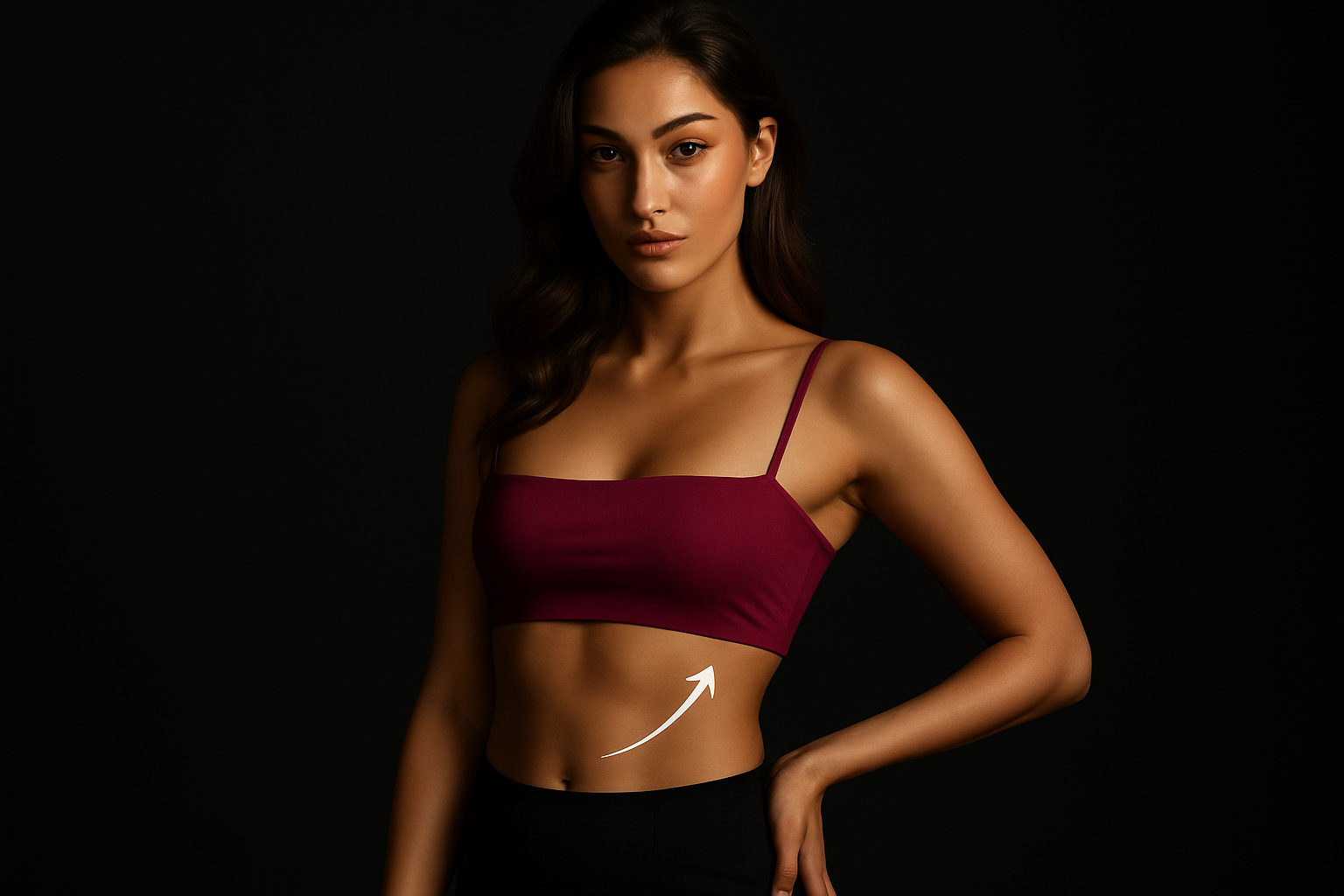
With age, substantial weight loss, pregnancy, and environmental stressors, human skin gradually loses structural proteins, namely collagen and elastin. This biological degradation results in tissue laxity, structural sagging, and lost body contours. Seeking advanced restorative care, thousands of international patients choose skin tightening in Turkey to regain taut, youthful skin through state-of-the-art surgical and non-surgical modalities.
Table of Contents:
- Quick Medical Facts Summary
- Procedure & Treatment Overview
- Ideal Candidates & Medical Assessment
- Modern Surgical Techniques & Technologies
- Step-by-Step Procedure Process
- Recovery Timeline, Aftercare & Expected Results
- Global Cost & Destination Comparison
- 5-Day VIP Patient Journey in Istanbul
- Frequently Asked Questions (FAQ)
- Summary & Next Steps
At Health & Beauty Turkey, our board-certified aesthetic plastic surgeons and dermatologists utilize cutting-edge medical technologies—ranging from energy-based subdermal skin contraction to surgical excisions—tailored specifically to your anatomical needs and clinical goals.
Quick Medical Facts Summary
| Procedure Categories | Surgical (Abdominoplasty, Body Lift, Brachioplasty) & Non-Surgical (RF Microneedling, Endolift) |
|---|---|
| Treatment Duration | 45 minutes (Non-surgical) to 3-5 hours (Surgical) |
| Hospital Stay | 0 days (Outpatient for Non-surgical) / 1-2 nights (Surgical) |
| Anesthesia Type | Local with sedation or General Anesthesia (Surgical) |
| Initial Recovery | 1-3 days (Non-surgical) / 2-3 weeks (Surgical) |
| Clinical Success Rate | 96% – 98% Patient Satisfaction |
Procedure & Treatment Overview
Skin tightening encompasses a spectrum of evidence-based medical and surgical interventions designed to reverse cutaneous laxity. The optimal pathway depends heavily on the degree of excess tissue, muscle involvement, and tissue quality. When determining whether to opt for liposuction or skin tightening in Turkey, patients must be evaluated for skin elasticity and subcutaneous fat volume.
Surgical skin tightening physically excises excess cutaneous tissue and tightens underlying fascia (SMAS or abdominal aponeurosis). Conversely, non-surgical tightenings deliver thermal energy (Radiofrequency, High-Intensity Focused Ultrasound, or Subdermal Laser) to stimulate neocollagenesis and immediate elastin contraction within the dermis.
Ideal Candidates & Medical Assessment
Candidate selection is paramount to achieving optimal aesthetic outcomes and minimizing surgical risk. During pre-operative evaluations in Istanbul, surgeons evaluate patients based on standardized medical criteria:
- Mild to Moderate Laxity: Suitable for non-surgical energy-based procedures like radiofrequency or subdermal laser contraction.
- Moderate to Severe Tissue Sagging: Best addressed via surgical resection such as body lifts, brachioplasty, or abdominoplasty.
- Post-Bariatric Patients: Individuals who have stabilized their weight for at least 3 to 6 months following massive weight loss.
- General Health Status: Non-smokers (or willing to stop 4 weeks pre- and post-surgery) with stable BMI and controlled systemic conditions.
Modern Surgical Techniques & Technologies
Modern plastic surgery in Turkey employs advanced technology to minimize scarring, accelerate tissue healing, and optimize thermal collagen remodelling.
Surgical Skin Tightening
For extensive skin laxity of the abdomen, thighs, or arms, excisional surgery provides definitive anatomical restructuring. Patients suffering from lower abdominal wall laxity often benefit from 3 types of tummy tuck surgeries in Turkey: mini abdominoplasty, full abdominoplasty, or extended abdominoplasty. Facial and cervical laxity can be comprehensively addressed through a targeted neck lift in Turkey paired with deep-plane facelift techniques.
Energy-Based & Minimally Invasive Technologies
For patients requiring minimal recovery time, energy-assisted skin tightening offers remarkable tissue retraction:
- Subdermal Laser Tightening: Technologies like ENDOLIFT laser skin tightening in Turkey utilize micro-optical fibers inserted directly into the hypodermis to melt localized fat and stimulate collagen fiber shrinkage.
- RF Microneedling: Advanced platforms such as the Scarlet S device for skin tightening deliver controlled fractional radiofrequency energy deeply into the dermal layers to induce rapid neocollagenesis.
- Energy-Assisted Liposuction: In cases requiring both fat removal and tissue retraction, comparing laser liposuction Turkey vs Vaser allows surgeons to choose the precise thermal profile needed for maximum skin redraping.
Step-by-Step Procedure Process
Whether undergoing non-surgical thermal remodeling or full surgical excision, procedures follow rigorous clinical protocols:
Phase 1: Pre-Operative Preparation & Mapping
Complete laboratory screening, blood work, ECG, and anesthetic consultation are performed. Surgical sites are precisely marked while the patient is standing to account for natural gravity and tension vectors.
Phase 2: Surgical Execution or Thermal Delivery
Surgical procedures are performed under general anesthesia in JCI-accredited surgical suites. Surgical incisions are placed discretely within anatomical creases. Subcutaneous tissue is elevated, fascia tightened, and redundant skin resected. For non-surgical treatments, topical or local anesthesia is applied before delivering calibrated thermal energy.
Phase 3: Incision Closure & Dressing
Surgical incisions are closed in multiple layer-by-layer sub-epidermal sutures to reduce scar tension. Compression garments are immediately applied to eliminate dead space and limit edema formation.
Recovery Timeline, Aftercare & Expected Results
Understanding the post-operative recovery protocol ensures safe healing and long-lasting results:
- Days 1–3: Acute tissue inflammation and minor discomfort. Surgical patients wear post-operative compression garments continuously and receive intravenous or oral analgesics.
- Week 1: Initial follow-up examination in Istanbul. Surgical drains (if used) are removed. Non-surgical patients experience complete resolution of mild erythema.
- Weeks 2–4: Resumption of light activities and non-strenuous work. Swelling decreases significantly (60-70%).
- Months 3–6: Final tissue settling. Collagen remodelling continues to mature, revealing firm, well-contoured body lines and tight skin texture.
Global Cost & Destination Comparison
Turkey stands out as a world leader in plastic surgery due to medical infrastructure, high surgical volume, and cost efficiencies without compromising clinical excellence.
| Destination | Average Cost Range | JCI Accreditation | Travel Convenience | All-Inclusive VIP Services |
|---|---|---|---|---|
| Turkey (Health Beauty Turkey) | $2,200 – $4,800 | Yes (Highest Density) | Excellent (Global Hub) | Included (Hotel, VIP Transfers, Care) |
| United Kingdom / USA | $8,500 – $18,000 | Varies by Facility | Local / Direct | Not Included (Extra Fees) |
| Germany | $7,000 – $14,000 | High Standards | Regional Hub | Rarely Included |
| Thailand | $3,500 – $7,500 | Yes | Long Flight Times | Partial Packages |
| India | $2,800 – $5,500 | Yes | Long Flight Times | Varies Widely |
5-Day VIP Patient Journey in Istanbul
At Health & Beauty Turkey, international medical travel is seamless, structured, and entirely stress-free:
- Day 1: VIP Arrival & Luxury Transfer: Arrival at Istanbul Airport, private driver transfer to your 5-star hotel, and preliminary schedule review.
- Day 2: Clinical Consultation & Treatment: Comprehensive in-person surgeon consultation, pre-op diagnostic tests, and execution of the skin tightening procedure in a JCI-accredited hospital.
- Day 3: Hospital Care & Rest: Post-operative nursing care, pain management, surgeon rounds evaluation, and discharge to luxury hotel accommodation.
- Day 4: Post-Op Care & Recovery: Dedicated rest in your hotel with personal medical assistant support and scheduled follow-up checks.
- Day 5: Final Evaluation & Safe Return Flight: Detailed wound examination by your plastic surgeon, removal of dressings, fit-to-fly certification, and private transfer to the airport.
Frequently Asked Questions (FAQ)
Is surgical skin tightening painful?
Surgical procedures are conducted under general anesthesia, ensuring complete comfort. Post-operative discomfort is managed effectively with prescribed pain relief protocols and usually subsides within 3 to 5 days.
How long do skin tightening results last?
Surgical removal of excess skin provides permanent removal of redundant tissue. However, natural aging continues. Non-surgical laser and radiofrequency procedures produce long-lasting results (1 to 3 years) and can be maintained with periodic touch-up treatments.
Will I have visible scars after surgical skin tightening?
Surgical incisions are meticulously planned within natural body folds or beneath swimsuit lines. Over 6 to 12 months, incisions mature from pink to faded faint lines, supported by specialized scar management therapies.
Summary & Next Steps
Surgical and energy-based skin tightening offer life-changing aesthetic improvements for individuals seeking to restore body contours, eliminate severe laxity, and rejuvenate aging tissue. Turkey offers top-tier surgical expertise, state-of-the-art accredited medical facilities, and comprehensive VIP medical packages.
We invite you to reach out to our senior medical team at Health & Beauty Turkey today for a personalized video consultation and detailed medical assessment tailored to your body goals.
Medical Disclaimer: The information provided in this article is for educational purposes only and should not be used as a substitute for professional medical advice, diagnosis, or treatment. Always consult a qualified plastic surgeon or physician regarding any medical condition or planned aesthetic procedure.
Related Articles: liposuction or skin tightening in Turkey | 3 types of tummy tuck surgeries in Turkey | ENDOLIFT laser skin tightening in Turkey | Scarlet S device for skin tightening | neck lift in Turkey | laser liposuction Turkey vs Vaser
References & Trusted Sources: National Institutes of Health (NIH) – Clinical Research | World Health Organization (WHO) – Health Guidelines | National Center for Biotechnology Information (NCBI / PubMed)