
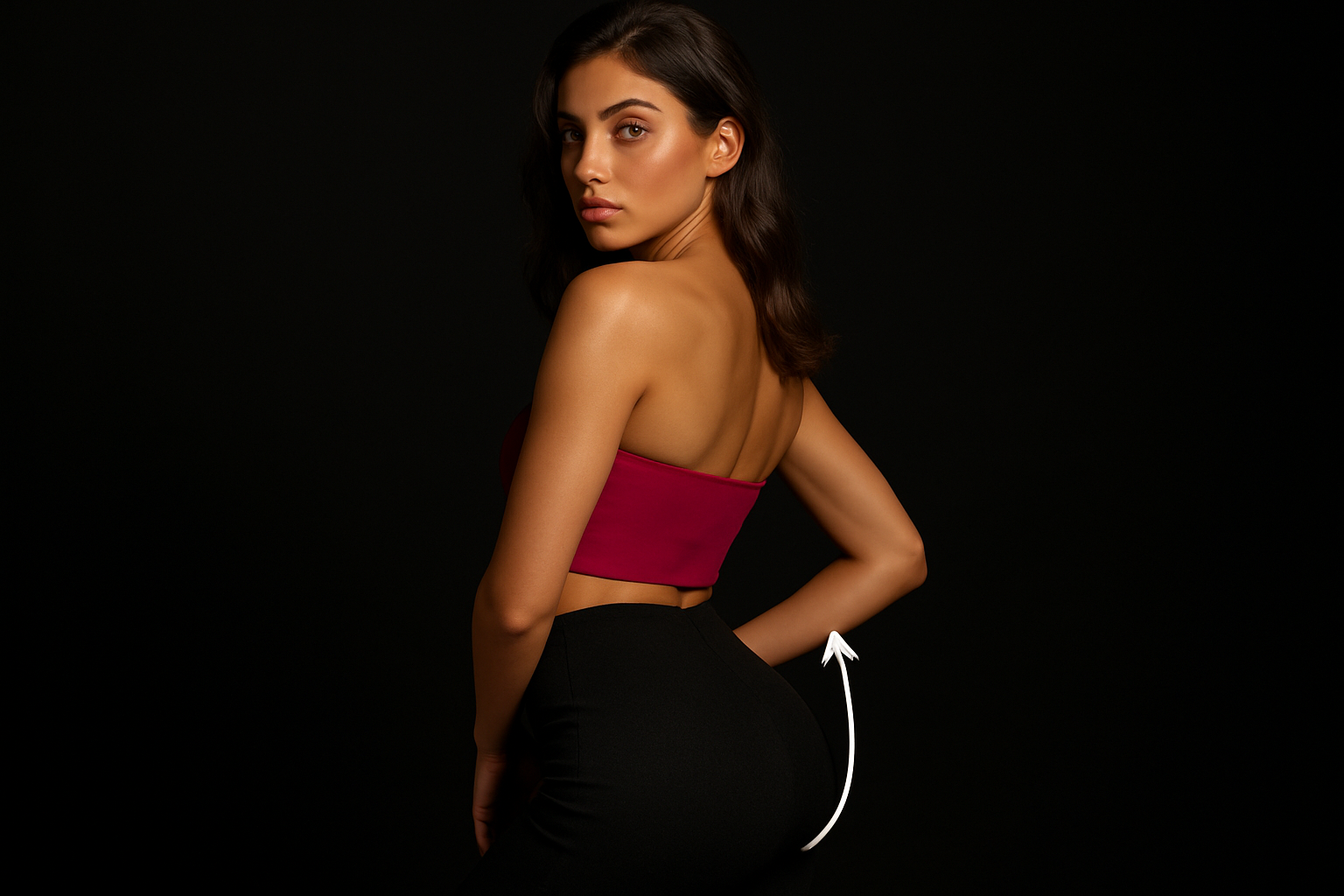
A high, firm, and proportional gluteal contour is widely recognized as a hallmark of aesthetic balance and physical vitality. Over time, factors such as significant weight fluctuation, aging, genetics, and loss of skin elasticity can cause the buttock tissues to sag, flatten, or lose structural projection. A clinical buttock lift (gluteoplasty or belt lipectomy component) combined with augmentation techniques provides a definitive surgical solution to restore volume, eliminate excess redundant skin, and elevate the gluteal architecture.
Table of Contents:
- Procedure & Treatment Overview
- Ideal Candidates & Medical Assessment
- Modern Surgical Techniques & Technologies
- Step-by-Step Procedure Process
- Recovery Timeline, Aftercare & Expected Results
- Global Cost & Destination Comparison
- 5-Day VIP Patient Journey in Istanbul
- Frequently Asked Questions (FAQ)
- Summary & Next Steps
Turkey has established itself as a premier global destination for advanced plastic and reconstructive surgery. Board-certified plastic surgeons in Istanbul utilize state-of-the-art operative technology, rigorous anatomical safety guidelines, and tailored surgical approaches to achieve natural, long-lasting aesthetic enhancements for international patients.
| Medical Feature | Clinical Specification |
|---|---|
| Procedure Duration | 2.5 to 4.5 Hours (depending on combined procedures) |
| Anesthesia Type | General Anesthesia with endotracheal intubation |
| Hospital Stay | 1 to 2 Nights inpatient monitoring |
| Recovery Phase | 2 weeks initial rest; 6 to 8 weeks for full strenuous activity |
| Success Rate | Over 96% clinical patient satisfaction rate |
Procedure & Treatment Overview
Gluteal rejuvenation is not a one-size-fits-all procedure. Depending on skin quality, local subcutaneous fat reserves, and patient expectations, plastic surgeons utilize distinct surgical modalities to refine the gluteal area:
- Excisional Buttock Lift: Focuses on removing redundant, sagging skin and lifting the underlying deep fascia. This technique is ideal for patients with severe ptosis following substantial weight loss.
- Autologous Fat Grafting (Brazilian Butt Lift): Involves harvesting excess subcutaneous fat via VASER ultrasound-assisted liposuction from areas like the abdomen or flanks, purifying the harvested fat, and reinjecting it into the gluteal musculature. Review our guide on Brazilian Butt Lift in Turkey for in-depth insights.
- Prosthetic Gluteal Implants: Designed for slim patients with limited donor body fat who require structural projection. Intramuscular or subfascial silicone implants offer permanent shape enhancement. You can learn more about silicone vs autologous fat transfer for buttocks.
- Hybrid Gluteoplasty: Combines gluteal implants with micro-fat grafting to blend edges, softening the implant margins and maximizing natural tactile soft-tissue distribution. Explore the best types of buttock augmentation procedures available.
Ideal Candidates & Medical Assessment
Candidate selection is paramount to achieving optimal aesthetic outcomes while minimizing surgical risk. A comprehensive medical consultation evaluates patient history, tissue laxity, and body mass index (BMI).
Ideal candidates for a surgical buttock lift and gluteal contouring include:
- Adults presenting with gluteal ptosis, deflated buttock tissue, or asymmetry due to aging or genetics.
- Post-bariatric patients who have stabilized their target weight for at least 3 to 6 months and present excess skin laxity (often combined with a comprehensive post-bariatric body lift surgery).
- Non-smoking individuals with a steady body mass index typically under 32.
- Patients with adequate systemic health, good vascular status, and realistic operational expectations.
Modern Surgical Techniques & Technologies
Modern plastic surgery techniques in Turkey emphasize safety, anatomical precision, and minimal scarring. Surgical innovations include:
- VASER Ultrasound Liposuction: Employs ultrasonic sound waves to selectively emulsify targeted fat deposits while preserving blood vessels and connective tissues. This maximizes harvested fat cell viability for transfer.
- Subfascial and Intramuscular Implant Placement: Gluteal implants are placed securely within or beneath the gluteus maximus muscle, protecting motor nerves and preventing implant migration or visibility.
- Sub-Cutaneous Fat Grafting Protocols: Adhering strictly to updated international safety consensus guidelines, fat grafting is performed strictly into the subcutaneous plane above the gluteal muscle fascia to prevent deep vascular entry.
- Multi-Layer Layered Fascial Closure: High-tension wound closures utilize progressive tension sutures to secure deeper tissue layers, significantly reducing scar stretch and seroma formation.
Step-by-Step Procedure Process
- Pre-Operative Planning & Marking: While the patient is standing, the surgeon draws precise incision lines along natural body contours, marking areas of lipo-harvesting and targeted expansion zones.
- Anesthesia Administration: The patient receives general anesthesia overseen by a board-certified anesthesiologist to ensure comfort and hemodynamic stability.
- Harvesting or Incision: For excisional lifts, precise skin incisions are made along the upper lower back or subgluteal crease. For fat transfer, low-pressure tumescent liposuction extracts fat cells.
- Tissue Remodeling & Fixation: Excess skin is excised, deep superficial fascial systems (SFS) are anchored to elevate the buttock complex, and fat or implants are introduced to achieve desired projection.
- Drains & Closure: Surgical drains may be placed to manage fluid collection. Incisions are closed using absorbable multi-layered sutures and covered with sterile dressings.
Recovery Timeline, Aftercare & Expected Results
Adherence to post-operative instructions ensures safe healing and long-term structural retention. Recovery varies by surgical extent:
- Days 1 to 3: Inpatient care with ambulation encouraged to prevent deep vein thrombosis. Drainage tubes may remain in place for 24 to 48 hours. Mild to moderate soreness is managed with analgesics.
- Weeks 1 to 2: Patients must avoid direct sitting or sleeping on their back if fat grafting or implants were performed. Special off-loading BBL pillows are used when seated. Medical-grade compression garments (fajas) must be worn continuously to control edema.
- Weeks 3 to 6: Lymphatic drainage massages may begin to reduce swelling. Swelling gradually subsides, revealing improved gluteal contours. Light walking and routine non-strenuous daily activities resume.
- Months 3 to 6: Grafted fat cells complete vascularization, residual swelling dissipates completely, and scars mature. Final projection, roundness, and smoothness become fully apparent.
Global Cost & Destination Comparison
Turkey offers world-class clinical standards combined with cost efficiencies due to lower operational overheads and favorable exchange rates, all within JCI-accredited medical facilities.
| Destination | Average Cost (USD) | Hospital Accreditation | Service Package Inclusions |
|---|---|---|---|
| Turkey (Health Beauty Turkey) | $3,200 – $4,800 | JCI Accredited Facilities | All-Inclusive: Surgery, VIP Transfers, 5-Star Hotel, Garments, Follow-ups |
| United Kingdom | $8,500 – $14,000 | CQC Regulated | Surgery & Basic Consultations Only (Hospital extras billed) |
| United States | $10,000 – $18,000 | AAAASF / JCI | Surgical fees only (Anesthesia & facility fees extra) |
| Germany | $9,000 – $13,500 | ISO / TÜV Certified | Standard Clinical Care Package |
| Thailand | $4,500 – $7,000 | JCI Accredited | Hospitalization included; local travel managed separately |
5-Day VIP Patient Journey in Istanbul
- Day 1: VIP Arrival & Transfer: Private luxury transfer receives the patient at Istanbul Airport and transports them to a premier 5-star partner hotel. Initial pre-op rest.
- Day 2: Consultation, Diagnostics & Surgery: Detailed surgeon consultation, comprehensive pre-operative blood work, ECG, and anesthesia clearance. Surgical procedure performed in a JCI-accredited hospital followed by overnight medical monitoring.
- Day 3: Hospital Recovery & Mobility Assessment: Post-operative nursing care, pain management, drain check, and early ambulation under medical supervision. Patient is discharged to their hotel room in the evening with prescribed medications.
- Day 4: Hotel Rest & Post-Op Checkup: Private nursing support at the hotel. Patient rests comfortably using specialized recovery equipment and compression garments.
- Day 5: Final Evaluation & Return Flight: In-person evaluation by the plastic surgeon, removal of surgical drains if applicable, wound care instruction, fit check of compression garments, and issuance of fit-to-fly medical documentation followed by VIP transfer to the airport.
Frequently Asked Questions (FAQ)
Can an excisional buttock lift be combined with fat transfer or implants?
Yes. Combining skin excision with gluteal augmentation is common in post-bariatric patients who require structural volume restoration alongside the removal of excess lax skin to achieve an optimal aesthetic contour.
How long must I refrain from direct sitting after the surgery?
If fat grafting or implants are incorporated, patients are advised to avoid direct pressure on the buttocks for approximately 2 to 3 weeks. Utilizing a specialized off-loading pillow transfers weight to the upper thighs when sitting is necessary.
Are the results of a surgical buttock lift permanent?
The skin removal and deep anatomical structural elevation achieved during a buttock lift are long-lasting. However, overall long-term results depend on maintaining a stable weight, healthy lifestyle, and natural aging processes.
Summary & Next Steps
Achieving a contoured, uplifted, and natural-looking gluteal appearance requires expert surgical precision, modern safety standards, and tailored aftercare. Turkey continues to set high standards in aesthetic surgery, delivering sophisticated surgical execution within state-of-the-art facilities.
If you are considering a gluteal rejuvenation procedure, reach out to our senior medical consulting team today. We provide personalized digital consultations, anatomical reviews, and tailored treatment plans designed for your aesthetic goals.
Medical Disclaimer: The information provided in this guide is for educational purposes only and does not constitute formal medical advice. Individual surgical outcomes vary based on patient anatomy, health history, and post-operative care compliance. Always consult with a qualified, board-certified plastic surgeon prior to undergoing any surgical procedure.
Related Articles: silicone vs autologous fat transfer for buttocks | best types of buttock augmentation procedures | Brazilian Butt Lift in Turkey | post-bariatric body lift surgery
References & Trusted Sources: National Institutes of Health (NIH) – Clinical Research | World Health Organization (WHO) – Health Guidelines | National Center for Biotechnology Information (NCBI / PubMed)