
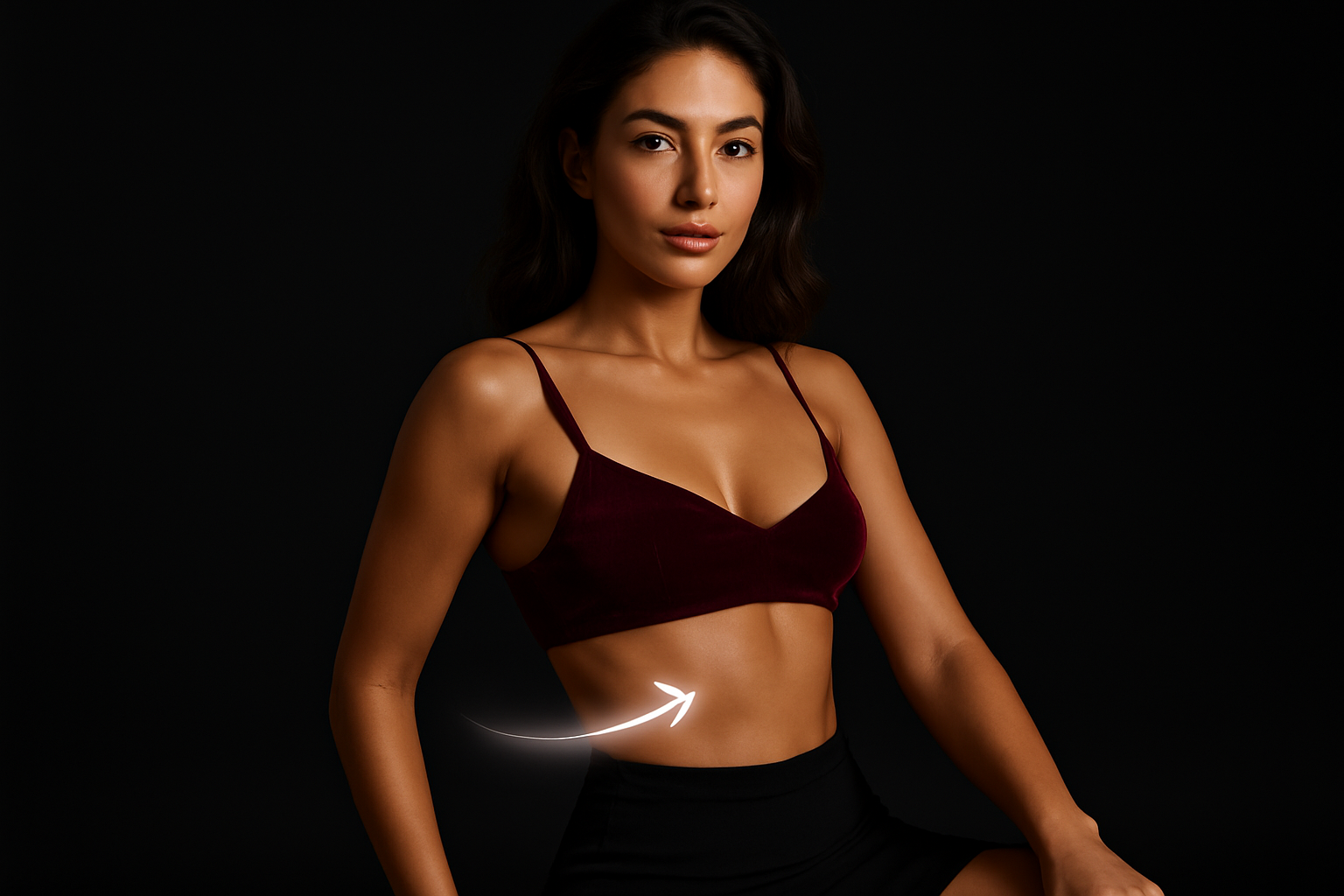
Autologous fat grafting, commonly referred to as fat transfer, has revolutionized aesthetic plastic surgery by providing a natural, dual-benefit solution for body recontouring. By harvesting excess adipose tissue from target donor sites and re-injecting it to restore lost volume or enhance structural contours, this procedure eliminates the need for synthetic implants while reducing unwanted localized fat deposits. Performing a fat transfer turkey procedure offers international patients access to board-certified plastic surgeons, state-of-the-art accredited medical facilities, and comprehensive VIP care packages tailored for superior, long-lasting clinical outcomes.
Table of Contents:
- Procedure & Treatment Overview
- Ideal Candidates & Medical Assessment
- Modern Surgical Techniques & Technologies
- Step-by-Step Procedure Process
- Recovery Timeline, Aftercare & Expected Results
- Global Cost & Destination Comparison
- 5-Day VIP Patient Journey in Istanbul
- Frequently Asked Questions (FAQ)
- Summary & Next Steps
Whether your clinical goal is facial rejuvenation, breast augmentation, buttock enhancement, or corrective contouring after previous procedures, autologous fat transplantation leverages your body’s natural tissue. Because the donor material is biocompatible, the risk of allergic reaction or implant displacement is eliminated. Patients seeking natural fat transfer surgery in Turkey benefit from advanced purification technologies, including micro-fat and nano-fat processing, which optimize graft survival rates and deliver smooth, natural results.
Quick Medical Facts Summary
- Procedure Duration: 2 to 4 hours (depending on treatment area and fat volume target)
- Hospital Stay: 1 night overnight stay in a JCI-accredited facility
- Recovery Time: Initial recovery in 7–10 days; full tissue integration in 3–6 months
- Anesthesia Type: General anesthesia or deep sedation with local tumescent fluid
- Graft Retention Rate: 60% to 80% permanent fat cell survival when processed using advanced purification systems
- Success Rate: Over 95% patient satisfaction with natural volumetric retention
Procedure & Treatment Overview
Fat transfer is a meticulous three-phase surgical technique: gentle extraction of viable adipose tissue via low-pressure suction, mechanical or centrifugal isolation and purification of dynamic fat cells, and strategic micro-droplet reinjection into target anatomic planes. Unlike artificial dermal fillers or silicone implants, grafted tissue permanently integrates into surrounding host tissues once a vascular blood supply (neovascularization) is established.
Advanced clinical applications range from subtle facial volume restoration, such as under-eye fat injection in Turkey, to extensive soft-tissue modeling like buttocks augmentation (Brazilian Butt Lift) or composite breast enlargement. The procedure addresses dual body goals simultaneously: slimming targeted donor areas through high-definition liposuction while restoring youthfulness and structural volume elsewhere.
Ideal Candidates & Medical Assessment
A successful fat grafting procedure depends on individual anatomical characteristics and overall systemic health. During the pre-operative evaluation, plastic surgeons assess donor fat availability, tissue elasticity, and vascular health to ensure high retention rates.
- Sufficient Donor Fat: Candidates must possess localized fat pockets in areas such as the abdomen, flanks, outer thighs, or lower back. Patients requesting back liposuction in Turkey often combine harvesting with back shaping for dramatic structural refinement.
- Stable Body Weight: Applicants should be at or near their ideal body mass index (BMI under 30-32). Significant weight fluctuations after surgery can alter fat graft volume.
- Good Vascular Health: Non-smokers with optimal peripheral circulation experience significantly higher fat graft survival rates, as new capillary growth is vital during early healing.
- Realistic Expectations: Patients must understand that a percentage of transferred fat naturally metabolizes during the first 12 weeks, leaving the surviving vascularized fat as permanent tissue.
- Male and Female Patients: While widely sought by women, male cosmetic plastic surgery options frequently incorporate fat transfer to define pectoral muscles, enhance jawlines, or correct post-traumatic defects.
Modern Surgical Techniques & Technologies
Technological advancements in fat extraction and processing have dramatically improved graft viability and structural precision. Modern clinics in Turkey employ specialized modalities designed to minimize cell trauma during harvesting.
1. Ultrasound-Assisted VASER Liposuction
Using pulsed sound energy, Vaser liposuction in Turkey emulsifies fat deposits while keeping adipocyte cellular membranes intact. This low-trauma approach preserves cellular integrity and simplifies uniform harvesting with minimal trauma to surrounding connective tissue and nerve endings.
2. Closed-Loop Centrifugation & Filtration Systems
Harvested tissue is passed through sterile, closed-circuit purification chambers (such as Puregraft systems) that remove cellular debris, excess tumescent liquid, and red blood cells. Isolating pure, highly concentrated stem-cell-rich fat cells enhances micro-vascular integration upon re-injection.
3. Micro-Fat and Nano-Fat Injection
For fine line correction and superficial tissue repair, fat tissue is processed through micronizing filters. Micro-fat provides delicate volume restoration, while nano-fat—rich in adipose-derived stem cells (ADSCs)—stimulates collagen synthesis and tissue regeneration without introducing bulky mass.
Step-by-Step Procedure Process
Executing a precision fat grafting surgery requires a systematic clinical protocol to preserve cell viability and optimize physiological integration.
Phase 1: Tumescent Infiltration & Gentle Harvesting
The surgeon introduces a specialized tumescent solution containing saline, lidocaine, and epinephrine into the predetermined donor zones. This minimizes bleeding, numbs the region, and separates fat lobules. Cannulas with specialized multi-port tips gently harvest the tissue using controlled low vacuum pressure.
Phase 2: Cell Purification & Washing
The harvested lipoaspirate is refined in a closed filtration system to isolate intact living adipocytes from fluid and lysed cell remnants. Maintaining tissue sterility and minimal air exposure throughout this phase prevents graft contamination and cell death.
Phase 3: Precision Multi-Planar Structural Grafting
Using specialized micro-cannulas, the surgeon injects micro-droplets of dynamic fat into structural tissue channels at multiple depths (subcutaneous, intramuscular, or subfascial). Injecting tiny droplets ensures maximum contact with vascularized tissue, guaranteeing that every transferred fat cell receives the oxygen and nutrients needed for permanent survival.
Recovery Timeline, Aftercare & Expected Results
Adhering strictly to postoperative aftercare instructions directly impacts the permanent survival rate of transferred fat cells.
- Days 1–3: Mild edema, bruising, and soreness occur at both donor and recipient sites. Compression garments must be worn continuously over donor areas to reduce swelling and assist skin retraction. Direct mechanical pressure on graft recipient sites must be strictly avoided.
- Week 1–2: Normal daily activities can generally be resumed. Swelling begins to subside significantly. Lymphatic drainage massage may be initiated on donor areas as directed by your clinical team.
- Month 1: Approximately 20% to 30% of non-vascularized fat cells are naturally reabsorbed by the lymphatic system. Surviving cells establish stable capillary connections.
- Months 3–6: Final volumetric results stabilize. The surviving fat becomes permanent tissue that behaves identically to natural tissue elsewhere in your body. Patients enjoying deep fat transfer in Turkey achieve a softer, balanced, and aesthetically proportionate body contour.
Global Cost & Destination Comparison
Turkey has established itself as a global leader in plastic and reconstructive surgery. Cost efficiency is achieved through favorable currency exchange rates, streamlined operational overheads, and government incentives for medical tourism, without sacrificing clinical quality or international safety standards.
| Destination | Average Cost Range (USD) | JCI Accredited Hospitals | Travel Convenience & VIP Care | Comprehensive Package Inclusions |
|---|---|---|---|---|
| Turkey (Health Beauty Turkey) | $2,500 – $4,500 | Yes (High density in Istanbul) | VIP Luxury Transfers, 5-Star Hotel, Personal Host | All-Inclusive (Surgery, Hotel, VIP Transport, Garments, Medications) |
| United Kingdom / USA | $8,000 – $16,000 | Varies by facility | Standard clinical care; travel managed separately | Surgery fees only (Anesthesia, hospital, garments billed extra) |
| Germany | $7,000 – $12,000 | Yes | High clinical standards; limited VIP transport service | Procedure and hospital stay only |
| Thailand | $4,000 – $7,500 | Yes | Good medical tourism infrastructure | Varies; limited single-point coordination |
| India | $3,000 – $5,500 | Yes | Varies widely by hospital | Basic package; transport managed individually |
5-Day VIP Patient Journey in Istanbul
Health Beauty Turkey provides an integrated, hassle-free experience for international patients from arrival to post-operative clearance.
Day 1: VIP Arrival & Luxury Accommodation
Upon landing at Istanbul Airport, a private chauffeur meets you at the gate and transfers you via luxury Mercedes VIP van to your 5-star hotel. Your dedicated bilingual patient coordinator provides your complete consultation schedule and postoperative instructions.
Day 2: Clinical Consultation, Pre-Op Testing & Surgery
You undergo detailed pre-operative blood panels, electrocardiogram (ECG), and an in-person mapping consultation with your board-certified plastic surgeon. Once cleared, you enter the surgical suite for your procedure under general anesthesia, followed by an comfortable overnight stay in a private hospital room.
Day 3: Post-Operative Evaluation & Hospital Discharge
Your surgeon evaluates your clinical metrics, checks surgical dressings, and ensures optimal pain management. You are fitted with medical compression garments and discharged to your luxury hotel room with prescribed aftercare medications.
Day 4: Rest & Guided Healing Support
You rest at your hotel while enjoying dedicated room service and light walking to promote venous circulation. Our medical team remains in continuous contact to monitor your comfort, fluid balance, and edema status.
Day 5: Final Medical Examination & Safe Return Flight
You return to the clinic for a final check-up, dressing refresh, and complete review of your home recovery plan. Your surgeon issues a “Fit-to-Fly” medical certificate, and your VIP transfer escorts you directly to the airport for your return flight.
Frequently Asked Questions (FAQ)
Is fat transfer safe compared to synthetic implants?
Yes. Autologous fat transfer utilizes your own living biological tissue, entirely eliminating risks of implant rupture, capsular contracture, or immune rejection. Because the surgical process involves micro-injections, scar formations are minimal compared to traditional implant placement incisions.
How much of the transferred fat remains permanently?
On average, between 60% and 80% of transplanted fat cells develop a successful blood supply and survive permanently. Surgeons account for natural early reabsorption during micro-injection design to ensure your final healed result matches your target structural goals.
Can fat transfer be combined with other body sculpting procedures?
Absolutely. Fat grafting is frequently combined with high-definition liposuction, tummy tucks (abdominoplasty), or facial re-contouring procedures. Patients seeking a full structural transformation can discuss customized multi-zone treatment plans during initial consultation.
When can I return to exercise and work after surgery?
Most patients return to light desk work within 7 to 10 days post-op. Light walking is encouraged immediately to promote circulation, while strenuous physical activity, heavy lifting, or direct pressure on recipient zones should be avoided for 4 to 6 weeks.
Summary & Next Steps
Choosing a fat transfer turkey treatment combines modern surgical innovation, expert autologous tissue handling, and soft, natural volumetric contours with exceptional value. From initial online consultation to post-operative recovery, our clinical teams at Health Beauty Turkey provide personalized, world-class medical support throughout your aesthetic journey.
If you are ready to reshape your silhouette using your body’s natural tissue, contact our clinical coordinators today to request your customized diagnostic assessment and start planning your VIP medical journey to Istanbul.
Medical Disclaimer: The information provided in this article is for educational purposes only and does not constitute formal medical advice. Individual anatomical factors, graft retention rates, and recovery timelines vary. Consultation with a qualified, board-certified plastic surgeon is required to determine suitability for surgical autologous fat transplantation.
Related Articles: natural fat transfer surgery in Turkey | under-eye fat injection in Turkey | back liposuction in Turkey | male cosmetic plastic surgery options | Vaser liposuction in Turkey | deep fat transfer in Turkey
References & Trusted Sources: National Institutes of Health (NIH) – Clinical Research | World Health Organization (WHO) – Health Guidelines | National Center for Biotechnology Information (NCBI / PubMed)