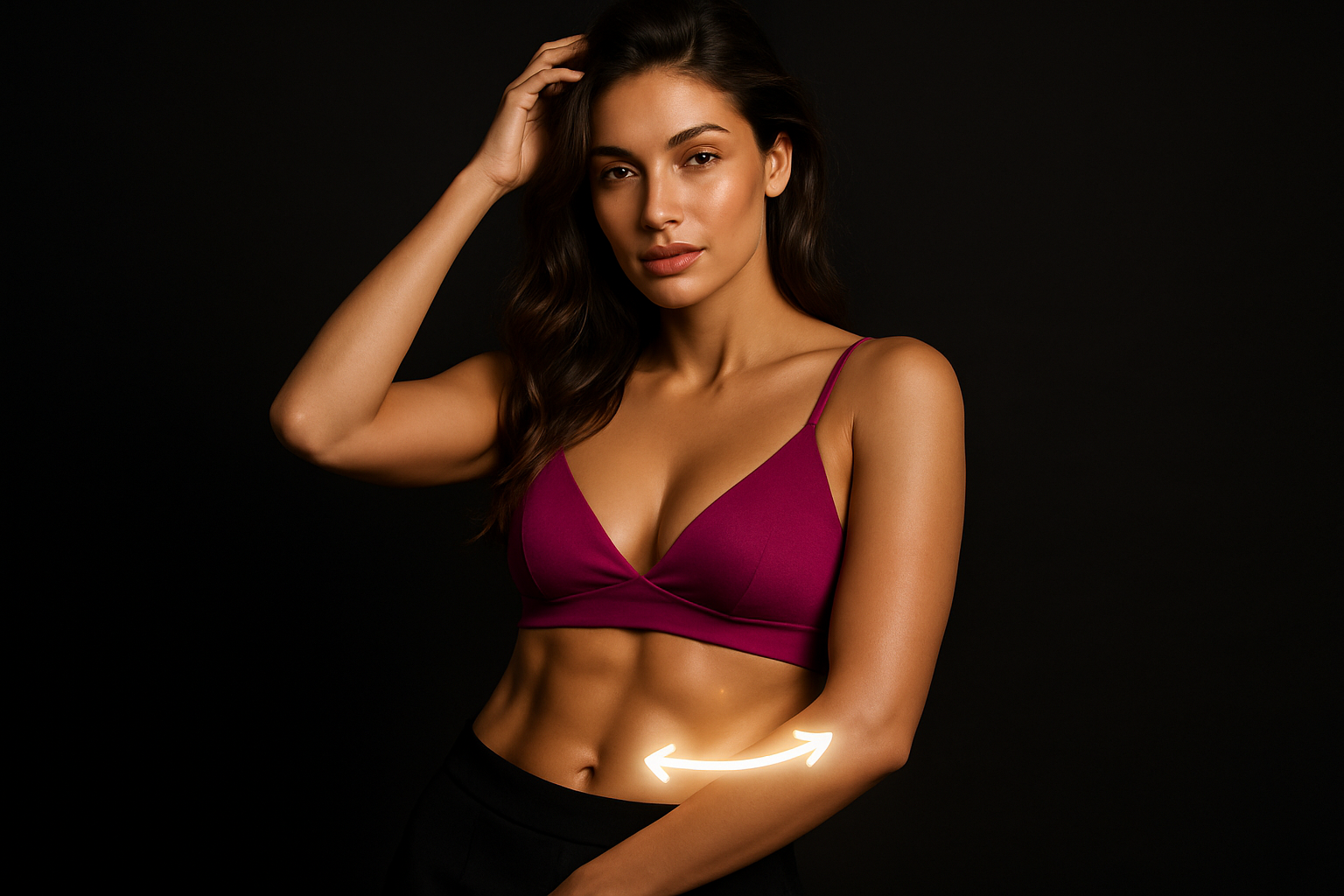
Significant body transformations, whether achieved through dedicated weight loss, bariatric procedures, or pregnancy, are landmark health achievements. However, the skin and underlying muscular tissues often lack the elasticity required to adapt to a diminished body frame. This frequently results in stretched abdominal muscles, intractable subcutaneous fat deposits, and persistent hanging skin fold commonly known as a panniculus. For millions of patients worldwide, localized diet and exercise routines are structurally incapable of correcting these anatomical changes. In such clinical scenarios, surgical intervention remains the definitive pathway to restoring a firm, contoured midsection.
Table of Contents:
- Procedure & Treatment Overview
- Ideal Candidates & Medical Assessment
- Modern Surgical Techniques & Technologies
- Step-by-Step Procedure Process
- Recovery Timeline, Aftercare & Expected Results
- Global Cost & Destination Comparison
- 5-Day VIP Patient Journey in Istanbul
- Frequently Asked Questions (FAQ)
- Summary & Next Steps
Opting for abdominoplasty in turkey has gained international recognition as a premier destination for body contouring procedures. Combining board-certified plastic surgeons, state-of-the-art Joint Commission International (JCI) accredited medical facilities, and comprehensive patient-centered care models, Turkey stands at the forefront of modern cosmetic surgery. At Health & Beauty Turkey, we integrate advanced surgical techniques with tailored medical travel logistics to ensure exceptional clinical outcomes and a seamless, stress-free recovery journey.
This surgical guide offers an exhaustive overview of abdominoplasty in Turkey, examining anatomical considerations, candidate selection, modern operative techniques, realistic recovery timelines, and comparative global cost structures.
Quick Medical Facts Summary
- Procedure Duration: 2 to 4 hours (depending on complexity and combined techniques)
- Hospital Stay Required: 1 to 2 nights under direct inpatient observation
- Type of Anesthesia: General anesthesia with multi-modal pain management
- Initial Recovery Phase: 10 to 14 days before resuming light daily activities
- Full Recovery Period: 6 to 12 months for complete scar maturation and tissue settling
- Clinical Success Rate: Over 98% patient satisfaction rate globally
Procedure & Treatment Overview
Abdominoplasty, commonly referred to as a tummy tuck, is a major reconstructive aesthetic surgical procedure designed to reshape the abdominal wall. Unlike non-invasive fat reduction treatments, abdominoplasty directly addresses all three structural layers of the abdomen: the superficial skin frame, the subcutaneous adipose layer, and the deep musculofascial wall.
During the procedure, excess cutaneous and adipose tissue between the pubic bone and the umbilicus (navel) is excised. Concurrently, rectus abdominis muscle diastasis—a physical separation of the abdominal muscles often caused by intra-abdominal pressure during pregnancy or weight gain—is repaired via surgical plication. The remaining abdominal skin is then repositioned, drawn downward, and sutured along a low horizontal line concealed within the natural bikini line.
For patients seeking total body harmony, surgeons frequently combine abdominoplasty with ultrasound-assisted liposuction. Utilizing VASER liposuction in Turkey alongside skin resection allows the surgical team to sculpt the flanks, lower back, and waistline simultaneously, creating a defined hourglass or athletic contour rather than simply flattening the front abdominal wall.
Ideal Candidates & Medical Assessment
Candidate selection is the single most critical factor in ensuring surgical safety and predictable aesthetic results. Performing abdominoplasty in turkey begins with a thorough pre-operative medical screening to confirm that a patient meets strict physiological and clinical criteria.
An ideal candidate for abdominoplasty includes individuals who fit the following profiles:
- Post-Pregnancy Patients: Women who experience persistent abdominal wall laxity, skin stretching, or rectus diastasis that has not resolved naturally through exercise post-childbirth.
- Post-Bariatric and Weight Loss Patients: Individuals who have achieved a stable target weight following gastric sleeve, gastric bypass, or intense lifestyle modifications, but are left with significant loose skin.
- Age-Related Tissue Elasticity Loss: Patients facing structural abdominal drooping due to aging and loss of structural collagen.
- Male Candidates Seeking Midsection Sculpting: Men experiencing abdominal excess post-weight loss who require abdominal muscle tightening. Read more about customized options in our guide to male plastic surgery in Turkey.
From a clinical standing, candidates must maintain a stable Body Mass Index (BMI)—typically under 30 or 32 depending on specific health metrics—for at least three to six months prior to surgery. Candidates must be non-smokers or willing to completely cease nicotine use for at least four weeks before and after surgery, as nicotine drastically impairs peripheral blood circulation and elevates tissue necrosis risks. Furthermore, candidates should have realistic expectations regarding permanent post-operative scarring and commit fully to the recovery protocol.
Modern Surgical Techniques & Technologies
Surgical body contouring has evolved dramatically beyond traditional skin resection. Modern procedures in Turkey utilize sophisticated, tissue-sparing technologies and specialized surgical variations tailored to individual patient anatomy.
Full (Standard) Abdominoplasty
The standard full abdominoplasty addresses the entire abdominal area above and below the navel. A low horizontal incision is placed from hipbone to hipbone. The skin and fat are dissected away from the underlying muscle up to the costal margin. The internal rectus abdominis muscles are sutured tightly along the midline, and a new opening is created to exteriorize and transpose the umbilicus into a youthful, natural anatomical position.
Mini Abdominoplasty
Designed for patients with mild to moderate lower abdominal excess and minimal muscle separation below the navel. A smaller, shorter horizontal incision is used. The navel remains undisturbed in its original location, and muscle tightening is restricted to the infraumbilical region. For patients seeking non-surgical options for minimal skin laxity, exploring options like a non-surgical tummy tuck in Turkey may also be evaluated during consultation.
Extended and Fleur-de-Lis Abdominoplasty
For patients with severe post-bariatric skin redundancy extending around the flanks, an extended abdominoplasty wraps the horizontal incision farther past the hipbones. In cases with substantial horizontal excess, a Fleur-de-Lis technique incorporates an additional vertical midline incision to pull the abdominal tissue inward as well as downward, restoring a defined, narrow waistline.
Lipo-Abdominoplasty & Drainless Surgery
By integrating advanced VASER (Vibration Amplification of Sound Energy at Resonance) ultrasound fat emulsification with abdominal skin tightening, surgeons can perform gentle liposuction without compromising the vascular network supplying blood to the abdominal flap. Furthermore, modern progressive tension sutures (PTS) are frequently applied to anchor the skin flap directly to the deep muscular fascia. This minimizes empty spaces where seroma fluids can accumulate, often reducing or completely eliminating the need for uncomfortable post-operative surgical drains.
Step-by-Step Procedure Process
Understanding the clinical steps of abdominoplasty helps reduce anxiety and prepares patients for their transformation. The standard operative process follows a precise surgical sequence:
1. Pre-Operative Preparation & Anesthesia
Upon entering the surgical suite, intravenous antibiotics and anti-emetics are administered. The patient is placed under general anesthesia managed by a dedicated board-certified anesthesiologist who continuously monitors vital parameters including arterial pressure, heart rate, blood oxygenation, and depth of anesthesia throughout the entire procedure.
2. Precision Incision & Flap Elevation
The surgical team marks precision incision lines while the patient is awake in the standing position to ensure symmetry. Once asleep, a low incision is made within the pubic hair line region. The skin and subcutaneous fat are carefully elevated off the abdominal muscle fascia, working upward toward the ribcage.
3. Musculofascial Repair (Diastasis Recti Plication)
The surgeon identifies the stretched or separated rectus abdominis muscles. Using high-tensile, non-absorbable heavy sutures, the muscle sheaths are drawn tightly together along the midline, effectively creating an internal corset that flattens the abdomen and narrows the waistline.
4. Flap Resection & Umbilicus Repositioning
The patient’s bed is adjusted into a semi-Fowler position (flexed at the waist) to relieve tension on the lower abdomen. The elevated abdominal flap is pulled down, and excess skin and underlying fat are precisely trimmed. A small, natural oval incision is sculpted in the drawn-down skin flap to re-emerge the navel seamlessly.
5. Closure & Compression
The incisions are closed in multiple anatomic layers using deep structural sutures, followed by meticulous intradermal sutures to optimize scar appearance. Sterile dressings and an ergonomic medical-grade surgical compression garment (faja) are immediately applied to stabilize tissues and reduce fluid retention.
Recovery Timeline, Aftercare & Expected Results
Surgical excellence accounts for half of a successful result; the remaining half depends entirely on meticulous post-operative compliance and recovery management. Patients undergoing abdominoplasty in Turkey receive clear recovery guidance from their medical team.
Week 1: Immediate Healing & Rest
During the first few days post-surgery, patients remain under clinical supervision in the hospital before transitioning to their hotel suite. A bent posture (“beach-chair posture”) must be maintained when sitting and walking to minimize tension along the incision line. Moderate pain and swelling are managed with prescribed analgesics and anti-inflammatory medications. Light, frequent walking inside the room is mandatory from Day 1 to promote venous blood flow and prevent deep vein thrombosis (DVT).
Weeks 2 to 3: Gradual Return to Daily Life
Drains, if used, are typically removed within 5 to 7 days post-operatively. Patients can gradually stand up straighter as incision tension eases. Desk work and light social activities can be resumed after 10 to 14 days. Wearing the specialized medical compression garment 24/7 (except during showers) remains crucial during this phase to control edema and encourage the skin to bond smoothly to underlying tissues.
Months 1 to 3: Physical Progression
Post-operative swelling systematically subsides, revealing refined waistline contours. Light cardiovascular activity like walking can be increased, though heavy lifting, core exercises, and intense athletic training must be avoided until at least six to eight weeks post-op. Specialized scar therapies, including silicone gel sheets and targeted laser scar treatments, may be initiated around week 4.
Months 6 to 12: Long-Term Maturation
By month 6, primary internal tissues have healed, and post-surgical edema has fully resolved. The incision scar gradually transitions from a raised reddish line to a thin, pale, flat mark that remains discreetly hidden underneath standard swimwear and underwear. Maintaining a stable body weight ensures that these sculpted results remain permanent for life.
Global Cost & Destination Comparison
One of the driving forces behind the global demand for cosmetic surgery in Turkey is the exceptional balance between affordability and international clinical excellence. Surgical clinics operating in Western nations often carry immense operational overhead, liability costs, and administrative expenses, which significantly elevate out-of-pocket costs for self-paying cosmetic patients.
By comparison, Turkey benefits from lower operational overhead and favorable exchange dynamics while maintaining world-class medical infrastructure, internationally accredited hospitals, and surgical teams trained globally. The table below illustrates a global comparative overview for abdominoplasty surgery:
| Destination | Average Total Cost (USD) | JCI Accreditation Standards | Travel & Logistical Convenience | All-Inclusive VIP Care Packages |
|---|---|---|---|---|
| Turkey (Health Beauty Turkey) | $3,200 – $5,500 | Yes (High Density of JCI Hospitals) | Excellent (Major Global Flight Hub) | Included (Hotel, VIP Transfers, Drains, Faja, Aftercare) |
| United Kingdom | $8,500 – $14,000 | National Standards (CQC) | Local for UK Residents | Rarely Included (Extra Costs for Aftercare) |
| United States | $10,000 – $18,000 | Various Accreditation Bodies | Local for US Residents | Not Included (Hospital & Anesthesia Billed Separately) |
| Germany | $8,000 – $13,500 | High European Standards | Convenient within EU | Rarely Included (Outpatient Follow-ups Billed Extra) |
| Thailand | $4,500 – $7,500 | Yes (Select Medical Centers) | Long Flight Times from West | Optionally Available |
| India | $3,500 – $6,000 | Yes (Select Facilities) | Long Travel & Visa Requirements | Optionally Available |
To learn more about patient experiences and comprehensive care, review our documented case analysis on tummy tuck surgery in Turkey.
5-Day VIP Patient Journey in Istanbul
At Health & Beauty Turkey, we organize medical travel into an all-inclusive, stress-free experience. Every step of your 5-day surgical stay in Istanbul is curated to ensure safety, comfort, and professional clinical attention:
- Day 1: VIP Arrival & Hospital Admission: You are greeted at Istanbul Airport by a private chauffeur and transported via VIP vehicle directly to the hospital or premium hotel. Comprehensive pre-operative diagnostics—including complete blood counts, coagulation panels, chest X-rays, and ECG—are completed.
- Day 2: In-Person Consultation & Surgery Day: You meet your dedicated plastic surgeon for a final clinical evaluation and marking session. The abdominoplasty procedure is performed in a state-of-the-art operating theater. Afterwards, you recover comfortably in a private hospital room under 24/7 nursing supervision.
- Day 3: Inpatient Recovery & Initial Mobilization: Medical rounds are conducted by your surgical team to assess healing and fluid management. Under nurse supervision, you begin short, controlled walks inside your room. Tailored nutritional care is provided.
- Day 4: Hospital Discharge & Hotel Transition: Upon medical clearance, you are discharged from the hospital and transported to your 5-star hotel suite via private VIP transport. Your personal patient coordinator remains available to coordinate medications, meals, and specialized post-op care.
- Day 5: Final Medical Review & Safe Return Flight: You attend a final follow-up examination at the clinic. Surgical dressings are inspected, instructions for long-term scar care are issued, and a fit-to-fly clearance certificate is provided. Your private transfer then escorts you directly to the airport for your return flight home.
Frequently Asked Questions (FAQ)
Can I get pregnant after undergoing an abdominoplasty?
Yes, abdominoplasty does not impair a woman’s physiological ability to carry a child safely to term. However, a subsequent pregnancy will stretch the newly tightened rectus abdominis muscles and skin flap, potentially compromising the aesthetic results of the procedure. For this reason, plastic surgeons strongly recommend delaying abdominoplasty until you have completed your family planning.
How noticeable will my tummy tuck scar be?
An abdominoplasty incision is placed as low as structurally possible—typically across the lower abdomen beneath the bikini line. While a permanent surgical scar is inevitable, modern multi-layer suturing techniques ensure that the line heals as thinly as possible. With proper post-operative scar management (silicone sheets, sun protection, and scar massage), the scar fades significantly over 12 to 18 months and remains fully hidden under standard underwear and swimwear.
What is the difference between a tummy tuck and liposuction?
Liposuction is exclusively designed to remove localized, stubborn subcutaneous fat deposits; it cannot tighten loose, stretched skin or repair separated abdominal muscles. Abdominoplasty directly removes excess hanging skin, tightens muscle diastasis, and flattens the abdominal wall. In modern plastic surgery, both techniques are often combined in a single operation—known as lipo-abdominoplasty—to deliver optimal overall body contouring.
Is travel back home safe after a tummy tuck in Turkey?
Yes, traveling back home is safe when appropriate clinical precautions are followed. Patients are evaluated thoroughly before being cleared to fly, typically on Day 5 or Day 6 post-surgery. During your flight, you will wear fitted medical compression stockings, remain well-hydrated, and perform regular ankle pump exercises or short aisle walks every hour to maintain optimal circulation and prevent blood clot risks.
Summary & Next Steps
Abdominoplasty is a transformative surgical procedure that provides a permanent structural solution for patients suffering from persistent abdominal skin redundancy, stretched muscle separation, and localized lipodystrophy. By choosing abdominoplasty in turkey with Health & Beauty Turkey, you gain access to board-certified plastic surgeons, state-of-the-art hospital facilities, and comprehensive all-inclusive VIP coordination designed around your individual recovery needs.
If you are ready to take the next step toward reclaiming your body confidence and achieving a firm, balanced midsection, we invite you to reach out to our medical team today. Our dedicated patient coordinators are available to review your medical history, facilitate a personalized virtual photo consultation with our head surgeons, and prepare a tailored treatment program engineered specifically for you.
Medical Disclaimer
The information provided in this article is intended strictly for educational and informational purposes and does not constitute formal medical advice, diagnosis, or treatment plans. Surgical outcomes vary depending on individual patient anatomy, pre-existing health conditions, and strict adherence to post-operative instructions. Always consult with a qualified, board-certified plastic surgeon or licensed healthcare provider to discuss your personal clinical eligibility prior to undergoing any surgical procedure.
Related Articles: VASER liposuction in Turkey | male plastic surgery in Turkey | non-surgical tummy tuck in Turkey | abdominoplasty in Turkey | tummy tuck surgery in Turkey
References & Trusted Sources: National Institutes of Health (NIH) – Clinical Research | World Health Organization (WHO) – Health Guidelines | National Center for Biotechnology Information (NCBI / PubMed)