
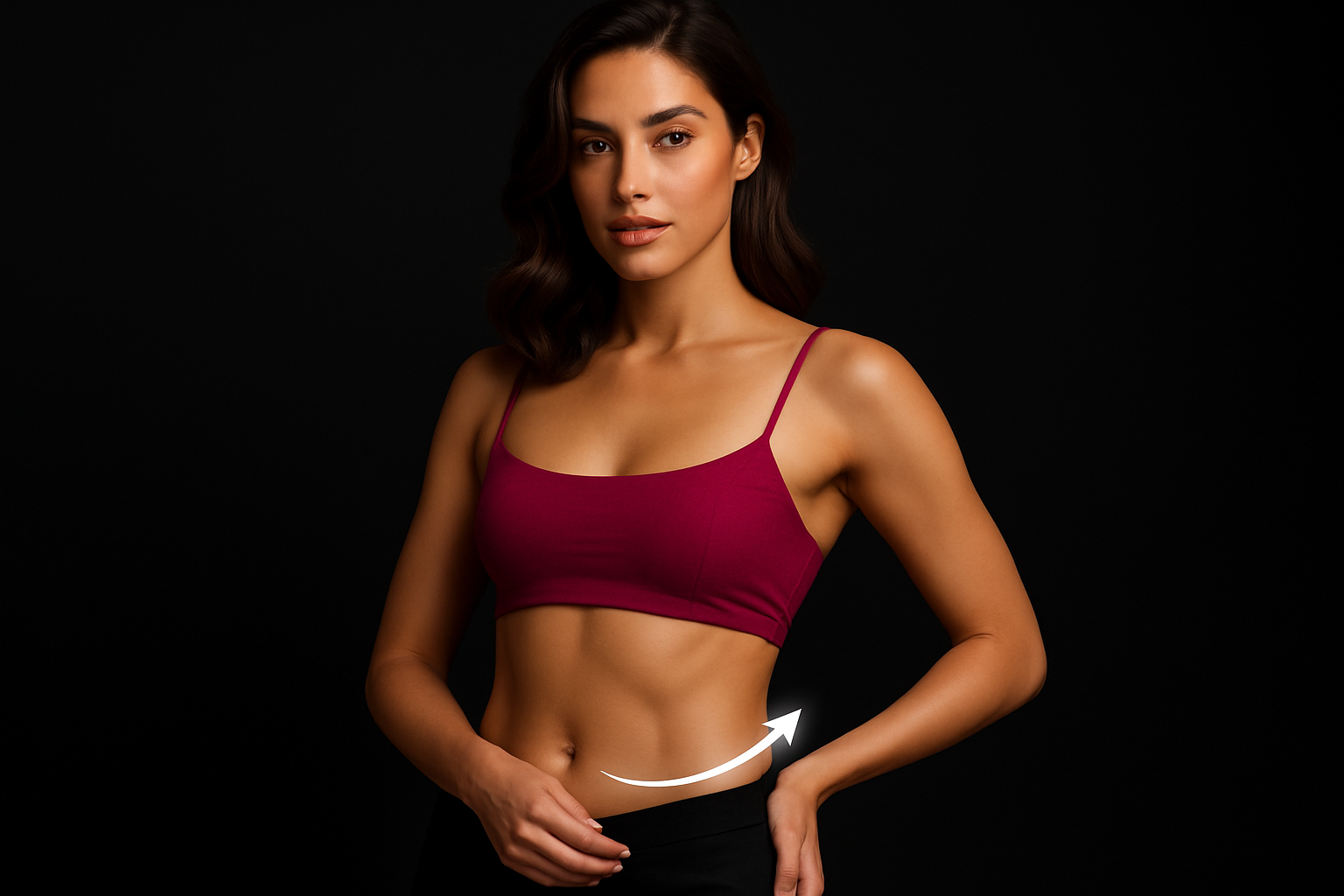
Abdominoplasty, widely recognized as a tummy tuck, is one of the most effective surgical solutions for restoring abdominal contour, core integrity, and skin elasticity. Patients seeking post-pregnancy restoration, post-bariatric body sculpting, or correction of age-related tissue laxity frequently encounter limits with diet and exercise alone. When the abdominal musculature stretches (rectus diastasis) or skin loses its structural elastin, surgical intervention becomes the definitive medical standard for structural restoration.
Table of Contents:
- Procedure & Treatment Overview
- Ideal Candidates & Medical Assessment
- Modern Surgical Techniques & Technologies
- Step-by-Step Procedure Process
- Recovery Timeline, Aftercare & Expected Results
- Global Cost & Destination Comparison (Turkey vs UK, USA, Germany, Thailand, India)
- 5-Day VIP Patient Journey in Istanbul
- Frequently Asked Questions (FAQ)
- Summary & Next Steps
Turkey has emerged as a premier destination for advanced plastic and reconstructive surgery. Combining board-certified surgical expertise, Joint Commission International (JCI) accredited hospital infrastructure, and sophisticated aesthetic techniques like lipoabdominoplasty, undergoing an abdominoplasty in Turkey provides high-standard clinical outcomes alongside complete VIP patient logistics.
- Procedure Duration: 2.5 to 4 hours (depending on complexity)
- Hospital Stay: 1 to 2 nights of inpatient care
- Anesthesia Type: General anesthesia
- Recovery Period: 10 to 14 days for initial social recovery; 6 to 8 weeks for full athletic clearance
- Clinical Success Rate: Over 98% satisfaction rate in high-volume, accredited cosmetic surgery facilities
Procedure & Treatment Overview
Abdominoplasty is a major plastic surgery designed to remove redundant abdominal skin, excise excess subcutaneous fat, and repair weakened or separated rectus abdominis muscles. Unlike non-surgical fat reduction modalities that focus exclusively on localized adipose tissue, abdominoplasty addresses the three fundamental structural layers of the anterior abdominal wall: the cutaneous, subcutaneous, and musculofascial layers.
Modern plastic surgery offers tailored approaches based on the degree of skin redundancy and muscle laxity. Patients researching options can explore an advanced tummy tuck in Turkey to achieve optimal waist definition and athletic contouring. Based on individual anatomical needs, surgeons select from several established modalities:
- Full (Standard) Abdominoplasty: Involves a horizontal incision between the pubic hairline and navel, muscle plication from pubis to xiphoid process, and repositioning of the umbilicus.
- Mini Abdominoplasty: Ideal for patients with minor lower abdominal skin excess and soft tissue laxity confined below the navel. Does not require umbilical transposition.
- Extended Abdominoplasty: Extends the incision past the hip bones to address circumferential skin excess across the flanks and lower back.
- Fleur-de-Lis Abdominoplasty: Incorporates both vertical and horizontal incisions, specifically designed for massive weight loss patients requiring extensive tissue removal across multiple planes.
Ideal Candidates & Medical Assessment
Determining candidacy for an abdominoplasty in Turkey for ideal body transformation requires a comprehensive preoperative evaluation. Physical health, surgical expectations, and anatomic features are meticulously assessed by a senior plastic surgeon.
Optimal candidates generally possess the following characteristics:
- Stable Weight: Candidates should be at or near their ideal body weight (typically a Body Mass Index below 30 to 32) for at least six months prior to surgery.
- Rectus Diastasis: Separation of the abdominal muscles secondary to pregnancy or significant weight fluctuations.
- Persistent Skin Redundancy: Loose, hanging skin that does not respond to physical exercise or dietary discipline.
- Non-Smokers: Patients must commit to abstaining from nicotine for at least 4 to 6 weeks pre- and post-operatively to prevent microvascular flap necrosis and delayed wound healing.
For patients who also present with abdominal wall defects such as umbilical or ventral herniation, surgeons can perform a combined procedure featuring umbilical hernia repair simultaneously. Male candidates seeking abdominal flattening and athletic core definition can also benefit from specialized male plastic surgery options designed specifically for male vascular and muscular architecture.
Modern Surgical Techniques & Technologies
Surgical techniques for abdominoplasty have evolved significantly beyond simple skin excision. Today’s top cosmetic surgeons in Istanbul utilize advanced modalities that maximize aesthetic symmetry while minimizing patient recovery time and post-operative discomfort.
Lipoabdominoplasty & VASER Technology
By integrating ultrasound-assisted liposuction with classic surgical excision, surgeons achieve superior high-definition waist sculpting. Utilizing VASER liposuction in Turkey prior to flap elevation preserves essential lymphatic channels and blood vessels while melting dense adipose tissue. This technique significantly reduces blood loss, post-operative seroma formation, and recovery downtime.
Progressive Tension Sutures (Drainless Tummy Tuck)
Traditionally, abdominal surgery required the insertion of surgical drains beneath the flap to prevent fluid accumulation. Modern surgical protocols frequently employ Progressive Tension Sutures (PTS). By anchoring the abdominal skin flap directly to the underlying deep fascia step by step, internal dead space is virtually eliminated, often removing the need for uncomfortable surgical drains.
Combined Body Contouring Procedures
Abdominoplasty is frequently performed in conjunction with autologous tissue enhancement. Surplus adipose tissue harvested during circumferential liposuction can be processed for autologous fat transfer techniques to restore volume to the gluteal region or breasts. For post-bariatric patients with generalized tissue laxity, surgeons may recommend a full body lift surgery in Turkey for comprehensive lower body rejuvenation.
Step-by-Step Procedure Process
Understanding the intraoperative stages helps demystify the surgical process and prepares the patient for a safe, predictable recovery.
1. Preoperative Marking and Anesthesia
While the patient is in an upright position, the surgical team draws precise anatomical lines identifying incision boundaries, muscle repair vectors, and structural reference points. General anesthesia is administered by a specialist anesthesiologist, ensuring complete pain control and intraoperative monitoring.
2. Incision and Flap Elevation
A low, horizontal incision is made within the bikini line, extending from hip bone to hip bone. The surgeon carefully elevates the skin and subcutaneous fat flap off the underlying abdominal muscle fascia up to the costal margin and xiphoid process, carefully isolating the navel.
3. Musculofascial Plication
The separated rectus abdominis muscles are brought back together along the midline using heavy non-absorbable sutures. This internal structural plication acts as an internal corset, flattening the abdominal profile and reinforcing core stability.
4. Skin Excision and Umbilical Transposition
The patient is placed in a semi-Fowler position (bent at the waist) to relieve tension on the closure line. The elevated flap is drawn downwards, excess skin is trimmed, and a small incision is made to translocate and re-anchor the original belly button into its naturally proportioned position.
5. Closure and Compression
The incisions are closed in multiple structural layers using absorbable, multi-strand sutures to secure deep dermal integrity. Sterile surgical dressings and a high-grade medical compression garment are applied immediately to control swelling and support the newly sculpted tissues.
Recovery Timeline, Aftercare & Expected Results
Recovery is a critical component of achieving optimal surgical results. Following structured post-operative protocols ensures swift healing, minimal scar hypertrophy, and long-lasting aesthetic balance. Reading a realistic tummy tuck patient experience can provide insightful perspectives on day-to-day healing.
| Timeframe | Clinical Milestones | Activity Restrictions |
|---|---|---|
| Days 1–3 | Inpatient monitoring, early ambulation within hours of surgery, managing initial swelling. | Strict rest, walk with a slight forward bend to reduce incision tension. |
| Week 1 | Removal of external dressings and drains (if applicable); follow-up surgical assessment. | Light household walking allowed; no lifting over 5 kg. |
| Weeks 2–3 | Incision lines seal; reduction in sharp surgical discomfort; gradual posture uprighting. | Return to desk-based work; avoid strenuous physical activity. |
| Weeks 4–6 | Garment wear reduced to part-time as directed; deep tissue swelling continues to subside. | Light cardio permitted; avoid direct abdominal core exercises. |
| Months 3–6+ | Final scar softening and color maturation; full core muscle function returns. | Full athletic clearance, heavy resistance training permitted. |
Global Cost & Destination Comparison (Turkey vs UK, USA, Germany, Thailand, India)
International patients choose Turkey not only for significant financial savings but also for superior healthcare quality standards and comprehensive medical tourism infrastructure. Below is a comparative overview of abdominoplasty options globally:
| Destination | Estimated Cost Range (USD) | JCI Quality Standards | Travel Convenience | All-Inclusive VIP Services |
|---|---|---|---|---|
| Turkey (Health Beauty Turkey) | $3,200 – $4,800 | World-Class Accredited Facilities | Direct international flights, streamlined medical visas | Standard (Includes 5-star hotel, transfers, private care) |
| United Kingdom | $8,500 – $14,000 | High (NHS / Private) | Local for UK residents | Rarely offered; extra cost for stay and nursing |
| United States | $10,000 – $18,000 | High (AAAASF / JCI) | Local for US residents | Rarely offered; high additional facility fees |
| Germany | $7,500 – $12,500 | High (ISO / TEMOS) | Convenient within EU | Excludes luxury accommodation and local transport |
| Thailand | $4,500 – $7,000 | Variable to High | Long flight times for Western patients | Available in select medical tourism clinics |
| India | $3,000 – $5,000 | Variable | Long travel times, complex visa protocols | Varies widely by facility and provider |
5-Day VIP Patient Journey in Istanbul
Patients traveling to Istanbul for body contouring undergo a structured, stress-free clinical program designed for safety and maximum comfort.
Day 1: VIP Arrival and Luxury Transfer
Upon landing at Istanbul Airport, patients are greeted by a private VIP host and transferred directly via private luxury vehicle to a 5-star partner hotel. The remainder of the day is reserved for rest and acclimation.
Day 2: Clinical Consultation, Pre-Op Tests & Surgery
The patient is transferred to the JCI-accredited hospital. Comprehensive pre-operative assessments—including blood panels, EKG, and chest radiography—are completed. The chief surgeon conducts a detailed face-to-face consultation, finalizes anatomical markings, and proceeds with the abdominoplasty. The patient stays overnight in a private hospital suite under 24/7 nursing supervision.
Day 3: Inpatient Recovery & Post-Op Monitoring
The surgical team conducts early morning rounds to inspect incisions, monitor fluid drainage, and evaluate mobility. Gentle walking is initiated to promote healthy blood circulation. A second night of hospital care ensures maximum safety.
Day 4: Discharge and Hotel Recuperation
After a thorough medical check and clearance by the senior surgeon, the patient is discharged to their luxury hotel. Comprehensive post-operative medications, custom compression garments, and detailed aftercare instructions are provided. A medical assistant remains accessible 24/7.
Day 5: Final Evaluation and Departure
The patient returns to the hospital for a final wound check, scar management guidance, and medical travel clearance certificate. Private VIP transportation escorts the patient back to the airport for their flight home.
Frequently Asked Questions (FAQ)
Is abdominoplasty in Turkey safe for international patients?
Yes. Plastic surgery in accredited Turkish hospitals strictly adheres to international medical protocols. Leading cosmetic surgeons in Turkey undergo extensive academic training, hold board certifications, and utilize state-of-the-art surgical technology in modern, JCI-accredited facilities.
What is the main difference between a mini tummy tuck and a full abdominoplasty?
A mini tummy tuck addresses skin laxity exclusively below the navel, involves a shorter incision, and does not require repositioning the belly button. A full abdominoplasty addresses skin redundancy across the entire anterior abdominal wall, includes full muscle repair from ribs to pubic bone, and involves re-anchoring the navel in a natural position.
How noticeable will my surgical scar be over time?
Surgeons place the horizontal abdominoplasty incision low on the pelvis so it remains concealed under underwear or swimwear. While a scar is permanent, advanced suturing techniques combined with modern post-operative scar therapies (such as silicone gels, sheets, and laser treatments) cause the scar to fade significantly over 6 to 12 months.
Can I combine an abdominoplasty with other surgical procedures?
Yes. Abdominoplasty is frequently combined with liposuction, breast uplift or augmentation (commonly referred to as a “Mommy Makeover”), or facial aesthetic procedures. Combining surgeries allows for a single recovery period, provided the surgical team confirms the patient is medically cleared for extended operative times.
Summary & Next Steps
Abdominoplasty provides transformative physical and psychological benefits for individuals struggling with persistent abdominal tissue redundancy and muscle weakness. By choosing an experienced surgical team in Turkey, patients gain access to modern surgical techniques, rigorous safety standards, and all-inclusive medical care at international standards.
If you are considering body contouring surgery and want an expert anatomical evaluation, we invite you to reach out to our dedicated clinical team to begin your personalized assessment today.
Medical Disclaimer: The information provided in this article is intended strictly for educational and informational purposes and does not constitute formal medical advice, diagnosis, or treatment. Individual anatomical results, recovery times, and candidacy vary. Always consult directly with a qualified, board-certified plastic surgeon regarding specific surgical procedures and post-operative plans.
Related Articles: Abdominoplasty in Turkey: Comprehensive Surgical Guide & VIP Patient Experience | Tummy Tuck Turkey: Advanced Abdominoplasty & VIP Care | Full Body Lift Surgery in Turkey: Complete Medical Guide & VIP Overview
References & Trusted Sources: National Institutes of Health (NIH) – Clinical Research | World Health Organization (WHO) – Health Guidelines | National Center for Biotechnology Information (NCBI / PubMed)