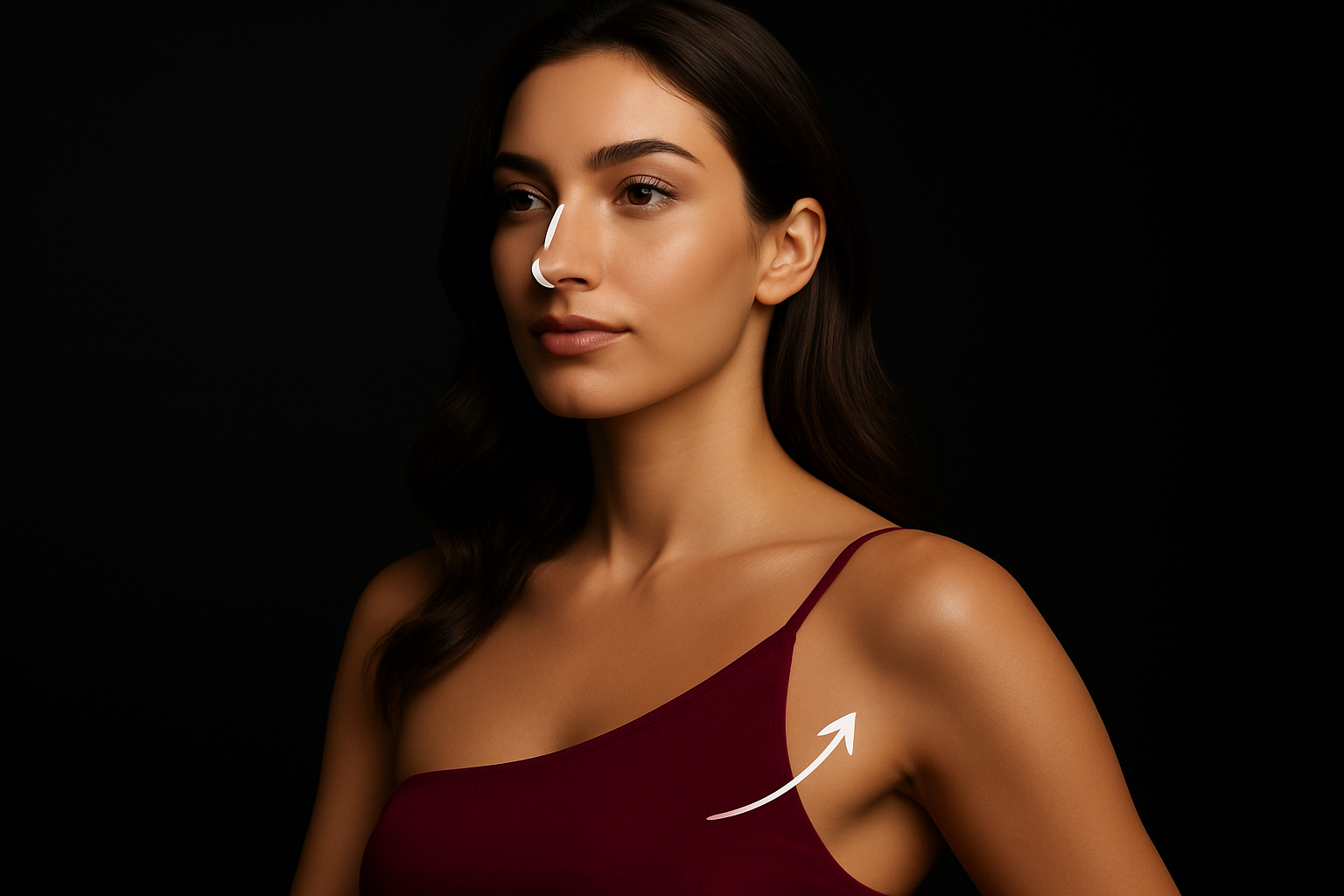
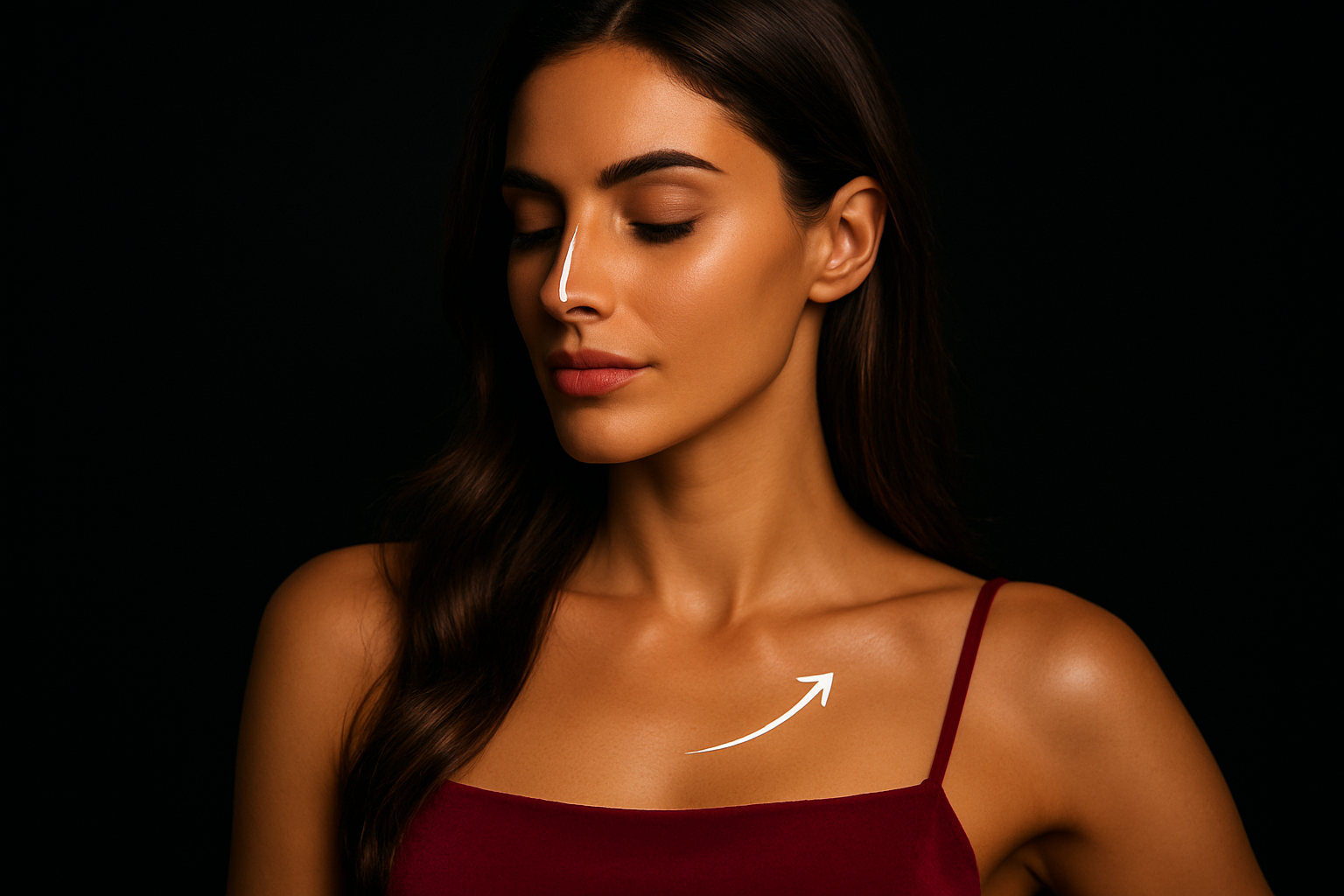
Nasal obstruction caused by a deviated septum can significantly impair daily performance, sleep quality, and overall physiological health. The nasal septum, composed of cartilage and bone, functions as the central structural partition separating the right and left nasal cavities. When this partition shifts off-center, it restricts airflow, causes chronic mucosal irritation, and often leads to recurrent sinus infections, obstructive sleep apnea, and snoring. Choosing septoplasty in Turkey offers international patients a world-class surgical solution combining elite ENT and facial plastic surgery expertise, state-of-the-art medical technology, and seamless VIP healthcare organization.
Table of Contents:
- Quick Medical Facts Summary
- Procedure & Treatment Overview
- Ideal Candidates & Medical Assessment
- Modern Surgical Techniques & Technologies
- Step-by-Step Procedure Process
- Recovery Timeline, Aftercare & Expected Results
- Global Cost & Destination Comparison (Turkey vs UK, USA, Germany, Thailand, India)
- 5-Day VIP Patient Journey in Istanbul
- Frequently Asked Questions (FAQ)
- Summary & Next Steps
At Health & Beauty Turkey, our board-certified ENT surgeons and reconstructive specialists address functional nasal impairments through precision corrective procedures. Whether performed as an isolated functional restoration or combined with aesthetic refinement via functional Rhinoplasty in Turkey guide principles, our goal is to permanently resolve airway restriction while maintaining complete structural harmony.
Quick Medical Facts Summary
| Primary Indication | Deviated nasal septum causing chronic airway obstruction |
|---|---|
| Procedure Duration | 60 to 90 minutes |
| Hospital Stay | Overnight stay or outpatient (1 night recommended) |
| Anesthesia Type | General Anesthesia |
| Initial Recovery | 7 to 10 days for splint removal and routine activity resumption |
| Final Results | Complete functional airway healing within 3 to 6 months |
| Clinical Success Rate | Exceeds 95% in symptomatic relief |
Procedure & Treatment Overview
Septoplasty is a specialized functional surgical intervention designed to straighten and re-center the nasal septum without altering the external aesthetic appearance of the nose unless specifically combined with septorhinoplasty. The operation involves precise incisions made entirely inside the nasal cavity, minimizing external scarring and preserving natural tissue planes.
During the procedure, hyperplastic cartilage or bony spurs causing airway obstruction are trimmed, repositioned, or reinforced with structural grafts. In many cases, patients with severe septal deviation also present with turbinate hypertrophy—enlargement of the vascular tissue responsible for humidifying incoming air. Our surgeons routinely perform inferior turbinate reduction alongside septoplasty to optimize internal cross-sectional airflow.
For patients seeking both functional relief and cosmetic balance, combining septoplasty with corrective nose surgery allows both structural issues and aesthetic asymmetries to be rectified in a single surgical session under one anesthetic exposure.
Ideal Candidates & Medical Assessment
Not every case of nasal obstruction stems from septal deviation. A rigorous preoperative clinical assessment is mandatory to establish suitability for septoplasty in Turkey. Ideal candidates exhibit clear clinical symptoms that have failed to respond to conservative medical management, such as nasal steroid sprays, saline irrigations, and antihistamines.
- Chronic Unilateral or Bilateral Obstruction: Persistent difficulty breathing through one or both nostrils.
- Sleep Disruption & Snoring: Impaired nocturnal breathing leading to dry mouth, morning headaches, and disrupted sleep architecture.
- Recurrent Sinusitis & Rhinitis: Blocked sinus ostia due to septal impingement, causing frequent sinus infections.
- Recurrent Epistaxis: Dryness and turbulence caused by airflow impinging on exposed septal mucosa.
- Physical Trauma History: Post-traumatic cartilage displacement resulting from sports injuries or facial trauma, frequently addressed through tailored procedures including rhinoplasty for men.
Modern Surgical Techniques & Technologies
Surgical management of the nasal septum has advanced beyond traditional destructive resections. Modern septoplasty emphasizes structural preservation, mucosal retention, and precision alignment.
- Endoscopic Septoplasty: Utilizing high-definition endoscopes, surgeons obtain magnified visualization of deep posterior septal deviations, allowing targeted spur resection with minimal tissue trauma.
- Preservation Septoplasty: Rather than excising large cartilaginous sections, the cartilage is mobilized, scored, and re-anchored into a straight central orientation, preserving natural structural rigidity.
- Radiofrequency Turbinate Reduction: Applied alongside septoplasty to shrink swollen mucosal tissues via controlled thermal energy, preventing postoperative re-obstruction.
- Internal Silicone Splints: Soft, breathable internal splints replace conventional painful nasal packing, allowing immediate postoperative nasal airflow while supporting septal healing.
Step-by-Step Procedure Process
The execution of septoplasty in Turkey follows strict clinical protocols to ensure surgical safety and reproducible outcome precision:
1. Preoperative Anesthetic & Anatomical Mapping
The patient undergoes blood analysis, electrocardiogram (ECG), and an endonasal evaluation. High-resolution diagnostic imaging or nasal endoscopy is reviewed to locate exact anatomical bottlenecks.
2. Anesthesia & Mucosal Infiltration
General anesthesia is administered. The surgeon infiltrates the septal submucosa with a local anesthetic and epinephrine solution to control bleeding and elevate the mucoperichondrial flap safely.
3. Flap Elevation & Cartilage Modification
A small incision (Freer or Killian incision) is made inside the nostril. The delicate mucoperichondrial flap is raised away from the underlying cartilage and bone. The crooked segments are straightened, reshaped, or selectively excised.
4. Fixation & Turbinate Management
The straightened septum is secured to the anterior nasal spine and dorsal framework with dissolvable sutures. Surrounding hypertrophic turbinates are reduced if necessary.
5. Closure & Splint Stabilization
The mucosal flaps are repositioned and closed with absorbable sutures. Soft silicone airway splints are placed along the septal walls to prevent hematoma formation and maintain proper alignment during early healing.
Recovery Timeline, Aftercare & Expected Results
Postoperative care directly influences functional success and patient comfort. Our clinical team provides a detailed recovery pathway to ensure optimal tissue healing.
- Days 1 to 3: Light swelling and mild serosanguinous discharge are normal. Patients must keep their head elevated and avoid strenuous activity. Nasal breathing is possible through the silicone splints.
- Days 5 to 7: Internal silicone splints are painlessly removed at our Istanbul clinic during the follow-up evaluation. Airflow improves instantly upon removal.
- Weeks 2 to 4: Internal swelling decreases substantially. Gentle saline sprays are used to keep mucosal linings moist and clear debris. Routine light exercises may resume.
- Months 3 to 6: Complete structural stabilization is achieved. Patients experience sustained improvements in daytime breathing, exercise tolerance, and nocturnal sleep quality.
Global Cost & Destination Comparison (Turkey vs UK, USA, Germany, Thailand, India)
Turkey has established itself as the global destination of choice for functional and aesthetic nasal procedures. Lower operational overheads combined with ultra-modern JCI-accredited hospital infrastructure allow Health & Beauty Turkey to deliver premium clinical care at highly competitive costs.
| Destination | Average Septoplasty Cost | JCI Accreditation Standards | Service Model | Travel Convenience |
|---|---|---|---|---|
| Turkey (Health & Beauty Turkey) | £2,000 – £3,200 | Very High (Internationally Certified) | All-Inclusive VIP (Hotel, Transfers, Care) | Excellent (Central Global Hub) |
| United Kingdom | £5,500 – £8,000 | High (NHS / Private) | Medical Only (Excludes Accommodation) | Local |
| United States | $7,500 – $12,000 | High | Medical Only (Excludes Extras) | Local |
| Germany | €4,800 – €7,500 | High | Medical Only | Moderate |
| Thailand | $3,500 – $5,000 | Moderate to High | Variable Medical Packages | Long-haul Travel |
| India | $2,200 – $3,800 | Moderate | Basic Package Options | Long-haul Travel |
5-Day VIP Patient Journey in Istanbul
Health & Beauty Turkey provides an integrated, worry-free treatment framework designed to make international medical travel stress-free and efficient:
- Day 1: VIP Arrival & Private Transfer: You are greeted at Istanbul Airport by your dedicated chauffeur and transported to your luxury 5-star hotel in a private VIP van.
- Day 2: Clinical Consultation & Surgery: In-depth meeting with your ENT surgeon, endonasal evaluation, and final surgical planning. The septoplasty is performed under general anesthesia in a accredited surgical hospital.
- Day 3 & 4: Rest & Postoperative Monitoring: Dedicated rest at your hotel with 24/7 medical coordinator assistance. A short check-up ensures comfortable healing and proper splint positioning.
- Day 5: Splint Removal, Final Evaluation & Departure: Final clinical assessment by your surgeon. Internal splints are safely removed, post-care instructions and medications are provided, and you are transferred comfortably to the airport for your return flight.
Frequently Asked Questions (FAQ)
Will septoplasty change the external appearance of my nose?
Standard septoplasty is strictly a functional procedure performed inside the nose and does not alter external cosmetics. However, if you desire aesthetic changes, septoplasty can be combined with functional rhinoplasty during the same session.
How painful is septoplasty recovery?
Septoplasty involves minimal postoperative pain, which is easily controlled with prescribed oral analgesics. Because modern surgeons use soft silicone splints instead of traditional tight gauze packing, postoperative removal is virtually painless.
How soon can I return to work and exercise?
Most patients return to desk jobs within 7 days after internal splints are removed. Light walking can start immediately, but heavy weightlifting, contact sports, and intense cardiovascular exercise should be avoided for 3 to 4 weeks.
Is septoplasty performed under general or local anesthesia?
To ensure total patient comfort, airway protection, and surgical precision, septoplasty is routinely performed under general anesthesia in fully equipped hospital operating theaters.
Summary & Next Steps
Obstructed breathing should not compromise your daily energy, sleep quality, or athletic endurance. Choosing septoplasty in Turkey with Health & Beauty Turkey ensures top-tier ENT surgical care, modern surgical technology, and an all-inclusive VIP experience from airport pick-up to complete functional recovery.
If you suffer from chronic nasal congestion, continuous snoring, or structural septal deviation, contact our medical coordination team today to receive a personal clinical consultation and custom treatment proposal.
Medical Disclaimer
The information provided in this article is intended solely for educational purposes and should not replace professional medical advice, diagnosis, or treatment. Every patient’s anatomical structure requires individual evaluation by a certified healthcare professional before undergoing any surgical intervention.
Related Articles: Rhinoplasty in Turkey guide | corrective nose surgery | rhinoplasty for men
References & Trusted Sources: National Institutes of Health (NIH) – Clinical Research | World Health Organization (WHO) – Health Guidelines | National Center for Biotechnology Information (NCBI / PubMed)