
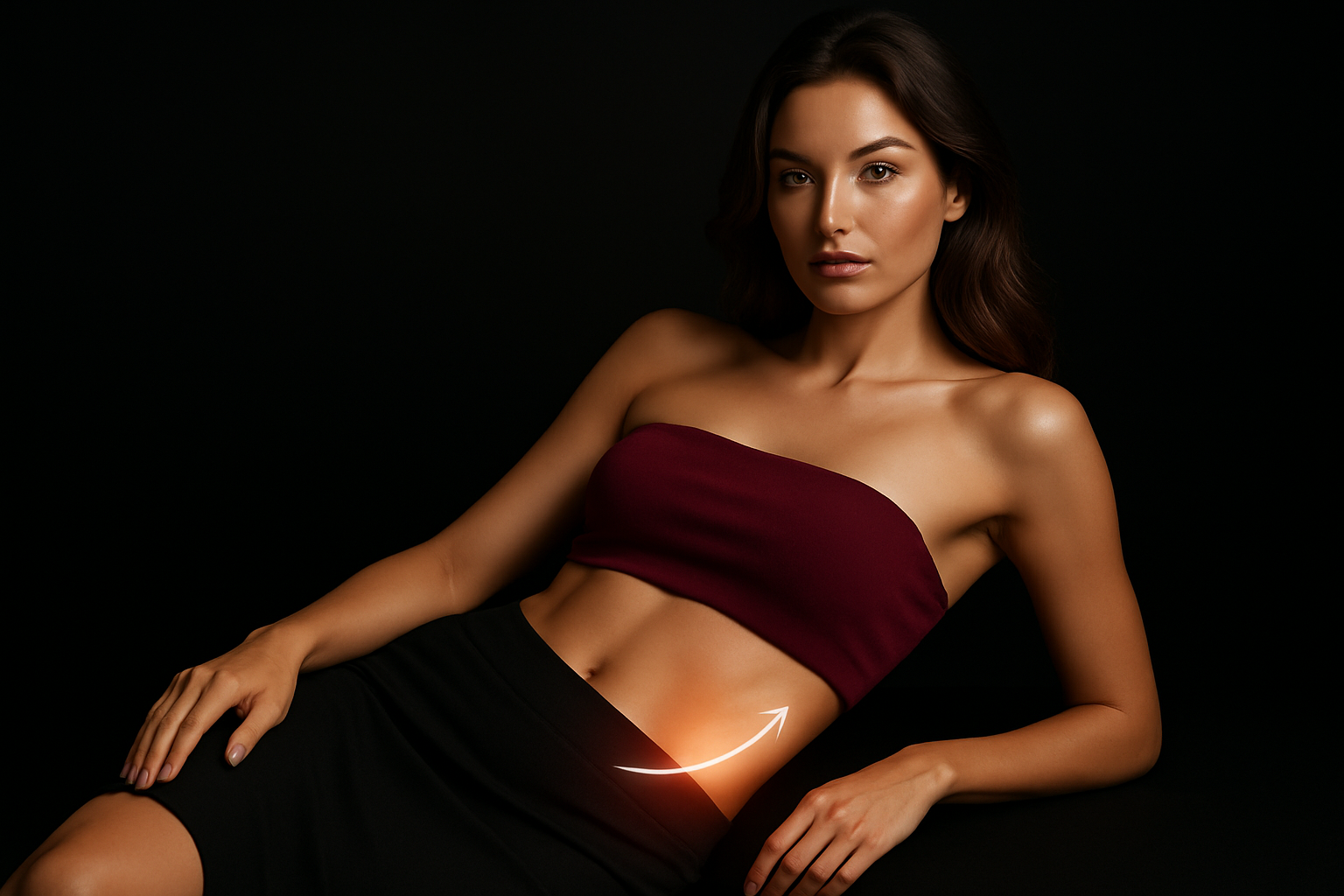
Achieving outstanding surgical outcomes depends as much on post-operative care as it does on the clinical execution in the operating theater. The process of recovery after plastic surgery requires a meticulous balance of tissue healing, cellular regeneration, swelling control, and tailored aftercare protocol. Patients traveling internationally for aesthetic refinement seek fast recovery, minimal discomfort, and natural-looking final outcomes. Turkey has emerged as a premier international hub for aesthetic surgery, combining board-certified expertise with advanced surgical facilities and comprehensive post-operative rehabilitation programs.
Table of Contents:
- Quick Medical Facts Summary
- Procedure & Treatment Overview
- Ideal Candidates & Medical Assessment
- Modern Surgical Techniques & Technologies
- Step-by-Step Procedure Process
- Recovery Timeline, Aftercare & Expected Results
- Global Cost & Destination Comparison
- 5-Day VIP Patient Journey in Istanbul
- Frequently Asked Questions (FAQ)
- Summary & Next Steps
Understanding the physiological phases of surgical recovery enables patients to prepare mentally, physically, and logistically. High-profile individuals and celebrities often undergo extensive aesthetic enhancements while appearing back in the public eye within remarkably brief timeframes. Their rapid rehabilitation relies on scientifically validated recovery protocols, modern bio-rehabilitative therapies, and strict clinical guidelines. At Health Beauty Turkey, we integrate these high-level recovery strategies into every tailored treatment plan, ensuring seamless healing, maximum patient safety, and exceptional long-term aesthetic results.
Quick Medical Facts Summary
- Hospital Stay: 1 to 2 nights (varies by procedure scope)
- Initial Recovery Duration: 7 to 14 days for primary social returning
- Full Tissue Maturation: 6 to 12 months for definitive scar softening and resolution of deep edema
- Anesthesia Type: General anesthesia or intravenous sedation with local infiltration
- Clinical Success & Satisfaction Rate: Over 98% under accredited surgical protocols
Procedure & Treatment Overview
Post-operative healing is a dynamic physiological process divided into three core stages: the inflammatory phase (days 1 to 5), the proliferative or tissue-building phase (weeks 1 to 6), and the remodeling or scar maturation phase (months 3 to 12). During these stages, the body works to heal micro-incisions, re-establish blood flow, reabsorb interstitial edema, and lay down new collagen networks.
A proper recovery protocol minimizes surgical complications such as hematoma formation, seroma accumulation, hypertrophic scarring, and localized infection. Advanced post-operative care addresses both deep tissue layers and superficial skin layers, allowing structural elements to settle into their desired contours smoothly. Whether undergoing facial rejuvenation, body contouring, or breast aesthetic surgery, following evidence-based aftercare accelerates tissue repair while safeguarding surgical precision.
Ideal Candidates & Medical Assessment
Optimal post-surgical healing begins well before the first incision is made. Candidates for plastic surgery undergo thorough medical evaluations to confirm their physiological readiness for both the procedure and the healing process. Ideal candidates include:
- Non-smokers or individuals willing to cease nicotine use for at least 4 to 6 weeks pre- and post-operatively to preserve microvascular tissue perfusion.
- Patients with a stable Body Mass Index (BMI) within a healthy range.
- Individuals without uncontrolled systemic conditions such as unmanaged hypertension or diabetes, which can impair micro-vascular wound healing.
- Patients possessing realistic expectations regarding the recovery timeline and a strong commitment to following surgical post-care instructions.
Pre-operative evaluations include extensive blood panels, cardiovascular screening, pulmonary clearance, and skin elasticity assessments. When planning combined procedures, such as reviewing liposuction vs skin tightening in Turkey, surgeons customize the post-op protocol to match the specific physical demands of each technique.
Modern Surgical Techniques & Technologies
Modern surgical innovations have transformed post-operative recovery by significantly reducing trauma to tissue matrices, blood vessels, and lymphatic networks. Key technical developments include:
- Vaser Ultrasound & Micro-Aire Liposuction: Employs targeted soundwaves or power assistance to liquefy fat cells cleanly while sparing underlying blood vessels and connective networks, markedly reducing post-operative bruising and pain.
- Tumescent Hemostatic Technique: Infiltrates specialized epinephrine and local anesthetic solutions into surgical planes prior to incision, minimizing intraoperative blood loss and immediate post-operative swelling.
- Endoscopic and Minimally Invasive Incisions: Utilizes high-definition cameras to navigate beneath tissue layers through minimal incisions, seen in procedures like the modern ponytail facelift in Turkey, leading to shorter recovery windows.
- Fibrin Tissue Glue & Barbed Sutures: Replaces traditional external tension sutures with internal tension-free closures and biological sealants, eliminating the need for extensive external drain tubes and reducing surface scar visibility.
Step-by-Step Procedure Process
The journey to successful surgical outcomes follows a standardized clinical pathway from initial consultation to final recovery clearance:
- Step 1: Clinical Consultation & Pre-Op Mapping: Detailed anatomical evaluation, digital 3D imaging, medical history review, and pre-surgical physical markings.
- Step 2: Anesthesia Administration & Surgery: Execution of the surgical plan under strict sterile conditions using advanced general anesthesia monitoring systems.
- Step 3: Immediate Post-Operative Stabilization: Recovery in a dedicated post-anesthesia care unit (PACU) with continuous monitoring of vital signs, fluid balance, and initial pain management.
- Step 4: Specialized Ward Care: Placement of medical-grade compression garments, administration of anti-inflammatory medications, and supervised early mobilization.
- Step 5: Post-Op Checkups & Specialized Therapies: Outpatient clinical reviews, wound dressings, suture removal, and initiation of tailored physical aftercare.
Recovery Timeline, Aftercare & Expected Results
The general recovery timeline varies based on procedural complexity, but follows a structured pattern across most cosmetic interventions:
- Days 1 to 3: Peak acute swelling and discomfort. Focus is on rest, pain control, hydration, and short intra-room walks to promote circulation.
- Days 4 to 7: Bruising begins to fade from deep purple to yellow-green. Primary drain removal (if applicable) and initial outer dressings are changed.
- Weeks 2 to 3: Patients generally return to light desk work and regular social activities. Residual swelling remains but major bruising resolves.
- Weeks 4 to 6: Clearance for light cardiovascular exercise. Compression garments may be transitioned to lighter support garments.
- Months 3 to 12: Final anatomical stabilization, maturation of surgical scars, and complete resolution of micro-edema.
5 Secrets for a Fast and Ideal Recovery Used by Celebrities
High-profile figures rely on cutting-edge medical recovery strategies to speed up healing without compromising their safety or results. Incorporating these techniques helps optimize the recovery process after plastic surgery:
- 1. Targeted Hyperbaric Oxygen Therapy (HBOT): Inhaling pure oxygen in a pressurized chamber increases tissue oxygen tension, promoting collagen synthesis, spurring angiogenesis, and rapidly reducing swelling.
- 2. Medical-Grade Manual Lymphatic Drainage (MLD): Utilizing gentle, specialized massage techniques performed by certified physical therapists accelerates fluid movement away from inflamed areas. Learn more about the clinical benefits of lymphatic drainage after cosmetic surgery in Turkey.
- 3. Custom Medical Compression & Biomaterial Garments: High-end recovery relies on customized, medical-grade compression garments infused with antimicrobial textiles that apply precise pressure gradients to prevent seroma formation and mold smooth tissue contours.
- 4. Specialized Bio-Nutritional Protocols: High-protein diet plans combined with target micronutrients (Vitamin C, Zinc, Bromelain, Arnica Montana, and Probiotics) reduce tissue inflammation and support microvascular healing from within.
- 5. Low-Level Light Therapy (LLLT) & Cold Laser Treatment: Exposing surgical sites to red and near-infrared LED light stimulates mitochondrial ATP production, speeding up cell repair and minimizing fine scar visibility.
These advanced techniques align with current global trends. For a broader overview of how modern medicine is evolving, explore the latest plastic surgery trends in Turkey.
Global Cost & Destination Comparison
Turkey has built a global reputation for offering world-class medical standards paired with transparent pricing structures and integrated post-operative care packages.
| Destination | Average Cost Range (Combined VIP Package) | JCI & International Accreditation | Post-Op Aftercare & VIP Integration | Travel & Accommodation Logistics |
|---|---|---|---|---|
| Turkey (Health Beauty Turkey) | €3,500 – €7,500 | High (JCI Accredited Hospitals) | Comprehensive (Includes 5-Star Hotel, VIP Transfers & Nurse Visits) | Seamless 5-Day VIP Package Included |
| United Kingdom / USA | $12,000 – $28,000 | High | Basic (Outpatient clinic visits only, aftercare costs extra) | Patient-managed travel & lodging |
| Germany | €9,000 – €18,000 | High | Standard hospital stay, limited non-clinical aftercare | Patient-managed logistics |
| Thailand | $5,000 – $10,000 | Moderate to High | Variable (Often requires separate booking) | Long flight duration for Western patients |
| India | $3,500 – $7,000 | Variable | Basic clinical packages | Complex travel arrangements |
5-Day VIP Patient Journey in Istanbul
Our all-inclusive patient pathways ensure that international patients receive top-tier medical care alongside dedicated personal support throughout their stay in Istanbul.
- Day 1: VIP Arrival & Luxury Transfer: Arrival at Istanbul Airport. Dedicated private VIP transfer to your 5-star partner hotel. Preliminary relaxation and evening pre-op preparation review.
- Day 2: Clinical Consultation & Surgical Execution: In-person evaluation with your senior plastic surgeon, final physical mapping, comprehensive pre-op blood work, and surgical intervention. Night spent under direct medical supervision in an accredited hospital.
- Day 3: Hospital Discharge & Specialized Aftercare: Morning clinical review by the surgical team. Discharge from the hospital with prescribed medications, medical compression garments, and transfer back to the hotel. Initial specialized post-op nursing visit.
- Day 4: Rest, Recovery & Lymphatic Support: Controlled rest in hotel comfort. Optional low-level laser therapy or initial gentle manual lymphatic drainage session supervised by medical personnel. Continuous 24/7 personal patient-coordinator assistance.
- Day 5: Final Evaluation, Clearance & Return Journey: In-clinic final surgical checkup, dressing changes, scar-care orientation, and delivery of detailed discharge documents. VIP private transport to Istanbul Airport for your journey home.
Frequently Asked Questions (FAQ)
How long should I stay in Turkey after plastic surgery before flying home?
Most aesthetic procedures require a stay of 5 to 7 days in Turkey. This window allows your surgeon to monitor early wound healing, remove surgical drains or primary dressings, perform final safety checks, and issue a formal fit-to-fly certificate.
When can I safely resume work and exercise following my surgery?
Most patients return to light desk work within 7 to 10 days post-surgery. Light walking is encouraged from day one to prevent deep vein thrombosis (DVT), while strenuous cardiovascular activity, heavy lifting, and intense exercise should be avoided for 4 to 6 weeks.
Why is medical compression garment compliance so vital during recovery?
Medical compression garments reduce dead space beneath the skin, preventing fluid buildup like seromas and hematomas. They also support delicate tissue planes, help decrease swelling, and guide healing tissues into smooth, desirable body contours.
What specific aftercare is required for specialized body procedures like tummy tucks or breast surgeries?
Specific procedures demand focused post-op management. For instance, detailed care guidelines can be reviewed in our clinical guide on the abdominoplasty recovery process in Turkey. Similarly, breast procedures may involve specialized supportive bras, as detailed in our analysis of breast ptosis treatment in Turkey and options for correcting breast asymmetry treatment in Turkey.
Summary & Next Steps
A swift, safe, and optimal post-operative recovery is built on meticulous surgical technique, dedicated patient compliance, and advanced post-care protocols. By combining modern surgical methods with celebrity-level recovery secrets—such as targeted hyperbaric therapy, medical lymphatic drainage, tailored nutrition, and custom compression—patients achieve high-end aesthetic outcomes with minimal downtime.
If you are considering aesthetic enhancement and want a safe, smooth healing experience in Istanbul, our elite medical consultants are ready to guide you. Contact Health Beauty Turkey today to request your personalized medical consultation and customized surgical recovery plan.
Medical Disclaimer: The information provided in this article is intended strictly for educational purposes and does not constitute formal medical advice. Individual recovery times, surgical risks, and outcomes vary based on anatomical differences and personal health profiles. Always consult a board-certified plastic surgeon for individualized clinical assessment and post-operative guidance.
Related Articles: liposuction vs skin tightening in Turkey | ponytail facelift in Turkey | lymphatic drainage after cosmetic surgery in Turkey | plastic surgery trends in Turkey | abdominoplasty recovery process in Turkey | breast ptosis treatment in Turkey | breast asymmetry treatment in Turkey
References & Trusted Sources: National Institutes of Health (NIH) – Clinical Research | World Health Organization (WHO) – Health Guidelines | National Center for Biotechnology Information (NCBI / PubMed)