
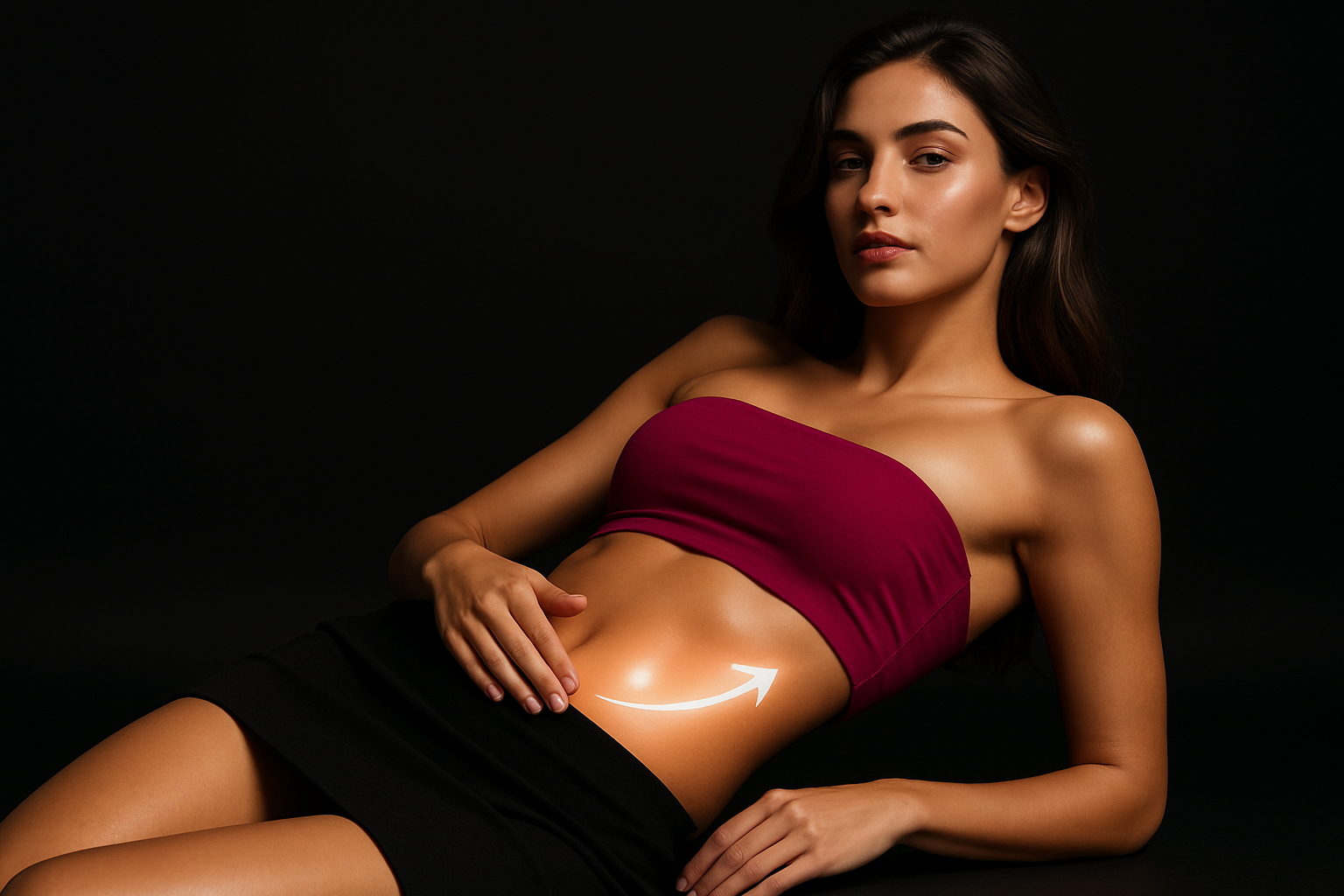
Cosmetic surgical interventions have evolved dramatically, offering patients precise aesthetic refinements and rapid bodily transformations. However, achieving surgical excellence is only half the journey. The ultimate success, crisp definition, and smoothness of any aesthetic procedure depend heavily on post-operative care protocols. Among these, post-surgical lymphatic drainage stands as the single most critical therapeutic intervention. Whether undergoing advanced 4D Body Sculpting, extensive lipo-contouring, or facial rejuvenation, understanding and implementing medical Manual Lymphatic Drainage (MLD) is paramount to preventing complications and revealing optimal clinical results.
Table of Contents:
- Procedure & Treatment Overview
- Ideal Candidates & Medical Assessment
- Modern Surgical Techniques & Technologies
- Step-by-Step Procedure Process
- Recovery Timeline, Aftercare & Expected Results
- Global Cost & Destination Comparison (Turkey vs UK, USA, Germany, Thailand, India)
- 5-Day VIP Patient Journey in Istanbul
- Frequently Asked Questions (FAQ)
- Summary & Next Steps
At Health & Beauty Turkey, our board-certified plastic surgeons and physical rehabilitation specialists integrate specialized post-operative lymphatic drainage directly into patient recovery pathways. By facilitating rapid fluid clearance, reducing surgical edema, and mitigating scar tissue adhesion, post-operative lymphatic massage converts good surgical outcomes into exceptional aesthetic transformations.
Quick Medical Facts Summary
- Average Session Duration: 30 to 60 minutes per treatment session
- Recommended Frequency: 5 to 10 sessions within the first 2 to 4 weeks post-surgery
- Hospital / Clinical Stay: Outpatient clinical setting or specialized hotel room service
- Anesthesia Type: None required (Gentle, painless non-invasive therapy)
- Clinical Success Rate: Exceeds 98% in accelerating edema resolution and preventing postoperative subcutaneous fibrosis
Procedure & Treatment Overview
During cosmetic procedures such as liposuction, abdominoplasty, or facial lifts, surgical cannulas and incisions disrupt the micro-vascular and lymphatic capillary networks residing within the subcutaneous tissue layer. The lymphatic system—a delicate network of vessels, nodes, and organs—is responsible for maintaining fluid homeostasis, filtering cellular waste, and supporting immune surveillance. When these channels are mechanically dissected or traumatized during surgery, cellular fluid and blood plasma leak into intercellular spaces, resulting in localized edema (swelling), ecchymosis (bruising), and inflammatory fluid accumulation.
Manual Lymphatic Drainage (MLD) is a specialized, gentle therapeutic technique designed to manually stimulate the rhythmic contraction of lymphatic vessels (lymphangions). Unlike traditional deep tissue massage, which applies aggressive mechanical force and can damage delicate healing tissues, lymphatic drainage utilizes precise, light-pressure, skin-stretching strokes along anatomical lymph pathways. This opens initial lymphatic capillaries, directing stagnant interstitial fluid toward functional regional lymph nodes in the axillary, inguinal, and cervical channels for natural filtration and excretion.
Ideal Candidates & Medical Assessment
Post-surgical lymphatic drainage is indicated for virtually every patient undergoing moderate to major plastic surgery. However, precise candidate evaluation by a clinical supervisor is necessary prior to starting therapy to rule out contraindications.
Primary Indications for Post-Surgical Lymphatic Drainage
- Liposuction & Body Contouring Patients: Patients undergoing Vaser Abdominal Liposuction or multi-area fat extraction experience significant interstitial fluid accumulation that requires active drainage.
- Post-Abdominoplasty Patients: Tummy tuck surgery disrupts large areas of lymphatic channels across the lower abdomen, making targeted drainage crucial to prevent lower abdominal pouching and persistent swelling.
- Post-BBL Patients: Individuals undergoing Buttock Lift and Augmentation benefit from specialized MLD surrounding the harvested areas while carefully avoiding direct pressure on transferred delicate fat grafts.
- Facial Plastic Surgery Patients: Facelift, neck lift, and blepharoplasty recovery times are drastically reduced when gentle facial lymphatic drainage is applied to clear periorbital and cervical edema.
Absolute and Relative Contraindications
While safe, MLD must be deferred or adapted under specific medical circumstances:
- Acute systemic or localized skin infections (cellulitis)
- Active deep vein thrombosis (DVT) or pulmonary embolism history
- Congestive heart failure or severe renal impairment
- Uncontrolled hypertension or unhealed open surgical wounds with active hemorrhaging
Modern Surgical Techniques & Technologies
At Health & Beauty Turkey, post-operative care incorporates medical manual techniques complemented by state-of-the-art non-invasive recovery technologies.
The Vodder and Leduc Manual Lymphatic Drainage Methods
Our licensed physical therapists employ validated clinical MLD methodologies, specifically the Vodder and Leduc techniques. These methods utilize specific stroke movements:
- Stationary Circles: Gentle, spiral motions applied to clear lymph node clusters before draining surrounding tissue.
- Pump Strokes: Curved skin movements designed to propel fluid along longitudinal lymphatic collectors.
- Scoop Strokes: Specialized wrist movements that facilitate lymph flow around anatomical curves.
Advanced Adjunctive Post-Op Recovery Modalities
To enhance manual lymphatic drainage, modern clinical protocols may incorporate medical-grade adjunctive technologies when medically cleared by the surgeon:
- Sequential Pressotherapy (Pneumatic Compression): Medical-grade inflatable sleeves or suits that apply controlled, sequential pressure gradients to lower extremities, promoting venous and lymphatic return.
- Therapeutic Low-Frequency Ultrasound: Utilized in later recovery phases to soften subcutaneous hard spots and early fibrotic nodules following high-definition body sculpting procedures such as Laser vs Vaser Liposuction.
- Radiofrequency (RF) Tissue Tightening: Combined in later post-op weeks to stimulate collagen contraction while maintaining micro-vascular tissue health.
Step-by-Step Procedure Process
Understanding the structure of a post-cosmetic surgery lymphatic drainage session helps alleviate patient anxiety and ensures optimal compliance during recovery.
Step 1: Clinical Assessment & Vital Signs Check
The specialized therapist evaluates surgical incision sites, assesses skin integrity, checks for signs of seroma formation or infection, and ensures vital signs are stable before commencing therapy.
Step 2: Proximal Lymph Node Unlocking
Therapy always begins away from the surgical site. The therapist applies extremely gentle, rhythmic pressure to central lymph node basins (such as the supraclavicular, axillary, and inguinal nodes). Unlocking these collector sites creates a suction vacuum effect within the lymphatic system.
Step 3: Directional Distal-to-Proximal Fluid Clearing
Working systematically from areas adjacent to the surgical zone toward the cleared lymph nodes, the therapist applies precise, light-touch skin stretching (typically 30 mmHg of pressure, roughly the weight of a coin). Fluid is methodically nudged away from swollen tissues into active lymph channels.
Step 4: Targeted Fibrosis Prevention
In areas where fat extraction was intensive, localized tissue hardening (fibrosis) may begin to form. The therapist utilizes specialized micro-manipulation strokes to keep subcutaneous tissues soft, pliable, and uniform.
Step 5: Garment Optimization & Post-Care Inspection
Upon session completion, the surgical incision sites are cleaned, medical foam pads are strategically adjusted if required, and the medical-grade compression garment (faja) is precisely reapplied to maintain compression and maintain lymphatic pressure gradients.
Recovery Timeline, Aftercare & Expected Results
Post-operative recovery is a dynamic physiological process. Integrating lymphatic drainage according to a structured timeline ensures predictable aesthetic outcomes.
| Recovery Stage | Physiological Phase | Lymphatic Drainage Strategy | Expected Clinical Outcome |
|---|---|---|---|
| Days 1–3 | Acute Inflammatory Phase | Light clearing of proximal non-surgical nodes only; surgeon-guided drain care. | Initial fluid stabilization; reduction of intense surgical pressure and tension. |
| Days 4–14 | Subacute / Edema Peak Phase | Direct MLD 3 to 5 times per week focusing on swelling clearance and bruising resolution. | Visible 40–60% reduction in local edema; soft tissue matrix restoration; pain reduction. |
| Weeks 3–6 | Proliferative / Fibrotic Phase | MLD combined with light tissue manipulation 2 times per week. | Prevention of rigid subcutaneous scar tissue (fibrosis); smoother skin contouring. |
| Months 2–3+ | Remodeling Phase | Maintenance sessions as needed alongside radiofrequency or light ultrasound. | Final high-definition surgical reveal; soft, fully integrated, pliable subcutaneous tissues. |
Essential Patient Aftercare Guidelines
- Stay Optimally Hydrated: Drinking adequate water is vital. Lymphatic fluid requires fluid balance to flow efficiently through nodes and excrete systemic cellular waste.
- Wear Medical Garments Consistently: Compression garments prevent fluid re-accumulation in the vacant subcutaneous pockets left by fat removal.
- Avoid Excessive Heat Exposure: Saunas, hot showers, and sun exposure cause vasodilation, increasing local fluid leakage and worsening edema.
- Maintain Light Mobilization: Gentle walking immediately stimulates calf muscle pumps, boosting systemic lymphatic return and decreasing DVT risk.
Global Cost & Destination Comparison (Turkey vs UK, USA, Germany, Thailand, India)
While plastic surgery costs vary globally, the availability and quality of structured post-operative rehabilitation services—like professional lymphatic drainage—are critical decision factors. In Western nations, post-surgical lymphatic sessions are rarely included in surgical quotes and can add thousands of dollars to overall expenses.
| Destination / Country | Average MLD Session Cost | Integrated Post-Op Package Care | JCI Accredited Infrastructure | VIP Concierge & Travel Support |
|---|---|---|---|---|
| Turkey (Health Beauty Turkey) | Included in VIP Packages / $50–$80 individual | Fully Integrated (In-Hospital & Hotel Care) | World-Class (High Density of JCI Clinics) | Comprehensive (Transfers, Translators, Hotel) |
| United Kingdom | £120 – £200 per session | Rarely Included (Outsourced Separately) | Variable Standard | Self-Managed Care Pathway |
| United States | $150 – $300 per session | Excluded (Separate Physical Therapy Fee) | High Standard / High Cost | Self-Managed Care Pathway |
| Germany | €110 – €180 per session | Limited Integration | High Standard | Basic Medical Tourism Support |
| Thailand | $60 – $100 per session | Partially Integrated | High Standard in Major Cities | Moderate Concierge Support |
| India | $40 – $70 per session | Variable Integration | Selected JCI Facilities | Basic to Moderate Support |
5-Day VIP Patient Journey in Istanbul
Health & Beauty Turkey provides an end-to-end medical recovery experience, ensuring international patients receive world-class surgical care coupled with seamless post-operative rehabilitation.
Day 1: VIP Arrival & Surgical Preparation
You arrive in Istanbul via private VIP airport transfer and are checked into a luxury partner hotel. Initial pre-operative blood panels, imaging, and consultations with your lead plastic surgeon and anesthesiologist take place.
Day 2: Surgery & Initial Post-Op Management
Your cosmetic surgery procedure is performed in an ultra-modern JCI-accredited surgical hospital. Following recovery room monitoring, you are transferred to your private inpatient suite. Early postoperative monitoring and systemic fluid stabilization begin.
Day 3: Hospital Discharge & First Lymphatic Clearance
After surgeon review and drain evaluation (if applicable), you are safely discharged to your VIP hotel. Our specialized lymphatic physical therapist visits your suite to conduct your first gentle, proximal-clearing lymphatic drainage session.
Day 4: Rehabilitation & Healing Optimization
A second targeted MLD session is performed in your hotel room or clinical rehabilitation suite. Swelling and post-surgical stiffness decrease significantly, facilitating comfortable mobility and enhanced tissue healing.
Day 5: Final Medical Evaluation & Safe Travel Approval
Your operating plastic surgeon conducts a thorough post-operative examination, inspects surgical incisions, confirms tissue recovery status, and approves your custom compression garment fitting. You are issued medical clearance documents, home aftercare instructions, and your VIP return transfer to the airport.
Frequently Asked Questions (FAQ)
Does post-surgical lymphatic drainage hurt?
No. Medical Manual Lymphatic Drainage is an extremely gentle, non-invasive treatment. Unlike deep tissue or sports massage, MLD utilizes light pressure designed to stimulate superficial lymphatic vessels lying just beneath the skin layer. Most patients find sessions highly relaxing and experience immediate relief from surgical tightness.
How soon after liposuction or body sculpting should I start lymphatic drainage?
In most body contouring cases, gentle lymphatic drainage can begin as early as 24 to 48 hours post-surgery, provided there are no active bleeding complications or contraindications. Early intervention helps clear inflammatory exudate before it can solidify into firm subcutaneous scar tissue.
What happens if I do not get lymphatic drainage after plastic surgery?
Skipping post-operative lymphatic drainage can lead to prolonged swelling, increased post-op discomfort, and a higher risk of developing seromas (fluid pockets). Most importantly, stagnant fluid can organize into persistent fibrotic nodules, creating uneven contours, waviness, or hardness beneath the skin that obscure final surgical results.
How many sessions of lymphatic drainage will I need?
While individual recovery rates vary based on procedure extent and personal physiology, most plastic surgery patients benefit from a series of 5 to 10 sessions distributed across the first 3 to 4 weeks of recovery.
Summary & Next Steps
Post-operative lymphatic drainage is not an optional luxury; it is a fundamental biological requirement for achieving smooth, sculpted, and complication-free results after cosmetic surgery. By actively facilitating the body’s natural clearance of surgical fluid, MLD minimizes swelling, accelerates tissue recovery, prevents fibrotic scar formation, and ensures that your aesthetic investment produces the exquisite outcome you desire.
If you are planning cosmetic surgery or seeking elite post-operative care in Istanbul, contact the surgical and recovery specialists at Health & Beauty Turkey today. Our medical team is ready to design a tailored, all-inclusive treatment and rehabilitation plan customized to your exact physical requirements.
Medical Disclaimer: The medical information provided in this article is intended strictly for educational and informational purposes and does not constitute formal medical advice, diagnosis, or treatment plans. Always seek direct clinical evaluation from a qualified plastic surgeon or healthcare specialist regarding your surgical recovery protocol.
Related Articles: 4D Body Sculpting | Vaser Abdominal Liposuction | Laser vs Vaser Liposuction | Buttock Lift and Augmentation
References & Trusted Sources: National Institutes of Health (NIH) – Clinical Research | World Health Organization (WHO) – Health Guidelines | National Center for Biotechnology Information (NCBI / PubMed)