
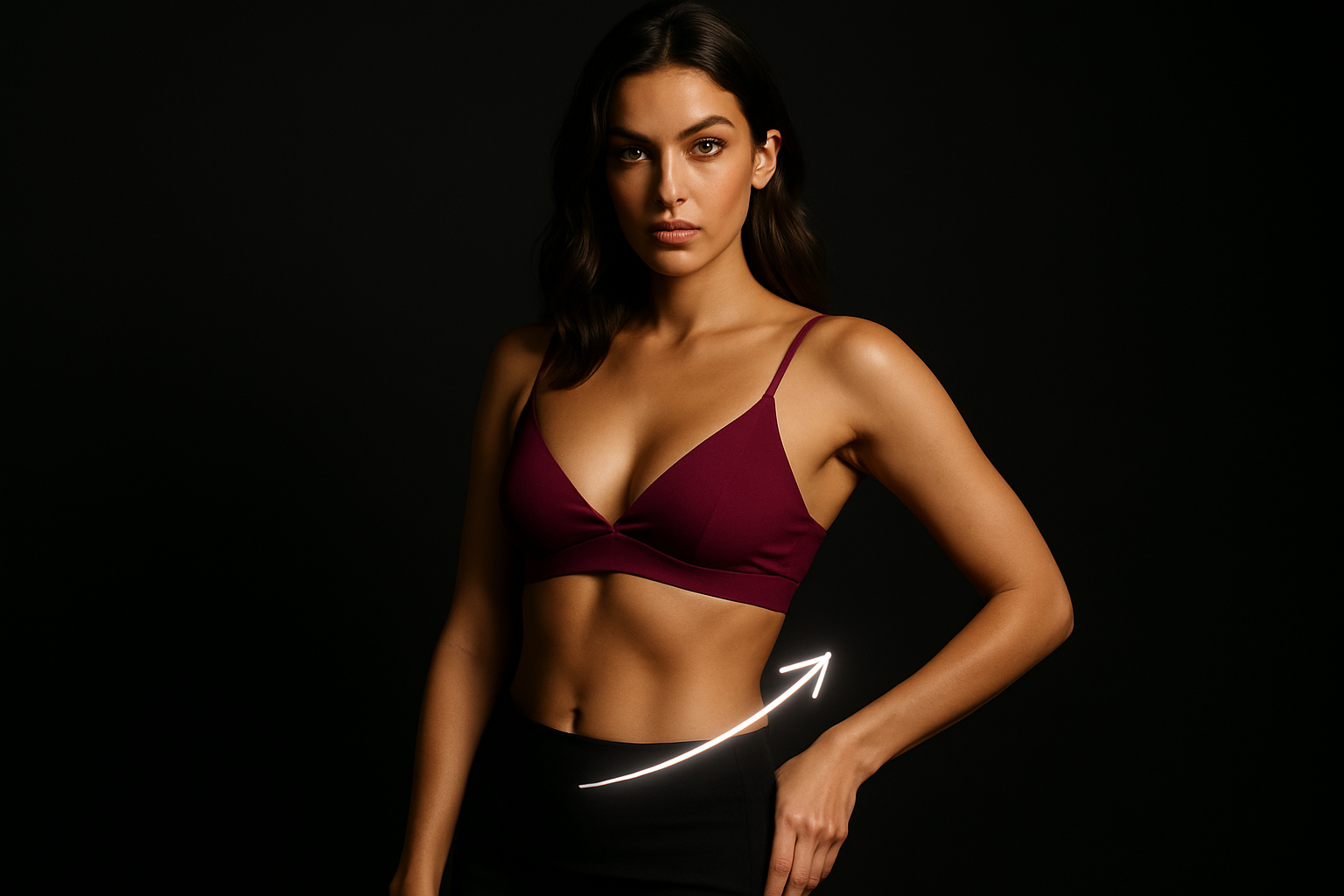
Significant weight loss, whether achieved through lifestyle modification or bariatric surgery, is a transformative health milestone. However, the physical reality that often follows massive weight reduction—or naturally occurs due to advanced aging and pregnancy—is cutaneous laxity. When the elastic fibers within the dermis are stretched beyond their anatomical threshold over prolonged periods, they lose their structural resilience. This results in extensive hanging tissue that no longer conforms to the underlying musculoskeletal framework.
Table of Contents:
- Procedure & Treatment Overview
- Ideal Candidates & Medical Assessment
- Modern Surgical Techniques & Technologies
- Step-by-Step Procedure Process
- Recovery Timeline, Aftercare & Expected Results
- Global Cost & Destination Comparison (Turkey vs UK, USA, Germany, Thailand, India)
- 5-Day VIP Patient Journey in Istanbul
- Frequently Asked Questions (FAQ)
- Summary & Next Steps
Surgical loose skin removal, clinically categorized under post-bariatric body contouring and reconstructive plastic surgery, is the definitive medical solution for restoring body contours, relieving physical discomfort, and reinstating self-confidence. Turkey has emerged as a globally recognized destination for specialized post-bariatric and cosmetic surgery, offering state-of-the-art surgical facilities, board-certified reconstructive surgeons, and rigorous patient safety standards. This guide provides an exhaustive clinical overview of loose skin removal procedures, candidate evaluation, modern surgical techniques, post-operative care, and realistic treatment expectations.
| Medical Metric | Clinical Specification |
|---|---|
| Procedure Duration | 3 to 6 hours (varies based on targeted anatomical zones) |
| Hospital Stay | 1 to 2 nights inpatient monitoring |
| Anesthesia Type | General Anesthesia with endotracheal intubation |
| Initial Recovery Period | 14 to 21 days for non-strenuous daily activities |
| Full Recovery & Exercise | 6 to 8 weeks post-operatively |
| Surgical Success Rate | Over 98% clinical satisfaction rate |
Procedure & Treatment Overview
Loose skin removal encompasses a range of tailored reconstructive procedures designed to excise excess cutaneous and subcutaneous tissue while repositioning remaining structural elements for optimized anatomical alignment. Chronic skin laxity can lead to physical complications such as intertrigo (dermal intertriginous chafing), recurrent fungal infections, hygiene difficulties, and biomechanical imbalances during movement. Surgical excision directly addresses both aesthetic concerns and functional impairments.
Depending on individual anatomical evaluation, body contouring may target single or multiple anatomical regions. Common surgical interventions include:
- Abdominoplasty and Panniculectomy: Surgical excision of excess abdominal skin and apron-like fat rolls (panniculus), frequently paired with rectus abdominis muscle diastasis repair.
- Brachioplasty: Resection of redundant skin extending from the axilla to the elbow along the medial upper arm.
- Thigh Lift (Medial Thighplasty): Excision of loose skin along the inner thighs to eliminate chafing and restore lower-body symmetry.
- Circumferential Body Lift (Belt Lipectomy): 360-degree excision encompassing the abdomen, flanks, lower back, and buttocks for comprehensive mid-body restructuring.
- Mastopexy (Breast Lift): Elevation and reshape of ptotic breast tissue, with or without volumetric restoration via implants.
These procedures fall under the broader discipline of comprehensive cosmetic surgery in Turkey, where surgical planning prioritizes anatomical harmony, scar concealment, and patient safety.
Ideal Candidates & Medical Assessment
Determining candidacy for loose skin removal requires rigorous clinical screening to minimize surgical risks and optimize aesthetic outcomes. Patients considering post-bariatric body contouring must meet specific physiological and psychological criteria prior to surgery.
- Weight Stability: Candidates must maintain a stable Body Mass Index (BMI) for at least 3 to 6 months prior to surgery. Fluctuations in weight post-surgery can compromise structural results.
- Overall Health & Lab Values: Adequate nutritional parameters—specifically normal serum albumin and hemoglobin levels—are critical for postoperative wound healing and primary tissue closure.
- Smoking Cessation: Nicotine impairs microvascular perfusion and severely increases the risk of skin flap necrosis and wound dehiscence. Patients must refrain from smoking for a minimum of 4 to 6 weeks before and after surgery.
- Realistic Expectations: Patients must recognize that surgical skin excision involves long permanent scars strategically placed within natural body folds wherever anatomically feasible.
For individuals presenting localized lower facial or submental laxity without extensive corporal skin excess, non-surgical options such as non-surgical double chin removal may be evaluated during the initial clinical consultation.
Modern Surgical Techniques & Technologies
Advanced body contouring relies on surgical precision and modern medical technology to enhance tissue handling, minimize blood loss, and optimize scar maturation.
High-Definition Electrocautery & Hemostasis
Surgeons utilize ultra-fine electrocautery dissectors that simultaneously cut tissue and coagulate blood vessels. This technique minimizes intraoperative blood loss, reduces postoperative seroma formation, and shortens operative duration.
Synergistic Liposuction Integration
In many cases, surgical skin excision is combined with advanced energy-assisted liposuction (such as VASER ultrasound technology). Liposuction thins subcutaneous adipose layers prior to skin resection, allowing for smoother tissue transitions and superior aesthetic contouring. Patients frequently evaluate whether a tummy tuck vs. liposuction is appropriate for their specific abdominal profile; post-bariatric cases often require a combined surgical approach.
Progressive Tension Suturing (PTS)
To reduce tension on primary skin closure lines and minimize reliance on external closed-suction drains, plastic surgeons implement progressive tension suture techniques. Quilting deep subcutaneous tissues to the underlying fascia distributes tension evenly, promoting safer wound healing and diminished fluid accumulation.
Step-by-Step Procedure Process
Surgical loose skin removal is a meticulously planned operating room procedure executed under general anesthesia. The step-by-step process follows standard international surgical protocols:
1. Pre-Operative Anatomical Marking
While the patient is in an upright standing position, the lead plastic surgeon marks precise excision lines, incision vectors, and structural reference points. Marking while standing is essential, as gravity alters skin displacement when lying flat.
2. Anesthesia & Surgical Preparation
General endotracheal anesthesia is administered by a specialized anesthesiologist. The surgical field is thoroughly disinfected with antiseptic solutions, and sterile surgical draping is applied.
3. Incision & Deep Dissection
Careful surgical incisions are made along the pre-marked guidelines. Subcutaneous dissection elevates the skin flap off the underlying muscular fascia while preserving critical neurovascular structures.
4. Structural Muscle & Fascial Repair
In abdominal body lifting, if rectus muscle diastasis (separation of abdominal muscles) is present, the surgeon performs muscle plication using permanent sutures to reinforce the abdominal wall core.
5. Excision of Excess Tissue
Redundant skin and subcutaneous fat are resected. For upper body refinement, targeted interventions like specialized arm lift surgery in Turkey remove hanging upper arm skin, aligning arm contours with the rest of the body.
6. Drain Placement & Multi-Layer Wound Closure
Surgical drains may be placed within subcutaneous spaces to evacuate residual fluid. Multi-layer dermal suturing using absorbable structural sutures ensures deep tissue approximation, minimizing tension on superficial skin edges to encourage fine scar formation.
Recovery Timeline, Aftercare & Expected Results
Postoperative recovery is a structured, gradual process. Adherence to medical aftercare protocols directly influences tissue healing, scar formation, and final aesthetic contouring.
Days 1 to 7: Initial Postoperative Care
Patients spend the first 24 to 48 hours in the hospital under continuous clinical surveillance. Pain management protocols involving intravenous analgesics keep the patient comfortable. Early ambulation is enforced starting on Day 1 to prevent deep vein thrombosis (DVT). Patients are fitted with medical-grade compression garments designed to support surgical sites and control edema.
Weeks 2 to 4: Early Healing & Drain Removal
Surgical drains, if placed, are typically removed within 7 to 14 days based on daily fluid output levels. Superficial skin healing progresses, and light walking is encouraged. Most patients can return to desk work after 2 to 3 weeks, provided no heavy lifting or strenuous exertion is involved.
Weeks 6 and Beyond: Scar Therapy & Final Results
By week 6, deep tissue layers have achieved substantial structural strength. Patients can resume full physical activities and sports under surgeon approval. Silicone scar gels, compression sheets, and micro-needling or laser treatments may be prescribed to optimize scar maturation over the course of 12 to 18 months.
Global Cost & Destination Comparison (Turkey vs UK, USA, Germany, Thailand, India)
Selecting Turkey for body contouring procedures offers patients access to international-standard healthcare facilities, JCI-accredited hospitals, and highly experienced reconstructive surgeons at transparent, competitive rates.
| Destination Country | Average Procedure Cost | JCI Quality Accreditation | Travel & Access Convenience | All-Inclusive VIP Care Packages |
|---|---|---|---|---|
| Turkey (Health Beauty Turkey) | €3,500 – €6,500 | High (Numerous JCI Facilities) | Direct flights from major global cities | Comprehensive (Hotel, Transport, Care) |
| United Kingdom | £8,000 – £16,000 | High (CQC Standards) | Domestic travel | Rarely available (Hospital fees separate) |
| United States | $10,000 – $22,000 | High (AAAASF / JCI) | Domestic travel | Excluded (Surgeon & Facility fees billed separately) |
| Germany | €7,500 – €14,000 | High (TÜV / DIN Standards) | Central European transit | Limited bundle options |
| Thailand | $4,500 – $8,500 | Moderate – High | Long-haul flight times | Available in select medical hubs |
| India | $3,800 – $7,000 | Moderate – High | Long-haul travel & visa requirements | Select hospital bundles |
5-Day VIP Patient Journey in Istanbul
At Health Beauty Turkey, patient safety, surgical precision, and comfort are integrated into a seamlessly organized 5-day care journey:
- Day 1: VIP Arrival & Medical Transfer: Private luxury transport meets the patient at Istanbul Airport and transfers them to their premium partner hotel. Initial pre-op documentation and preparation are reviewed.
- Day 2: In-Person Consultation & Surgery: Detailed face-to-face evaluation with the lead plastic surgeon, comprehensive pre-operative blood work, cardiovascular clearance, and execution of the surgical procedure under general anesthesia. Night spent in private hospital room under medical supervision.
- Day 3: Inpatient Recovery & Clinical Monitoring: In-hospital care, mobility assessment, pain management, and routine checks by nursing staff and attending physicians. Transition to partner hotel upon medical clearance on Day 3 or Day 4.
- Day 4: Rest & Hotel Recovery: Relaxed recovery at the hotel with continuous access to post-operative support care, medication administration, and specialized dietary guidelines.
- Day 5: Post-Op Check, Drain/Dressing Evaluation & Flight Clearance: Final clinical evaluation at the surgical center. The surgeon checks wound healing, removes drains if appropriate, changes dressings, provides customized post-care instructions, and issues fit-to-fly certification.
Frequently Asked Questions (FAQ)
Is loose skin removal surgery painful?
During the surgery, patients are under general anesthesia and feel no pain. Postoperatively, mild to moderate soreness, tightness, and discomfort are managed effectively using prescribed analgesic medications. Most patients experience significant pain reduction within the first 5 to 7 days.
Will loose skin removal leave noticeable scars?
Yes, surgical skin resection requires incisions that leave permanent scars. However, expert plastic surgeons strategically position incisions within concealed anatomical areas, such as lower bikini lines, natural arm creases, or inner thigh folds. Over 12 to 18 months, scars mature, flatten, and fade significantly with proper topical scar therapy.
Can multiple body contouring procedures be performed simultaneously?
Yes, combining procedures (such as a extended tummy tuck combined with an arm lift or breast lift) is common. However, the decision depends on patient medical clearance, total operative time, and overall physiological reserve to ensure safety remains paramount.
How long do the results of loose skin removal last?
Results are long-lasting provided the patient maintains a stable body weight and follows a balanced lifestyle. While normal tissue aging will continue, the resected skin does not return.
Summary & Next Steps
Loose skin removal surgery provides a transformative bridge between major weight loss achievements and physical bodily comfort. By removing excess tissue folds, relieving chronic dermal irritation, and refining anatomical contours, patients gain renewed mobility and heightened self-confidence. Choosing a specialized clinic equipped with experienced surgeons, high-tech hospital infrastructure, and structured international post-care protocols ensures safe, predictable outcomes.
If you are considering loose skin removal and wish to explore personalized treatment plans tailored to your specific anatomical goals, we invite you to contact our expert medical consultation team at Health Beauty Turkey today for a confidential, thorough surgical assessment.
Medical Disclaimer: The information provided in this article is for educational purposes only and does not constitute formal medical advice. Any surgical procedure carries inherent risks. A personal consultation with a qualified, board-certified plastic surgeon is mandatory to determine individual candidate suitability and specific treatment plans.
Related Articles: comprehensive cosmetic surgery in Turkey | non-surgical double chin removal | tummy tuck vs. liposuction | arm lift surgery in Turkey
References & Trusted Sources: National Institutes of Health (NIH) – Clinical Research | World Health Organization (WHO) – Health Guidelines | National Center for Biotechnology Information (NCBI / PubMed)