Introduction
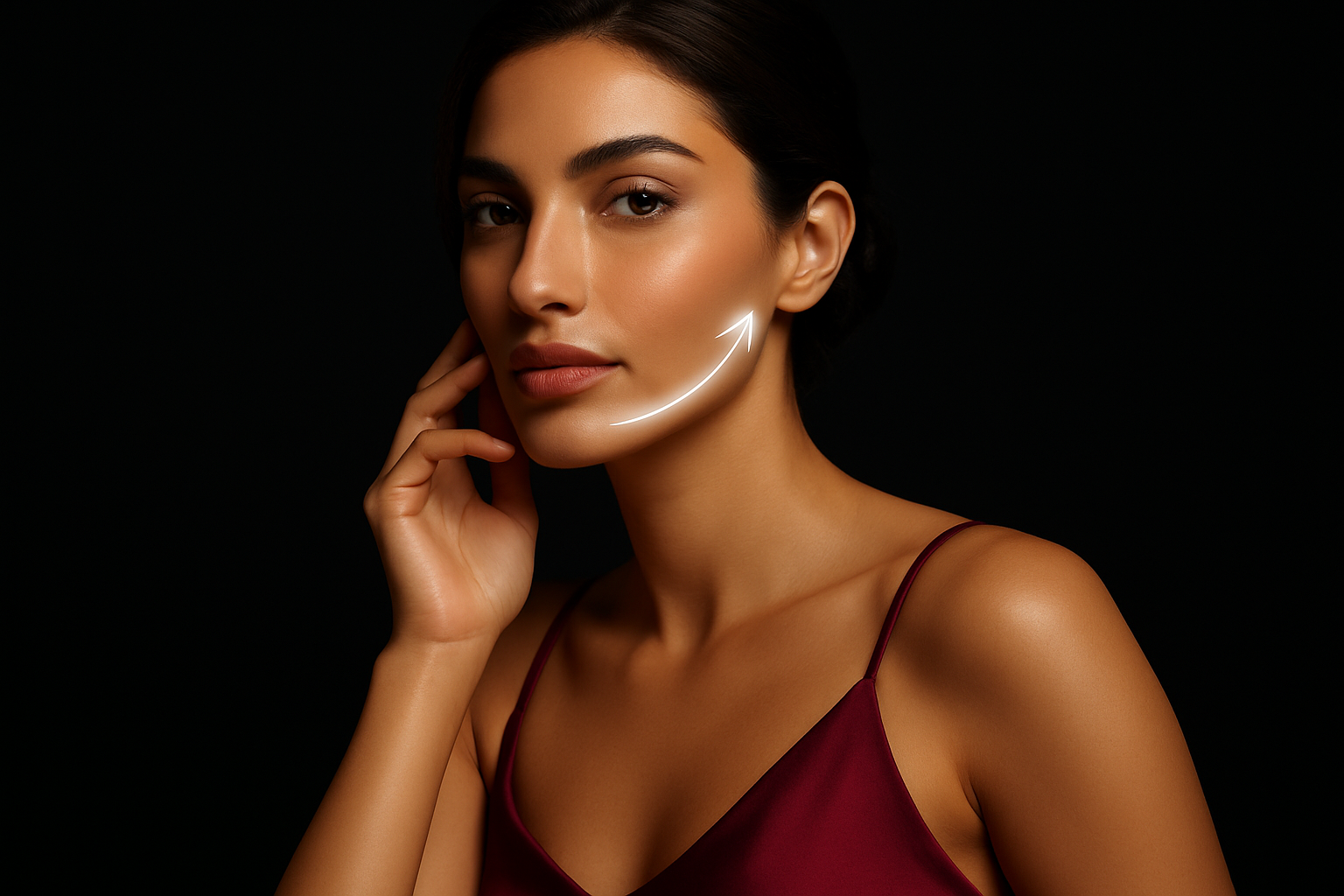
Facial harmony and definition are fundamental elements of aesthetic attractiveness. Many individuals struggle with persistently rounded or disproportionately full cheeks—often referred to as ‘baby fat’—that persist despite maintaining an optimal body mass index and engaging in rigorous fitness routines. This physiological characteristic is primarily governed by the buccal fat pad, a specialized deep anatomical structure located within the mid-facial subcutaneous tissue. For patients seeking a more sculpted, V-shaped facial profile with pronounced cheekbone projection and clear jawline demarcation, bichectomy cheek sculpting offers a precise, permanent surgical solution.
Table of Contents:
- Introduction
- Quick Medical Facts Summary
- Procedure & Treatment Overview
- Ideal Candidates & Medical Assessment
- Modern Surgical Techniques & Technologies
- Step-by-Step Procedure Process
- Recovery Timeline, Aftercare & Expected Results
- Global Cost & Destination Comparison
- 5-Day VIP Patient Journey in Istanbul
- Frequently Asked Questions (FAQ)
- Summary & Next Steps
Opting for a bichectomy in turkey at Health & Beauty Turkey combines elite maxillofacial and aesthetic surgical expertise with advanced minimally invasive techniques. Performed through discrete intraoral incisions, buccal fat removal permanently refines the lower mid-face without leaving external visible scars. Understanding the surgical nuances, anatomical considerations, recovery protocols, and expected outcomes empowers patients to make informed decisions regarding their aesthetic journey.
Quick Medical Facts Summary
| Procedure Name | Bichectomy (Buccal Fat Pad Removal) |
|---|---|
| Surgical Duration | 30 to 45 minutes |
| Anesthesia Type | Local anesthesia with light sedation (or general anesthesia upon request) |
| Hospital Stay | Outpatient / Day surgery (0 nights hospital stay) |
| Initial Recovery Time | 3 to 7 days for surface healing; soft food diet for 5 days |
| Final Results Timeline | 2 to 4 months following complete soft tissue resolution |
| Success & Satisfaction Rate | 98% clinical satisfaction rate |
Procedure & Treatment Overview
Bichectomy, clinically recognized as buccal fat pad excision, is a refined facial plastic surgery procedure designed to reduce the prominence of the mid-facial cheeks. The buccal fat pad (Pad of Bichat) is an encapsulated mass of adipose tissue situated within the buccal space, bordered by the masseter muscle laterally and the buccinator muscle medially. While this tissue plays a key functional role during infant suckling, its retention into adulthood often results in a soft, overly rounded facial appearance that blurs the natural contours of the zygomatic arch (cheekbones) and mandible (jawline).
Unlike superficial facial fat, which responds to overall weight loss and physical exercise, the deep buccal fat pad is structurally resistant to diet and metabolic changes. During a bichectomy, a specialized plastic surgeon accesses this fat tissue intraorally—from inside the mouth—and gently excises a calibrated portion of the pad. By preserving the facial nerve branches and parotid duct (Stensen’s duct), the surgeon creates a subtle hollow beneath the cheekbones, emphasizing the natural facial bone architecture without compromising structural integrity or premature aging dynamics.
Ideal Candidates & Medical Assessment
Determining clinical candidacy for buccal fat pad removal requires a comprehensive pre-operative consultation and physical examination. A surgeon evaluates facial bone structure, skin elasticity, thickness of the subcutaneous layer, and overall patient health to ensure optimal aesthetic outcomes.
- Mid-Facial Fullness: Individuals with genetically persistent, round, or chubby lower cheeks despite maintaining a healthy, stable weight.
- Defined Bone Structure: Patients with good underlying zygomatic (cheekbone) and mandibular (jawbone) definition who desire greater visual prominence of these features.
- Good Skin Elasticity: Firm, elastic skin is vital so the soft tissues can drape smoothly over the newly sculpted contour without sagging.
- Age Considerations: Ideally performed on patients aged 20 to 45 years. Performing bichectomy on patients with significant facial fat atrophy or laxity may risk an overly gaunt appearance later in life.
- Realistic Expectations: Understanding that bichectomy provides subtle to moderate mid-facial narrowing rather than drastic alterations to skeletal structure.
- Non-Smokers: Candidates who are non-smokers or willing to cease smoking pre- and post-operatively to support intraoral wound healing.
Modern Surgical Techniques & Technologies
Advanced cosmetic facial surgery emphasizes minimal tissue trauma, rapid recovery, and absolute precision. In modern clinical settings in Istanbul, surgeons utilize state-of-the-art instruments to optimize the bichectomy procedure:
- Micro-Intraoral Incisions: Accessing the buccal fat pad requires an incision measuring only 1.0 to 1.5 cm inside the cheek mucosa, directly opposite the second upper molar. This approach eliminates any visible facial scars.
- Bipolar Radiofrequency Coagulation: Precision electrocautery and bipolar instrumentation allow for careful devascularization and gentle tease-extraction of the encapsulated fat while minimizing micro-bleeding and localized trauma.
- Anatomical Preservation Protocols: High-definition loupe magnification ensures clear visualization of the parotid duct orifice and the buccal branches of the facial nerve, guaranteeing functional safety.
- Absorbable Mucosal Sutures: The intraoral wounds are closed using ultra-fine, self-dissolving sutures (such as Vicryl), eliminating the discomfort of postoperative stitch removal.
For individuals interested in comprehensive facial rejuvenation, bichectomy is frequently combined with complementary procedures such as chin liposuction, jawline contouring, or dermal fillers. Patients can review our broader guide to safe plastic surgery in Turkey to explore combined treatment pathways.
Step-by-Step Procedure Process
The bichectomy procedure follows a rigorous medical protocol designed to ensure patient safety, comfort, and precise aesthetic execution:
1. Pre-Operative Preparation & Local Anesthesia
The intraoral cavity is disinfected with an antiseptic oral solution. Local anesthetic containing a vasoconstrictor (lidocaine with epinephrine) is infiltrated into the buccal mucosa to ensure complete pain control and minimize intraoperative micro-bleeding.
2. Intraoral Incision
A small horizontal or vertical incision (approx. 1 cm) is carefully made in the mucous membrane on the inner aspect of the cheek, slightly above the second upper molar tooth.
3. Blunt Dissection & Exposure
Using blunt surgical scissors or forceps, the surgeon gently separates the fibers of the buccinator muscle without cutting through muscle bundles. This opens the fascia surrounding the buccal fat pad.
4. Calibrated Extraction of the Buccal Fat Pad
External pressure is applied gently to the outside of the cheek, coaxing the encapsulated fat pad through the incision. The surgeon carefully teases out the required volume of fat—typically 2 to 4 cubic centimeters per side—ensuring exact symmetry between both cheeks.
5. Hemostasis & Suturing
The base of the fat pad is cauterized using bipolar radiofrequency and divided. The remaining portion of the pad retreats naturally into the deep facial space. The mucosal incision is then closed using 2-3 absorbable sutures.
Recovery Timeline, Aftercare & Expected Results
Recovery following a bichectomy in turkey is straightforward and generally associated with minimal discomfort. Because the incision is entirely internal, post-operative care centers primarily on oral hygiene and swelling management.
Day 1 to 3: Immediate Post-Operative Phase
Mild to moderate soft tissue swelling is expected, similar to standard dental procedures. Mild bruising may occur but is usually minimal. Patients must maintain a strict soft, lukewarm, or cool liquid diet (purées, smoothies, soups) to prevent disruption of the intraoral suture line. Oral antiseptic rinses must be used after every meal.
Day 4 to 7: Early Healing Phase
Swelling peaks around Day 3 and begins to decline rapidly. Patients can transition back to a normal soft-food diet. Strenuous physical exercise, hot baths, and vigorous jaw movements should be avoided during this time.
Week 2 to 4: Tissue Stabilization
Intraoral sutures fully dissolve. Most localized swelling resolves, revealing initial refinements in the lower cheek region. Normal exercise routines may be resumed gradually.
Months 2 to 4: Final Sculpted Results
As deep tissue edema completely dissipates and the skin adapts to the reduced volume beneath the zygomatic arch, the definitive sculpted look emerges. The result is a refined cheek contour, enhanced cheekbone prominence, and a more slender, defined facial architecture that remains permanent.
Patients seeking further details regarding localized surgical options may also explore specialized cheek fat reduction procedures and facial sculpting consultations.
Global Cost & Destination Comparison
Turkey has established itself as an international center of excellence for plastic and reconstructive surgery. Combining high clinical standards accredited by internationally recognized bodies with cost-effective healthcare infrastructure, Istanbul offers patients unmatched value for facial sculpting procedures.
| Destination / Criteria | Average Cost (USD) | Facility Accreditation | Travel & Access Convenience | VIP All-Inclusive Service |
|---|---|---|---|---|
| Turkey (Health & Beauty Turkey) | $1,500 – $2,500 | JCI Accredited & Ministry of Health Certified | High (Direct flights globally, seamless visa entry) | Full (Includes VIP transfers, 5-star hotel, dedicated translator) |
| United Kingdom | $4,000 – $6,500 | CQC Registered | High (Domestic) | Not included (Surgical fee only) |
| United States | $4,500 – $8,000 | AAAASF / AAAHC | High (Domestic) | Not included (Surgical fee only) |
| Germany | $3,800 – $6,000 | TÜV / ISO Standards | High (EU cross-border) | Rarely included |
| Thailand | $2,200 – $3,500 | JCI Accredited | Moderate (Long-haul flights) | Varies by clinic package |
| India | $1,800 – $2,800 | NABH / JCI Accredited | Moderate (Long travel times) | Basic transport options |
5-Day VIP Patient Journey in Istanbul
At Health & Beauty Turkey, every international patient receives high-end, personalized care from arrival to final clearance. Here is what your 5-day medical itinerary for a bichectomy looks like:
Day 1: Arrival & Private VIP Transfer
You arrive at Istanbul Airport (IST or SAW), where a private chauffeur meets you at the terminal. You are transported in a luxury VIP vehicle to your 5-star hotel in central Istanbul to rest and prepare for your consultation.
Day 2: In-Person Consultation & Surgery Day
You are escorted to our surgical facility for a comprehensive examination with your facial plastic surgeon. Pre-operative blood tests, facial mapping, and final surgical planning are conducted. The 30-to-45-minute procedure is performed comfortably under local anesthesia or sedation. After a short observation period, you return to your hotel with prescribed medications and detailed aftercare instructions.
Day 3: Rest & Guided Recovery
A relaxing recovery day at your hotel. You follow a prescribed soft food regimen and warm/cool compresses while our medical coordinators check in on your comfort and healing progress.
Day 4: Follow-Up Examination & Local Sightseeing
You visit the clinic for a routine post-operative evaluation. Your surgeon examines the intraoral suture lines and checks for symmetrical healing. With full mobility and minimal downtime, you may spend the afternoon enjoying Istanbul’s historic landmarks.
Day 5: Final Evaluation & VIP Departure
Your surgeon conducts a final check, confirms successful healing, and issues your travel clearance along with personalized long-term aftercare guidelines. Your private VIP driver transfers you back to the airport for your flight home.
Frequently Asked Questions (FAQ)
Is buccal fat removal permanent?
Yes, the excision of the buccal fat pad yields permanent results. Adipose cells in this deep facial layer do not regenerate once removed. However, extreme body weight gain can expand remaining adjacent facial fat cells, so maintaining a stable weight is recommended.
Will a bichectomy leave visible scars on my face?
No. The entire procedure is performed through tiny incisions made inside the mouth on the inner cheek mucosa. There are zero external cuts or visible scars on the outer facial skin.
Is the bichectomy procedure painful?
The procedure is entirely painless during execution due to local anesthesia or mild intravenous sedation. Post-operative discomfort is minimal and easily managed with standard prescribed analgesics and cold therapy during the first 48 hours.
Will buccal fat removal make me look prematurely aged later in life?
When performed by an experienced facial plastic surgeon who carefully evaluates skin elasticity and structural volume, bichectomy does not cause premature aging. Surgeons only remove a conservative, calibrated portion of the fat pad to maintain natural tissue dynamics over time.
Summary & Next Steps
Bichectomy cheek sculpting offers a reliable, minimally invasive, and permanent path toward achieving a contoured, elegant mid-facial profile. By removing excess volume from the buccal space, this procedure highlights your natural cheekbones and refines your lower facial structure without external scarring or extended downtime.
Health & Beauty Turkey provides world-class aesthetic surgical care combined with seamless VIP hospitality in Istanbul. If you are ready to explore how buccal fat pad removal can elevate your facial aesthetic, reach out to our medical team today for a personalized remote assessment and surgical treatment plan.
Medical Disclaimer: The information provided in this article is for educational and informational purposes only and does not constitute formal medical advice, diagnosis, or treatment. Individual surgical outcomes may vary based on personal anatomy, health status, and adherence to post-operative instructions. Always consult a qualified, board-certified plastic surgeon prior to undergoing any cosmetic medical procedure.
Related Articles: T眉rkiye’de G眉venli Estetik Cerrahi Rehberi: Teknikler, Maliyetler ve VIP Hizmetler | نحت الخدين بيشكتومي (شفط دهون الخد) في تركيا: وجه أكثر أناقة
References & Trusted Sources: National Institutes of Health (NIH) – Clinical Research | World Health Organization (WHO) – Health Guidelines | National Center for Biotechnology Information (NCBI / PubMed)