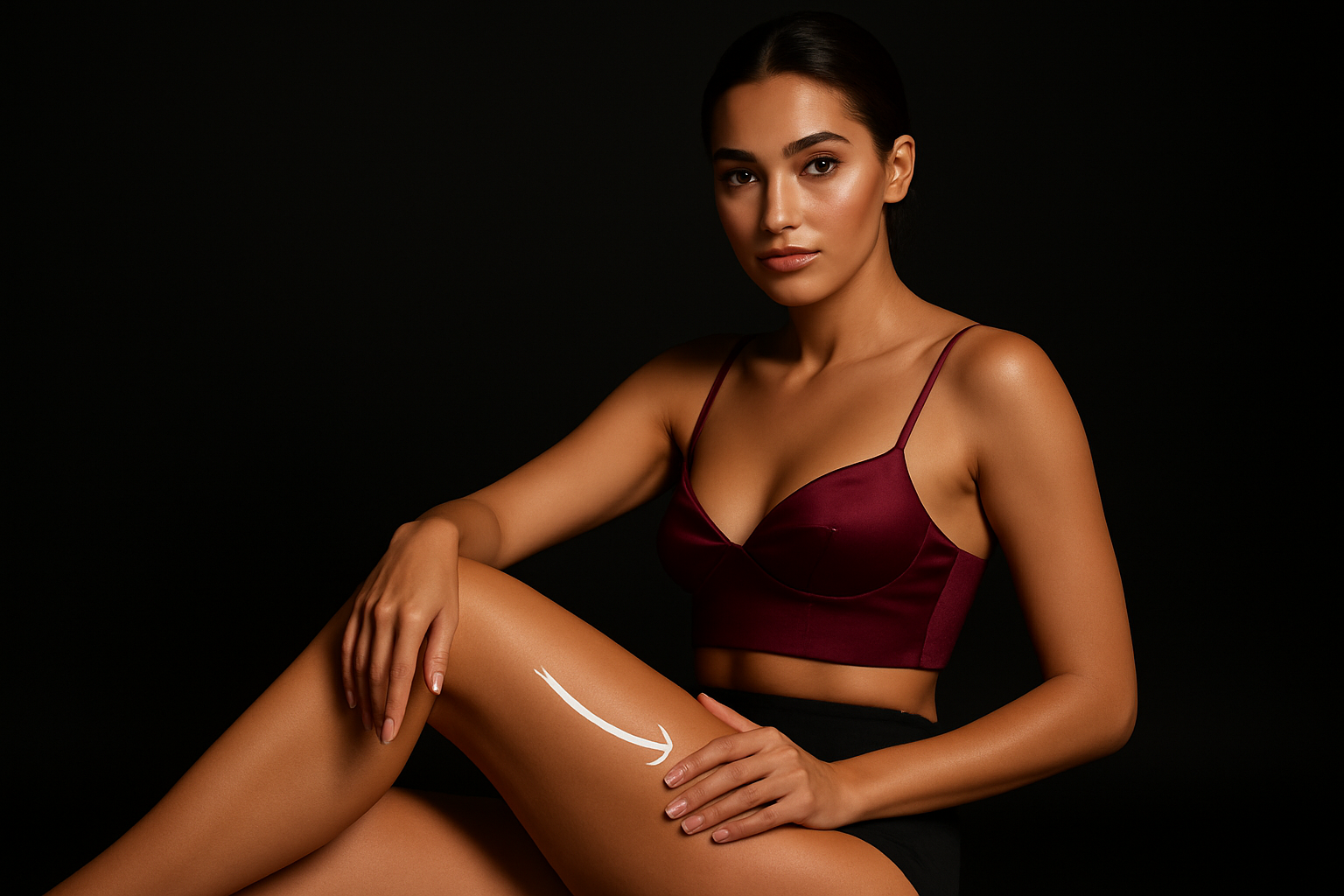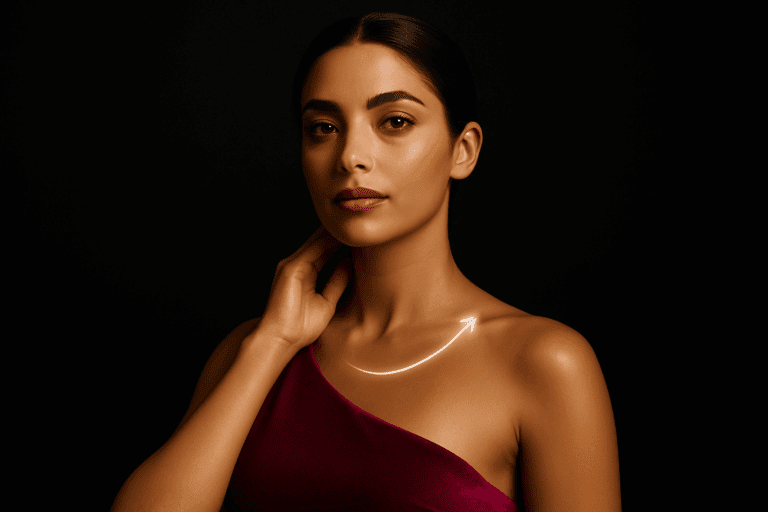
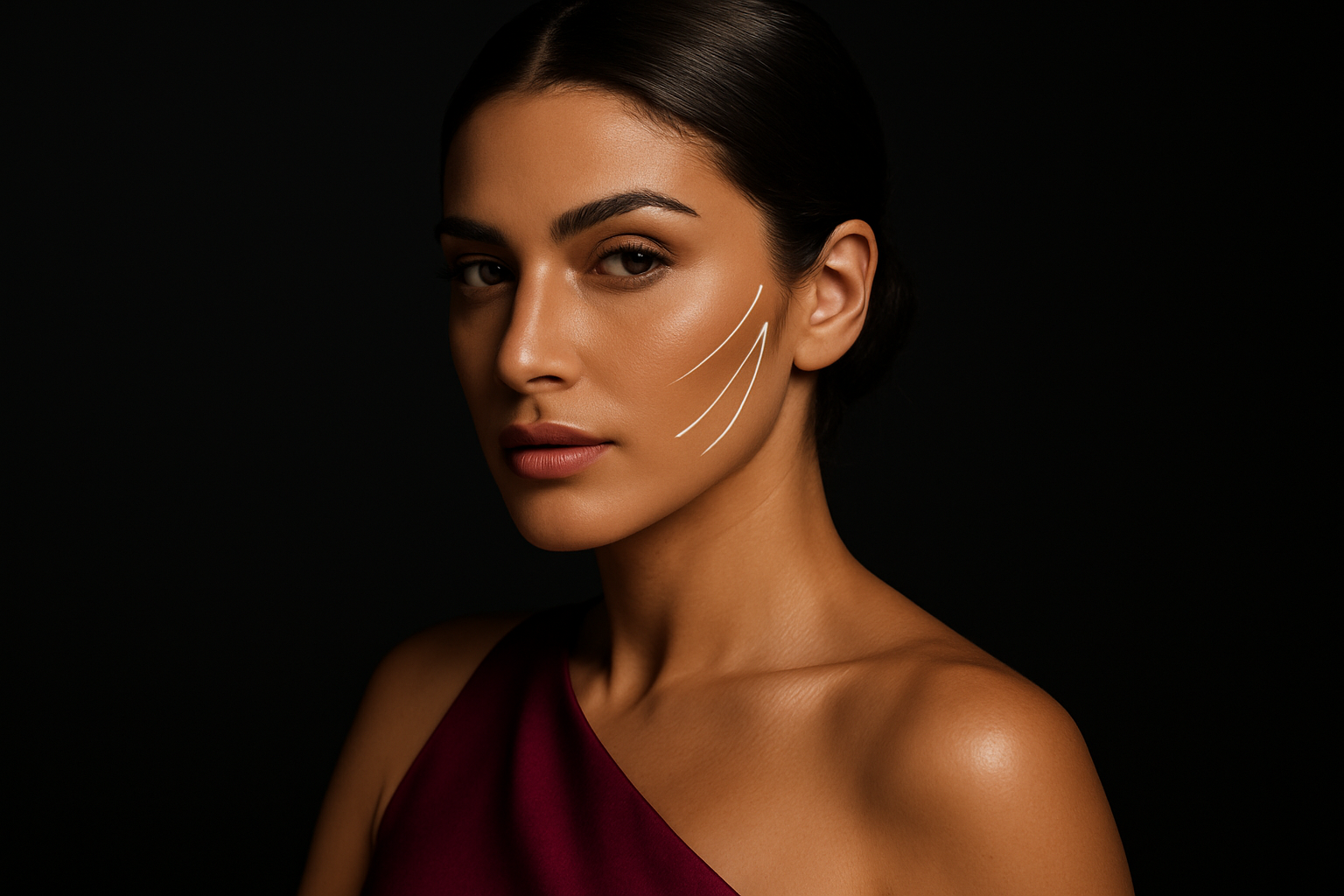
As the human face undergoes the natural chronological aging process, the loss of structural collagen, elastin, and subcutaneous adipose tissue leads to tissue ptosis, loss of cheek volume, defined jowls, and deepening nasolabial folds. For many patients, traditional invasive surgery may feel too premature, while standard cosmetic injectables no longer yield sufficient tissue elevation. The modern thread facelift serves as an exceptional bridge between non-invasive skincare treatments and full surgical restructuring.
Table of Contents:
- Procedure & Treatment Overview
- Ideal Candidates & Medical Assessment
- Modern Surgical Techniques & Technologies
- Step-by-Step Procedure Process
- Recovery Timeline, Aftercare & Expected Results
- Global Cost & Destination Comparison
- 5-Day VIP Patient Journey in Istanbul
- Frequently Asked Questions (FAQ)
- Summary & Next Steps
A modern thread facelift utilizes biocompatible, fully absorbable surgical sutures embedded with microscopic barbs or cones to mechanically lift sagging dermal and sub-dermal tissues. Concurrently, it triggers a powerful biological response called neocollagenesis, stimulating long-term native collagen synthesis along the thread vectors. At Health Beauty Turkey, our expert plastic surgeons and aesthetic dermatologists combine cutting-edge thread technology with meticulous vector planning to deliver immediate, natural, and sustained facial lifting without prolonged downtime.
Quick Medical Facts Summary
- Procedure Duration: 45 to 60 minutes
- Hospital Stay: Outpatient (No overnight hospital stay required)
- Recovery Timeline: Minimal downtime; mild swelling resolves in 3 to 7 days; full tissue integration at 2 to 3 weeks
- Anesthesia Type: Local infiltration anesthesia with topical numbing
- Procedure Success Rate: Over 95% high patient satisfaction rate for appropriately selected candidates
Procedure & Treatment Overview
The thread facelift is an advanced, minimally invasive cosmetic procedure engineered to reposition mild-to-moderately sagged facial tissues. Unlike standard surgical interventions that require extensive incisions and SMAS resection, a thread lift relies on fine, medical-grade absorbable threads introduced into the subcutaneous layer using blunt-tipped cannulas.
Once positioned, the thread’s structural barbs anchor into the subcutaneous matrix, allowing the surgeon to elevate and anchor the tissue into a more youthful anatomical position. Over the subsequent 6 to 12 months, the body naturally metabolizes the sutures through biological hydrolysis. As the threads slowly dissolve, they leave behind an upgraded framework of fresh Type I and Type III collagen, elastin, and hyaluronic acid, maintaining the structural lift long after the physical threads have disappeared.
Patients exploring comprehensive rejuvenation often compare this procedure to surgical options like Facelift Surgery in Turkey: Modern Techniques to Renew Your Youth. While surgical rhytidectomy offers dramatic results for severe skin redundancy, the thread technique remains the gold standard for individuals seeking rapid recovery with zero scalpel scars.
Ideal Candidates & Medical Assessment
Determining candidacy for a thread facelift requires a rigorous pre-procedural clinical evaluation. Not every patient presenting with facial laxity is suited for thread repositioning; structural skin thickness and elasticity play critical roles in achieving optimal aesthetic outcomes.
An ideal candidate generally exhibits the following clinical traits:
- Mild to Moderate Tissue Laxity: Early softening of the jawline, mild sagging around the mid-face, moderate deepening of nasolabial folds, or early marionette lines.
- Adequate Dermal Thickness: Skin that is neither excessively thin (which risks thread visibility) nor excessively heavy/thick (which may strain thread anchoring).
- Age Profile: Typically individuals aged 30 to 55 who wish to reverse early structural aging or defer aggressive surgical intervention.
- Realistic Clinical Expectations: Understanding that threads provide subtle, natural lifting and tissue tightening rather than drastic surgical repositioning.
- Good Overall Health: Free from active cutaneous infections, autoimmune connective tissue disorders, bleeding diatheses, or uncontrolled chronic illnesses.
Modern Surgical Techniques & Technologies
Aesthetic medicine in Turkey utilizes diverse suture chemistries and structural designs tailored to specific facial vectors and skin dynamics. Depending on the patient’s anatomical requirements, specialists choose from three primary absorbable materials:
- Polydioxanone (PDO): The most widely utilized suture material in non-surgical aesthetics. PDO threads stimulate intense localized collagen production and dissolve completely within 6 to 8 months, with clinical elevation lasting up to 18 months.
- Poly-L-Lactic Acid (PLLA): Known for superior collagen-stimulating capability via lactic acid pathways, offering structural longevity up to 24 months.
- Polycaprolactone (PCL): A newer generation polymer that degrades slowly over 18 to 24 months, delivering sustained tissue mechanical support and collagen regeneration.
Additionally, structural designs vary according to clinical goals. Barbed or cogged threads feature multidirectional microscopic barbs that grasp and lift soft tissue, making them ideal for jawline definition and mid-face elevation. Mono threads are smooth sutures placed in a lattice grid to promote dermal density, skin tightening, and microcirculation. Advanced multi-thread approaches, such as a Non-Surgical Facelift with Spider Webbing in Turkey, utilize dense matrix configurations to refine surface texture alongside structural vector lifting. Furthermore, targeting both facial vectors and cervical contours via specialized Neck and Face Lifting with Threads in Turkey delivers cohesive aesthetic harmony across the lower face and jawline.
Step-by-Step Procedure Process
The execution of a modern thread lift requires precise anatomical knowledge of facial danger zones, facial nerve pathways, and vascular networks. At Health Beauty Turkey, the procedure follows a standardized clinical workflow:
- 1. Comprehensive Facial Mapping: While the patient is seated upright, the physician marks explicit lifting vectors and insertion entry points using surgical markers, accounting for facial asymmetry and gravity dynamics.
- 2. Local Anesthesia Infiltration: A mild local anesthetic (lidocaine with epinephrine) is injected at the entry points and along the planned sub-dermal tracks, ensuring absolute comfort throughout the process.
- 3. Micro-Puncture Entry: A small entry point is created using a sterile needle, allowing smooth access for micro-cannulas without scalpels or permanent scarring.
- 4. Cannula & Thread Insertion: Biocompatible blunt-tipped micro-cannulas carrying the barbed threads are carefully advanced through the subcutaneous layer along the marked vector paths.
- 5. Vector Anchoring & Tension Adjustment: Once the cannula reaches its termination point, it is withdrawn, leaving the barbed thread securely anchored in the soft tissue. The practitioner manually massages and pulls the threads to achieve precise mechanical tissue elevation.
- 6. Sterile Trimming & Finishing: The exposed thread ends are gently tensioned, trimmed beneath the skin surface to prevent exterior exposure, and treated with antiseptic dressing.
Recovery Timeline, Aftercare & Expected Results
Recovery following a thread facelift is remarkably swift compared to open surgical procedures. Understanding the post-procedure trajectory ensures optimal results and minimizes potential secondary complications.
- Days 1 to 3: Mild localized edema, minor bruising, and a sensation of tightness are normal. Patients should keep their head elevated during sleep and apply cold packs intermittently.
- Days 4 to 7: Surface swelling subsides significantly. Entry points heal completely. Normal low-impact daily activities and work routines can be resumed.
- Weeks 2 to 4: Tissue integration stabilizes. Facial movement feels natural, and initial mechanical lifting becomes visually crisp. Neocollagenesis begins actively building around the micro-sutures.
- Months 2 to 6: Peak collagen stimulation occurs. Skin texture improves in density, firmness, and radiance. Results reach maximum biological refinement.
To ensure tissue security, patients must avoid excessive facial grimacing, aggressive facial massages, dental procedures, and strenuous physical exertion for at least 2 to 3 weeks post-treatment. For a deeper look at expected aesthetic transformations, consult our detailed resource on Thread Facelift in Turkey: Natural and Tight Results.
Global Cost & Destination Comparison
Turkey has firmly established itself as a premier global hub for cosmetic procedures, offering top-tier medical expertise combined with highly competitive, transparent pricing models. The strategic advantages of undergoing a thread lift in Istanbul with Health Beauty Turkey include board-certified specialists, JCI-accredited clinical environments, and tailored all-inclusive VIP packages.
| Country / Destination | Average Cost (USD) | JCI Quality Standards | Travel Convenience | All-Inclusive VIP Care |
|---|---|---|---|---|
| Turkey (Health Beauty) | $1,200 – $2,500 | JCI-Accredited / Gold Standard | Excellent (Major Global Hub) | Included (Transfers, Hotel, Care) |
| United Kingdom | $3,500 – $6,500 | Local Standards (CQC) | Standard Domestic | Not Included (Extra Costs) |
| United States | $4,000 – $8,000 | AAAASF / Local Accredited | Standard Domestic | Not Included (Extra Costs) |
| Germany | $3,200 – $5,800 | EU Standard Medical Care | Regional Convenience | Not Included (Extra Costs) |
| Thailand | $2,000 – $3,800 | Variable Accreditation | Long-haul Flight Required | Partially Available |
| India | $1,500 – $3,000 | Variable Accreditation | Long-haul Flight Required | Rarely Included |
5-Day VIP Patient Journey in Istanbul
At Health Beauty Turkey, we provide international patients with a seamless, stress-free medical itinerary designed for safety, luxury, and absolute peace of mind.
- Day 1: VIP Arrival & Private Transfer: You are greeted at Istanbul Airport by a private chauffeur and driven to your luxury hotel. Rest and relax before your clinical appointment.
- Day 2: In-Depth Consultation & Procedure: Meet your specialist physician for a comprehensive physical assessment, vector mapping, and skin diagnostic evaluation. The thread facelift procedure is performed in a sterile clinic environment under local anesthesia. Afterward, receive your post-care medication package and return comfortably to your hotel.
- Day 3: Rest & Relaxation: Enjoy a peaceful rest day at your hotel. Local assistance and medical concierges remain available 24/7 to answer any post-treatment questions.
- Day 4: Follow-Up Clinical Check: Visit the clinic for a routine post-procedure assessment. Your doctor reviews vector placement, entry point healing, and tissue adaptation to ensure smooth recovery.
- Day 5: Final Evaluation & Return Flight: Receive final home-care instructions, safety guidelines, and clearance for air travel before your VIP transfer takes you to the airport for your flight home.
Frequently Asked Questions (FAQ)
Is a thread facelift painful?
The procedure is virtually painless. Local anesthesia is administered to completely numb the entry sites and sub-dermal pathways. Patients may feel mild pressure or tugging during suture placement, but no sharp discomfort. Mild soreness post-treatment is easily managed with standard over-the-counter analgesics.
How long do thread lift results typically last?
Depending on the suture material chosen (PDO, PLLA, or PCL), mechanical and collagen-stimulated results typically persist between 18 to 24 months. Healthy lifestyle choices, sun protection, and proper skincare help preserve the aesthetic lifespan.
Are the threads visible or touchable under the skin?
When placed at the correct anatomical depth within the subcutaneous subcutaneous layer by an experienced practitioner, the threads are neither visible nor tactile. In very thin skin areas, mild transient dimpling can occur initially, which resolves within a few days as tissues settle.
What is the main advantage of a thread lift over open surgery?
Key benefits include zero general anesthesia risks, absence of surgical scars, a procedure time under an hour, minimal downtime, and lower financial investment, while still achieving noticeable facial elevation and collagen rejuvenation.
Summary & Next Steps
A thread facelift represents one of the most innovative advances in non-surgical facial aesthetics, offering effective structural lifting, improved skin density, and immediate rejuvenation with minimal interruption to your personal routine. By combining high-grade absorbable suture technology with specialized medical expertise in Istanbul, Health Beauty Turkey ensures world-class results tailored precisely to your unique facial anatomy.
If you are ready to explore how a thread facelift can refresh your natural facial contours, we invite you to reach out to our dedicated medical consultant team today for a personalized, virtual clinical evaluation.
Medical Disclaimer: The clinical information provided in this article is strictly for educational purposes and does not constitute formal medical advice. Individual aesthetic results may vary depending on biological factors, skin elasticity, and physiological condition. A physical or digital clinical assessment by a licensed plastic surgeon or dermatologist is required before undergoing any medical aesthetic procedure.
Related Articles: Thread Facelift in Turkey: Natural and Tight Results | Facelift Surgery in Turkey: Modern Techniques to Renew Your Youth | Neck and Face Lifting with Threads in Turkey | Non-Surgical Facelift with Spider Webbing in Turkey
References & Trusted Sources: National Institutes of Health (NIH) – Clinical Research | World Health Organization (WHO) – Health Guidelines | National Center for Biotechnology Information (NCBI / PubMed)