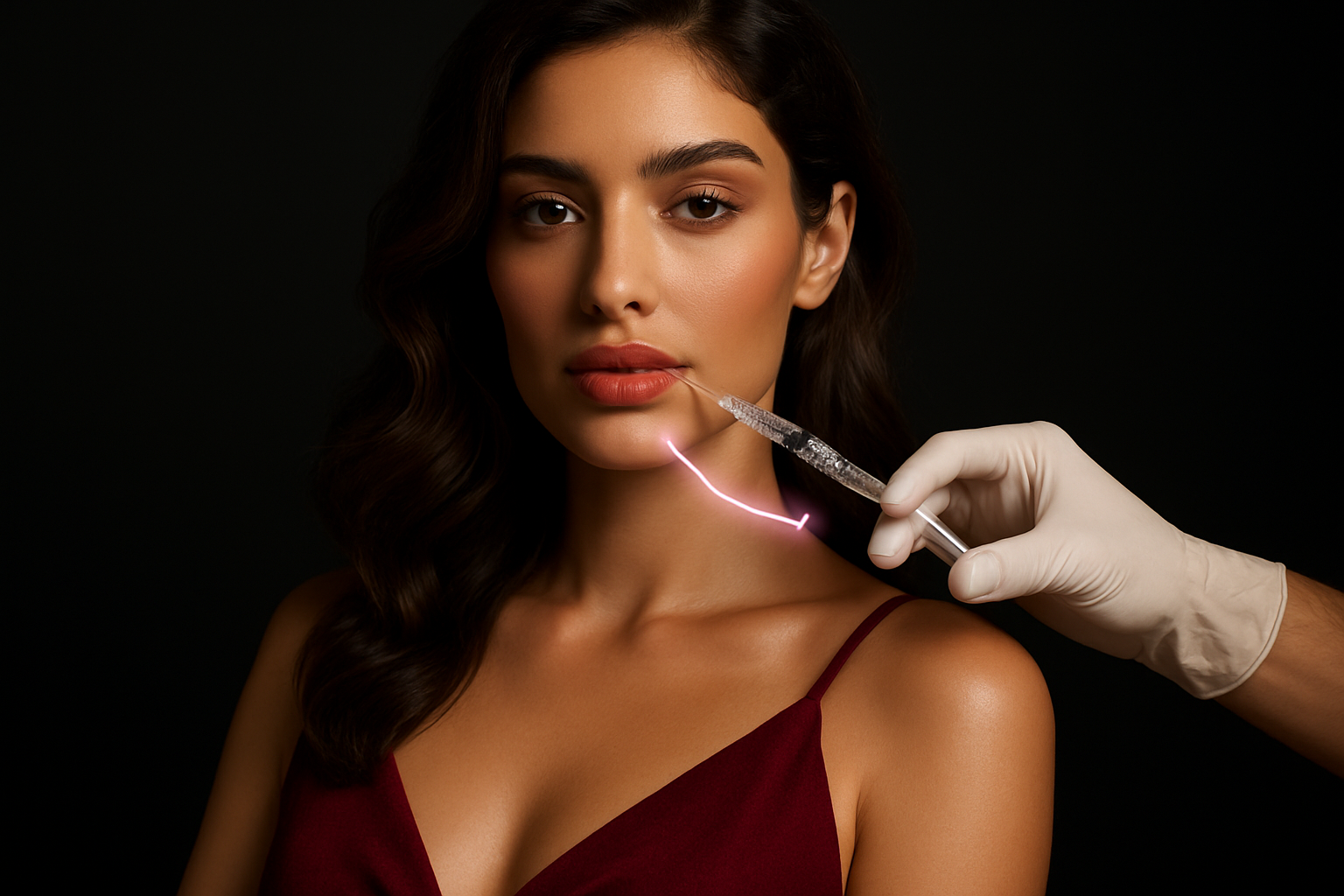
In the evolving field of regenerative aesthetics, medical tourists worldwide are moving beyond synthetic dermal fillers toward treatments that harness the body’s natural cellular capacity. Among these advanced treatments, plasma lip injections using Platelet-Rich Plasma (PRP) have emerged as an extraordinary solution for individuals seeking natural lip rejuvenation, enhanced microcirculation, structural firmness, and deep hydration without artificial volume or overfilled results. Offered by expert dermatologists in Istanbul, Turkey, PRP therapy transforms lip health at a microscopic level, stimulating long-term collagen and elastin synthesis.
Table of Contents:
- Procedure & Treatment Overview
- Ideal Candidates & Medical Assessment
- Modern Surgical Techniques & Technologies
- Step-by-Step Procedure Process
- Recovery Timeline, Aftercare & Expected Results
- Global Cost & Destination Comparison
- 5-Day VIP Patient Journey in Istanbul
- Frequently Asked Questions (FAQ)
- Summary & Next Steps
At Health & Beauty Turkey, our clinical approach integrates state-of-the-art biological extraction equipment with precise micro-injection techniques to deliver unmatched natural lip revitalization. Whether addressing peri-oral fine lines, chronic dryness, loss of natural pigmentation, or age-related tissue atrophy, plasma lip therapy provides a biological reset for your lips.
Quick Medical Facts: Plasma Lip Injections
- Procedure Duration: 45 to 60 minutes (including blood draw, centrifugation, and injection).
- Hospital/Clinic Stay: Outpatient procedure; no overnight stay required.
- Recovery Time: Minimal downtime; minor swelling resolves within 24 to 48 hours.
- Anesthesia Type: Topical medical-grade numbing cream.
- Longevity of Results: 12 to 18 months (enhanced with annual maintenance sessions).
- Clinical Success Rate: Exceeds 96% for natural color restoration, texture smoothing, and deep hydration.
Procedure & Treatment Overview
Plasma lip injections, clinically termed autologous Platelet-Rich Plasma (PRP) therapy for the labial mucosa, utilize the patient’s own blood components to trigger cellular regeneration. Unlike synthetic hyaluronic acid fillers, which physically occupy space to add mechanical volume, PRP focuses on tissue rehabilitation and mucosal quality improvement.
Human blood consists of red blood cells, white blood cells, plasma, and concentrated platelets. Platelets contain a dense store of alpha granules rich in active signaling proteins, including Transformative Growth Factor-Beta (TGF-beta), Vascular Endothelial Growth Factor (VEGF), Platelet-Derived Growth Factor (PDGF), and Fibroblast Growth Factor (FGF). When injected into the mucosal layers of the lips, these active proteins initiate several biological processes:
- Neovascularization (Angiogenesis): VEGF promotes the formation of new capillary micro-vessels, restoring a vibrant pink tint to pale or hyperpigmented lip mucosa.
- Fibroblast Activation: Stimulates native fibroblasts to synthesize fresh Type I and Type III collagen and elastin fibers, restoring firm mucosal elasticity.
- Glycosaminoglycan (GAG) Production: Increases natural local hyaluronic acid production within the extracellular matrix, offering lasting internal moisture.
- Epithelial Cell Renewal: Accelerates the shedding of dry, cracked epidermal layers, replacing them with smooth tissue.
For patients considering broader facial harmonization, combining lip rejuvenation with autologous fat injections for the face offers a complete structural and skin quality enhancement using pure biological materials.
Ideal Candidates & Medical Assessment
Candidate selection is vital to achieving optimal aesthetic outcomes. Plasma lip injections are suitable for patients seeking biological anti-aging and mucosal restoration rather than radical volumetric enlargement.
Primary Clinical Indications
- Loss of Natural Pigmentation: Pale or discolored lips due to aging, sun exposure, or reduced microvascular circulation.
- Perioral Rhytids and Cracking: Fine vertical lip lines, superficial creasing, and chronic chapping unresponsive to topical balms.
- Early Tissue Atrophy: Thinning of the lip body where natural, soft rejuvenation is preferred over synthetic fillers.
- Filler Complication Recovery: Patients recovering from dissolved synthetic fillers who wish to restore natural mucosal smoothness.
- Pre- or Post-Permanent Makeup Conditioning: Preparing or healing lip tissue after semi-permanent lip blushing procedures.
Pre-Procedure Medical Screening
Before undergoing plasma lip injections in Turkey, patients complete a comprehensive clinical evaluation. Absolute contraindications include active systemic infections, severe thrombocytopenia (low platelet count), critical metabolic disorders, active local herpes simplex outbreaks, or ongoing anticoagulant therapy. Our medical team conducts preliminary blood counts to ensure adequate platelet quality prior to treatment.
Modern Surgical Techniques & Technologies
Regenerative dermatology relies heavily on the quality and biological purity of the extracted plasma. At Health & Beauty Turkey, we utilize advanced medical technologies to ensure maximum platelet concentration and growth factor viability.
Closed-System High-Yield Centrifugation
We utilize double-spin closed centrifugation systems that protect the blood sample from environmental exposure. This technology separates red blood cells while concentrating platelets 4 to 7 times above baseline baseline serum levels, preserving delicate cell membranes.
Platelet-Rich Fibrin (PRF) Matrix Advances
For patients requiring sustained growth factor release, we offer Advanced Platelet-Rich Fibrin (A-PRF). By centrifuging blood at lower speeds without synthetic anticoagulants, a natural fibrin mesh forms. This mesh slowly releases growth factors over 10 to 14 days, enhancing cellular repair and subtle tissue expansion.
Micro-Cannula & Fine-Gauge Needle Delivery
To minimize tissue trauma, bruising, and patient discomfort, injections are performed using ultra-fine 30G/32G needles or blunt-tip micro-cannulas. This allows uniform dispersion of the concentrate across the vermilion border, Cupid’s bow, and inner mucosal body.
Step-by-Step Procedure Process
The entire plasma lip injection procedure follows a standardized clinical protocol to ensure safety, comfort, and precision.
Step 1: Clinical Consultation & Anesthesia
The dermatologist evaluates the patient’s mucosal elasticity, lip symmetry, and aesthetic goals. A high-potency topical anesthetic cream (lidocaine/tetracaine) is applied to the lips for 20 to 30 minutes to ensure a completely comfortable experience.
Step 2: Venipuncture & Blood Collection
Approximately 10ml to 20ml of peripheral venous blood is collected using a sterile vacuum tube containing specialized gel separators.
Step 3: Centrifugation & Separation
The sample is placed into a calibrated digital centrifuge. The automated spinning process isolates the concentrated platelet-rich plasma layer from erythrocytes and acellular plasma.
Step 4: Precision Micro-Injection
The clear, growth-factor-rich plasma is aspirated into sterile syringes. Using delicate retrograde linear threading and micro-droplet techniques, the specialist injects the PRP into the lip borders, submucosal layers, and perioral rhytids.
Step 5: Soothing Post-Care Application
A soothing, medical-grade lipid barrier sealant is applied to protect the micro-injection points, calm immediate redness, and retain surface moisture.
Recovery Timeline, Aftercare & Expected Results
One of the primary benefits of plasma lip injections is the minimal downtime associated with autologous treatments.
Recovery Phase Overview
- Immediate (Hours 1 to 12): Mild localized swelling and slight tenderness. Lips appear slightly plumper immediately due to fluid volume, which absorbs over 24 hours.
- Days 2 to 3: Swelling subsides. Minor pinpoint bruising, if present, begins to fade rapidly. Regular daily activities can be resumed immediately.
- Weeks 2 to 4: Active tissue regeneration begins. Cellular signaling activates fibroblast collagen production and microcapillary growth.
- Months 1 to 3: Peak physiological results become visible. Lips demonstrate restored pink coloration, smooth surface texture, deep intrinsic moisture, and a subtle, natural elasticity.
Essential Aftercare Guidelines
- Avoid consuming extremely hot or spicy foods and beverages for 24 hours.
- Refrain from applying non-sterile cosmetic lipsticks or glosses for at least 24 hours post-procedure.
- Do not rub, massage, or squeeze the lips forcefully during the first 3 days.
- Stay well-hydrated by drinking ample water to support extracellular matrix volumetric expansion.
- Avoid strenuous exercise, saunas, steam rooms, and direct sun exposure for 48 hours.
Global Cost & Destination Comparison
Turkey has firmly established itself as a premier destination for medical tourism and aesthetic dermatology, combining strict clinical standards with accessible healthcare packages. Choosing Turkey for regenerative treatments allows patients to access board-certified specialists using top-tier biological separation technology at a fraction of Western costs.
| Country / Region | Average Cost (PRP Lip Treatment) | JCI Accredited Facilities | Package Inclusions | Overall Service Level |
|---|---|---|---|---|
| Turkey (Health & Beauty Turkey) | $350 – $650 | Widespread / Standard | All-inclusive: Transfers, VIP Consultations, Treatment, Aftercare Kits | 5-Star Medical Tourism & VIP Care |
| United Kingdom | $800 – $1,400 | Variable | Procedure Only (Consultations & Aftercare charged separately) | Standard Clinical |
| United States | $1,000 – $1,800 | Variable | Procedure Only | Standard Clinical |
| Germany | $900 – $1,500 | High | Procedure Only | Standard Clinical |
| Thailand | $500 – $900 | Select Centers | Procedure & Basic Transfers | Moderate Aesthetic Tourism |
| India | $400 – $700 | Select Centers | Procedure Only | Basic Clinical Standard |
5-Day VIP Patient Journey in Istanbul
For international patients traveling to Istanbul, Health & Beauty Turkey provides an organized, stress-free medical itinerary designed to deliver excellent care alongside a comfortable stay.
Day 1: VIP Arrival & Luxury Transfer
Upon arrival at Istanbul Airport (IST or SAW), a private chauffeured VIP vehicle meets you for a smooth transfer to your partner hotel in the city center. Rest and prepare for your consultation.
Day 2: Clinical Assessment & PRP Treatment
A dedicated bilingual medical coordinator accompanies you to our modern aesthetic dermatology clinic. You will meet your board-certified specialist, review your medical history, complete blood collection, and undergo the plasma lip injection procedure in a sterile setting. Detailed post-treatment guidance is provided before your transfer back to your hotel.
Day 3: Rest & Cultural Exploration
Enjoy a relaxing day exploring Istanbul’s cultural sites. Downtime is minimal, requiring only basic sun protection and adherence to post-care guidelines.
Day 4: Medical Check-Up & Evaluation
Return to the clinic for a follow-up assessment. Your dermatologist evaluates tissue settling, verifies proper healing of injection points, and provides specialized post-care products to maximize your outcome.
Day 5: Final Consultation & Return Flight
After a final check and receiving personalized long-term aftercare instructions, your private VIP transfer takes you to the airport for your homeward journey.
Understanding the overall trip structure helps lower pre-travel apprehension. Patients looking to manage stress prior to travel can review practical advice on how to reduce medical anxiety when receiving care abroad.
Frequently Asked Questions (FAQ)
Are plasma lip injections painful?
Patient comfort is a top priority. A high-grade medical topical numbing cream is applied prior to the procedure, ensuring that injections are virtually painless. Most patients report only mild pressure during the treatment.
How do plasma lip injections differ from standard hyaluronic acid fillers?
Hyaluronic acid fillers add instant synthetic volume to re-contour or dramatically enlarge lips. In contrast, plasma lip injections utilize your body’s cellular growth factors to restore healthy mucosal tissue, enhance natural pink color, eliminate fine lines, and boost internal hydration without creating an overfilled or artificial appearance.
How many plasma lip injection sessions will I need?
While visible improvements in texture and color are noticeable after a single session, clinical best practices recommend an initial series of 2 to 3 sessions spaced 4 weeks apart for optimal long-term collagen building. Maintenance treatments once a year preserve the vibrant results.
Can PRP lip injections be combined with other cosmetic treatments?
Yes. Plasma lip injections pair well with broader facial aesthetic care, micro-needling, or laser skin resurfacing. Electing for comprehensive cosmetic procedures to boost self-confidence allows patients to address overall facial anti-aging during a single visit to Turkey.
Summary & Next Steps
Plasma lip injections represent a sophisticated, biologically natural approach to labial anti-aging and tissue restoration. By utilizing your body’s regenerative growth factors, PRP therapy restores soft texture, eliminates perioral fine lines, restores youthful coloration, and delivers long-lasting internal hydration without the risks of artificial plumpness or synthetic filler migration.
If you are ready to rejuvenate your lips with advanced regenerative care in Istanbul, contact our medical team today for a personalized remote consultation and customized treatment plan.
Medical Disclaimer: The information provided in this article is for educational purposes only and does not constitute formal medical advice. Individual results from plasma lip injections may vary based on age, lifestyle, and individual biological response. A comprehensive face-to-face evaluation by a qualified medical professional is mandatory prior to undergoing any regenerative or cosmetic procedure.
Related Articles: autologous fat injections for the face | reduce medical anxiety | cosmetic procedures to boost self-confidence
References & Trusted Sources: National Institutes of Health (NIH) – Clinical Research | World Health Organization (WHO) – Health Guidelines | National Center for Biotechnology Information (NCBI / PubMed)