
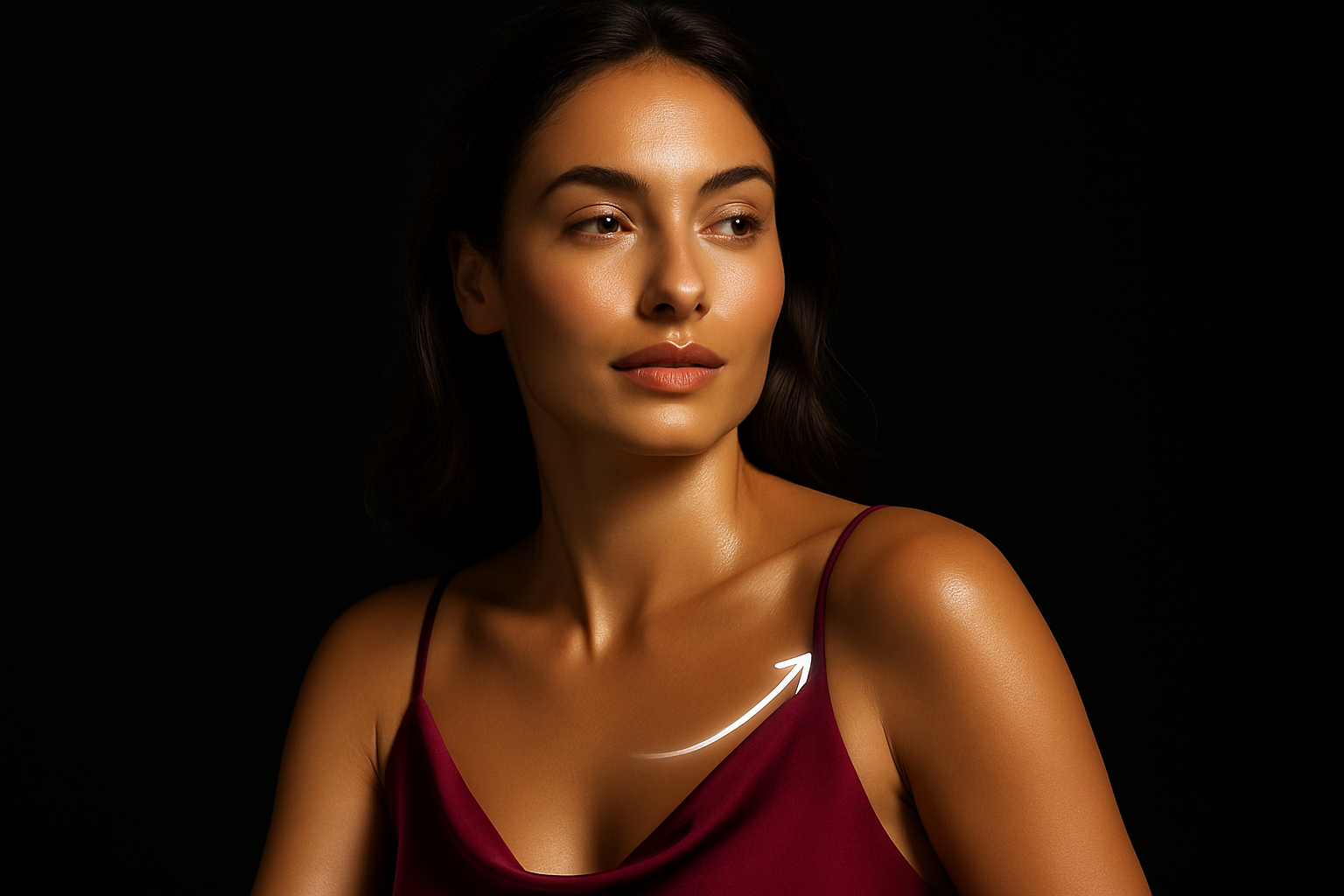
Plastic surgery is a highly specialized branch of medicine combining meticulous aesthetic artistry with advanced surgical science. Derived from the Greek word plastikos, meaning to mold or shape, plastic surgery encompasses both reconstructive procedures—which repair structural defects caused by trauma, congenital anomalies, or illness—and aesthetic (cosmetic) operations designed to enhance physical harmony and rejuvenate youthful contours. Beyond physical transformation, undergoing aesthetic or reconstructive surgery often yields profound psychological benefits, elevating self-esteem and improving overall quality of life.
Table of Contents:
- Quick Medical Facts Summary
- Procedure & Treatment Overview
- Ideal Candidates & Medical Assessment
- Modern Surgical Techniques & Technologies
- Step-by-Step Procedure Process
- Recovery Timeline, Aftercare & Expected Results
- Global Cost & Destination Comparison
- 5-Day VIP Patient Journey in Istanbul
- Frequently Asked Questions (FAQ)
- Summary & Next Steps
Navigating the complex landscape of modern cosmetic operations requires an understanding of patient selection, preoperative planning, surgical techniques, and postoperative protocols. Patients considering medical enhancements should seek transparent clinical insights, medical safety guidelines, and realistic expectations. When performed by board-certified plastic surgeons in accredited hospital facilities, these procedures yield natural, long-lasting, and life-enhancing results.
Quick Medical Facts Summary
- Procedure Duration: 1 to 5 hours (depending on procedure complexity or combined surgeries)
- Hospital Stay: Outpatient or 1–2 nights inpatient observation in a JCI-accredited facility
- Anesthesia Type: General anesthesia or intravenous sedation with local infiltration
- Initial Recovery Time: 7 to 14 days for social activities; 4 to 6 weeks for full physical exertion
- Surgical Success Rate: Over 95% patient satisfaction when performed by qualified specialists
Procedure & Treatment Overview
Modern plastic surgery is categorized into two distinct yet overlapping clinical disciplines: reconstructive surgery and aesthetic plastic surgery. Reconstructive treatments aim to restore function, structural integrity, and anatomical form following oncological resections, burns, complex trauma, or congenital birth defects. In contrast, aesthetic cosmetic surgery focuses on optimizing facial symmetry, body contours, and skin tone for individuals seeking physical enhancement.
Key anatomical areas addressed in modern plastic and cosmetic operations include:
- Facial Rejuvenation & Reshaping: Procedures such as facelift (rhytidectomy), rhinoplasty, blepharoplasty (eyelid surgery), and neck lift restore structural contours, correct deep tissue sagging, and refine facial balance.
- Body Contouring & Sculpting: Operations including liposuction, abdominoplasty (tummy tuck), lipoedema reduction, and body lift surgeries address localized adiposity and redundant skin laxity, reshaping the trunk and limbs.
- Breast & Chest Surgery: Augmentation, mastopexy (breast lift), reduction mammoplasty, and gynecomastia surgery re-establish upper body proportion and tissue symmetry.
- Combined Cosmetic Surgeries: Multi-procedure strategies, such as postpartum plastic surgery, combine abdominal tighteners with breast rejuvenation to comprehensively restore pre-pregnancy contours in a single operative session.
Ideal Candidates & Medical Assessment
Patient safety and optimal surgical outcomes depend heavily on rigorous candidate evaluation. Aesthetic procedures are elective interventions; therefore, clinical eligibility requires a thorough physical examination, a detailed review of medical history, and psychological readiness.
Candidate Inclusion Criteria
- Non-smokers or individuals willing to completely cease nicotine consumption at least 4 to 6 weeks prior to and following surgery.
- Patients maintaining a stable body mass index (BMI), typically under 30–32, for body contouring procedures.
- Individuals with realistic clinical expectations regarding surgical boundaries, scar maturation, and long-term maintenance.
- Patients free from uncontrolled systemic conditions (e.g., severe hypertension, unmanaged diabetes, active autoimmune flare-ups).
Exclusion Criteria & Surgical Refusal
Patient safety is paramount. Experienced surgeons may decline surgical intervention under specific clinical circumstances. For example, understanding the reasons why plastic surgeons may refuse breast augmentation surgery highlights the importance of psychological clearance, realistic body image perception, and anatomical feasibility before proceeding with invasive enhancement.
Modern Surgical Techniques & Technologies
The continuous evolution of surgical technology has transformed plastic surgery into a refined, minimally invasive, and highly reproducible discipline. Current practice incorporates cutting-edge technology that minimizes operative trauma, shortens hospital stays, and accelerates clinical recovery.
Key technological advances in contemporary practice include:
- Energy-Assisted Liposuction: Ultrasound-assisted (VASER) and radiofrequency-assisted (BodyTite) techniques selectively target subcutaneous fat tissue while promoting dermal tightening and preserving vascular structures.
- HD Matrix & Micro-Incision Endoscopy: Endoscopic facelifts and brow lifts allow surgical access through tiny hidden incisions, enabling deep tissue repositioning without extensive skin resection.
- 3D Computer-Aided Imaging & Simulation: Preoperative 3D morphing software allows surgeons and patients to visualize surgical goals and anatomical proportions prior to making incisions.
- Ultrasonic Bone Sculpting (Piezotome): Used extensively in modern rhinoplasty, piezo technology uses ultrasonic waves to precisely reshape nasal bones without fracturing adjacent soft tissues or causing excessive bruising.
- Innovative Protocols & Emerging Trends: Staying informed on plastic surgery trends allows prospective patients to evaluate advanced, evidence-based surgical methods.
Step-by-Step Procedure Process
Surgical intervention follows a strict clinical pathway designed to maximize safety and achieve precise aesthetic results:
1. Preoperative Consultation & Planning
The patient undergoes comprehensive blood testing, electrocardiogram (ECG) screening, radiological evaluation (such as mammography or abdominal ultrasound when indicated), and an in-depth consultation with the surgical team and anesthesiologist.
2. Anesthesia Administration
Depending on the procedure complexity, general anesthesia or intravenous sedation with local infiltration is administered to ensure complete intraoperative comfort and hemodynamic stability.
3. Surgical Execution
The surgeon executes targeted anatomical adjustments, following pre-marked surgical lines. Tissues are mobilized, excess skin or fat is removed or reshaped, and deep structural layers (such as the SMAS in facelifts or the abdominal muscle wall in abdominoplasty) are meticulously imbricated.
4. Closure & Hemostasis
Precision suturing is performed using layered resorbable sutures and delicate skin-closure techniques to minimize scar visibility. Specialized surgical dressings, compression garments, or temporary drainage systems are applied as required.
Recovery Timeline, Aftercare & Expected Results
Achieving optimal results depends heavily on disciplined postoperative care. Understanding the healing process helps manage expectations and ensures smooth recovery.
- Days 1–3 (Acute Phase): Mild to moderate swelling, bruising, and operative discomfort are expected. Pain is managed with prescribed analgesics. Patients are encouraged to perform light walking to prevent deep vein thrombosis (DVT).
- Days 7–10 (Initial Healing): Drains and external skin sutures are removed. Most patients feel comfortable resuming light non-strenuous desk work and social activities.
- Weeks 2–4 (Intermediate Phase): Residual bruising fades significantly. Patients wearing specialized compression garments begin to see initial structural changes.
- Months 3–6 (Final Refinement): Deep tissue swelling resolves fully, incision lines mature, and final anatomical contours stabilize.
Adhering to professional guidance regarding recovery after plastic surgery ensures that soft tissue structures settle correctly without complications.
Global Cost & Destination Comparison
Choosing where to undergo aesthetic surgery involves weighing surgical qualifications, clinical safety standards, total treatment costs, and overall patient care experience. Over the last decade, Turkey has established itself as a global hub for medical tourism, offering world-class expertise at highly competitive price points.
| Destination | Average Cost Range | JCI Quality Standard | Travel & Access | All-Inclusive VIP Care |
|---|---|---|---|---|
| Turkey (Health Beauty Turkey) | Moderate (€2,500 – €6,500) | Extensive (High Concentration of JCI Hospitals) | Highly Convenient (Global Flight Hub) | Fully Included (Transfers, Hotel, Interpreter, Medical Care) |
| United Kingdom / USA | Very High ($8,000 – $25,000+) | High (National Boards) | Domestic / Local | Rarely Offered (Billed Separately) |
| Germany | High (€6,000 – €16,000) | High (DIN EN ISO / JCI) | Convenient (European Hub) | Selective / Extra Cost |
| Thailand | Moderate-Low ($3,500 – $9,000) | Moderate-High | Long-haul Travel | Varies by Facility |
| India | Low ($2,500 – $7,000) | Moderate | Long-haul Travel | Basic Assistance |
Many international patients choose to discover the benefits of plastic surgery in Turkey due to the combination of board-certified surgeons, high-capacity JCI-accredited hospitals, modern medical equipment, and seamless VIP logistics.
5-Day VIP Patient Journey in Istanbul
For international patients seeking treatment through Health Beauty Turkey, the surgical experience is designed to be seamless, comfortable, and fully supported at every stage:
Day 1: VIP Arrival & Luxury Transfer
Upon landing in Istanbul, patients are met by a private chauffeur and escorted in a luxury VIP vehicle to a premium 5-star hotel. An assigned medical coordinator provides all schedule details and documentation.
Day 2: Clinical Consultation, Pre-op Diagnostics & Surgery
The patient undergoes comprehensive preoperative laboratory evaluations and an in-person diagnostic consultation with the plastic surgeon. Following anesthetic clearance, the surgical procedure is performed in an accredited hospital facility.
Day 3: Inpatient Observation & Nursing Support
The patient rests comfortably in a private hospital suite under 24/7 specialized nursing care. The surgical team monitors recovery parameters, manages discomfort, and verifies early tissue healing.
Day 4: Discharge to VIP Hotel & Recovery Rest
After a morning evaluation by the chief surgeon, the patient is discharged to their 5-star hotel. Specialized compression garments, post-op medication kits, and medical care instructions are provided, supported by ongoing contact with the medical team.
Day 5: Post-Op Checkup, Dressings & Departure
The patient returns to the hospital clinic for a final evaluation, dressing change, and wound check. The surgical team issues formal medical clearance, fit-to-fly certificates, and personalized long-term aftercare instructions prior to the VIP airport transfer.
Frequently Asked Questions (FAQ)
Is plastic surgery in Turkey safe for international patients?
Yes. When performed at JCI-accredited hospitals by board-certified, experienced surgeons, cosmetic surgery in Turkey adheres to strict international safety standards. Patients should review clinical credentials, surgeon qualifications, and verified patient reviews to ensure a safe experience.
What is the difference between plastic surgery and cosmetic surgery?
Plastic surgery is an overarching surgical specialty that includes both reconstructive and aesthetic procedures. Reconstructive plastic surgery restores function and appearance after disease or injury, while cosmetic surgery focuses on enhancing visual symmetry, proportions, and aesthetics.
Are male patients candidates for aesthetic plastic surgery?
Absolutely. Male aesthetic surgery has grown significantly in recent years. Common options include gynecomastia reduction, high-definition abdominal liposuction, rhinoplasty, and facial rejuvenation. Male patients can review specialized options in our guide to male plastic surgery.
How long should I stay in Turkey after my procedure?
Most cosmetic procedures require a stay of 5 to 7 days in Istanbul. This timeline allows for comprehensive preoperative testing, the surgical procedure itself, essential inpatient monitoring, and crucial follow-up assessments before returning home.
Summary & Next Steps
Plastic surgery offers transformative solutions for individuals seeking aesthetic enhancement or reconstructive restoration. Success relies on clear clinical goals, accurate medical evaluations, cutting-edge surgical techniques, and disciplined postoperative care. To explore your options, review expert surgical guidelines and learn how safe cosmetic surgery in Turkey can help you achieve your goals safely and predictably.
If you are considering plastic surgery, our experienced medical team is available to assist you. Contact Health Beauty Turkey today to request a comprehensive virtual evaluation, receive a tailored treatment plan, and begin your personalized journey toward confidence and aesthetic renewal.
Medical Disclaimer: The information provided in this guide is for educational purposes only and does not constitute formal medical advice. Any surgical or invasive procedure carries inherent risks. Potential patients must undergo a formal, direct clinical consultation with a qualified, board-certified plastic surgeon before making medical decisions.
Related Articles: postpartum plastic surgery | reasons why plastic surgeons may refuse breast augmentation surgery | plastic surgery trends | recovery after plastic surgery | discover the benefits of plastic surgery in Turkey | male plastic surgery | safe cosmetic surgery in Turkey
References & Trusted Sources: National Institutes of Health (NIH) – Clinical Research | World Health Organization (WHO) – Health Guidelines | National Center for Biotechnology Information (NCBI / PubMed)