Skin aging, hyperpigmentation, acne scarring, and sun damage represent common dermatological concerns that affect both facial aesthetics and cutaneous health. Over time, environmental stressors, cellular turnover deceleration, and collagen degradation lead to an uneven skin texture and loss of natural radiance. A professional chemical peeling treatment stands as one of the most clinically established, non-surgical dermatological interventions designed to resurface the epidermal and dermal layers, promoting cellular regeneration and structural collagen remodeling.
Table of Contents:
- Quick Medical Facts Summary
- Procedure & Treatment Overview
- Ideal Candidates & Medical Assessment
- Modern Surgical Techniques & Technologies
- Step-by-Step Procedure Process
- Recovery Timeline, Aftercare & Expected Results
- Global Cost & Destination Comparison
- 5-Day VIP Patient Journey in Istanbul
- Frequently Asked Questions (FAQ)
- Summary & Next Steps
Turkey has established itself as a global hub for advanced medical aesthetic procedures, combining board-certified dermatologists, international healthcare standards, and modern clinical facilities. Patients seeking skin rejuvenation benefit from tailored clinical formulations, rigorous pre-treatment evaluation, and comprehensive medical protocols. Whether addressing fine lines, melasma, post-inflammatory hyperpigmentation, or persistent acne blemishes, undergoing professional skin resurfacing in Istanbul offers clinical excellence combined with exceptional medical hospitality.
Quick Medical Facts Summary
| Procedure Duration | 30 to 60 minutes (depending on peel depth) |
|---|---|
| Hospital Stay | Outpatient procedure (No overnight stay required) |
| Recovery Time | 3 to 7 days (Light peel) | 7 to 14 days (Medium/Deep peel) |
| Anesthesia | None required for light/medium peels; Topical numbing or mild sedation for deep peels |
| Success Rate | Over 95% clinical satisfaction in texture and pigmentation improvement |
Procedure & Treatment Overview
A chemical peeling procedure involves the controlled application of specialized chemo-exfoliants to the skin. These bio-compatible acidic solutions lower the skin’s pH, breaking down desmosomal bonds between dead keratinocytes in the stratum corneum. This micro-exfoliation triggers a controlled inflammatory response that stimulates keratinocyte turnover and activates dermal fibroblasts to synthesize new collagen and elastin matrix proteins.
Depending on the clinical objectives and structural condition of the skin, chemical peels are categorized into three primary depths:
- Superficial Peels: Target only the epidermis using mild alpha-hydroxy acids (AHAs) like glycolic or lactic acid, or beta-hydroxy acids (BHAs) such as salicylic acid. Ideal for mild dullness, subtle hyperpigmentation, and active acne control.
- Medium-Depth Peels: Penetrate through the entire epidermis down to the upper papillary dermis using Trichloroacetic Acid (TCA) or Jessner’s solution. These are highly effective for moderate photo-aging, deeper rhytids, and pronounced hyperpigmentation.
- Deep Peels: Reach the reticular dermis utilizing phenol or high-concentration TCA formulations. Reserved for severe sun damage, deep-set wrinkles, and structural scars, requiring strict clinical monitoring and specialized post-treatment protocols.
By removing degraded cellular debris and stimulating fresh cellular proliferation, patients experience noticeable improvements in skin tone, elasticity, and dermal thickness. For detailed patient perspectives and medical outcomes, explore clinical insights on chemical peeling in Turkey.
Ideal Candidates & Medical Assessment
Determining candidacy for a chemical peeling treatment requires a thorough clinical assessment by a specialist dermatologist. Not all skin types respond identically to chemical exfoliants, making professional evaluation vital to minimize risks such as post-inflammatory hyperpigmentation (PIH) or scarring.
Primary Indications
- Epidermal and Dermal Hyperpigmentation: Melasma, solar lentigines, and post-acne dark spots.
- Textural Irregularities: Fine lines, shallow acne scars, and rough, uneven skin texture.
- Active Acne and Congestion: Comedonal acne, excess sebum production, and enlarged pores.
- Actinic Keratosis and Sun Damage: Premature photo-aging caused by chronic ultraviolet exposure.
Candidacy Evaluation Criteria
Dermatologists evaluate candidates based on the Fitzpatrick Skin Phototype scale. While individuals with Fitzpatrick Types I through III generally present a low risk for pigmentary complications, candidates with Fitzpatrick Types IV through VI require specialized preparation—such as pre-conditioning with topical tyrosinase inhibitors—and tailored medium-to-light peeling protocols.
Contraindications
Chemical peels may not be suitable for individuals with active oral herpes simplex infections, open cutaneous wounds, history of keloid formation, recent oral isotretinoin therapy (within the past 6 to 12 months), or ongoing pregnancy and lactation. A comprehensive physical and medical history evaluation precedes every treatment plan in Turkish accredited clinics.
Modern Surgical Techniques & Technologies
Dermatological practice in Turkey integrates state-of-the-art chemical formulations with modern diagnostic imaging to customize every treatment protocol. Advanced cutaneous analysis tools assess sebum levels, hydration dynamics, baseline pigmentation depth, and vascularity prior to application.
Alongside chemical resurfacing, medical practitioners frequently combine or alternate chemical peels with physical exfoliation modalities. For instance, patients seeking mechanical micro-resurfacing alongside chemical care may consider crystal peeling treatments or advanced diamond facial peeling procedures to address distinct epidermal layers efficiently.
Advanced Chemical Formulations Utilized
- Glycolic Acid (AHA): Small molecular weight enables deep penetration to enhance epidermal cell turnover and stimulate dermal glycosaminoglycans.
- Salicylic Acid (BHA): Lipophilic nature allows deep penetration into lipid-rich hair follicles, dissolving sebum and treating comedonal acne.
- Trichloroacetic Acid (TCA): Precipitates epidermal proteins (frosting reaction), stimulating profound dermal regeneration for scars and moderate rhytids.
- Lactic and Mandelic Acids: Gentle AHAs with larger molecular structures, ideal for sensitive skin and dark skin tones prone to reactive hyperpigmentation.
Step-by-Step Procedure Process
Undergoing professional chemical resurfacing in Turkey follows a standardized, highly regulated medical protocol designed for patient safety and optimal aesthetic outcomes:
Step 1: Clinical Consultation & Pre-Peel Conditioning
The treating dermatologist examines skin quality, determines the Fitzpatrick type, and discusses goals. Patients are frequently prescribed a 2-week pre-treatment regimen involving low-percentage retinoids or pigment inhibitors to prepare the stratum corneum and ensure uniform chemical penetration.
Step 2: Cutaneous Cleansing & Degreasing
On the day of the procedure, the treatment area is thoroughly cleansed using antiseptic solutions. An alcohol or acetone-based degreasing agent is applied to remove surface lipids, ensuring even acid absorption across all facial zones.
Step 3: Application of the Peeling Solution
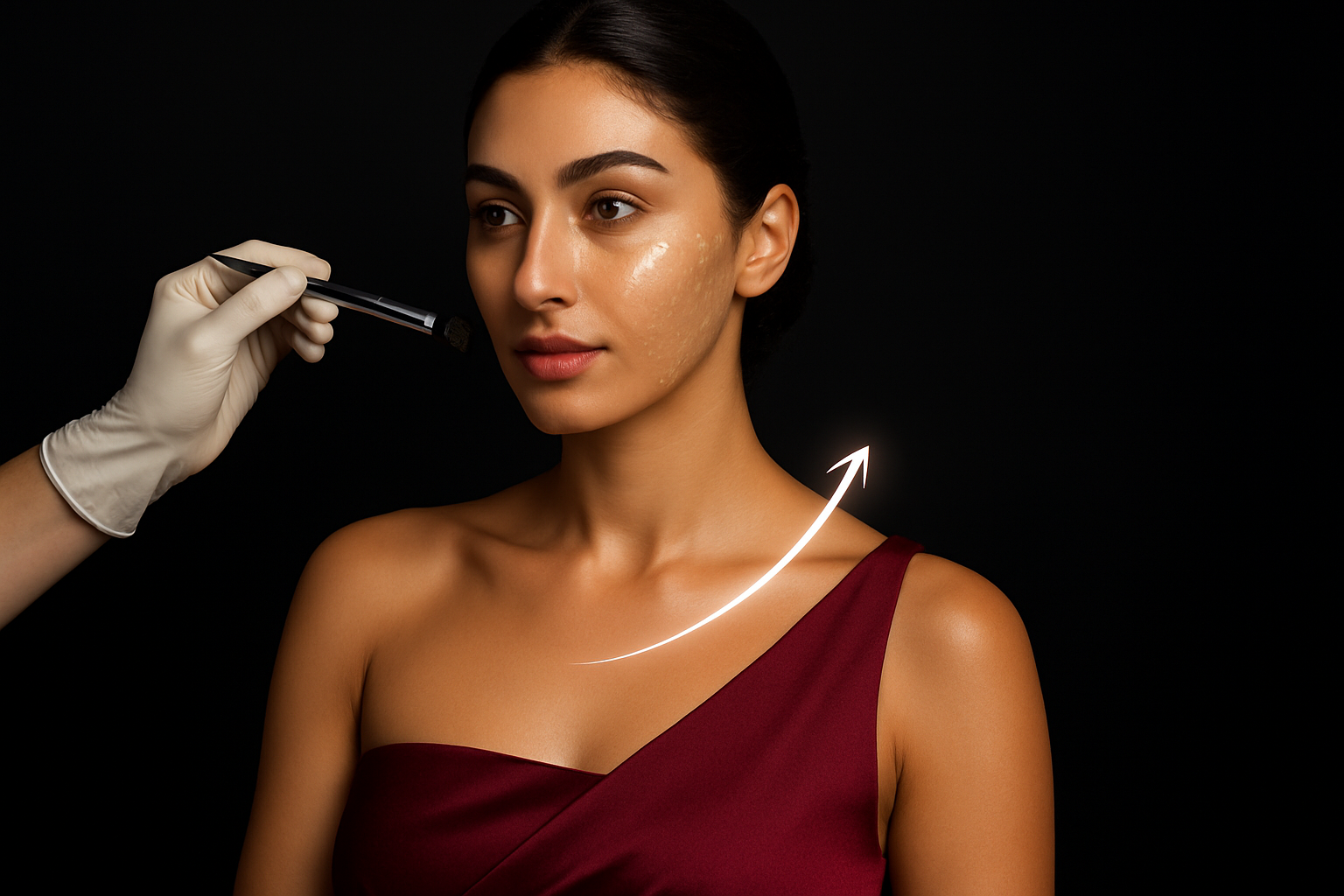
The specialized peeling agent is precisely applied using applicator swabs or brushes. The dermatologist closely monitors clinical end-points, such as uniform erythema or controlled protein denaturation (frosting), to gauge depth and efficacy.
Step 4: Neutralization & Cooling
Once the desired clinical end-point is achieved, the chemical reaction is stopped using a neutralizing alkaline solution or cold saline compresses, depending on the specific acid utilized (e.g., glycolic acid requires active neutralization, whereas TCA self-neutralizes).
Step 5: Post-Treatment Protection
A soothing barrier repair ointment, hyaluronic acid serum, and broad-spectrum physical sunscreen (SPF 50+) are applied to soothe the newly sensitive skin and guard against immediate photo-damage.
Recovery Timeline, Aftercare & Expected Results
Understanding the healing dynamic is essential for managing expectations and securing superior clinical outcomes following a chemical peeling treatment.
Recovery Stages
- Days 1–2: Initial mild tightness, localized redness (erythema), and minor swelling similar to a mild sunburn. Skin feels dry and smooth.
- Days 3–5: Micro-flaking or noticeable cutaneous shedding begins, starting around the perioral area and expanding outward. It is critical not to manually pick or peel shedding skin.
- Days 6–7: Active peeling subsides, revealing fresh, newly synthesized skin beneath. Post-procedure redness gradually fades.
- Weeks 2–4: Collagen synthesis continues in deeper layers. Overall skin tone balances out, texture becomes noticeably smoother, and hyperpigmentation diminishes.
Essential Aftercare Protocols
- Strict UV Avoidance: Apply broad-spectrum SPF 50+ every two hours when outdoors; avoid direct sun exposure entirely during the active peeling phase.
- Hydration and Barrier Repair: Use non-comedogenic emollients, ceramides, and hyaluronic acid formulations to support lipid barrier restoration.
- Gentle Cleansing: Wash the face gently using lukewarm water and soap-free, mild cleansers without abrasive sponges or cloths.
- Avoid Active Ingredients: Discontinue retinoids, AHAs, BHAs, and physical exfoliants for at least 10 to 14 days post-treatment.
For additional details regarding general post-treatment guidelines, review our overview of skin peeling solutions in Turkey.
Global Cost & Destination Comparison
Choosing Turkey for dermatological procedures provides patients with significant economic advantages alongside international healthcare accreditation. Below is a comparative overview of chemical peeling care across major medical tourism destinations:
| Destination | Average Cost (Medium/Deep Peel) | JCI Accredited Facilities | Travel & Logistics Convenience | All-Inclusive VIP Services |
|---|---|---|---|---|
| Turkey (Health Beauty Turkey) | $350 – $800 | Extensive / Top Tier | High (Hub between Europe & Asia) | Included (Transfers, Hotel, Consultation) |
| United Kingdom | $1,200 – $2,500 | Variable / Private Clinics | Moderate | Rarely Available |
| United States | $1,500 – $3,500 | High / Private Practice | Low (For international visitors) | Not Available |
| Germany | $1,100 – $2,200 | High | Moderate | Rarely Available |
| Thailand | $500 – $1,000 | Moderate | Moderate to High | Occasionally Available |
| India | $300 – $700 | Moderate | Long Distance Travel | Rarely Available |
5-Day VIP Patient Journey in Istanbul
Patients traveling to Istanbul for professional dermatological care experience a seamless, fully coordinated medical itinerary:
Day 1: VIP Arrival & Luxury Transfer
Upon arrival at Istanbul Airport (IST or SAW), a private VIP transport driver meets the patient and arranges comfortable transfer to a luxury hotel partner in the city center.
Day 2: Dermatological Assessment & Chemical Peeling Procedure
The patient attends an in-depth clinical consultation with a specialist dermatologist. Following precise cutaneous diagnostics, the customized chemical peeling procedure is executed in a sterile, state-of-the-art aesthetic clinic.
Day 3: Rest & Guided Recovery
The patient rests comfortably at their hotel while early micro-exfoliation and barrier recovery begin. Dedicated patient coordination staff remain in continuous contact to provide soothing topical applications and guidance.
Day 4: Clinical Follow-up & Professional Post-Peel Assessment
The patient returns to the clinic for a mandatory post-procedure review. The dermatologist checks epidermal healing, applies specialized regenerative serums, and confirms aftercare home protocols.
Day 5: Final Evaluation & Departure
After a final clinical evaluation and receiving a tailored home-care cosmetic kit alongside post-treatment recommendations, the patient is escorted via private VIP transfer back to the airport for safe departure.
Frequently Asked Questions (FAQ)
Is chemical peeling painful?
Most patients experience a mild warming, tingling, or slight stinging sensation during acid application, which lasts only a few minutes. Superficial peels cause minimal discomfort, whereas medium-depth peels may cause moderate warmth easily managed with cooling airflow or cold compresses.
How many chemical peeling sessions will I need?
While a single medium-depth peel can yield dramatic structural improvements in skin tone and texture, superficial peels are typically recommended in a series of 3 to 6 sessions spaced 2 to 4 weeks apart for optimal, long-lasting clinical results.
Can chemical peels be combined with other aesthetic treatments?
Yes. Dermatologists frequently integrate chemical peels into comprehensive skin rejuvenation plans, combining them with treatments like microneedling, mesotherapy, or LED light therapy. However, proper spacing between procedures is critical to ensure skin barrier integrity.
When can I apply makeup after a chemical peel?
For light peels, mineral makeup can typically be applied after 24 to 48 hours. For medium or deep peels, patients must wait until the active peeling phase is fully complete and new epithelium has formed, usually between 5 to 7 days post-treatment.
Summary & Next Steps
Chemical peeling remains a cornerstone of non-surgical clinical aesthetic medicine, offering targeted, effective solutions for hyperpigmentation, photo-aging, texture irregularities, and cutaneous scarring. Under the care of board-certified dermatologists in Turkey, international patients receive personalized, high-precision treatments adhering to strict safety protocols at accessible price points.
If you are ready to rejuvenate your skin and restore your natural glow, reach out to our senior medical team today for a comprehensive, personalized skin assessment and treatment plan tailored specifically to your aesthetic goals.
Medical Disclaimer: The information provided in this article is for educational and informational purposes only and does not constitute formal medical advice, diagnosis, or treatment recommendations. Individual skin responses and recovery timelines vary based on health profile, Fitzpatrick skin type, and peel depth. Always consult with a qualified, board-certified dermatologist prior to undergoing any clinical aesthetic procedure.
Related Articles: clinical insights on chemical peeling in Turkey | crystal peeling treatments | diamond facial peeling procedures | skin peeling solutions in Turkey
References & Trusted Sources: National Institutes of Health (NIH) – Clinical Research | World Health Organization (WHO) – Health Guidelines | National Center for Biotechnology Information (NCBI / PubMed)