
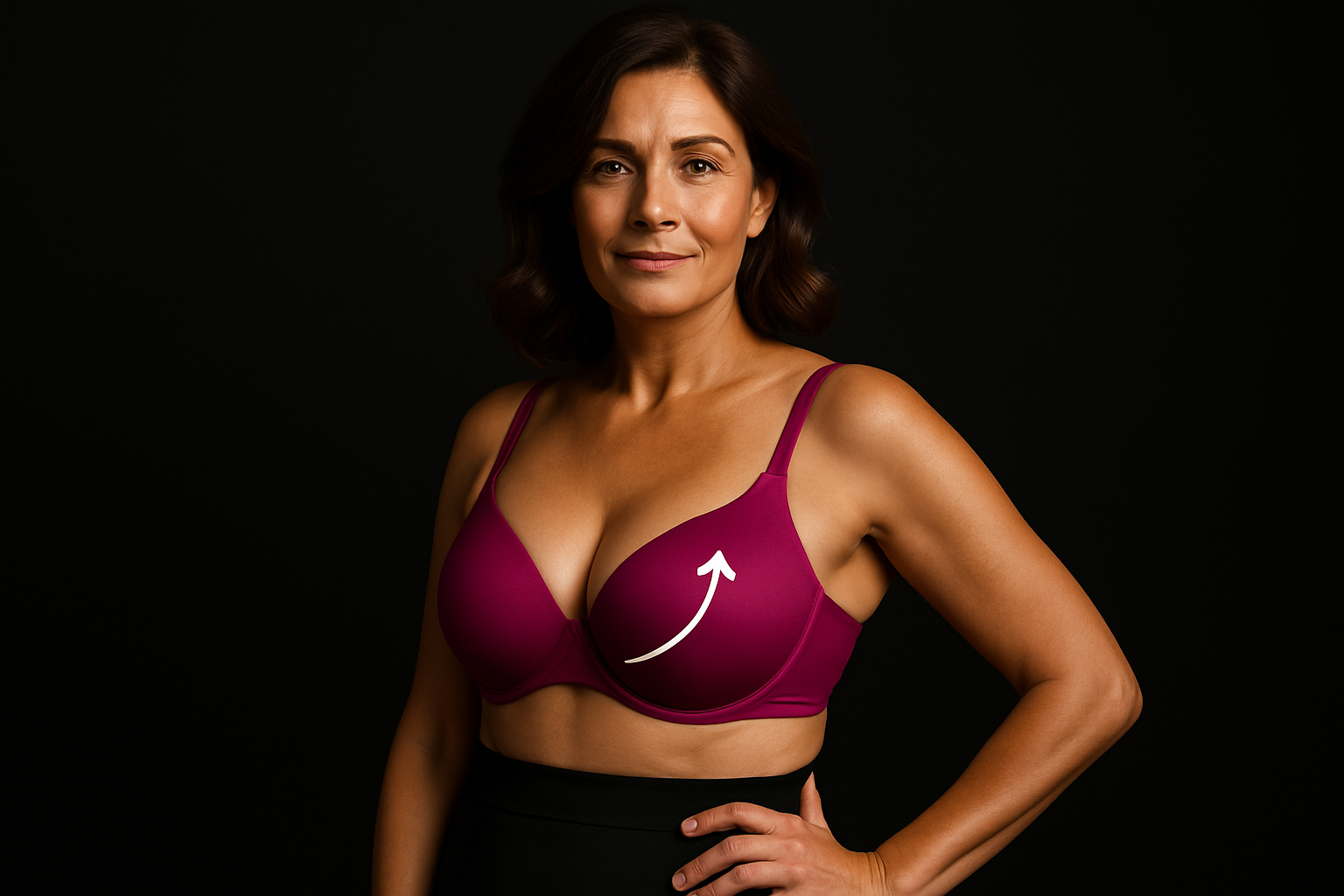
Symptomatic macromastia—excessively large breast volume relative to body proportion—presents severe physical, structural, and psychological challenges for women. Beyond body image concerns, heavy breasts exert constant downward tension on the cervical and thoracic spine, leading to chronic back pain, neck stiffness, painful shoulder grooving from brassiere straps, and skin intertrigo beneath the inframammary fold. Breast reduction surgery, clinically termed reduction mammoplasty, provides a definitive therapeutic solution by resecting excess glandular, adipose, and cutaneous tissues to achieve balanced, anatomically proportioned breasts.
Table of Contents:
- Procedure & Treatment Overview
- Ideal Candidates & Medical Assessment
- Modern Surgical Techniques & Technologies
- Step-by-Step Procedure Process
- Recovery Timeline, Aftercare & Expected Results
- Global Cost & Destination Comparison (Turkey vs UK, USA, Germany, Thailand, India)
- 5-Day VIP Patient Journey in Istanbul
- Frequently Asked Questions (FAQ)
- Summary & Next Steps
- Medical Disclaimer
Turkey has emerged as a premier global destination for advanced plastic and reconstructive surgery. Combining board-certified plastic surgeons, international hospital accreditations, and sophisticated surgical facilities, patients receive world-class care at competitive price points. Whether evaluating surgical reduction or exploring non-surgical breast contouring alternatives, understanding clinical options empowers patients to achieve optimal long-term health and physical harmony.
Quick Medical Facts Summary
- Procedure Duration: 2.5 to 4 hours
- Hospital Stay: 1 to 2 nights under clinical monitoring
- Anesthesia Type: General anesthesia with multi-layer nerve blockade
- Primary Recovery Period: 1 to 2 weeks for daily light activities; 6 weeks for full tissue healing
- Surgical Success Rate: Over 98% patient satisfaction rate globally
Procedure & Treatment Overview
Reduction mammoplasty is both a functional reconstructive procedure and an aesthetic refinement. The primary surgical objective is to decrease overall breast mass while elevating and reshaping the remaining parenchyma into a aesthetically pleasing, youthful contour. During the procedure, the surgeon strategically removes superfluous mammary glands, subcutaneous fat, and redundant skin. Concurrently, the nipple-areolar complex (NAC) is repositioned to a higher, central position on the breast mound while maintaining its vascular and nerve connections whenever possible.
By relieving the physical weight of disproportionate breasts, the procedure immediately restores natural posture, alleviates chronic spinal loading, and eliminates skin friction. Furthermore, modern tissue-tailoring techniques ensure long-lasting structural support, enhancing both body symmetry and personal comfort.
Ideal Candidates & Medical Assessment
Candidate selection requires a thorough physical evaluation and comprehensive medical history check. An ideal candidate for reduction mammoplasty includes women who experience:
- Chronic neck, shoulder, or upper back pain unresponsive to conservative physical therapy.
- Persistent brassiere strap indentations and skin inflammation under the inframammary fold.
- Restricted physical mobility or discomfort during exercise due to excess breast mass.
- Breast asymmetry, ptosis (sagging), or disproportionate breast-to-body scale.
- Realistic expectations regarding surgical scarring, recovery timelines, and tissue maturation.
Patients seeking breast enhancement or reshaping often inquire about alternative options. Questions regarding how to increase breast size without surgery in turkey frequently arise among patients evaluating non-invasive options prior to selecting definitive surgical solutions. While temporary non-surgical therapies such as fat grafting, radiofrequency skin tightening, or external vacuum devices exist, they cannot reduce substantial tissue volume or elevate severely sagging tissue. Clear surgical consultation clarifies whether non-surgical contouring or surgical reduction best addresses individual physical goals.
Modern Surgical Techniques & Technologies
Plastic surgeons in Turkey utilize state-of-the-art surgical approaches tailored to the patient’s individual glandular density, skin elasticity, and desired degree of volume reduction:
1. Wise Pattern (Anchor) Technique
The Wise pattern incision extends around the edge of the areola, vertically down to the breast crease, and horizontally along the inframammary fold. This traditional anchor-shaped technique is optimal for severe volume reduction, significant tissue excision, and extensive nipple repositioning.
2. Vertical (Lejour or Lollipop) Technique
This approach involves a circular incision around the areola and a vertical line extending down to the inframammary fold. Ideal for moderate tissue reduction and mild-to-moderate ptosis, this technique minimizes scar length while providing excellent projection and lift.
3. Liposuction-Assisted Reduction
For patients with predominantly fatty breast tissue and good skin elasticity, high-definition power-assisted or ultrasonic liposuction (VASER) can be integrated. This reduces blood loss, refines lateral breast contours near the axilla, and reduces recovery time.
Step-by-Step Procedure Process
Understanding the clinical pathway ensures psychological readiness and seamless patient transition through every stage of surgery:
- Preoperative Mapping: High-precision surgical markings are drawn on the patient’s torso while in an upright seated position to map exact tissue resection zones and the prospective height of the repositioned nipple-areolar complex.
- Anesthesia Administration: General anesthesia is administered alongside localized tissue infiltration containing vasoconstrictors to minimize intraoperative bleeding and ensure complete surgical comfort.
- Tissue Excision & Sculpting: Prescribed sections of glandular, fatty, and cutaneous tissues are meticulously resected while preserving critical vascular pedicles feeding the nipple and areola.
- Nipple-Areolar Repositioning: The nipple-areolar complex is transposed upward to its new central anatomical position without dissecting its underlying neurovascular bundle, protecting sensation and tissue viability.
- Internal Suturing & Skin Closure: Deep parenchymal layers are secured using dissolvable surgical sutures to construct an internal anatomical support structure. Skin incisions are sealed using fine, multi-layer cosmetic sutures.
- Dressing & Compression Application: Specialized surgical dressings and a supportive medical compression bra are fitted immediately in the operating room to control swelling and stabilize tissue positioning.
Recovery Timeline, Aftercare & Expected Results
Adherence to post-operative instructions directly influences surgical outcome and scar maturation:
- Days 1–3: Initial hospital stay for clinical monitoring, pain management, and drainage care (if drains are used). Moderate tightness and edema are expected.
- Week 1: Transition to resting at home. Light walking is encouraged to promote blood circulation. Initial surgical dressings are inspected, and surgical drain removal occurs if applicable.
- Weeks 2–4: Resumption of non-strenuous daily routines and office work. Swelling subsides progressively. The medical compression bra must be worn continuously, 24 hours a day.
- Week 6 Onward: Clearance for rigorous athletic exercise, heavy lifting, and swimming. Surgical incisions begin mature tissue remodeling, evolving from pink lines to faint skin tones over 6 to 12 months.
Global Cost & Destination Comparison (Turkey vs UK, USA, Germany, Thailand, India)
Turkey offers an unmatched combination of clinical excellence, JCI-accredited medical centers, and transparent all-inclusive care packages compared to Western nations and traditional medical tourism destinations.
| Destination | Average Cost (USD) | JCI Accreditation Standards | Travel & Access Convenience | All-Inclusive VIP Care |
|---|---|---|---|---|
| Turkey (Health Beauty Turkey) | $2,800 – $4,200 | International Standard (JCI Gold) | Direct flights worldwide; simple visa process | Included (VIP Transfers, 5-Star Hotel, Surgical Bra, Care Kit) |
| United Kingdom | $8,500 – $13,000 | National Health Standards | Domestic access | Excluded (Hospital & Surgeon fees billed separately) |
| United States | $10,000 – $18,000 | JCI / AAAASF Standards | Domestic access | Excluded (Facility & Anesthesia extra) |
| Germany | $7,500 – $11,500 | EU Quality Regulations | Central European access | Excluded (Post-op care billed individually) |
| Thailand | $4,000 – $6,500 | JCI Standard Available | Long-haul travel requirement | Partially Included |
| India | $3,200 – $5,000 | JCI Accredited Centers | Complex visa procedures | Partially Included |
5-Day VIP Patient Journey in Istanbul
Our medical team delivers a streamlined, stress-free clinical experience for international patients from arrival to post-operative clearance:
Day 1: VIP Arrival & Luxury Accommodation
Upon landing at Istanbul Airport, a private VIP driver greets you and provides chauffeured transportation to your 5-star hotel. You receive your comprehensive itinerary and clinical welcome packet.
Day 2: Clinical Consultation, Diagnostics & Surgery
You meet your lead plastic surgeon for high-precision physical marking and preoperative diagnostics (blood screening, EKG, mammogram/ultrasound). Following anesthesiology review, the surgery is performed safely in an accredited hospital suite. You spend the night in private, comfortable hospital care.
Day 3-4: Clinical Evaluation & Supported Rest
Following post-operative monitoring and surgeon examination, you transition to your luxury hotel room. Our clinical coordinators manage nursing support, medication distribution, and daily check-ins to monitor your recovery progress.
Day 5: Final Checkup, Removal of Dressings & Departure
You return to the clinic for final surgical review, scar care instruction, and fitting of your secondary compression garments. Your surgeon provides your official fit-to-fly clearance, and your VIP transport conveys you safely to the airport for your return trip home.
Frequently Asked Questions (FAQ)
Will breast reduction surgery leave visible scars?
Incision placement is strategic, utilizing natural anatomical creases around the areola, vertically down the breast, or along the inframammary fold. While all surgical incisions leave permanent marks, plastic surgeons employ refined multi-layer suturing techniques. Over 6 to 12 months, scar tissue fades into thin, pale lines easily concealed by standard clothing and swimwear.
How does surgical reduction compare to non-surgical breast reshaping?
Non-surgical modalities cannot eliminate significant breast tissue volume or correct skin laxity. Patients inquiring how to increase breast size without surgery in turkey or alter shape naturally often learn during consultation that topical treatments, muscle exercises, or energy-based devices provide minimal effect on deep mammary glands. For meaningful volume reduction, elevation, and relief from chronic spinal strain, surgical reduction mammoplasty is the gold standard clinical procedure.
Does breast reduction surgery affect future breastfeeding ability?
Modern surgical techniques preserve the neurovascular supply and ductal continuity of the nipple-areolar complex whenever feasible. While surgical manipulation of glandular tissue carries a minor risk of reduced milk production capacity, many women successfully breastfeed following reduction mammoplasty. Discussing family planning during your initial consultation helps your surgeon select the optimal pedicle preservation technique.
How long do the results of breast reduction surgery last?
The results of reduction mammoplasty are long-lasting. Tissue resected during surgery does not grow back. However, substantial weight fluctuations, pregnancy, and natural tissue aging can influence future breast shape and volume. Maintaining a stable weight preserves your surgical results over time.
Summary & Next Steps
Breast reduction surgery provides profound functional and psychological relief for women suffering from the physical burden of macromastia. By choosing Health Beauty Turkey, patients access elite board-certified plastic surgeons, state-of-the-art accredited medical facilities, and comprehensive VIP care tailored to international standards.
If you are ready to eliminate chronic back pain, restore structural balance, and achieve your desired aesthetic profile, contact our surgical assessment team today to request a confidential virtual clinical consultation.
Medical Disclaimer
The information provided in this article is for educational purposes only and should not be considered formal medical advice. Clinical decisions regarding plastic and reconstructive surgery must be made in consultation with a qualified, board-certified plastic surgeon following a full physical examination and diagnostic evaluation.
References & Trusted Sources: National Institutes of Health (NIH) – Clinical Research | World Health Organization (WHO) – Health Guidelines | National Center for Biotechnology Information (NCBI / PubMed)