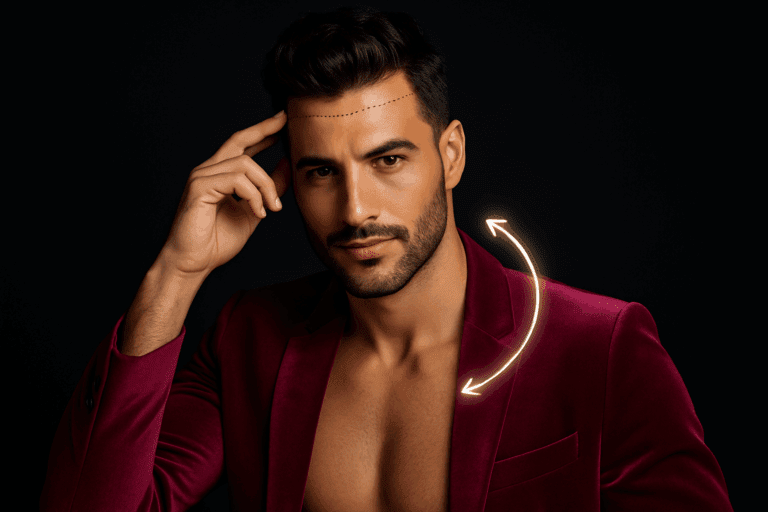
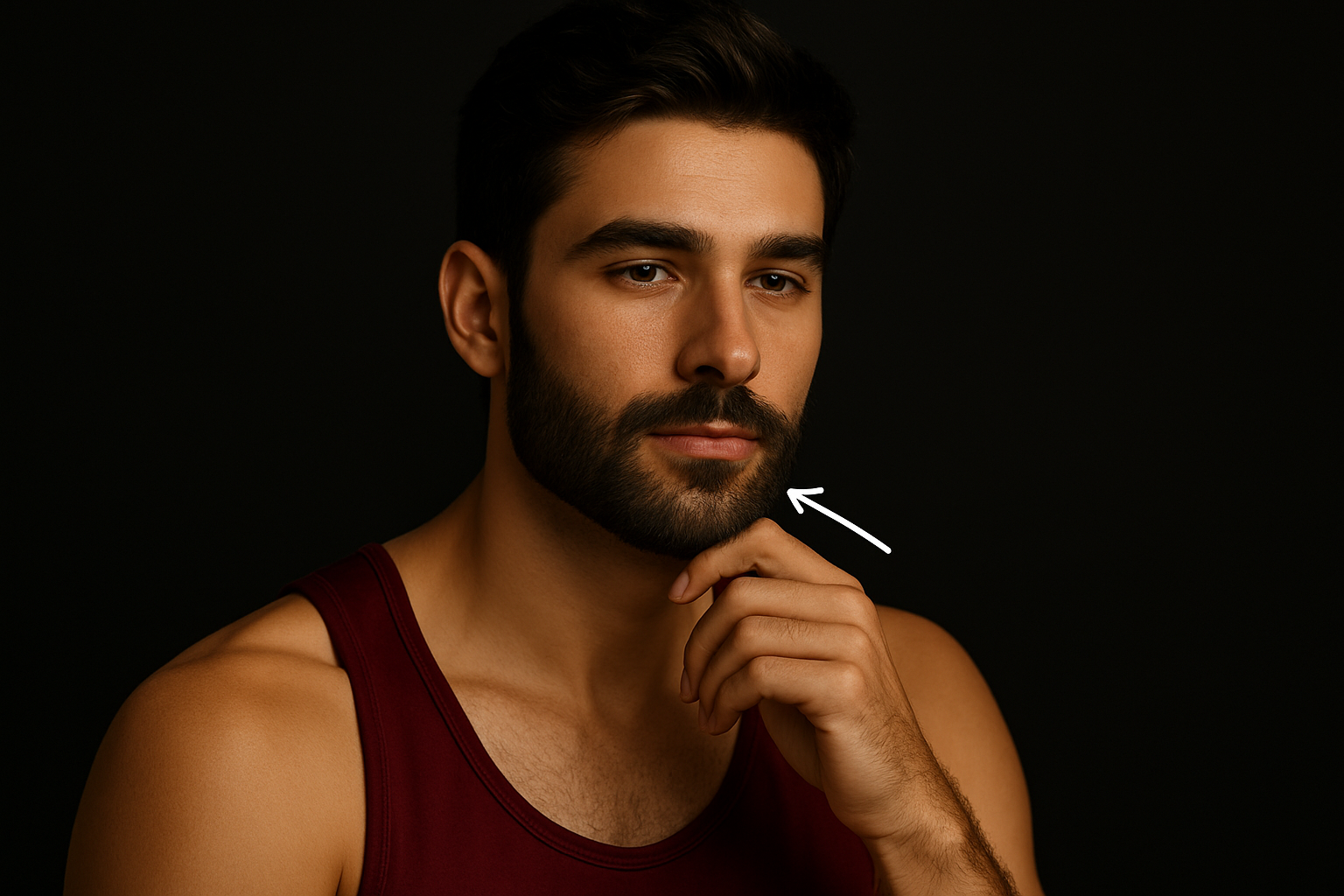
Facial hair has long been a defining aesthetic characteristic of masculine identity, vitality, and symmetry. However, genetics, trauma, hormonal imbalances, scarring, or previous surgical procedures often prevent men from achieving full, well-defined beard and mustache growth. Facial hair restoration via micro-surgical follicular extraction has evolved into one of the most requested procedures in aesthetic plastic surgery. Turkey has established itself as the global leader in facial hair restoration, combining surgical precision, state-of-the-art medical technology, and all-inclusive patient care.
Table of Contents:
- Quick Medical Facts Summary
- Procedure & Treatment Overview
- Ideal Candidates & Medical Assessment
- Modern Surgical Techniques & Technologies
- Step-by-Step Procedure Process
- Recovery Timeline, Aftercare & Expected Results
- Global Cost & Destination Comparison
- 5-Day VIP Patient Journey in Istanbul
- Frequently Asked Questions (FAQ)
- Summary & Next Steps
A successful facial hair transplant requires an artistic approach distinct from scalp transplantation. Facial hair follicles grow at acute angles, vary in single-unit distribution, and follow strict density contours across the cheekbones, jawline, philtrum, and chin. Understanding the clinical nuances of a Beard and Mustache hair transplant ensures natural density, seamless facial integration, and long-term follicular survival.
Quick Medical Facts Summary
- Procedure Duration: 4 to 8 hours depending on graft count (typically 1,500 to 4,500 grafts).
- Hospital Stay: Outpatient procedure; no overnight hospital stay required.
- Anesthesia: Needle-free local anesthesia or conscious sedation for complete comfort.
- Recovery Time: Initial crusting shedding in 7-10 days; initial growth at 3-4 months; final results at 12 months.
- Surgical Techniques: Sapphire FUE (Follicular Unit Extraction) and DHI (Direct Hair Implantation).
- Clinical Success Rate: Exceeds 95%-98% graft survival when performed by specialized surgical teams.
Procedure & Treatment Overview
A Beard and Mustache hair transplant involves harvesting healthy, genetically resilient hair follicles—typically from the permanent donor zone at the back of the scalp (occipital area)—and meticulously implanting them into sparse or bald regions of the face. In rare cases where scalp donor hair is insufficient, submental (under-jaw) body hair can serve as a secondary donor source.
Unlike scalp hair, which often grows in follicular units of 2 to 4 hairs, facial hair predominantly consists of single-hair units. Consequently, the surgical team carefully sorts harvested grafts under stereomicroscopes to isolate single follicles for placement along delicate facial borders, such as the upper line of the mustache and the cheeks, ensuring a completely natural aesthetic.
Ideal Candidates & Medical Assessment
Determining candidacy for a facial hair restoration procedure requires a thorough clinical consultation and dermatological evaluation. Ideal candidates include men experiencing:
- Congenital patchy facial hair growth or complete beard alopecia.
- Facial scarring resulting from trauma, burns, or surgical incisions (such as cleft lip repairs or facelift scars).
- Sparse mustache or beard density due to androgenic patterns or past stress-induced hair loss.
- Desire for re-shaping or lowering the facial hair line to enhance jawline definition.
During the pre-operative evaluation, the surgeon examines donor hair density, skin elasticity, hair diameter, and underlying skin conditions. Candidates should possess good systemic health, uncontrolled metabolic disorders must be managed, and realistic expectations regarding post-operative timeline and density must be set. Patients interested in broader aesthetic enhancements can also explore comprehensive male plastic surgery options in Turkey.
Modern Surgical Techniques & Technologies
Facial hair restoration relies heavily on advanced micro-surgical technologies designed to minimize tissue trauma and prevent visible scarring on both the donor and recipient sites. The primary techniques utilized include:
1. Sapphire FUE (Follicular Unit Extraction)
In Sapphire FUE, individual follicular units are extracted using ultra-thin micro-motor punches (0.6mm to 0.8mm). Recipient channels in the beard area are created using specialized blades fashioned from synthetic sapphire crystal. Unlike traditional steel blades, sapphire blades create V-shaped micro-incisions that allow for higher density placement, precise control over incision angles (down to 10-15 degrees relative to the skin surface), and minimal scabbing.
2. DHI (Direct Hair Implantation)
Using the DHI method, extracted grafts are loaded into specialized Choi Implanter Pens. This tool allows the surgeon to create the recipient site and implant the follicle simultaneously. DHI offers exceptional depth and angle control, making it highly effective for dense packing in delicate areas such as the mustache, goatee, and lower lip line. Patients seeking detailed information on graft handling can review our guide on modern hair transplantation techniques.
Step-by-Step Procedure Process
A standard Beard and Mustache transplantation procedure follows a structured clinical pathway:
- 1. Pre-Operative Consultation & Line Design: The surgeon evaluates facial symmetry and hand-draws the customized beard and mustache contour according to the patient’s facial anatomy and preferences.
- 2. Donor Area Preparation & Local Anesthesia: The donor site (back of the scalp) is trimmed and anesthetized using needle-free pressure injection, ensuring maximum comfort.
- 3. Follicular Extraction: Grafts are meticulously harvested one by one using micro-punches. The extracted grafts are categorized by single and double hair units and kept in chilled nutrient solutions (hypothermosol) to maintain cell viability.
- 4. Channel Creation / Direct Implantation: Micro-channels are opened at precise angles mimicking natural beard growth patterns, or Choi pens are used for direct implantation.
- 5. Post-Operative Dressing & Plasma Therapy: The donor area is dressed, while the recipient facial area is left open. Growth factor therapy or PRP may be applied to enhance graft integration and heal cutaneous tissue.
Recovery Timeline, Aftercare & Expected Results
Adhering to strict post-operative protocols is vital for graft survival and avoiding folliculitis or graft displacement in facial tissue. To understand comprehensive post-procedure care, review our essential essential post-hair transplant tips.
| Timeframe | Clinical Progression & Milestones | Care Instructions |
|---|---|---|
| Days 1 – 3 | Minor swelling, localized redness, and micro-crusting around facial grafts. | Avoid touching, washing, or pressing the facial area. Sleep elevated at a 45-degree angle. |
| Days 7 – 10 | Micro-crusts soften and fall away during gentle medical washes. | Perform gentle foam washing as instructed by the clinical team. Non-touch drying. |
| Weeks 2 – 4 | “Shock Loss” phase occurs where implanted hair shafts temporary shed. | Reassure patient; hair follicles remain healthy and dormant beneath the skin surface. |
| Months 3 – 4 | New beard and mustache shafts begin emerging from the recipient channels. | Resume light trimming with scissors only; avoid mechanical razors or wet shaving. |
| Months 6 – 8 | Significant density increase and visible coverage across jawline and mustache. | Regular grooming permitted; hair texture begins matching natural beard coarseness. |
| Month 12 | Final mature result with lifelong, natural-looking facial hair density. | Full shaving, styling, and trimming options available without restriction. |
Global Cost & Destination Comparison
Turkey offers exceptional surgical standards, high-volume surgical expertise, and comprehensive all-inclusive packages that make premium hair restoration accessible globally. Compare how Turkey stands against other key international destinations:
| Destination | Average Cost Range (USD) | JCI Accreditation & Medical Standards | Travel & Logistic Support | Package Inclusions |
|---|---|---|---|---|
| Turkey (Health Beauty Turkey) | $2,200 – $3,500 | World-class clinical standards with expert surgeons | VIP Airport-Hotel-Clinic transfers, central location | 5-Star Hotel, All VIP Transfers, Medications, Aftercare Kits |
| United Kingdom | $7,000 – $12,000 | High clinical standards (CQC regulated) | Self-arranged by patient | Procedure only; consultation and medications charged separately |
| United States | $8,000 – $15,000 | High clinical standards (AAAASF / JCI) | Self-arranged by patient | Procedure only; high out-of-pocket facility fees |
| Germany | $6,500 – $11,000 | Strict European Union medical compliance | Self-arranged by patient | Procedure only; limited post-op support packages |
| Thailand | $3,500 – $6,000 | Good medical tourism infrastructure | Moderate travel assistance | Selected clinic packages available |
| India | $2,000 – $4,000 | Varies across private hospitals | Basic transfer services | Variable quality and accommodation standards |
5-Day VIP Patient Journey in Istanbul
Patients visiting Istanbul for facial hair restoration undergo an organized, stress-free 5-day medical program designed to maximize comfort and treatment success:
- Day 1: VIP Arrival & Hotel Transfer: Arrival at Istanbul Airport (IST or SAW). Private VIP driver meets the patient and transfers them to a luxury 5-star hotel for rest.
- Day 2: Clinical Consultation, Blood Tests & Surgery: In-person evaluation with the lead surgeon, accurate facial line marking, complete blood work, followed by the Beard and Mustache transplantation procedure.
- Day 3: Rest & Recovery: Dedicated rest day at the luxury hotel. Dedicated medical coordinators remain on call 24/7 to monitor progress and address initial questions.
- Day 4: Hair Wash Demonstration & Post-Op Check: The patient returns to the clinic for bandage removal, post-operative inspection, and the first gentle hair wash demonstration by specialized clinical staff.
- Day 5: Final Evaluation & VIP Return Transfer: Final medical consultation, issuance of post-operative care packages and medications, followed by private transfer back to the airport for safe departure.
For more insights from patients who have undertaken hair restoration procedures, explore our real-life overview on the Hair Transplant Turkey experience, or learn how to regain hair density with hair transplantation in Turkey.
Frequently Asked Questions (FAQ)
Is a beard and mustache transplant permanent?
Yes. The harvested donor follicles originate from the genetically permanent zone at the back of the scalp. These follicles retain their genetic resistance to dihydrotestosterone (DHT) and continue to grow permanently once implanted into facial tissue.
Will the transplanted hair look natural on my face?
When performed by an experienced surgical specialist, the results are virtually indistinguishable from natural facial hair. Precision in setting single-unit grafts, matching growth angles, and designing realistic contours ensures seamless integration.
When can I shave or trim my new beard and mustache?
Patients can carefully trim transplanted hair using scissors after 1 month. Shaving with an electric shaver or safety razor is typically permitted after 3 months, once the grafts are fully rooted and integrated into the facial dermal layers.
Is the procedure painful?
No. Modern local anesthesia techniques, including needle-free pressure injection systems, render the procedure painless. Conscious sedation options are also available for patients who experience anxiety.
Summary & Next Steps
Facial hair transplantation is a refined artistic and surgical discipline that requires sophisticated extraction techniques, meticulous channel direction, and dedicated patient care. A well-executed Beard and Mustache transplant permanently transforms facial symmetry, fills sparse patches, and provides natural density that lasts a lifetime.
If you are ready to evaluate your candidacy and explore personalized treatment plans, reach out to the medical team at Health Beauty Turkey today for a comprehensive, confidential virtual consultation.
Medical Disclaimer: The contents of this article are intended strictly for educational and informational purposes and do not constitute formal medical advice, diagnosis, or treatment. Individual clinical results vary depending on donor quality, health status, and adherence to post-operative instructions. Always consult a board-certified hair restoration surgeon for individual medical evaluation.
Related Articles: Hair Transplant Turkey: The Complete Experience to Regain Hair Density and Confidence | Regain Your Hair Density with Hair Transplantation in Turkey: Ultimate Clinical Guide | Post-Hair Transplant Tips: Essential Aftercare Guide for Turkey Patients
References & Trusted Sources: National Institutes of Health (NIH) – Clinical Research | World Health Organization (WHO) – Health Guidelines | National Center for Biotechnology Information (NCBI / PubMed)