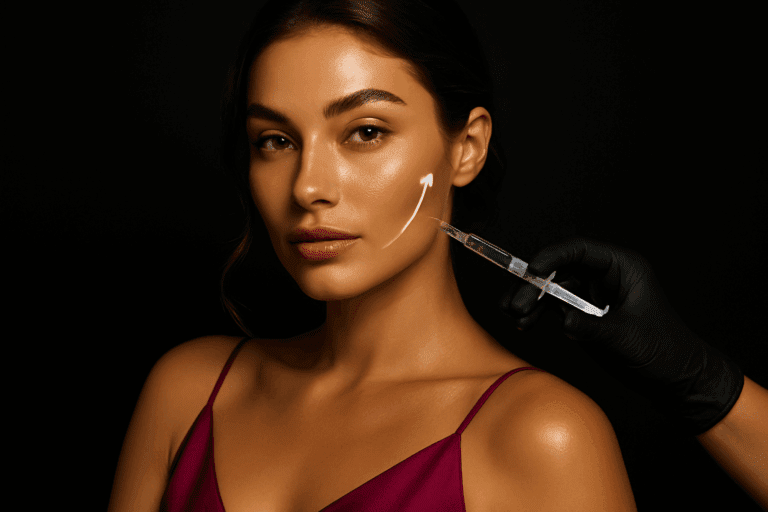
Healthy, vibrant skin is foundational to physical aesthetics and individual self-confidence. Over time, factors such as solar radiation, atmospheric pollution, cellular oxidation, hormonal fluctuations, and acne scarring impair the natural epidermal turnover process. This results in hyperpigmentation, fine lines, rough texture, and loss of skin elasticity. Clinical skin peeling in Turkey has established itself as an effective non-surgical intervention to restore skin luminosity, even out skin tone, and trigger deep dermal collagen synthesis.
Table of Contents:
- Quick Medical Facts Summary
- Procedure & Treatment Overview
- Ideal Candidates & Medical Assessment
- Modern Surgical Techniques & Technologies
- Step-by-Step Procedure Process
- Recovery Timeline, Aftercare & Expected Results
- Global Cost & Destination Comparison (Turkey vs UK, USA, Germany, Thailand, India)
- 5-Day VIP Patient Journey in Istanbul
- Frequently Asked Questions (FAQ)
- Summary & Next Steps
At Health Beauty Turkey, our dermatology specialists utilize advanced skin resurfacing protocols—ranging from automated microneedling peeling with Dermapen to targeted medical chemical peels and mechanical resurfacing. Every treatment protocol is personalized following a detailed dermatological evaluation to ensure optimal cellular renewal, structural safety, and long-lasting aesthetic refinement.
Quick Medical Facts Summary
| Treatment Duration | 30 to 60 minutes per session |
|---|---|
| Hospital Stay | Outpatient (No overnight stay required) |
| Anesthesia | Topical numbing cream (Local) |
| Recovery Time | 3 to 7 days depending on depth |
| Clinical Success Rate | 95% patient satisfaction rate |
Procedure & Treatment Overview
Skin peeling encompasses medical dermatological procedures designed to controlledly exfoliate damaged outer epidermal layers, stimulating the body’s intrinsic cellular repair mechanism. By accelerating the shedding of dead keratinocytes, clinical peeling triggers the production of fresh epidermal cells, structural collagen, and hyaluronic acid within the dermal matrix.
Depending on clinical needs, patients seeking chemical peels in Turkey or mechanical skin resurfacing can address multiple cutaneous concerns simultaneously. These include actinic damage, melasma, post-inflammatory hyperpigmentation, enlarged pores, superficial rhytids (wrinkles), and persistent acne scarring.
Ideal Candidates & Medical Assessment
A rigorous pre-treatment evaluation by a certified dermatologist is essential to identify the suitable peeling modality and prevent potential complications such as post-inflammatory hyperpigmentation (PIH) or delayed re-epithelialization.
Ideal Candidates Include Individuals With:
- Mild to moderate epidermal hyperpigmentation, melasma, or sunspots.
- Superficial acne scars, textural irregularities, and dilated pores.
- Fine facial lines and subtle structural laxity.
- Dull skin tone resistant to topical skincare regimens.
Contraindications & Clinical Precautions:
- Active cutaneous infections, herpes simplex virus outbreaks, or open wounds.
- Isotretinoin (Accutane) therapy within the past 6 to 12 months.
- Active hypertrophic scarring or keloid formation history.
- Pregnancy or lactation.
- Uncontrolled autoimmune dermatological conditions such as psoriasis or eczema in the treatment zone.
Modern Surgical Techniques & Technologies
Dermatology in Turkey integrates advanced biomedical devices and refined pharmaceutical-grade peeling agents. Depending on the patient’s Fitzpatick skin type and aesthetic goals, several modalities may be employed independently or in synergistic combination:
1. Dermapen Microneedling & Cellular Peeling
Dermapen utilizes an automated micro-needling array to create thousands of controlled micro-channels in the epidermis and upper dermis. This mechanical action breaks down fibrotic scar tissue and stimulates growth factors. When combined with specialized peeling solutions or bioactive serums, micro-channels significantly increase the transdermal absorption of active regenerative ingredients.
2. Chemical Peeling Protocols
Chemical peeling employs controlled acidic solutions—such as Alpha-Hydroxy Acids (Glycolic, Lactic), Beta-Hydroxy Acids (Salicylic), or Trichloroacetic Acid (TCA)—to dissolve cellular bonds within the stratum corneum. For targeted structural enhancement, patients frequently combine peeling regimens with facial mesotherapy treatments to supply hyaluronic acid and essential vitamins directly to the revitalized dermal layers.
3. Mechanical Resurfacing Modalities
For patients seeking physical exfoliation without deep chemical acid exposure, diamond skin resurfacing protocols and clinical crystal peeling therapies offer precise physical exfoliation of superficial stratum corneum debris, promoting immediate smoothness with minimal clinical downtime.
Step-by-Step Procedure Process
- Dermatological Consultation & Digital Mapping: The clinician evaluates skin elasticity, moisture levels, depth of pigmentation, and Fitzpatrick skin type.
- Skin Cleansing & Preparation: The treatment zone is thoroughly degreased and sterilized using medical-grade antiseptic formulations to ensure uniform solution absorption.
- Anesthetic Application: A medical-grade topical anesthetic cream is applied for 20 to 30 minutes to ensure complete patient comfort during micro-needling or deep exfoliation.
- Active Treatment Execution: The selected peeling agent or Dermapen device is systematically passed across defined facial aesthetic zones. Treatment parameters (depth, concentration, exposure time) are tailored dynamically.
- Neutralization & Soothing Mask: Chemical agents are chemically neutralized, or post-microneedling cooling masks enriched with panthenol and growth factors are applied to soothe the dermal tissue.
- Photoprotective Shielding: A broad-spectrum physical sunscreen (SPF 50+) is applied to safeguard newly exposed cellular structures.
Recovery Timeline, Aftercare & Expected Results
Post-procedure recovery varies according to the depth of the peeling protocol executed:
- Days 1–2 (Erythema Phase): Mild redness and localized tightness similar to a mild sunburn are typical. Patients must refrain from touching or washing the face with hot water.
- Days 3–5 (Exfoliation Phase): Controlled shedding of damaged epidermal layers occurs. Patients must apply prescribed emollient moisturizers and strictly avoid physical peeling or scrubbing.
- Days 6–7 (Re-epithelialization): Fresh, regenerated skin appears underneath. Redness diminishes, revealing improved clarity, reduced pore size, and a smoother skin texture.
- Long-term Results: Neocollagenesis continues over 4 to 6 weeks, resulting in enhanced skin density, reduced pigmentation, and diminished fine lines.
Global Cost & Destination Comparison (Turkey vs UK, USA, Germany, Thailand, India)
Turkey has become a leading international center for cosmetic dermatology, providing high-standard medical interventions at accessible price points due to favorable operational economics and integrated medical tourism infrastructure.
| Destination | Average Cost (USD) | JCI Quality Standards | Travel Convenience | All-Inclusive VIP Care |
|---|---|---|---|---|
| Turkey (Health Beauty Turkey) | $250 – $600 | World-Class Accredited | High (Hub Airports) | Included (Transfers, Hotel, Interpreter) |
| United Kingdom | $800 – $1,800 | Standard Regional | Moderate | Not Included |
| United States | $1,000 – $2,500 | High / Variable | Moderate | Not Included |
| Germany | $750 – $1,600 | High European | High | Not Included |
| Thailand | $400 – $900 | Good Standard | Long Distance | Partially Available |
| India | $300 – $700 | Variable | Long Distance | Rarely Included |
5-Day VIP Patient Journey in Istanbul
At Health Beauty Turkey, we organize medical journeys into seamless, stress-free clinical experiences for international patients:
- Day 1: Arrival & VIP Transport: Private chauffeur pick-up at Istanbul Airport and transfer to a luxury partner hotel.
- Day 2: Clinical Consultation & Treatment: In-depth evaluation by our senior dermatologist followed by the execution of the tailored skin peeling protocol.
- Day 3: Rest & Guided Recovery: A day of relaxing in Istanbul while observing post-procedure topical protocols under remote clinical monitoring.
- Day 4: Follow-up Assessment & LED Therapy: Clinical check-up at the clinic to review cellular recovery, combined with soothing photobiomodulation (LED therapy).
- Day 5: Final Evaluation & Departure: Final medical clearance, distribution of personalized aftercare kits, and private transport to the airport.
Frequently Asked Questions (FAQ)
Is skin peeling painful?
Topical anesthetic creams are applied prior to microneedling or deeper peeling protocols to minimize discomfort. Patients typically report a light tingling or mild warmth during application, but no significant pain.
How many skin peeling sessions are needed for optimal results?
While visible textural improvements are noticeable after a single treatment, a structured series of 3 to 5 sessions spaced 4 weeks apart is generally recommended for optimal collagen synthesis, scar reduction, and melasma management.
Can skin peeling be performed on dark skin tones?
Yes. However, dark skin tones (Fitzpatrick Types IV–VI) require specific low-concentration peeling solutions (such as mandelic or salicylic acid) or controlled microneedling settings to prevent post-inflammatory hyperpigmentation.
When can I apply makeup after a skin peeling session?
Patients should refrain from applying cosmetic makeup for at least 48 to 72 hours post-treatment to prevent pore clogging, bacterial translocation, and chemical irritation during the initial epidermal healing phase.
Summary & Next Steps
Clinical skin peeling offers a reliable, scientifically validated pathway to correct epidermal imperfections, stimulate dermal collagen, and restore facial vitality. By combining experienced dermatological expertise, state-of-the-art clinical technologies, and comprehensive VIP care, Health Beauty Turkey ensures safe treatments tailored to your aesthetic aspirations.
If you are considering revitalizing your skin and exploring customized non-surgical cosmetic solutions, reach out to our medical consultation team today to request a comprehensive personal skin evaluation.
Medical Disclaimer: The information provided in this guide is intended solely for educational purposes and does not constitute formal medical advice. Clinical outcomes may vary based on individual physiological characteristics, skin type, and medical history. Always consult a qualified physician or board-certified dermatologist for personal diagnostic evaluation and treatment planning.
Related Articles: chemical peels in Turkey | facial mesotherapy treatments | diamond skin resurfacing protocols | crystal peeling therapies
References & Trusted Sources: National Institutes of Health (NIH) – Clinical Research | World Health Organization (WHO) – Health Guidelines | National Center for Biotechnology Information (NCBI / PubMed)