Hair loss, clinically manifested as androgenetic alopecia, telogen effluvium, or cicatricial alopecia, affects millions of men and women globally. Beyond its physical impact, androgenic hair thinning often reduces self-confidence and alters facial harmony. Over the past decade, a hair transplant in Turkey has established itself as the global gold standard for permanent follicular restoration. By combining board-certified trichological surgeons, hospital-grade sterile environments, cutting-edge micro-surgical instruments, and accessible all-inclusive care packages, Turkey leads the world in hair restoration outcomes.
Table of Contents:
- Quick Medical Facts Summary
- Procedure & Treatment Overview
- Ideal Candidates & Medical Assessment
- Modern Surgical Techniques & Technologies
- Step-by-Step Procedure Process
- Recovery Timeline, Aftercare & Expected Results
- Global Cost & Destination Comparison
- 5-Day VIP Patient Journey in Istanbul
- Frequently Asked Questions (FAQ)
- Summary & Next Steps
At Health & Beauty Turkey, we provide a holistic clinical journey tailored to each patient’s anatomical profile, donor site density, and aesthetic goals. Understanding the physiological causes of follicle loss—ranging from dihydrotestosterone (DHT) sensitivity to hormonal fluctuations and micro-nutritional deficiencies—is essential when designing a customized surgical plan. This clinical guide covers modern hair restoration techniques, pre-operative assessment protocols, postoperative timelines, global cost comparisons, and our VIP patient care framework.
Quick Medical Facts Summary
| Clinical Parameter | Medical Specification |
|---|---|
| Operation Duration | 6 to 8 hours (depending on graft count) |
| Anesthesia Type | Local anesthesia with needle-free painless pre-anesthesia |
| Hospital Stay Required | Outpatient procedure (0 nights hospital stay, 4 nights hotel) |
| Primary Surgical Techniques | Sapphire FUE, Direct Hair Implantation (DHI), Micro-FUE |
| Initial Recovery Period | 7 to 10 days for scabbing clearance |
| Final Aesthetic Result | 12 to 18 months post-procedure |
| Clinical Graft Survival Rate | 95% to 98% under certified surgical standards |
Procedure & Treatment Overview
Hair transplantation is a minimally invasive micro-surgical procedure in which healthy, genetically stable hair follicles (grafts) are harvested from the donor zone—typically the occipital region at the back and sides of the scalp—and transplanted into balding or thinning areas (recipient site). Occipital hair follicles are biologically resistant to the destructive effects of dihydrotestosterone (DHT), ensuring that transplanted hair continues to grow naturally for a lifetime.
Modern surgical methodologies focus on maximum follicle viability, natural hairline micro-patterning, and absolute minimal tissue trauma. Unlike outdated Follicular Unit Transplantation (FUT), which involved harvesting a surgical strip of scalp skin and leaving a linear scar, contemporary protocols rely exclusively on single-unit extraction techniques. To better understand how these modern procedures compare against historical benchmarks, read our comprehensive guide on hair transplant in Turkey facts and clinical standards.
Ideal Candidates & Medical Assessment
Achieving dense, undetectable results requires strict pre-operative screening and patient selection. Not every patient presenting with hair loss is an immediate candidate for surgical restoration. A comprehensive trichological evaluation assesses several anatomical criteria:
- Sufficient Donor Zone Density: The occipital donor area must possess adequate follicular unit density (typically >65-70 grafts per cm²) to yield the required coverage without over-harvesting.
- Stabilized Hair Loss Pattern: Candidates experiencing active, unstable androgenetic alopecia may require pre-operative medical stabilization using clinically approved therapies to preserve native hair.
- Scalp Health & Elasticity: The recipient scalp must be free of active inflammatory dermatoses, severe psoriasis, or active scalp infections.
- General Systemic Health: Patients must have managed blood pressure, balanced blood glucose levels, and negative screenings for acute hematological disorders. Non-smokers show significantly higher graft survival due to optimal micro-vascular tissue perfusion.
- Realistic Clinical Expectations: Understanding graft capacity vs. surface area coverage is critical for achieving lifetime patient satisfaction.
Modern Surgical Techniques & Technologies
Advanced hair restoration relies on refined instruments designed to protect the micro-vascular integrity of each follicular unit. Health & Beauty Turkey utilizes state-of-the-art technologies custom-selected for individual skin types and graft structures.
Sapphire FUE (Follicular Unit Extraction)
Sapphire FUE replaces traditional steel scalpels with ultra-sharp blades crafted from synthetic sapphire gemstones. These micro-blades allow surgeons to create V-shaped incisions instead of U-shaped slots, resulting in smaller tissue channels, minimal bleeding, reduced scabbing, and higher graft implantation density. Learn more about the advantages of Sapphire hair transplantation in Turkey for maximum density.
DHI (Direct Hair Implantation)
Utilizing specialized Choi Implanter Pens, DHI allows harvesting and immediate recipient placement without pre-opening channels. The graft is loaded into a hollow needle and injected directly into the dermal layer at a precise angle, depth, and direction (typically 40-45 degrees). This technique offers supreme control over direction and density, making it ideal for hairline re-definition and density packing between existing native hairs. Explore our detailed insights on DHI hair transplantation in Turkey.
Micro-FUE & Unshaven Hair Transplantation
For high-profile professionals and active individuals requiring discreet recovery, Micro-FUE techniques utilize ultra-fine extraction punches (0.6mm – 0.8mm) to extract grafts with negligible micro-scarring. Furthermore, executive patients can benefit from an unshaven hair transplant in Turkey, where recipient zones are augmented without shaving existing long hair.
Step-by-Step Procedure Process
Understanding every phase of the surgical day ensures peace of mind and strict patient compliance with surgical protocols:
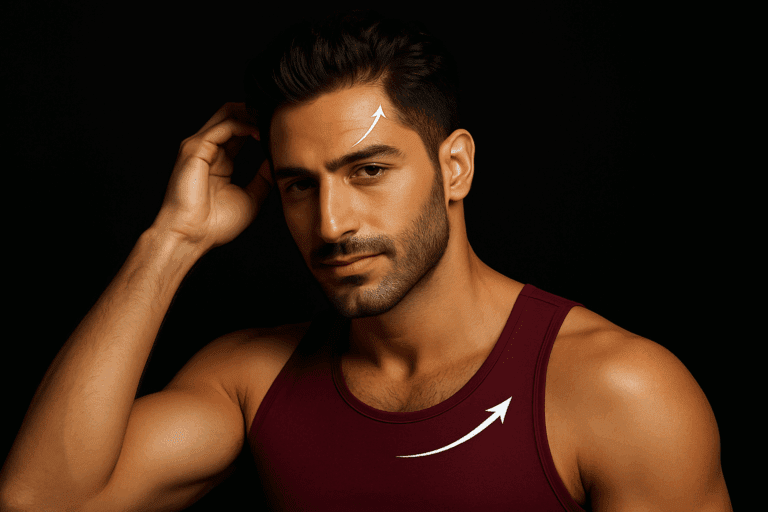
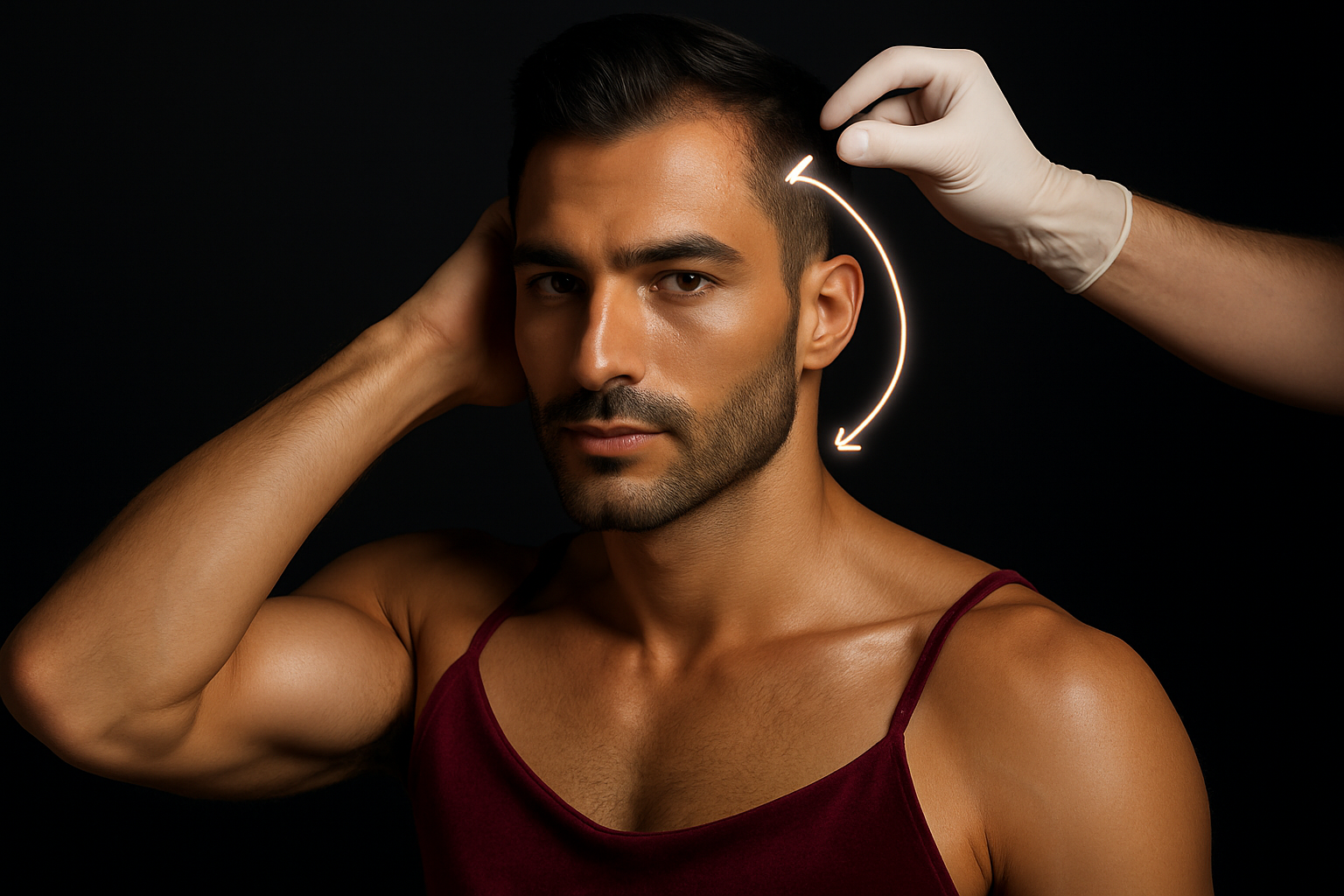
- Personalized Hairline Design & Marking: In consultation with the lead surgeon, the patient’s natural facial proportions, frontal muscle movement, and anatomical hairline are mapped out using micro-geometric guidelines.
- Local Anesthesia Administration: Painless pre-anesthesia pressure devices deliver local anesthetic to the donor and recipient zones, ensuring total numbness during extraction and channel creation.
- Donor Harvest (Extraction Phase): Using microscopic extraction tools, individual follicular units containing 1, 2, 3, or 4 hairs are harvested uniformly across the safe donor zone to maintain balanced density.
- Graft Sorting & HypoThermosol Storage: Harvested grafts are sorted by follicle count under stereo-microscopes and submerged in temperature-controlled bio-preservation solutions to maximize viability outside the body.
- Recipient Channel Creation: Using Sapphire blades or direct Choi placement, micro-incisions are strategically created to match the natural angle and growth direction of native hair.
- Follicular Implantation: The surgical team carefully implants single-hair grafts at the leading edge of the hairline for softness and multi-hair grafts behind for high density.
Recovery Timeline, Aftercare & Expected Results
Healing follows a predictable physiological sequence. Adhering to postoperative instructions directly correlates with graft survival rate and aesthetic density.
- Days 1 to 3 (Immediate Post-Op): Mild edema (swelling) around the forehead may occur. The donor area is dressed, and recipient grafts must remain untouched. Specialized saline sprays are used to keep grafts hydrated.
- Days 4 to 10 (Crust Removal Phase): Daily gentle washing with prescribed medical foam shampoo gradually softens micro-crusts. By day 10, all scabs naturally wash away, leaving healed micro-incisions.
- Weeks 2 to 8 (Shock Loss Phase): A temporary shedding phase known as “shock loss” occurs. The hair shafts fall out, while the transplanted follicular roots remain securely anchored in the dermal layer.
- Months 3 to 4 (Initial Hair Growth): New fine hair shafts emerge from the scalp. Initial growth may appear thin or fine.
- Months 6 to 9 (Significant Density Build-up): Hair shafts thicken, texture normalizes, and density increases dramatically. Most patients notice 60% to 70% of ultimate coverage.
- Months 12 to 18 (Final Mature Result): Full follicle maturation, depth, and maximum hair density are achieved. Results are permanent and natural.
For more detailed patient perspectives during this healing period, read our report on real patient experiences during hair transplantation recovery in Turkey.
Global Cost & Destination Comparison
The global cost difference for hair transplantation is driven by variations in healthcare operational overhead, surgical labor costs, and living costs—not quality of care. Turkish medical facilities registered with the Ministry of Health deliver JCI-accredited care at a fraction of Western costs.
| Destination / Parameter | Average Cost (3500-4500 Grafts) | JCI Quality Standards | Travel & Hotel Included | All-Inclusive VIP Services |
|---|---|---|---|---|
| Turkey (Health & Beauty Turkey) | €1,800 – €2,800 | Certified World-Class | Yes (5-Star Accommodation) | Yes (VIP Transfers & Translators) |
| United Kingdom | £6,500 – £12,000 | Standard NHS/CQC | No | No |
| United States | $8,000 – $18,000 | High Overhead Costs | No | No |
| Germany | €6,000 – €11,000 | Strict European Code | No | No |
| Thailand | $4,500 – $7,500 | Variable Standards | Rarely | Partial |
| India | $2,200 – $4,000 | Variable Standards | No | Partial |
5-Day VIP Patient Journey in Istanbul
Health & Beauty Turkey provides a streamlined, stress-free medical tourism package designed to deliver clinical outcomes combined with luxury hospitality:
- Day 1: VIP Arrival & Luxury Transfer: Arrival at Istanbul Airport (IST or SAW). A private chauffeur meets you and transfers you to your 5-star partner hotel for check-in and relaxation.
- Day 2: Clinical Consultation, Blood Analysis & Surgery: Meet your surgical team for blood testing, graft evaluation, and final hairline mapping. Surgery is performed under local anesthesia with structured comfort breaks.
- Day 3: Hotel Rest & Recovery: Relax at your hotel. Dedicated medical coordinators monitor your recovery progress remotely while offering 24/7 support.
- Day 4: First Hair Wash & Donor Inspection: Return to the clinic for medical dressing removal, donor area check, and your initial guided therapeutic wash using anti-septic shampoo.
- Day 5: Final Medical Evaluation & Return Home: Final medical checkup with your surgeon, issue of Post-Op Care Packages (shampoos, lotions, anti-inflammatory medications), and private VIP transfer to the airport.
Frequently Asked Questions (FAQ)
Is a hair transplant in Turkey safe and permanent?
Yes. When performed in accredited surgical hospitals by qualified trichologists, hair transplantation is exceptionally safe. Because grafts are harvested from the DHT-resistant donor area, transplanted hair follicles retain their genetic resistance to balding, providing permanent lifetime growth.
How many grafts will I need for full coverage?
Graft requirements depend on your current Norwood scale baldness level. Frontal hairline restoration typically requires 2,000 to 2,500 grafts, while advanced crown and hairline correction may require 3,500 to 4,500+ grafts in a single session. Specialized options, such as beard and mustache hair transplantation, require customized graft calculations.
How long should I take off from work after surgery?
Most patients can resume desk-based work within 5 to 7 days post-procedure. If your job involves heavy physical labor, intense sweating, or wearing hard hats/helmets, we recommend taking 14 days off to protect the freshly implanted grafts.
When will I see the final hair transplant results?
Initial hair growth begins around 3 to 4 months post-transplant. Significant coverage emerges between 6 and 9 months, while final, maximum hair thickness and density are achieved at 12 to 18 months.
Summary & Next Steps
A surgical hair transplant in Turkey is a clinically proven, permanent, and cost-effective solution for structural hair loss. Modern extraction methodologies like Sapphire FUE and DHI ensure natural hairlines, rapid healing, and high graft survival rates. By partnering with Health & Beauty Turkey, patients receive rigorous surgical care paired with world-class VIP hospitality.
If you are ready to evaluate your hair loss stage and explore personalized treatment plans, contact our clinical medical team today for a free, virtual hair analysis and comprehensive assessment.
Medical Disclaimer: The clinical information provided in this guide is intended solely for educational purposes and does not substitute professional medical diagnosis, consultation, or treatment. Individual candidate suitability, graft density, and final aesthetic results depend on individual health profiles, donor availability, and adherence to postoperative protocols. Always consult a certified medical professional prior to undergoing micro-surgical procedures.
Related Articles: Hair Transplant Turkey: The Complete Experience to Regain Hair Density and Confidence | Unshaven Hair Transplant in Turkey: Advanced No-Shave Techniques & Costs | FUE Hair Transplantation in Turkey: Clinical Guide & Results
References & Trusted Sources: National Institutes of Health (NIH) – Clinical Research | World Health Organization (WHO) – Health Guidelines | National Center for Biotechnology Information (NCBI / PubMed)