
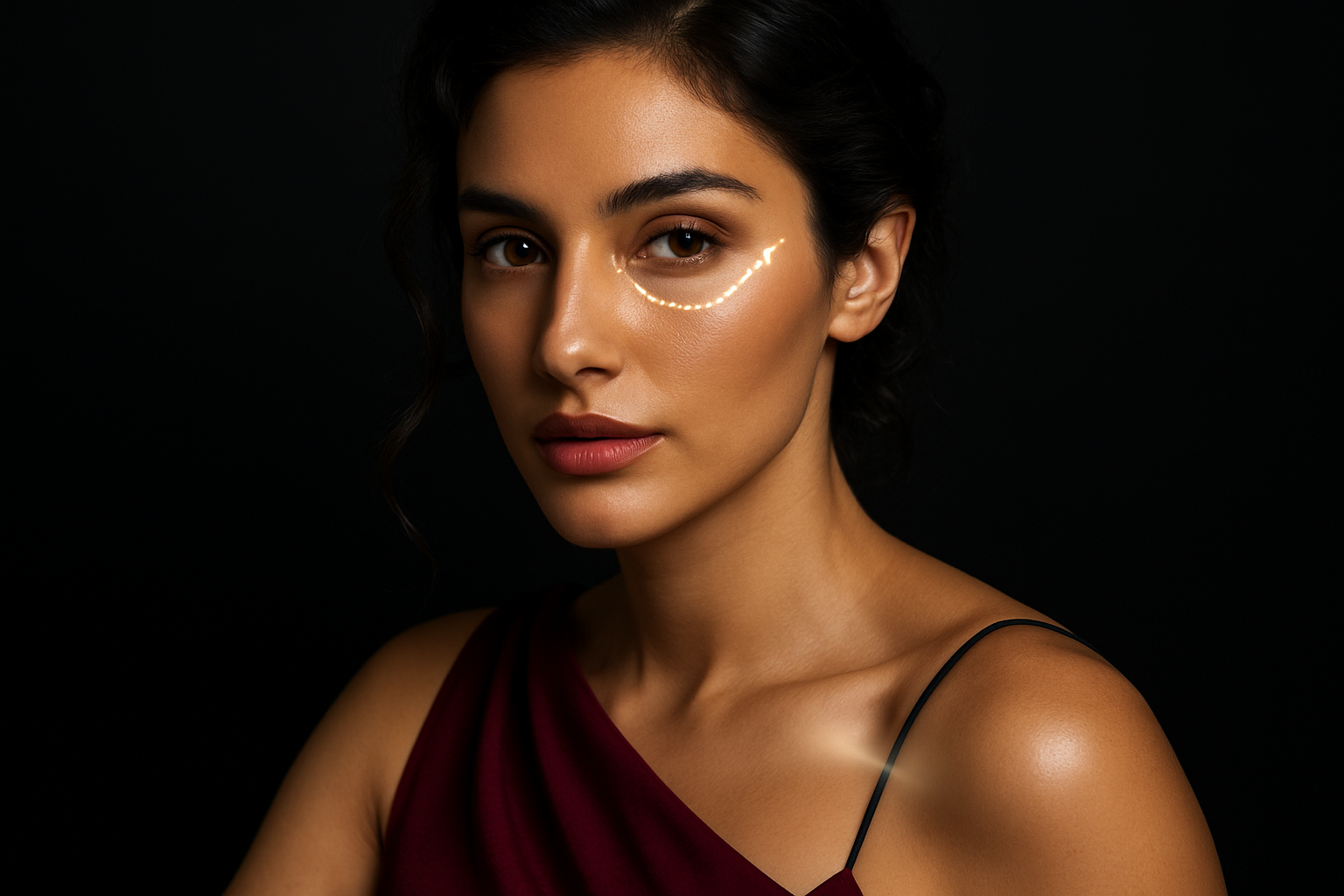
Periorbital aging often represents the primary indicator of facial fatigue and chronological tissue laxity. The delicate skin surrounding the eyes is exceptionally thin, making it vulnerable to elastin breakdown, sun damage, and orbital fat pseudo-herniation. For international patients seeking to restore anatomical firmness and vitalized facial dynamics, eyelid surgery in Turkey—clinically termed blepharoplasty—has emerged as a premier surgical solution.
Table of Contents:
- 1. Blepharoplasty Addresses Distinct Upper and Lower Eyelid Pathologies
- 2. Modern Incisions Are Virtually Invisible Once Healed
- Procedure & Treatment Overview
- Ideal Candidates & Medical Assessment
- Modern Surgical Techniques & Technologies
- Step-by-Step Procedure Process
- Recovery Timeline, Aftercare & Expected Results
- Global Cost & Destination Comparison (Turkey vs UK, USA, Germany, Thailand, India)
- 5-Day VIP Patient Journey in Istanbul
- Frequently Asked Questions (FAQ)
- Summary & Next Steps
Understanding the surgical intricacies, anatomical considerations, and post-operative milestones is critical before undertaking periorbital rejuvenation. At Health Beauty Turkey, our board-certified oculoplastic and plastic surgeons utilize advanced micro-surgical protocols to deliver natural, aesthetically balanced, and functionally sound outcomes. Below is a comprehensive medical analysis of the seven essential facts every patient must understand prior to electing blepharoplasty in Turkey.
Quick Medical Facts Summary
| Metric | Clinical Standard |
|---|---|
| Procedure Duration | 60 to 120 minutes (Upper, Lower, or Quad Blepharoplasty) |
| Hospital Stay | Outpatient (Same-day discharge) or 1 Night Stay |
| Anesthesia Type | Local Anesthesia with IV Sedation or General Anesthesia |
| Primary Recovery Phase | 7 to 10 days (Suture removal at Day 5–7) |
| Full Tissue Maturation | 6 to 12 weeks |
| Clinical Success Rate | Exceeds 98% in accredited surgical centers |
1. Blepharoplasty Addresses Distinct Upper and Lower Eyelid Pathologies
One of the primary facts patients must understand is that upper and lower blepharoplasty address completely different structural problems. Upper eyelid surgery focuses on excising redundant palpebral skin (dermatochalasis) and restoring the natural upper eyelid crease. In severe cases, upper lid ptosis—where the lid margin drops over the pupil—is corrected concurrently by tightening the levator palpebrae superioris muscle.
Conversely, lower blepharoplasty targets sub-orbicularis fat pockets, tear trough depressions, and lower lid laxity. Modern lower blepharoplasty rarely relies on simple fat excision; instead, surgeons reposition herniated fat into the tear trough zone to eliminate dark hollows without creating a sunken periorbital appearance. Patients exploring modern eyelid surgery options often discover that combining upper and lower techniques (quad-blepharoplasty) provides the most harmonized facial rejuvenation.
2. Modern Incisions Are Virtually Invisible Once Healed
Patients frequently express concern regarding facial scarring. Surgical blepharoplasty is specifically designed around natural anatomical contours to render incisions unnoticeable once tissue remodeling is complete.
- Upper Eyelid Incisions: Placed precisely within the supratarsal crease. When the eyes are open, the surgical scar remains completely hidden within the natural skin fold.
- Transcutaneous Lower Eyelid Incisions: Made just below the lower lash line (subciliary incision), allowing direct access to redundant skin and lower palpebral fat pads.
- Transconjunctival Lower Blepharoplasty: Executed through the inner lining of the lower lid (the conjunctiva). This approach leaves zero external skin scarring and is ideal for younger patients requiring fat repositioning without skin resection.
Procedure & Treatment Overview
Eyelid surgery reconstructs the mechanical and cosmetic integrity of the periorbital complex. Over time, weakening of the orbital septum allows retrobulbar fat to protrude anteriorly, while dermal collagen depletion causes cutaneous sagging. Blepharoplasty surgically reinstates structural integrity by resecting excess skin, tightening relaxed orbicularis oculi muscle fibers, and contouring or repositioning orbital fat pads.
The surgery may be performed strictly for cosmetic enhancements or as a functional necessity. Functional blepharoplasty becomes medically required when sagging upper eyelid tissue obstructs the patient’s superior visual field, causing eye strain, tension headaches, and decreased peripheral awareness.
Ideal Candidates & Medical Assessment
Determining candidacy requires a thorough clinical assessment by an ophthalmic or plastic surgeon. Ideal candidates generally possess one or more of the following conditions:
- Excess, drooping skin creating folds on the upper eyelids that obscure the natural crease or impinge upon visual fields.
- Puffiness or prominent bulging in the upper or lower eyelids caused by pseudo-herniated orbital fat.
- Chronic malposition or droopiness of the lower lids, revealing excess sclera below the iris (scleral show).
- Deep tear trough grooves producing chronic dark circles under the eyes.
- Overall good physical health with controlled blood pressure and stable ocular health (devoid of severe dry eye syndrome, glaucoma, or retinal detachment).
During your pre-operative assessment in Istanbul, your surgeon will perform dry eye testing (Schirmer’s test), evaluate lower lid laxity (snap-back test), and analyze inter-canthal dimensions to tailor a safe, personalized surgical plan.
Modern Surgical Techniques & Technologies
Surgical advancements have substantially elevated blepharoplasty outcomes, reducing surgical trauma, intraoperative bleeding, and post-operative recovery periods.
CO2 Laser & Radiofrequency Blepharoplasty
Using ultra-focused CO2 laser energy or high-frequency radiofrequency scalpels allows surgeons to make precise incisions while simultaneously cauterizing micro-blood vessels. This drastically reduces intraoperative bruising, localized edema, and overall procedure time.
Fat Repositioning and Micro-Fat Grafting
Rather than aggressive fat removal, modern plastic surgeons utilize retro-orbicularis fat repositioning. Herniated fat is redistributed across the infraorbital rim to smooth out tear trough deformities. When necessary, structural micro-fat grafting (autologous micro-fat transfer) is combined with blepharoplasty to restore lost malar volume, frequently paired with a comprehensive facelift procedure in Turkey for comprehensive structural rejuvenation.
Canthopexy and Canthoplasty Integration
To prevent lower eyelid ectropion (outward turning) or post-surgical lower lid retraction, surgeons routinely perform a canthopexy or canthoplasty. These techniques reinforce the lateral canthal tendon, securing lower eyelid position and providing an aesthetically pleasing, almond-shaped eye contour.
Step-by-Step Procedure Process
The surgical journey for blepharoplasty in Turkey follows standardized, internationally accredited surgical steps:
- Step 1: Pre-Operative Surgical Marking: Executed while the patient is sitting upright. Precise caliper measurements mark exact amounts of skin to be excised, ensuring complete upper eyelid closure post-surgery.
- Step 2: Anesthesia Administration: Local infiltration with lidocaine and epinephrine for targeted numbness and vascular constriction, typically complemented by IV twilight sedation for complete patient relaxation.
- Step 3: Incision & Tissue Re-contouring: Precision incisions are performed using high-definition surgical loupes or micro-operating microscopes. Redundant dermis is removed, orbicularis muscle is suspended, and orbital fat is meticulously resected or repositioned.
- Step 4: Hemostasis & Tension-Free Closure: Bipolar electrocautery ensures total tissue dry-down. Incisions are closed using ultra-fine non-absorbable sutures (6-0 or 7-0 monofilament) placed meticulously beneath or along natural skin lines to prevent scar widening.
Recovery Timeline, Aftercare & Expected Results
Understanding the post-operative recovery timeline mitigates patient anxiety and ensures optimal tissue healing.
Immediate Post-Op (Days 1 to 3)
Mild to moderate periocular swelling and bruising are normal. Cold compresses must be applied for 15 minutes every hour while awake. Patients are instructed to sleep with their head elevated at a 45-degree angle. Ophthalmic lubricating ointments and saline eye drops are prescribed to keep the ocular surface hydrated.
Intermediate Phase (Days 4 to 7)
Sutures are removed on Day 5, 6, or 7 by the surgeon in Istanbul. Bruising begins to transition from deep purple to a light yellow hue. Visual clarity improves rapidly as residual lubricating ointment clears. Most patients return to light public activities by Day 7 to 10.
Long-Term Maturation (Weeks 2 to 6)
Residual sub-dermal edema fully resolves. Incision lines gradually fade from light pink to invisible skin-tone scars. Final structural dynamics, refined crease definitions, and refreshed eye contours become fully evident by Week 6 to 12. Results are exceptionally long-lasting, typically enduring 10 to 15 years for upper blepharoplasty, while lower eyelid fat repositioning is often permanent.
Global Cost & Destination Comparison (Turkey vs UK, USA, Germany, Thailand, India)
Turkey stands as a premier destination for medical tourism, combining board-certified surgical expertise, JCI-accredited medical facilities, and comprehensive VIP care packages at accessible price points.
| Destination | Average Cost (Quad Blepharoplasty) | JCI Quality Standard | Travel & Access | All-Inclusive VIP Care |
|---|---|---|---|---|
| Turkey (Health Beauty Turkey) | €1,800 – €2,800 | Highest (Global Excellence) | Direct flights worldwide | Included (Hotel, VIP Transfers, Care) |
| United Kingdom | £4,500 – £7,500 | High (NHS/Private) | Regional | Not Included (Extra charges) |
| United States | $5,500 – $9,500 | High | Internal/Domestic | Not Included (Extra charges) |
| Germany | €4,000 – €6,500 | High | Regional | Not Included |
| Thailand | $2,800 – $4,200 | Moderate to High | Long-haul flight | Varies by clinic |
| India | $2,200 – $3,500 | Moderate | Long-haul flight | Rarely Included |
5-Day VIP Patient Journey in Istanbul
Health Beauty Turkey offers a streamlined, stress-free medical travel experience designed to ensure complete safety and comfort from arrival to departure.
Day 1: VIP Arrival & Luxury Transfer
Upon your arrival at Istanbul Airport (IST or SAW), your private VIP driver meets you at the gate and transfers you directly to your 5-star partner hotel in central Istanbul. Rest and prepare for your consultation.
Day 2: Clinical Consultation & Surgery
You are transferred to our JCI-accredited surgical hospital. You undergo comprehensive blood work, pre-anesthetic clearance, and an in-depth consultation with your operating surgeon. After finalizing your surgical plan, the blepharoplasty is performed. You rest comfortably in our private recovery suite before returning to your hotel or staying overnight based on your surgeon’s recommendation.
Day 3-4: Rest, Recovery & Local Exploration
You rest in your hotel while applying prescribed cooling masks and eye drops. Our dedicated medical coordinators remain in continuous contact to monitor your recovery. Light walking and relaxed sightseeing around Istanbul are permitted on Day 4.
Day 5: Suture Removal, Final Evaluation & Departure
You return to the clinic for suture removal, localized wound cleansing, and a comprehensive post-operative evaluation by your surgeon. You are provided with complete aftercare instructions, medical reports, and a final clearance certificate before your VIP transfer to the airport for your return flight.
Frequently Asked Questions (FAQ)
How long do the results of eyelid surgery last?
Blepharoplasty yields exceptionally durable outcomes. Upper eyelid surgery typically maintains its aesthetic and functional benefits for 10 to 15 years, while lower eyelid fat repositioning or removal is often permanent, as excised adult fat cells do not regenerate.
Will there be visible scarring around my eyes?
Surgical incisions are deliberately concealed within the natural anatomy of the eyelid—either inside the supratarsal upper fold or directly beneath the lower lash line. With proper post-operative wound care and sun protection, incisions fade into nearly invisible lines within a few months.
Can blepharoplasty correct vision impairment caused by heavy upper lids?
Yes. Functional blepharoplasty removes redundant, sagging skin (dermatochalasis) that hangs over the upper cilia and obstructs the peripheral visual field. Restoring the natural eyelid margin opens the visual axis and eliminates functional eye strain.
What is the difference between upper and lower eyelid surgery?
Upper eyelid surgery specifically targets sagging upper skin and drooping muscle structure to restore the eyelid fold and open the eyes. Lower eyelid surgery focuses on removing or repositioning under-eye fat bags, smoothing out tear troughs, and tightening loose under-eye skin.
Summary & Next Steps
Eyelid surgery in Turkey offers an exceptional blend of clinical mastery, advanced surgical innovation, and unparalleled cost-efficiency. Whether your goal is to eliminate heavy upper eyelid folds, erase tired under-eye bags, or improve your peripheral vision, choosing an accredited surgical facility is key to achieving natural, harmonious results.
Our team of board-certified plastic surgeons and oculoplastic specialists at Health Beauty Turkey is dedicated to walking with you through every step of your aesthetic transformation. Contact our medical consultation team today to request your personalized digital assessment and begin your journey toward youthful, radiant eyes.
Medical Disclaimer
The information provided in this article is intended strictly for educational and informational purposes and does not constitute formal medical advice, diagnosis, or treatment plans. All surgical procedures carry inherent risks. Individual surgical outcomes vary based on patient anatomy, healing capacity, and adherence to post-operative guidelines. A comprehensive in-person clinical evaluation by a qualified surgical specialist is required prior to undergoing any cosmetic or reconstructive surgical intervention.
Related Articles: eyelid surgery in Turkey | modern eyelid surgery options | facelift procedure in Turkey
References & Trusted Sources: National Institutes of Health (NIH) – Clinical Research | World Health Organization (WHO) – Health Guidelines | National Center for Biotechnology Information (NCBI / PubMed)