


Fastest Cosmetic Treatments in Turkey: 5 Quick Non-Surgical Procedures
Achieve a radiant look with the fastest non-surgical cosmetic treatments in Turkey. Learn about fillers, Botox, and chemical peels for quick, stunning results.
Achieve a radiant look with the fastest non-surgical cosmetic treatments in Turkey. Learn about fillers, Botox, and chemical peels for quick, stunning results.
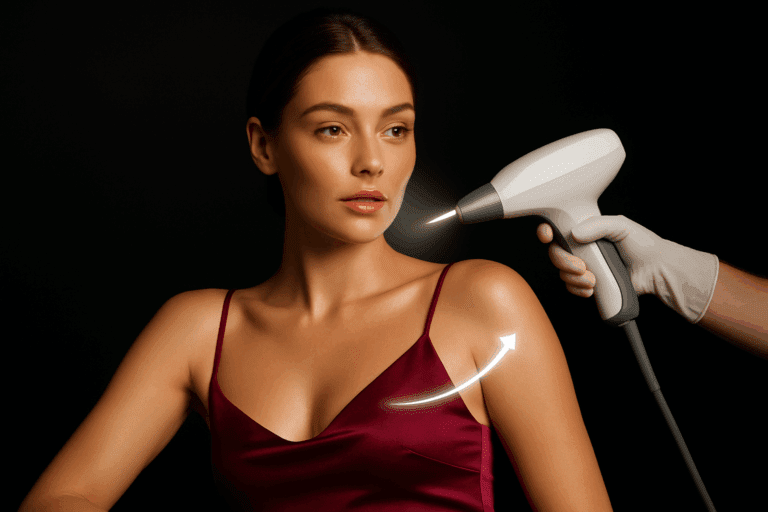
Over time, daily exposure to ultraviolet radiation, environmental pollutants, natural aging, and hormonal changes can diminish the skin’s original elasticity, clarity, and vitality. Issues such as hyperpigmentation, persistent acne scars, vascular lesions, fine lines, and enlarged pores affect millions of…
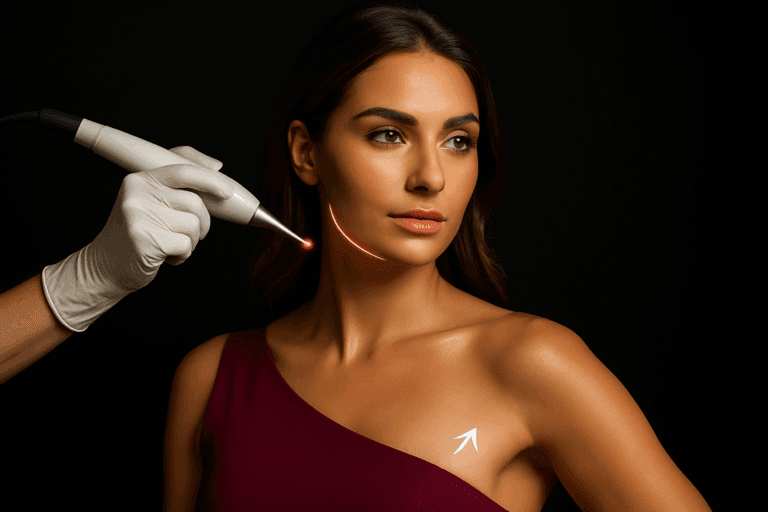
Discover the best techniques for a Laser Face Lift in Turkey. Learn about the procedure, costs, and benefits of getting this treatment in Turkey's top clinics.
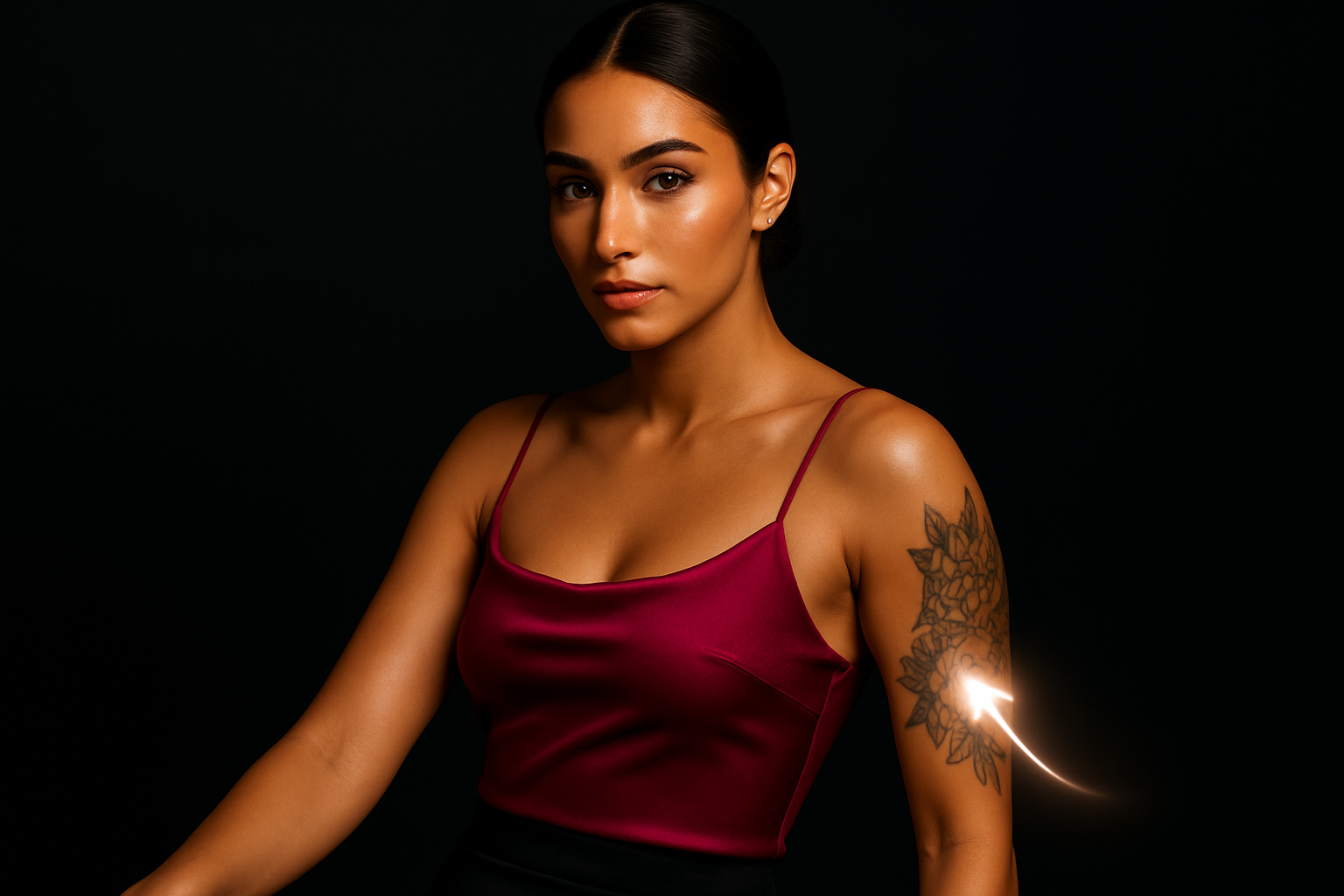
Tattoo removal is a highly specialized dermatological process requiring a precise calibration of laser energy, pulse duration, and wavelength. One of the most decisive clinical variables in achieving complete pigment clearance without scarring is the patient’s skin phototype. Unlocking safe…
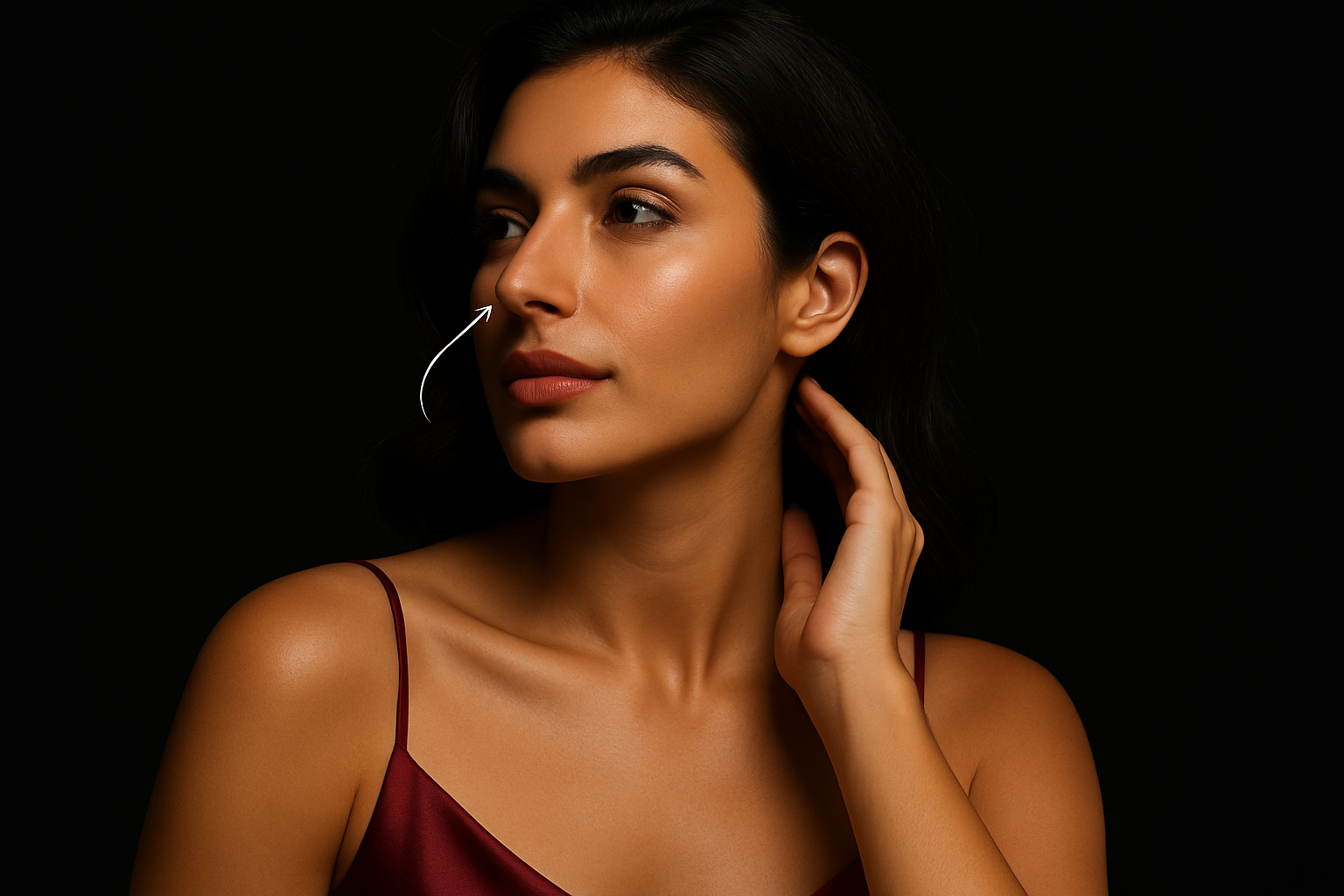
Discover non-surgical rhinoplasty in Turkey. Learn about the procedure, ideal candidates, recovery, innovative options, and costs for nose fillers.
Non-invasive body contouring has undergone significant evolutionary milestones over the past two decades. Among the most popular non-surgical fat reduction technologies worldwide is cryolipolysis, commercially known as CoolSculpting. Designed to target localized, stubborn subcutaneous fat deposits resistant to diet and…
Microneedling has established itself as one of the most effective, minimally invasive dermatological procedures for structural skin renewal. By stimulating the body’s natural wound-healing cascade, microneedling addresses fine lines, hyperpigmentation, surgical or acne scarring, enlarged pores, and generalized skin laxity.…
Explore innovative non-surgical eyelid lift procedures in Turkey. Learn about thread lifts, PRP, fillers, and more for a safe and effective youthful look.
Discover Infini Microneedling in Turkey for effective skin rejuvenation. Learn about the procedure, benefits, costs, and why Turkey is a top choice.
Healthy, vibrant skin is both a primary aesthetic goal and a core indicator of dermatological health. Over time, factors such as solar radiation, environmental pollutants, hormonal fluctuations, natural cellular aging, and residual acne scarring cause the outermost epidermal layer (stratum…