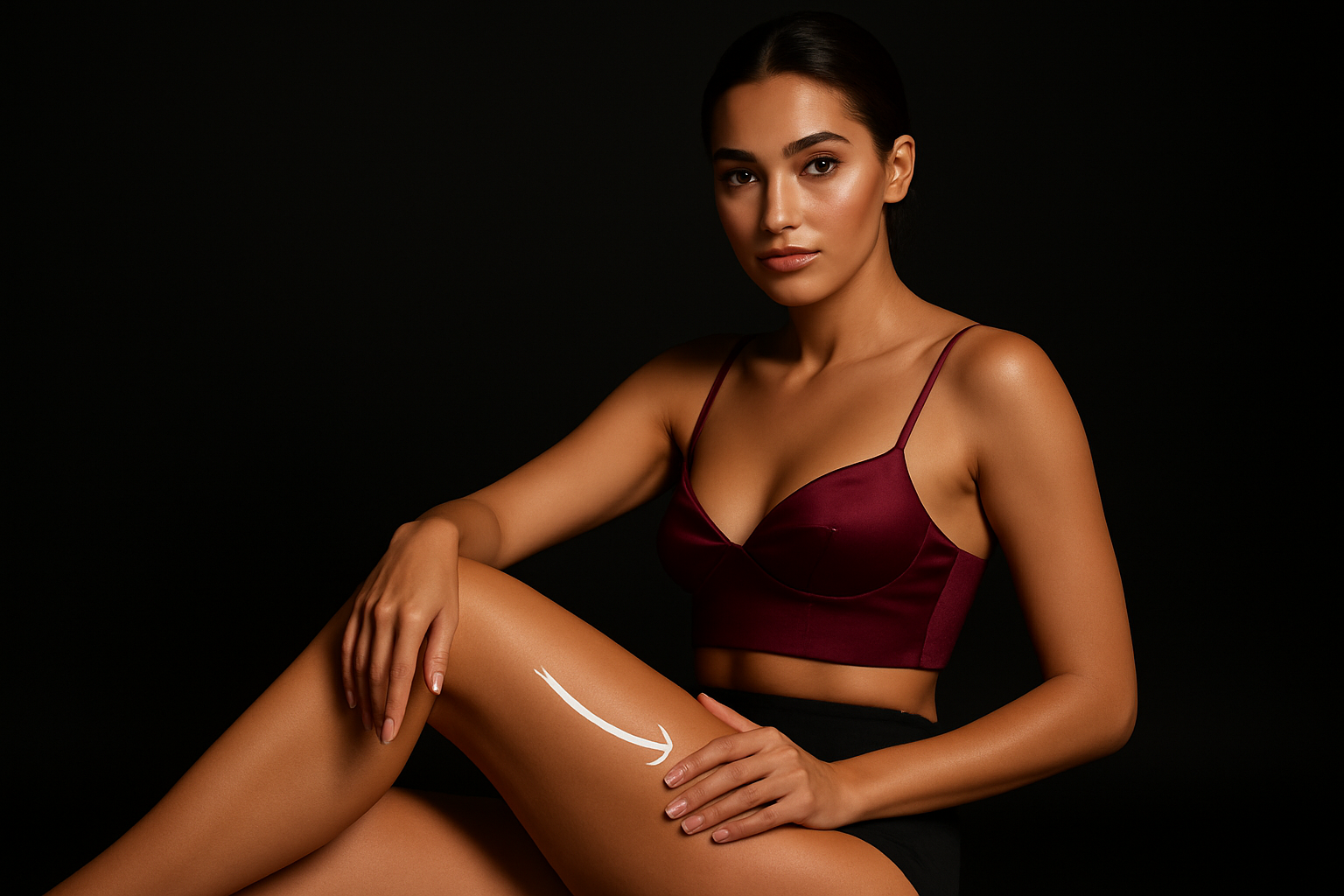
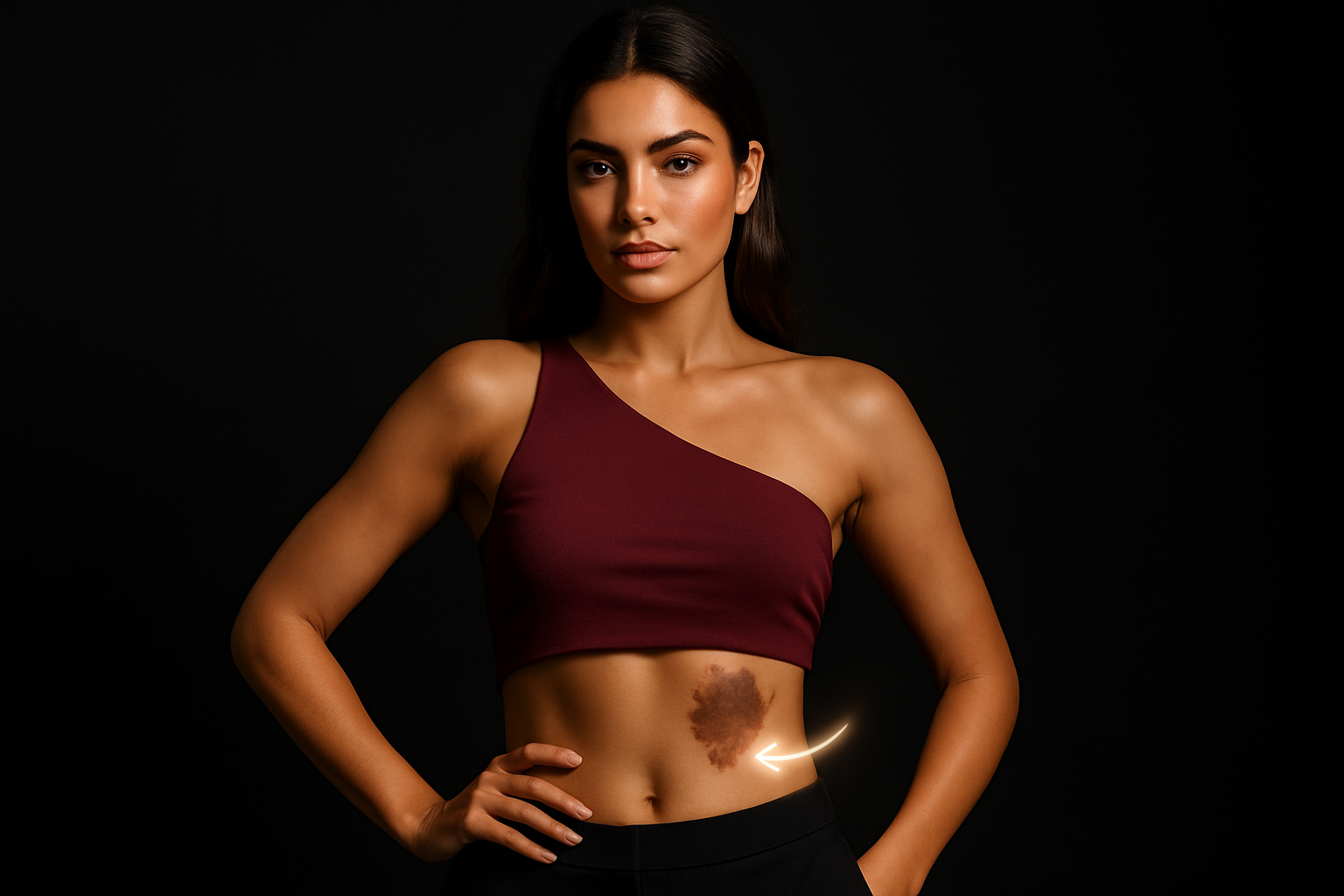
Skin hyperpigmentation, congenital birthmarks, and acquired dyschromia represent a complex aesthetic and clinical challenge for millions of individuals worldwide. Discoloration resulting from excessive melanin synthesis, vascular malformations, photoaging, or tissue injury can profoundly affect personal confidence and psychological well-being. Modern dermatological medicine has advanced significantly, transitioning from non-specific resurfacing techniques to target-specific optical therapies and precision surgical interventions.
Table of Contents:
- Procedure & Treatment Overview
- Ideal Candidates & Medical Assessment
- Modern Surgical Techniques & Technologies
- Step-by-Step Procedure Process
- Recovery Timeline, Aftercare & Expected Results
- Global Cost & Destination Comparison
- 5-Day VIP Patient Journey in Istanbul
- Frequently Asked Questions (FAQ)
- Summary & Next Steps
Turkey has emerged as a globally recognized center of excellence for advanced aesthetic dermatology and reconstructive skin procedures. At Health & Beauty Turkey, international patients receive comprehensive medical assessments, access to state-of-the-art diagnostic technology, and personalized treatment protocols tailored to their specific skin phototype and clinical indications. Whether addressing epidermal melasma, deep dermal birthmarks, or post-inflammatory lesions, our specialized medical team provides safe, highly effective, and clinically verified treatment pathways.
Quick Medical Facts Summary
- Procedure Duration: 30 minutes to 2 hours per session (depending on treatment modality and surface area).
- Hospital Stay: Outpatient / Same-day procedure; no overnight hospitalization required for most non-invasive therapies.
- Anesthesia: Topical numbing cream for optical laser therapies; local anesthesia for surgical excisions.
- Recovery Period: 3 to 10 days for superficial laser resurfacing; 2 to 3 weeks for deeper surgical or ablative treatments.
- Clinical Success Rate: Exceeds 92% high-patient satisfaction following complete targeted protocol.
Procedure & Treatment Overview
An effective pigmentation treatment requires precise differential diagnosis to identify the underlying depth, cause, and cellular profile of the lesion. Pigmentation disorders are broadly classified into vascular birthmarks (such as port-wine stains and hemangiomas) and pigmented lesions (such as nevus of Ota, melasma, solar lentigines, and cafe-au-lait spots).
Depending on the lesion depth and patient skin characteristics, our clinical specialists utilize targeted protocols. For example, patients presenting with localized facial dyschromia often benefit from targeted laser treatment for facial pigmentation, which selectively disrupts melanosomes without compromising surrounding healthy tissue. Similarly, individuals recovering from dermal inflammation or acne scarring require targeted post-acne hyperpigmentation treatment to achieve unified skin tone and texture.
Ideal Candidates & Medical Assessment
Determining candidacy for dermatological intervention begins with a meticulous medical evaluation. Modern diagnostic tools, including Wood’s lamp examination and high-resolution dermoscopy, allow dermatologists to map melanin density across skin layers.
An ideal candidate for clinical pigmentation therapy includes:
- Individuals presenting with benign epidermal or dermal pigmented lesions, birthmarks, or stubborn melasma.
- Patients with non-vascular hyperpigmentation seeking persistent tone correction.
- Individuals with realistic expectations regarding protocol progression, as deep pigmentation often requires multiple structured sessions.
- Patients without active skin infections, open wounds, or systemic conditions that impair healing.
- Candidates with FitzPatrick skin types I through VI who are willing to adhere strictly to post-procedure photo-protection protocols.
For specialized localized conditions, such as labial dyschromia or periorbital discoloration, targeted interventions like lip hyperpigmentation treatment or specialized under-eye dark circle treatment are customized to preserve delicate mucous membranes and periorbital tissue integrity.
Modern Surgical Techniques & Technologies
Health & Beauty Turkey employs advanced clinical technologies and surgical methodologies to ensure optimal patient outcomes and minimal downtime:
- Q-Switched Nd:YAG and Alexandrite Lasers: Utilizing ultra-short nanosecond or picosecond pulses, these lasers emit specific light wavelengths absorbed selectively by pigment particles, shattering melanin into micro-fragments that the body’s lymphatic system naturally clears.
- Fractional Ablative & Non-Ablative Lasers: Advanced systems such as Fraxel laser treatment create controlled microscopic thermal zones, inducing rapid cellular turnover and dermal remodeling.
- Clinical Microneedling & Transdermal Delivery: Procedures utilizing Derma Pen clinical microneedling open micro-channels in the dermis, facilitating deep penetration of depigmenting agents, tranexamic acid, and growth factors.
- Surgical Excision & Curettage: For raised congenital nevi or deep dysplastic lesions where laser intervention is clinically contraindicated, precision surgical excision under local anesthesia ensures complete lesion removal with aesthetically refined suturing.
- Cryotherapy & Chemical Peels: Controlled application of liquid nitrogen or medical-grade trichloroacetic acid (TCA) for targeted destruction of hyperkeratotic superficial lentigines.
Step-by-Step Procedure Process
- Pre-Procedure Diagnostic Mapping: Dermoscopic assessment and computer-assisted skin analysis establish exact pigment depth, baseline vascularity, and skin phototype.
- Preparation & Anesthesia: The targeted treatment site is thoroughly cleansed and sanitized. A medical-grade topical anesthetic gel is applied 30 to 45 minutes prior to energy delivery to minimize discomfort.
- Targeted Energy/Surgical Execution: The operating dermatologist selects specific wavelengths, spot sizes, and fluence settings. Optical pulses or surgical incisions are systematically applied across the lesion.
- Cooling & Epidermal Stabilization: Immediate post-treatment cryo-cooling reduces epidermal temperature, suppressing unnecessary post-procedural thermal diffusion.
- Topical Protection & Dressing: Application of soothing biological balms, epithelial healing agents, and broad-spectrum physical sunscreens completes the session.
Recovery Timeline, Aftercare & Expected Results
Adherence to strict post-treatment aftercare is vital for preventing post-inflammatory hyperpigmentation (PIH) and ensuring superior cosmetic results.
- Days 1–3: Mild erythema (redness) and minor localized edema are expected. Darkening of pigment spots (micro-crusting) indicates success in melanin fragmentation. Avoid water contact on surgical areas and avoid heat exposure.
- Days 4–7: Micro-crusts begin to slough off naturally. Do not pick or exfoliate the treated region manually. Continue applying prescribed epithelial healing creams.
- Weeks 2–4: Skin tone begins to unify. Patients must strictly apply SPF 50+ broad-spectrum sunscreen every 2 to 3 hours during daylight hours.
- Months 2–6: Progressive clearance of deep dermal pigment as the lymphatic system continues clearing shattered melanin. Subsequent maintenance sessions are scheduled if clinically required.
Global Cost & Destination Comparison
Turkey offers world-class medical standards, highly skilled dermatological surgeons, and significant economic advantages compared to Western nations. Below is an international clinical and financial overview:
| Destination / Clinic | Average Cost Range (USD) | JCI Accreditation & Quality | Travel Convenience | All-Inclusive VIP Care |
|---|---|---|---|---|
| Turkey (Health & Beauty Turkey) | $400 – $1,800 | World-Class JCI Standards | High (Hub for global flights) | Included (Transfers, Hotel, VIP Care) |
| United Kingdom & USA | $1,500 – $6,500 | High Standard | Moderate to High | Not Included (Extra Out-of-Pocket) |
| Germany | $1,200 – $5,000 | High Standard | High within Europe | Rarely Included |
| Thailand | $600 – $2,200 | Moderate to High | Long Travel Distance | Optionally Available |
| India | $500 – $2,000 | Variable Standards | Long Travel Distance | Rarely Included |
5-Day VIP Patient Journey in Istanbul
Health & Beauty Turkey provides an integrated medical travel experience for international patients seeking dermatological and aesthetic perfection:
- Day 1: VIP Arrival: Private luxury transfer from Istanbul Airport to your 5-star hotel accommodation. Patient coordinator provides your clinical itinerary and consultation briefing.
- Day 2: Clinical Assessment & Treatment: Comprehensive in-person dermoscopic consultation with our head dermatologist, followed by the executed treatment or surgical session in our accredited medical facility.
- Day 3: Rest & Initial Recovery: Dedicated rest period. Clinical team conducts a telehealth or in-hotel assessment of skin response and healing progression.
- Day 4: Follow-up Evaluation & Laser/Skin Check: In-person clinical review. Dermatologist verifies crusting patterns, tissue recovery, and applies specialized healing matrix dressings.
- Day 5: Final Evaluation & VIP Return: Final medical sign-off, provision of customized home-care serums, detailed sun protection plan, and private VIP transport back to the airport.
Frequently Asked Questions (FAQ)
Is laser pigmentation treatment safe for darker skin tones?
Yes, provided it is performed using specialized long-pulsed Nd:YAG or picosecond laser technologies. These specific wavelengths bypass superficial epidermal melanin, targeting deep dermal pigments safely without causing thermal injury or hyperpigmentation in darker phototypes.
How many sessions are typically required to clear a birthmark?
Congenital birthmarks, such as Nevus of Ota or port-wine stains, generally require 3 to 6 structured sessions spaced 4 to 8 weeks apart to achieve maximum pigment reduction and tonal harmonization.
Is treatment for skin hyperpigmentation permanent?
Shattered pigment cells removed by laser or surgical intervention are permanently cleared. However, to prevent new pigmentation from forming—especially in conditions like melasma—rigorous sun protection and ongoing skin maintenance protocols are required.
Summary & Next Steps
Addressing complex skin pigmentation and congenital birthmarks requires clinical precision, cutting-edge laser technology, and individualized treatment planning. Health & Beauty Turkey combines internationally accredited dermatological care with luxury medical tourism services, delivering outstanding clinical outcomes in a comfortable and stress-free environment.
If you are considering professional solutions for skin dyschromia or birthmark removal, we invite you to connect with our clinical team today for a personalized remote assessment and custom treatment plan.
Medical Disclaimer: The information provided in this article is intended strictly for educational purposes and should not replace professional medical advice, diagnosis, or treatment. Individual clinical outcomes vary based on individual genetic, hormonal, and environmental factors. Always consult a qualified dermatologist prior to undergoing any clinical skin treatment.
Related Articles: laser treatment for facial pigmentation | post-acne hyperpigmentation treatment | lip hyperpigmentation treatment | under-eye dark circle treatment | Fraxel laser treatment | Derma Pen clinical microneedling
References & Trusted Sources: National Institutes of Health (NIH) – Clinical Research | World Health Organization (WHO) – Health Guidelines | National Center for Biotechnology Information (NCBI / PubMed)