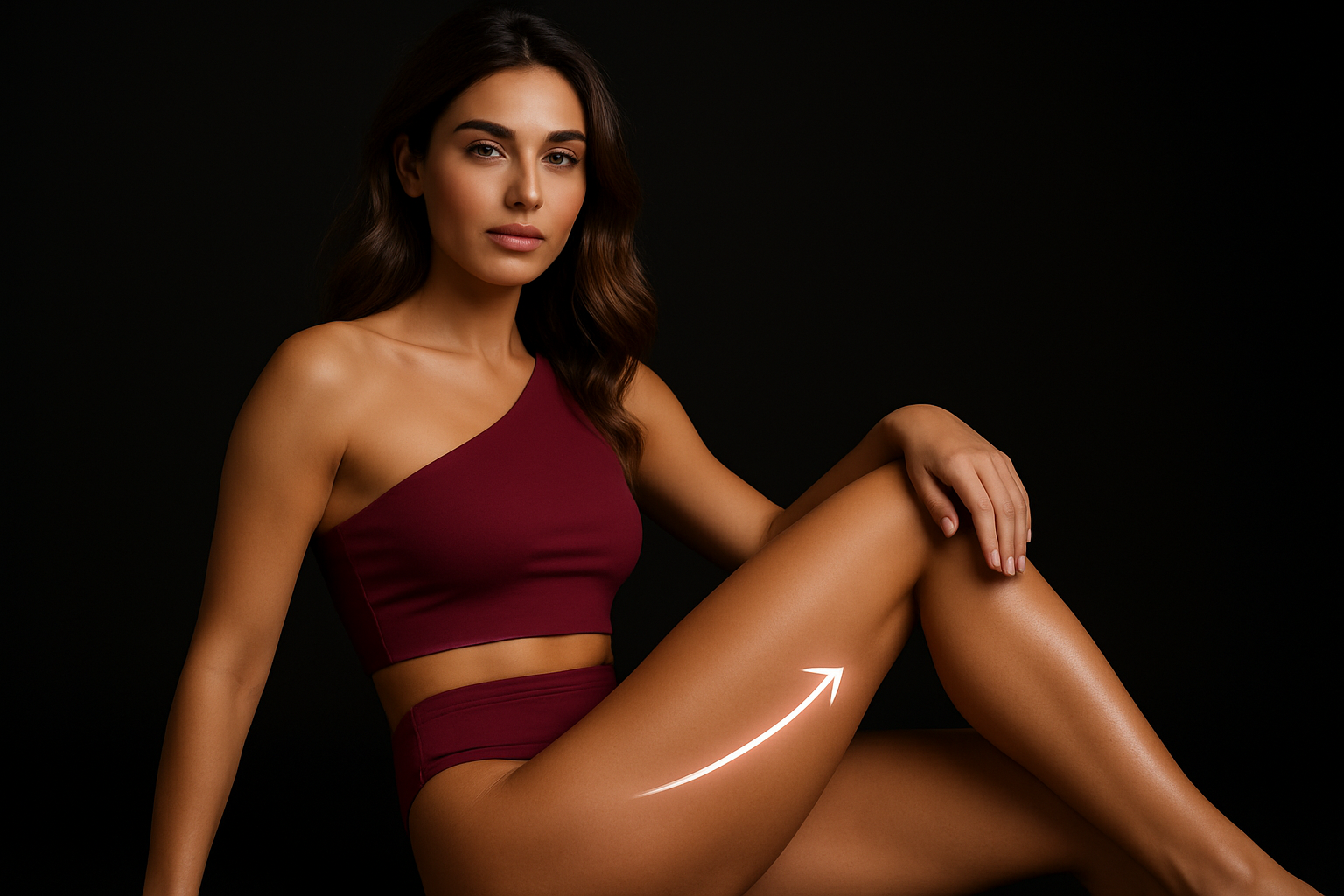
Achieving well-proportioned, sculpted lower legs is a major aesthetic goal for many individuals. Despite rigorous resistance training, specialized leg exercises, and strict nutritional regimens, building the gastrocnemius muscles (the primary muscles of the calf) can be exceptionally challenging due to genetic limitations. Furthermore, developmental conditions, asymmetry, or post-traumatic muscle atrophy can leave the lower legs looking disproportionately thin relative to the thighs and upper body. For those seeking a permanent, harmoniously balanced lower body profile, calf augmentation turkey has established itself as one of the world’s premier cosmetic solutions.
Table of Contents:
- Procedure & Treatment Overview
- Ideal Candidates & Medical Assessment
- Modern Surgical Techniques & Technologies
- Step-by-Step Procedure Process
- Recovery Timeline, Aftercare & Expected Results
- Global Cost & Destination Comparison
- 5-Day VIP Patient Journey in Istanbul
- Frequently Asked Questions (FAQ)
- Summary & Next Steps
Through advanced surgical techniques, high-grade cohesive silicone implants, and precise autologous fat grafting, modern leg reshaping offers natural-looking, athletic, and structurally balanced results. At Health & Beauty Turkey, our senior aesthetic and reconstructive surgeons utilize micro-surgical precision to enhance lower leg contours while preserving neuromuscular integrity and maximizing long-term comfort.
| Medical Parameter | Clinical Detail |
|---|---|
| Procedure Duration | 1.5 to 2.5 hours |
| Anesthesia Type | General Anesthesia or Spinal Anesthesia |
| Hospital Stay | 1 Night |
| Initial Recovery Period | 10 to 14 Days |
| Return to Full Physical Activity | 6 to 8 Weeks |
| Surgical Success Rate | Over 98% |
Procedure & Treatment Overview
Calf augmentation, medically referred to as gastrocnemius plasty or lower leg contouring, is a specialized cosmetic and reconstructive procedure designed to improve the volume, definition, and overall contour of the lower legs. The primary objective is to create anatomical symmetry and volume in the calf region, complementing the patient’s overall body framework.
The anatomical structure of the lower leg relies heavily on the medial (inner) and lateral (outer) heads of the gastrocnemius muscle. When these muscle heads lack volumetric projection, the lower leg can appear unnaturally slender, creating what is commonly referred to as a top-heavy body structure or bow-legged appearance. Surgical enhancement directly addresses these muscular deficiencies using tailor-made anatomical implants or harvested body fat, delivering a firm, athletic, and aesthetically pleasing outcome.
Ideal Candidates & Medical Assessment
Determining candidate suitability requires a comprehensive clinical evaluation by an experienced board-certified plastic surgeon. Calf augmentation is suitable for both male and female patients who wish to address specific physical concerns:
- Genetic Muscle Hypoplasia: Individuals who cannot build calf volume despite dedicated weight training and physical exercise.
- Lower Leg Asymmetry: Patients presenting visible disproportion between the left and right calves due to developmental variations.
- Post-Traumatic or Congenital Conditions: Reconstruction for muscle wasting associated with conditions such as clubfoot (talipes equinovarus), poliomyelitis, or prior physical trauma.
- Desire for Athletic Definition: Individuals seeking a more athletic, defined appearance with pronounced muscular contours.
- Body Proportion Alignment: Patients seeking harmonious proportion between the thighs, knees, and ankles.
Candidates must be in good general health, possess adequate localized skin elasticity to accommodate volume expansion, and maintain realistic expectations regarding surgical outcomes. During pre-operative consultations, diagnostic imaging and physical measurements are conducted to select the precise implant dimension or determine fat harvest volume.
Modern Surgical Techniques & Technologies
Modern leg contouring has evolved significantly beyond traditional techniques, incorporating high-tech surgical approaches that minimize recovery times and optimize aesthetic outcomes.
1. Cohesive Silicone Calf Implants
Solid, cohesive silicone implants represent the gold standard for dramatic, durable volume enhancement. Unlike soft fluid-filled breast implants, calf implants are constructed from semi-solid silicone elastomer, ensuring they cannot rupture or leak under high mechanical stress. These implants come in symmetrical (cylindrical) and anatomical (tapered) shapes, tailored specifically to match either the medial or lateral muscle head.
2. Autologous Fat Transfer (Calf Lipofilling)
For patients seeking subtle to moderate volumetric expansion, lipofilling offers a natural alternative. Adipose tissue is harvested via gentle lipoplasty from problem areas such as the abdomen, flanks, or thighs. The harvested fat is purified using closed-system centrifugation and reinjected into the subcutaneous layers of the calf. This dual-benefit approach refines donor sites while naturalizing calf contours without synthetic materials.
3. Hybrid Calf Augmentation
Combining structural silicone implants with refined autologous fat transfer allows surgeons to build underlying muscular projection while softening the implant borders with fat micro-grafting. This technique guarantees an impeccably natural tactile feel and seamless anatomical transition.
For detailed clinical insights on surgical options, explore our guide on calf augmentation surgery in Turkey.
Step-by-Step Procedure Process
Precision execution is paramount during calf implant surgery to avoid neurovascular disruption and ensure long-term stability.
- Step 1: Pre-Operative Marking & Design: While the patient is in a standing position, the surgeon meticulously traces the gastrocnemius muscle heads, identifying incision lines within the natural creases behind the knee (popliteal fossa).
- Step 2: Anesthesia Administration: The patient is placed under general or spinal anesthesia, ensuring complete comfort throughout the procedure.
- Step 3: Incision & Pocket Creation: A transverse 3-to-4-centimeter incision is made in the popliteal skin crease behind the knee. The surgeon carefully dissects down to the fascia covering the gastrocnemius muscle. A subfascial pocket (between the muscle sheath and muscle tissue) or intramuscular pocket is carefully fashioned to house the implant securely.
- Step 4: Implant Insertion & Positioning: The chosen silicone implant is sterilized and gently glided into the subfascial pocket, ensuring centered placement without folding or pressure on blood vessels and nerves.
- Step 5: Layered Surgical Closure: Absorbable deep sutures secure the fascia and subcutaneous tissues, followed by delicate skin closure to minimize scar visibility.
- Step 6: Compression Application: Custom elastic compression garments are fitted immediately to reduce post-operative edema and support tissue alignment.
Recovery Timeline, Aftercare & Expected Results
Post-operative healing requires adherence to medical protocols to facilitate smooth tissue integration and optimal scar maturation.
| Recovery Phase | Expected Milestones & Care Instructions |
|---|---|
| Days 1 – 3 | Strict leg elevation, prescription pain management, wearing medical compression sleeves, and short indoor ambulation to stimulate blood circulation. |
| Days 4 – 7 | Gradual decrease in swelling; walking gait stabilizes with low-heeled comfortable footwear; wound dressings inspected. |
| Weeks 2 – 3 | Return to light, non-strenuous daily routines and desk work; initial compression sleeve protocols completed. |
| Weeks 4 – 6 | Resumption of moderate physical activities such as light cycling or walking; surgical swelling subsides significantly. |
| Months 2 – 6 | Final aesthetic contours mature; high-impact sports, heavy leg workouts, and running can safely resume under surgical clearance. |
Final results present visually naturally sculpted calves that feel firm to the touch, seamlessly blending with the patient’s existing leg anatomy.
Global Cost & Destination Comparison
Turkey has become a leading international destination for cosmetic plastic surgery, offering high clinical standards, JCI-accredited surgical hospitals, and all-inclusive medical tourism packages at competitive costs compared to Western nations.
| Destination | Average Cost (USD) | Hospital Accreditation | Service Inclusions |
|---|---|---|---|
| Turkey (Health & Beauty) | $3,200 – $4,800 | JCI Accredited Facilities | All-Inclusive: Surgery, VIP Transfers, Luxury Hotel, Post-op Care |
| United Kingdom | $8,500 – $12,000 | CQC Standards | Surgery Only (Consultations & Accommodation Extra) |
| United States | $9,500 – $14,000 | AAAASF / JCI | Surgery & Anesthesia Only (Hospital fees billed separately) |
| Germany | $8,000 – $11,500 | ISO / DIN Standards | Procedure & Basic Follow-up |
| Thailand | $4,500 – $6,500 | JCI Accredited | Procedure & Hotel Options |
5-Day VIP Patient Journey in Istanbul
We provide international patients with a structured, stress-free medical travel experience from initial arrival through post-operative departure.
- Day 1: VIP Arrival & Private Transport: Welcomed at Istanbul Airport by your private chauffeur and transferred directly to your 5-star hotel in a high-end VIP vehicle.
- Day 2: Clinical Consultation & Surgery: Meet your operating plastic surgeon for comprehensive physical evaluation, blood panels, pre-operative mapping, and the surgical procedure. Over-night stay in a private hospital suite under continuous nursing care.
- Day 3: In-Hospital Review & Hotel Discharge: Post-operative evaluation by your surgeon, removal of surgical drains if applicable, placement of specialized compression garments, and comfortable transport back to your hotel for rested recovery.
- Day 4: Rest & Managed Recovery: Relax at your luxury hotel with dedicated 24/7 personal medical assistant assistance and routine check-ins.
- Day 5: Final Checkup & Departure: Final surgical inspection at the clinic, dressing change, detailed aftercare instructions, prescription package delivery, and private VIP transfer to Istanbul Airport for your return flight.
Frequently Asked Questions (FAQ)
Are calf implants safe and long-lasting?
Yes. Modern solid silicone calf implants are designed for lifelong durability. Because they consist of solid cohesive elastomer rather than liquid gels, they cannot leak or rupture. When performed by a qualified plastic surgeon, the safety profile is exceptional with extremely low risk of long-term complications.
Will the surgical scars behind my knee be visible?
Surgeons place the small 3-to-4 cm incision directly within the natural horizontal creases of the popliteal fossa (behind the knee joint). As the incision heals and matures over 6 to 12 months, the scar fades significantly, remaining discreetly hidden within natural skin folds.
When can I resume heavy leg exercises and athletic sports?
While light walking is encouraged from the second post-operative day to foster venous circulation, high-impact activities such as running, jumping, weightlifting, and squatting must be avoided for at least 6 to 8 weeks to allow complete muscle healing and prevent implant displacement.
Can I combine calf augmentation with other body sculpting procedures?
Yes. Calf augmentation is frequently combined with liposuction of the knees, ankles, or thighs, or with upper body aesthetic procedures. Combining surgeries reduces overall recovery periods and optimizes overall body proportions under a single anesthetic session.
Summary & Next Steps
Calf augmentation in Turkey offers a reliable, clinically proven pathway to achieving proportional, shapely lower legs when genetics or physical conditions limit natural development. Utilizing state-of-the-art solid silicone implants and advanced fat grafting techniques, our medical team delivers long-lasting results in world-class medical facilities.
If you are ready to take the next step toward enhancing your body contour and restoring visual balance to your legs, we invite you to contact our clinical team today for a personalized, virtual medical consultation.
Medical Disclaimer: The information provided in this article is for educational purposes only and should not be considered personal medical advice. A formal clinical evaluation by a certified plastic surgeon is required to determine individual suitability for calf augmentation surgery.
Related Articles: calf augmentation surgery in Turkey
References & Trusted Sources: National Institutes of Health (NIH) – Clinical Research | World Health Organization (WHO) – Health Guidelines | National Center for Biotechnology Information (NCBI / PubMed)