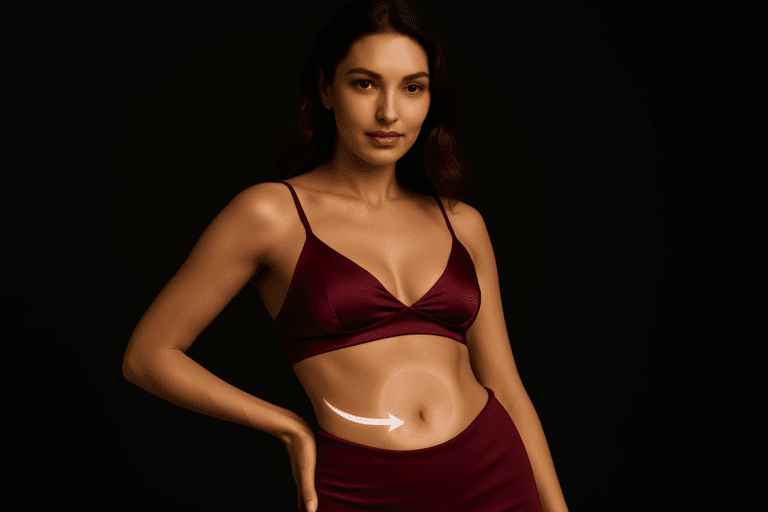

Undergoing bariatric surgery in Turkey represents a transformative turning point in a patient’s health journey. Among the various metabolic interventions, Roux-en-Y gastric bypass surgery remains the gold standard for long-term weight management and metabolic control. However, during the early postoperative phase, some patients experience unexpected clinical challenges, particularly regarding fluid intake. Difficulty drinking liquids—ranging from persistent nausea and retrosternal pressure to severe dysphagia—can raise concern among patients adapting to their new anatomy.
Table of Contents:
- Quick Medical Facts Summary
- Procedure & Treatment Overview
- Ideal Candidates & Medical Assessment
- Modern Surgical Techniques & Technologies
- Step-by-Step Procedure Process
- Recovery Timeline, Aftercare & Expected Results
- Global Cost & Destination Comparison
- 5-Day VIP Patient Journey in Istanbul
- Frequently Asked Questions (FAQ)
- Summary & Next Steps
Understanding the physiological adjustments occurring within the gastrointestinal tract is essential for a smooth recovery. At Health Beauty Turkey, our multidisciplinary bariatric team combines advanced surgical precision with continuous clinical aftercare to ensure patients overcome post-operative fluid intolerance, stay hydrated, and achieve optimal health outcomes.
Quick Medical Facts Summary
- Procedure Duration: 90 to 150 minutes
- Hospital Stay: 2 to 3 nights in an accredited surgical facility
- Initial Fluid Recovery Phase: 14 days post-surgery
- Anesthesia Type: General anesthesia with advanced airway monitoring
- Clinical Success Rate: Over 95% resolution of metabolic co-morbidities and weight targets
Procedure & Treatment Overview
Roux-en-Y gastric bypass surgery involves creating a small gastric pouch (approximately 30 mL in volume) from the upper portion of the stomach and connecting it directly to the jejunum. This bypasses the remainder of the stomach and the duodenum, restricting caloric intake while altering gastrointestinal gut hormones responsible for hunger and glycemic control.
Because the newly created gastric pouch is significantly smaller and swollen following surgical manipulation, fluid progression requires meticulous compliance. Drinking difficulties often stem from specific clinical mechanisms:
- Postoperative Tissue Edema: Surgical inflammation surrounding the gastrojejunal anastomosis (the surgical connection between the stomach pouch and the small intestine) naturally narrows the outflow tract during the first 1 to 3 weeks.
- Rapid Liquid Swallowing: Consuming liquids too quickly overwhelms the tiny pouch, causing stretch receptor activation, chest discomfort, and retrograde esophageal reflux or vomiting.
- Temperature Sensitivity: Extremes in fluid temperature—either ice-cold or very hot liquids—can trigger localized esophageal and gastric spasms.
- Aerophagia (Air Swallowing): Drinking through a straw or gulping introduces air pockets into the pouch, creating trapped pressure and pain.
- Marginal Ulceration or Stricture: Less commonly, localized inflammation or fibrous tissue formation at the anastomotic line can create a structural narrowing that limits fluid transit.
Ideal Candidates & Medical Assessment
Managing liquid intake issues begins long before entering the operating room. Candidates undergoing metabolic procedures at Health Beauty Turkey undergo comprehensive preoperative gastroenterological and surgical evaluations to ensure tissue integrity and anatomical readiness.
Candidate Evaluation Criteria
- Patients with a BMI of 40 or greater, or 35+ with associated metabolic conditions like type 2 diabetes.
- Patients undergoing primary or revisionary bariatric procedures who demonstrate an understanding of postoperative dietary compliance.
- Individuals committed to lifetime hydration guidelines and nutritional supplementation.
Clinical Assessment for Drinking Intolerance
If a patient develops severe fluid intolerance after returning home, immediate clinical evaluation is paramount to rule out dehydration or anatomical complications:
- Hydration Status Monitoring: Assessing dark urine output, dry mucous membranes, fatigue, and orthostatic dizziness.
- Diagnostic Endoscopy or Barium Swallow: Fluoroscopic imaging using a liquid contrast medium allows surgeons to evaluate the width of the gastrojejunal stoma and rule out strictures or kinking.
- Laboratory Screening: Checking serum electrolytes, renal panel (BUN/creatinine ratio), and inflammatory markers.
Modern Surgical Techniques & Technologies
Modern advancements in minimally invasive weight loss surgery have minimized surgical trauma and subsequent pouch swelling. By employing high-definition 3D laparoscopic systems and robotic-assisted surgical platforms, our expert surgeons in Istanbul execute precise, tension-free anastomoses that dramatically reduce the incidence of postoperative tissue edema and strictures.
In addition, specialized circular or linear surgical staplers with tissue-adaptive technology ensure uniform staple height. This maintains optimal vascular perfusion to the newly formed pouch margins, reducing localized ischemia and minimizing early postoperative swallowing difficulties.
Step-by-Step Procedure Process
The surgical creation of the bypass and the immediate establishment of early hydration follow a highly controlled clinical protocol:
- Laparoscopic Access & Mobilization: Tiny 5 to 12 mm abdominal incisions are created to introduce laparoscopic camera systems and specialized instruments.
- Pouch Creation: The upper stomach is divided using vascular-grade endostaplers to create a low-capacity, high-pressure-resistant gastric pouch.
- Roux-en-Y Reconstruction: The small intestine is measured and divided, with the distal alimentary limb attached directly to the gastric pouch via a precise gastrojejunostomy.
- Intraoperative Leak & Patency Test: Prior to closing, the surgeon performs an intraoperative pneumatic or methylene blue dye test to confirm an airtight seal and unobstructed outflow tract.
- Immediate Postoperative Hydration Protocol: Under close nursing supervision, liquid administration begins gradually on Postoperative Day 1 following a clear upper GI contrast scan.
Recovery Timeline, Aftercare & Expected Results
Recovering fluid intake capacity requires patience, discipline, and strict adherence to bariatric diet progression protocols. Proper hydration is essential to prevent secondary complications such as lethargy, kidney stress, or bariatric surgery constipation.
Fluid Progression Protocol
- Days 1–14 (Clear Liquids): Focus solely on water, diluted isotonic electrolytes, decaffeinated tea, and clear bone broths. Patients must take tiny sips (5 to 10 mL) every few minutes rather than swallowing continuous gulps.
- Weeks 3–4 (Full Liquids & Purées): Introduction of high-protein liquid supplements, skim milk, and smooth, strain-blended soups. Fluids must still be separated from any soft food intake by at least 30 minutes.
- Month 2 Onward (Solid Food Integration): Long-term adherence to the “30-Minute Rule”—never drinking fluids 30 minutes before, during, or 30 minutes after a meal to prevent washing solid food too quickly through the pouch.
Essential Hydration Guidelines for Patients
- Do not use straws; drinking through straws draws air into the esophagus and increases pouch pressure.
- Keep liquids at ambient or warm room temperature to prevent localized smooth muscle spasms.
- Aim for a minimum target of 1.5 to 2.0 liters of fluid daily.
- Avoid carbonated, sugary, caffeinated, or acidic beverages, as they irritate the sensitive gastric mucosa.
Global Cost & Destination Comparison
Patients worldwide choose Turkey not only for world-class surgical expertise but also for comprehensive care packages that include long-term nutritional and clinical support for troubleshooting post-op concerns like drinking difficulties.
| Country / Destination | Average Cost (Gastric Bypass) | JCI Accredited Hospitals | VIP All-Inclusive Aftercare | Long-Term Bariatric Dietitian Support |
|---|---|---|---|---|
| Turkey (Health Beauty Turkey) | £3,500 – £4,800 | Yes (Extensive Network) | Included (Transfers, Hotel, Dedicated Team) | Included (12 Months Remote Medical Support) |
| United Kingdom | £9,500 – £14,000 | Variable | Not Included | Limited / Extra Fee |
| United States | $18,000 – $28,000 | Yes | Not Included | Extra Fee |
| Germany | €11,000 – €15,000 | Yes | Not Included | Variable |
| Thailand | $9,000 – $13,000 | Yes | Select Packages | Limited Remote Follow-Up |
5-Day VIP Patient Journey in Istanbul
Health Beauty Turkey provides a seamlessly managed, end-to-end medical itinerary designed to monitor your early recovery closely, including your initial liquid progression, before you fly home.
- Day 1: VIP Arrival & Hospital Admission
Private airport transfer to our partner hospital. Comprehensive preoperative screening, including blood tests, abdominal ultrasound, pulmonary consult, and cardiology clearance. - Day 2: Minimally Invasive Surgery
Procedure performed under general anesthesia. Postoperative recovery monitoring in a private suite with continuous pain management and intravenous hydration. - Day 3: Fluoroscopic Diagnostic Check & Liquid Initiation
Undergoing a routine liquid contrast swallow test to verify anastomotic integrity. Under specialist guidance, the patient begins taking early sips of clear liquid. - Day 4: Discharge to Luxury Hotel & Hydration Assessment
Transfer to a 5-star hotel facility. Dedicated bariatric dietitians assess liquid volume tolerance, educate on sipping techniques, and provide tailored electrolyte supplements. - Day 5: Final Evaluation & VIP Departure
Final consultation with the chief surgeon, medical clearance for air travel, and provision of complete prescription medications, dietary guidelines, and continuous digital aftercare contact.
Frequently Asked Questions (FAQ)
Why does it hurt when I drink water after gastric bypass surgery?
Pain during fluid intake is usually caused by taking too large a sip, drinking too fast, consuming excessively cold fluids, or natural tissue swelling (edema) at the newly created gastrojejunal junction. If pain persists despite taking micro-sips of room-temperature water, your surgical team must evaluate for potential stomal stenosis or marginal ulcers.
What should I do if I cannot meet my daily fluid intake goals?
If you are struggling to reach 1.5 liters per day in the first week, focus on continuous, micro-sipping using a small 30 mL medicine cup throughout the day. Intravenous hydration therapy can be arranged at our clinic if signs of dehydration, such as dark urine or extreme dizziness, occur.
When can I resume drinking through a straw or consuming carbonated drinks?
Straws should be avoided for at least 2 to 3 months to prevent trapped gas in the gastric pouch. Carbonated beverages should be permanently avoided or deferred for at least 6 to 12 months, as carbon dioxide gas expands the small pouch, causing severe pain and potential pouch stretching.
Summary & Next Steps
Experiencing mild drinking difficulties or fluid intolerance after gastric bypass surgery is a recognized physiological phase that can be successfully managed with proper technique, temperature adjustments, and surgical monitoring. With expert surgical execution, precise guidance from specialized bariatric dietitians, and round-the-clock clinical care, patients can safely navigate their recovery and transition into a healthy, high-quality lifestyle.
If you are considering bariatric surgery or seeking specialized guidance regarding post-operative care and recovery protocols, reach out to the senior medical team at Health Beauty Turkey today for a personalized assessment.
Medical Disclaimer: The information provided in this guide is for educational and informational purposes only and does not constitute formal medical advice. Postoperative symptoms, fluid requirements, and recovery timelines vary by individual. Always consult your primary surgeon or healthcare provider regarding specific medical concerns or severe symptoms following bariatric procedures.
Related Articles: Weight Loss Surgery for Diabetic Patients in Turkey: Clinical Guide & Metabolic Benefits | Weight Loss Surgery in Turkey: Clinical Guide to Procedures, Safety & VIP Care | Overcoming Bariatric Surgery Constipation: Post-Op Care & Solutions in Turkey
References & Trusted Sources: National Institutes of Health (NIH) – Clinical Research | World Health Organization (WHO) – Health Guidelines | National Center for Biotechnology Information (NCBI / PubMed)