Aesthetic medicine has evolved beyond basic skin care into highly specialized, scientifically validated dermatological and surgical disciplines. Achieving radiant, firm, and structurally balanced skin requires advanced technologies, cellular-level bio-stimulation, and surgical precision. Turkey has emerged as a premier global hub for international patients seeking state-of-the-art dermatological procedures and facial plastic surgery. Choosing the best beauty clinic in turkey ensures access to internationally board-certified dermatologists, plastic surgeons, and JCI-accredited clinical environments tailored to complex aesthetic goals.
Table of Contents:
- Procedure & Treatment Overview
- Ideal Candidates & Medical Assessment
- Modern Surgical Techniques & Technologies
- Step-by-Step Procedure Process
- Recovery Timeline, Aftercare & Expected Results
- Global Cost & Destination Comparison
- 5-Day VIP Patient Journey in Istanbul
- Frequently Asked Questions (FAQ)
- Summary & Next Steps
At Health Beauty Turkey, advanced aesthetic treatments are executed with rigorous clinical protocols. Whether addressing deep structural volume loss, superficial epidermal dyschromia, or soft-tissue laxity, modern aesthetic interventions offer immediate and progressive clinical enhancements with minimal downtime. This comprehensive medical guide details the top seven advanced aesthetic treatments performed in Turkey, exploring their anatomical mechanisms, candidacy requirements, and clinical outcomes.
Quick Medical Facts Summary
- Procedure Duration: 30 minutes to 3 hours depending on treatment complexity (non-surgical vs. surgical).
- Hospital Stay: Outpatient (0 days) for non-surgical aesthetic procedures; 1 night for major surgical interventions.
- Recovery Time: 1 to 3 days for minimally invasive treatments; 7 to 14 days for deep laser resurfacing or surgical procedures.
- Anesthesia Type: Topical numbing cream, local anesthesia with sedation, or general anesthesia as clinically indicated.
- Clinical Success Rate: 96% – 98% patient satisfaction rate based on standardized aesthetic metrics.
Procedure & Treatment Overview
Modern aesthetic dermatology in Turkey focuses on multi-layered tissue rejuvenation, targeting the epidermis, dermis, superficial muscular aponeurotic system (SMAS), and subcutaneous tissue matrices. Below are the seven premier advanced aesthetic treatments currently leading the field of global aesthetic medicine:
1. Fractional CO2 Laser & Radiofrequency (RF) Microneedling
Fractional CO2 laser resurfacing and RF microneedling (such as Morpheus8) create controlled microscopic thermal zones (MTZs) in the dermis. This triggers a powerful wound-healing cascade, stimulating dermal fibroblasts to synthesize Type I and Type III collagen. It effectively treats deep acne scars, severe photodamage, fine lines, and perioral rhytids.
2. Clinical Mechanical Exfoliation: Microdermabrasion & Crystal Peeling
For patients presenting with early epidermal congestion, irregular texture, or hyperpigmentation, specialized physical exfoliation techniques offer targeted cellular turnover. Utilizing advanced microdermabrasion treatments and clinical-grade crystal peeling therapy, dermatologists gently abrade stratum corneum debris while stimulating sub-epidermal microcirculation, restoring immediate epidermal clarity.
3. Non-Surgical Facial & Periorbital Rejuvenation
Periorbital aging, characterized by tear trough deformities, malar bags, and periocular skin laxity, demands precise anatomical correction. Through non-surgical eye rejuvenation, clinicians utilize targeted hyaluronic acid micro-injections, laser tightening, and specialized neurotoxin placement to refresh the periorbital complex without surgical incisions.
4. Bio-Stimulatory Injectables & Advanced Dermal Fillers
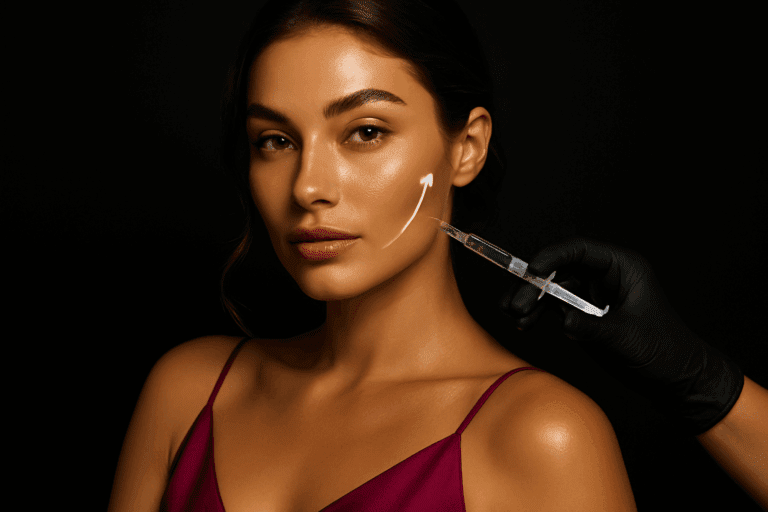
Injectable treatments have advanced beyond simple line-filling. Collagen-stimulating agents such as Poly-L-Lactic Acid (PLLA) and Calcium Hydroxylapatite (CaHA) act as structural scaffolds, rebuilding deep dermal volume over months. Combined with cross-linked Hyaluronic Acid (HA) fillers, clinicians restore lost malar, chin, and jawline structure with high precision.
5. High-Intensity Focused Ultrasound (HIFU / Ultherapy)
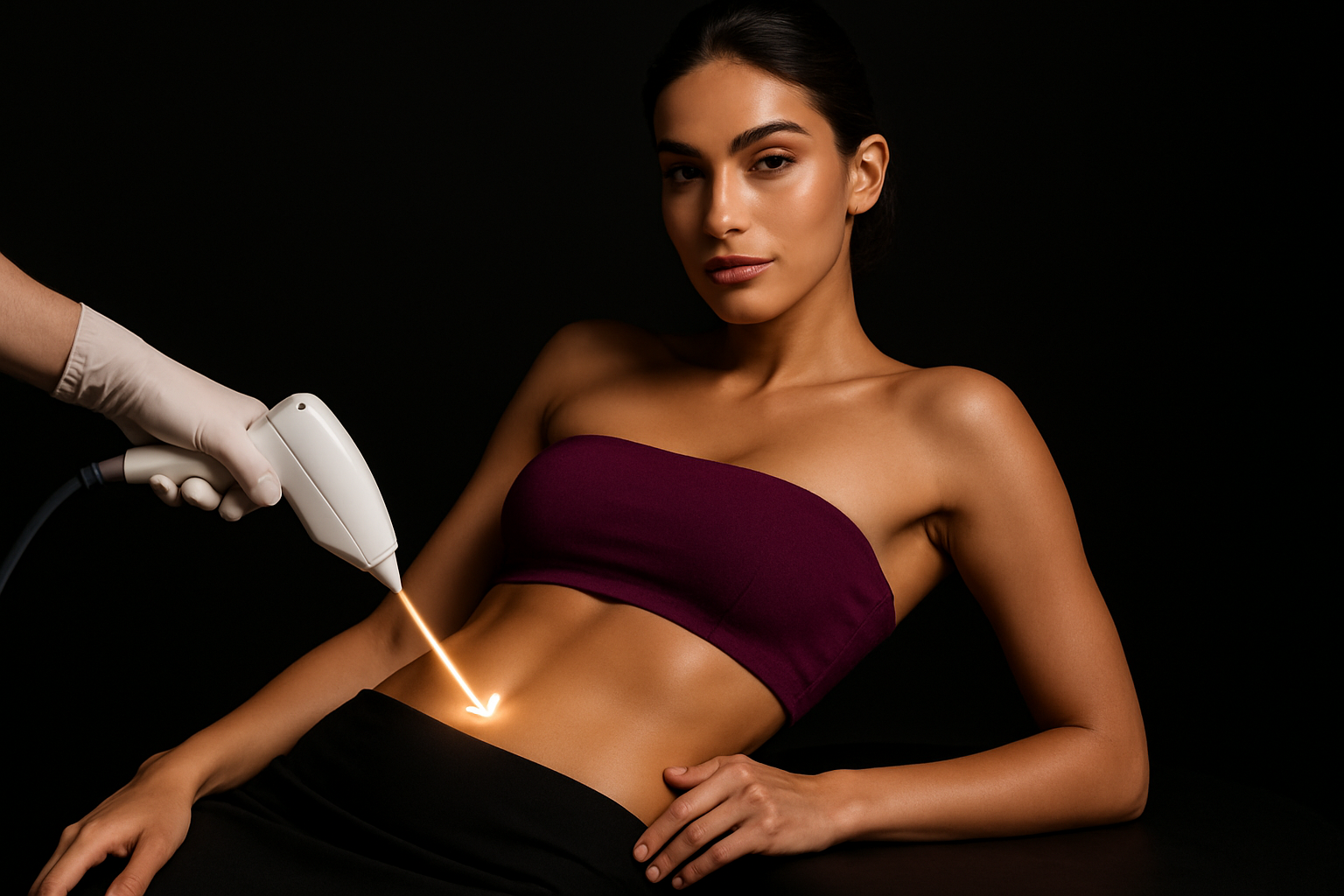
HIFU delivers micro-focused ultrasound energy to the SMAS layer beneath the skin, reaching temperatures optimal for neocollagenesis (60°C–70°C). This results in tissue contraction and non-surgical lifting of the lower face, jowls, and submental region without compromising the skin surface.
6. Exosome Therapy & Platelet-Rich Plasma (PRP)
Regenerative aesthetics leverages autologous cellular biological growth factors. PRP and purified exosome formulations deliver high concentrations of cytokines, extracellular vesicles, and growth factors to accelerate dermal repair, boost micro-vascularization, and improve skin density at a cellular level.
7. Surgical Facial Rejuvenation & Facelift Surgery
When soft tissue ptosis, deep nasolabial folds, and cervical banding exceed the corrective capabilities of non-surgical modalities, surgical intervention remains the gold standard. Utilizing modern deep-plane techniques, surgical facelift options reposition sagging structural layers to achieve long-lasting, natural rejuvenation.
Ideal Candidates & Medical Assessment
Patient selection is paramount to achieving optimal aesthetic outcomes and preventing adverse complications. During consultations at the best beauty clinic in turkey, candidates undergo thorough dermatological and anatomical evaluations.
- Skin Type Evaluation: Assessment using the Fitzpatrick Skin Phototype Scale to calibrate laser fluences and chemical peeling depths, mitigating risk of post-inflammatory hyperpigmentation (PIH).
- Structural Analysis: Evaluation of facial bone structure, subcutaneous fat pads, and muscular tone to differentiate between candidates for non-surgical biological stimulation versus surgical repositioning.
- Medical Clearance: Comprehensive review of systemic health, autoimmune conditions, bleeding disorders, active skin infections, and history of keloid formation.
- Patient Expectations: Ensuring realistic clinical expectations regarding procedure limitations, downtime, and long-term biological longevity of outcomes.
Modern Surgical Techniques & Technologies
Aesthetic medicine in Turkey integrates cutting-edge technology to achieve maximal efficacy while maintaining ultra-low complication rates. Medical facilities leverage state-of-the-art diagnostic and therapeutic apparatuses:
- VECTRA 3D Imaging Systems: Allows pre-treatment anatomical volumetric analysis and predictive simulation for surgical and injectable procedures.
- Fractional RF & Ablative Laser Platforms: Advanced thermal control technologies ensuring precise depth control down to the micrometer level.
- Ultrasound-Guided Facial Injections: Utilizing real-time high-frequency ultrasound to visualize vascular structures (e.g., facial artery branches), eliminating ischemic hazards during deep filler administration.
- Autologous Stem Cell & Exosome Isolators: Closed-loop processing systems ensuring maximum viability of harvested cellular components under sterile conditions.
Step-by-Step Procedure Process
A standardized clinical workflow ensures maximum patient safety and treatment precision throughout the patient journey:
Phase 1: Diagnostic Assessment & Digital Mapping
The patient undergoes high-resolution digital skin analysis, evaluating vascularity, pigmentation depth, pore morphology, and dermal thickness. Biological targets are established collaboratively by the surgical or dermatological team.
Phase 2: Anesthesia & Tissue Preparation
Topical anesthetic compounds (e.g., Lidocaine/Tetracaine formulations) are applied for 30 to 45 minutes prior to energy-based or injectable treatments. For invasive surgical procedures, local nerve blocks or general anesthesia are administered by specialized medical anesthesiologists.
Phase 3: Clinical Execution
The attending specialist performs the targeted treatment according to exact anatomical parameters. Energy fluences, vector injection lines, or surgical incision lines are meticulously executed under strict sterile protocols.
Phase 4: Post-Procedure Cooling & Epidermal Barrier Application
Following energy delivery or micro-needling, sterile bio-cellulose cooling masks, growth factor serums, or epithelial repair ointments are applied to calm tissue inflammation and accelerate re-epithelialization.
Recovery Timeline, Aftercare & Expected Results
Adherence to post-treatment clinical protocols is crucial for optimizing aesthetic results and preventing post-procedure complications.
- Immediate Post-Treatment (Hours 1–24): Mild to moderate erythema, localized edema, and transient sensation of warmth. Cold compresses and soothing post-treatment barriers should be applied consistently.
- Early Recovery (Days 2–5): Epidermal micro-crusting or desquamation may occur following fractional lasers or deep peeling. Strict avoidance of direct solar radiation and application of broad-spectrum zinc-oxide sunscreens are mandatory.
- Intermediate Healing (Weeks 2–4): Epidermal integrity is fully restored. Initial collagen contraction yields visibly firmer skin texture and improved tone.
- Final Outcome (Months 3–6): Progressive dermal remodeling, neo-elastogenesis, and tissue synthesis reach full maturity, resulting in structural lifting, refined texture, and youthful contour balance.
Global Cost & Destination Comparison
Turkey offers international patients access to elite aesthetic medical care at costs significantly lower than Western nations, without sacrificing clinical quality, facility accreditations, or surgeon expertise.
| Destination | Average Cost Range (Advanced Treatments) | JCI Facility Quality | Travel & Convenience | All-Inclusive VIP Services |
|---|---|---|---|---|
| Turkey (Health Beauty Turkey) | $500 – $3,500 | World-Class / Highly Accredited | Excellent (Major Global Hub) | Included (Transfers, Hotel, Interpreter) |
| United Kingdom & USA | $2,500 – $12,000 | Standard / High | Local / Variable | Not Included (Extra Fees) |
| Germany | $2,000 – $9,500 | High Standard | Moderate Travel | Rarely Offered |
| Thailand | $1,200 – $5,000 | Moderate / High | Long-haul Travel | Partially Included |
| India | $800 – $4,000 | Variable | Complex Logistics | Rarely Offered |
5-Day VIP Patient Journey in Istanbul
To ensure a seamless treatment experience, Health Beauty Turkey provides structured, all-inclusive medical travel protocols for international patients:
Day 1: VIP Arrival & Luxury Accommodation
Upon arrival at Istanbul Airport, patients are greeted by a private VIP transport team and chauffeured to a luxury 5-star hotel. Personal patient coordinators assist with hotel check-in and briefing.
Day 2: In-Person Consultation & Procedure Execution
The patient meets with their lead dermatologist or facial plastic surgeon at the clinic. Clinical imaging, medical clearance, and final treatment planning are finalized, followed by the execution of the selected aesthetic procedure.
Day 3: Medical Assessment & Recovery Care
A post-treatment follow-up assessment is conducted at the clinic. Dermal recovery is monitored, and specialized post-procedure serums, LED light therapy, or calming treatments are administered.
Day 4: Guided Rest & Cultural Relaxation
Patients enjoy a light rest day in Istanbul with tailored advice on avoiding sun exposure, thermal environments (saunas, steam rooms), or strenuous physical exertion based on their individual procedure profile.
Day 5: Final Medical Evaluation & Return Flight
The medical team conducts a thorough final review, provides comprehensive home-care dermatological regimens, issues official medical documentation, and arranges private VIP transport to the airport for departure.
Frequently Asked Questions (FAQ)
What makes Turkey a top global choice for advanced aesthetic treatments?
Turkey combines board-certified medical specialists, state-of-the-art medical technology, and strict JCI quality standards with highly competitive pricing. International patients receive comprehensive VIP care packages, making elite dermatological and surgical care accessible and convenient.
How do I know if I need non-surgical rejuvenation or surgical facelift options?
Non-surgical treatments (HIFU, lasers, dermal biostimulators) are ideal for mild-to-moderate skin laxity, fine lines, and superficial texture loss. When significant structural tissue descent, deep jowling, or loose neck skin is present, surgical repositioning offers the most definitive, long-lasting clinical results.
Are energy-based treatments and lasers safe for darker skin tones?
Yes, when administered by experienced clinical dermatologists utilizing appropriate laser wavelengths (such as Nd:YAG or fractional RF platforms) calibrated specifically for higher Fitzpatrick skin phototypes to mitigate the risk of hyperpigmentation.
How long do results from advanced non-surgical aesthetic treatments last?
Longevity depends on the specific procedure and individual metabolic factors. Dermal fillers typically last 9 to 18 months, bio-stimulatory injectables and HIFU last up to 2 years, while surgical facial procedures provide long-lasting benefits for 10 to 15 years.
Summary & Next Steps
Selecting the best beauty clinic in turkey is the critical first step toward achieving safe, predictable, and transformative aesthetic results. Whether seeking advanced cellular skin rejuvenation, precise periorbital enhancement, or surgical facial contouring, Health Beauty Turkey offers world-class medical expertise supported by personalized, VIP patient care.
We invite you to reach out directly to our medical coordination team to schedule your preliminary virtual consultation and receive an individualized clinical treatment plan tailored precisely to your aesthetic goals.
Medical Disclaimer: The information provided in this article is for educational purposes only and does not constitute formal medical advice. Individual results may vary based on anatomical characteristics, underlying health status, and adherence to post-procedure care protocols. A formal consultation with a board-certified medical professional is required prior to undergoing any aesthetic or surgical treatment.
Related Articles: microdermabrasion treatments | crystal peeling therapy | non-surgical eye rejuvenation | surgical facelift options
References & Trusted Sources: National Institutes of Health (NIH) – Clinical Research | World Health Organization (WHO) – Health Guidelines | National Center for Biotechnology Information (NCBI / PubMed)