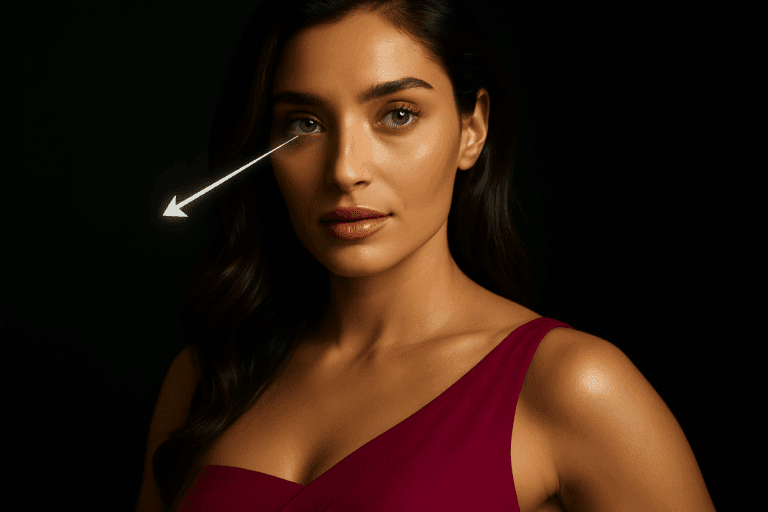

Laser-Assisted In Situ Keratomileusis, widely known as LASIK, has revolutionized refractive eye surgery, offering millions of patients freedom from glasses and contact lenses. Over the past decade, Istanbul has emerged as a premier global hub for laser vision correction. Patients from the United Kingdom, Europe, North America, and the Middle East travel to Turkey to access state-of-the-art ophthalmic care, world-class corneal surgeons, and exceptional patient service.
Table of Contents:
- 1. Superior Technology & Surgical Standards
- 2. Comprehensive Pre-Operative Screening Criteria
- 3. Significant Cost Efficiency Without Clinical Compromise
- 4. Rapid Visual Recovery & High Predictability
- 5. Streamlined All-Inclusive Medical Tourism Experience
- Procedure & Treatment Overview
- Ideal Candidates & Medical Assessment
- Modern Surgical Techniques & Technologies
- Step-by-Step Procedure Process
- Recovery Timeline, Aftercare & Expected Results
- Global Cost & Destination Comparison
- 5-Day VIP Patient Journey in Istanbul
- Frequently Asked Questions (FAQ)
- Summary & Next Steps
Understanding the core clinical, financial, and logistical aspects of refractive surgery abroad is critical when planning treatment. This comprehensive guide outlines the 5 essential facts about LASIK in Turkey, highlighting surgical standards, modern technology, candidate selection, and what international patients can expect throughout their treatment journey.
Quick Medical Facts Summary
- Procedure Duration: 10 to 15 minutes total for both eyes
- Hospital Stay: Outpatient (No hospital stay required)
- Recovery Time: 24 to 48 hours for visual restoration; full corneal healing in 1 to 3 months
- Anesthesia Type: Topical anesthetic eye drops (Painless)
- Success Rate: Over 98% achieve 20/20 vision or better
1. Superior Technology & Surgical Standards
Modern laser vision correction in Turkey relies on cutting-edge femtosecond and excimer laser systems manufactured by global industry leaders such as Carl Zeiss, Alcon, and Schwind. Rather than using mechanical microkeratomes, leading eye care centers in Istanbul employ flapless or all-laser techniques that maximize surgical precision and minimize post-operative discomfort.
Patients seeking advanced vision correction often choose Femto-LASIK in Turkey, where a femtosecond laser creates a ultra-thin, highly customized corneal flap with micrometer precision. Wavefront-guided mapping (Custom LASIK) is also routinely applied, capturing the unique optical imperfections of each eye to achieve high-definition visual outcomes, improved night vision, and reduced risk of glare or halos.
2. Comprehensive Pre-Operative Screening Criteria
Not every patient is an immediate candidate for traditional LASIK. Prior to any laser application, ophthalmic surgeons in Turkey conduct exhaustive diagnostic testing to evaluate corneal topography, thickness, and ocular surface health. Safety remains the highest clinical priority.
- Corneal Thickness: Adequate corneal pachymetry is essential to ensure the structural integrity of the eye post-procedure.
- Refractive Stability: Vision prescriptions must remain stable for at least 12 consecutive months.
- Age Requirement: Candidates must be at least 18 years old, with settled eye growth.
- Ocular Health: Candidates must be free of active corneal dystrophies, severe dry eye syndrome, keratoconus, or uncontrolled glaucoma.
- General Health: Systemic conditions such as uncontrolled diabetes or autoimmune disorders must be clinically evaluated prior to clearance.
For patients with thin corneas or high refractive errors unsuitable for LASIK, alternative procedures such as PRK (Photorefractive Keratectomy), SmartSurfACE, or Implantable Collamer Lenses (ICL) are offered following detailed medical evaluation.
3. Significant Cost Efficiency Without Clinical Compromise
One of the primary drivers for choosing medical treatment in Istanbul is cost efficiency. The total cost of refractive surgery in Turkey is up to 70% lower than in the UK, Western Europe, or the United States. This price difference is not a reflection of lower clinical quality, but rather stems from favorable currency exchange rates, lower operating overheads, and strong governmental backing for medical tourism.
Furthermore, medical packages in Istanbul are uniquely structured as all-inclusive offerings, eliminating hidden fees and providing end-to-end support for international travelers.
4. Rapid Visual Recovery & High Predictability
LASIK is renowned for its rapid recovery profile and high patient satisfaction. The excimer laser precise reshaping of the corneal stroma allows light rays to focus directly on the retina, restoring clear vision within hours of treatment.
- Immediate Post-Op: Minor tearing, light sensitivity, and a gritty sensation for 3 to 5 hours following surgery.
- Day 1 Post-Op: Most patients experience sharp, functional vision (often 20/20 or better) and can resume light daily activities.
- Week 1 to Month 3: Complete stabilization of the corneal flap and gradual reduction of subtle dry eye symptoms with prescribed lubricating drops.
5. Streamlined All-Inclusive Medical Tourism Experience
Navigating medical care in a foreign country is made simple through specialized VIP patient logistics. From arrival at Istanbul Airport to post-operative clearance, international patients receive personalized assistance, dedicated translation support, and luxury transport services throughout their stay.
Procedure & Treatment Overview
LASIK corrects common refractive errors including myopia (nearsightedness), hyperopia (farsightedness), and astigmatism. By altering the curvature of the cornea, laser energy re-establishes correct focal length to produce clear images on the retina.
During a standard procedure, topical anesthetic drops are administered to ensure complete comfort. A femtosecond laser creates a delicate flap on the outer surface of the cornea. The flap is gently folded back, allowing the computer-guided excimer laser to reshape the underlying stromal tissue in seconds. The flap is then positioned back in place, adhering naturally without the need for stitches.
Ideal Candidates & Medical Assessment
Determining candidate suitability involves advanced corneal mapping (such as Pentacam or Orbscan topography) to measure corneal thickness, curvature, and elevation. Candidates ideal for LASIK typically exhibit:
- Myopia up to -10.00 diopters
- Hyperopia up to +4.00 or +5.00 diopters
- Astigmatism up to 5.00 diopters
- Realistic expectations regarding visual outcomes and the natural aging process of the eye (presbyopia)
Modern Surgical Techniques & Technologies
Eye clinics in Turkey utilize various advanced platforms tailored to individual ocular profiles:
- Standard LASIK: Uses a microkeratome blade to create the corneal flap, followed by excimer laser ablation.
- Femto-LASIK: A blade-free, 100% laser procedure using a femtosecond laser for flap creation, providing enhanced precision and safety.
- Wavefront / Custom LASIK: Incorporates 3D corneal mapping technology to correct both lower-order and higher-order visual aberrations.
- ReLEx SMILE / SMILE Pro: A flapless, minimally invasive procedure using a femtosecond laser to extract a tiny tissue lenticule through a microscopic incision.
Step-by-Step Procedure Process
- Topical Anesthesia: Anesthetic eye drops are applied; no general anesthesia or injections are required.
- Eyelid Positioning: A gentle speculum is placed to hold the eyelids open comfortably and prevent blinking.
- Flap Creation: A precise corneal flap is created using femtosecond laser technology within seconds.
- Stromal Reshaping: The patient looks at a target light while the excimer laser reshapes the corneal bed based on pre-programmed topographical data.
- Flap Repositioning: The corneal flap is smoothed back into place, natural surface tension seals the tissue within minutes.
Recovery Timeline, Aftercare & Expected Results
Proper post-operative care is essential for achieving optimal visual outcomes and preventing infection or flap displacement.
- First 24 Hours: Rest your eyes in a dim room. Wear protective eye shields during sleep to prevent accidental rubbing. Use prescribed antibiotic and anti-inflammatory eye drops strictly as directed.
- First Week: Avoid eye makeup, swimming pools, saunas, and strenuous physical exertion. Use preservative-free artificial tears frequently to maintain corneal hydration.
- First Month: Protect eyes from direct sunlight with UV-blocking sunglasses. Avoid contact sports until cleared by your ophthalmologist.
Global Cost & Destination Comparison
The following table illustrates the clinical and financial parameters comparing Turkey with other popular medical destinations worldwide:
| Destination | Average Cost (Both Eyes) | JCI Accreditation & Quality | Travel Convenience | All-Inclusive VIP Services |
|---|---|---|---|---|
| Turkey (Health Beauty Turkey) | $1,200 – $2,200 | High (JCI Accredited Hospitals) | Excellent (Major Global Hub) | Included (Hotel, VIP Transfers, Care) |
| United Kingdom / USA | $4,500 – $8,000 | High (National Standards) | Local / Variable | Not Available (Surgery Only) |
| Germany | $4,000 – $6,500 | High (TÜV / ISO Standards) | Regional | Not Available |
| Thailand | $2,500 – $3,800 | Moderate to High | Long Flight Times | Optional Add-on |
| India | $1,500 – $2,500 | Moderate | Long Flight / Visa Required | Limited Availability |
5-Day VIP Patient Journey in Istanbul
International patients undergoing laser vision correction in Istanbul experience a seamless, organized treatment program designed for comfort and recovery:
- Day 1: VIP Arrival & Hotel Check-in: Private airport transfer to your 5-star hotel. Rest and prepare for initial consultations.
- Day 2: Diagnostic Evaluation & LASIK Surgery: Complete corneal mapping and consultation with senior ophthalmic surgeon. Procedure performed in the afternoon (15 mins). Transfer back to hotel for eye rest.
- Day 3: Primary Post-Op Check: Clinical review of corneal flap adhesion and initial visual acuity testing. Patient receives clearance to explore Istanbul comfortably.
- Day 4: Rest & Optional City Tour: Visual recovery progresses rapidly. Relax, enjoy light leisure activities, and maintain eye hydration routine.
- Day 5: Final Evaluation & Return Flight: Final ophthalmic assessment, issuance of post-care medications and medical reports, followed by VIP transfer to Istanbul Airport for departure.
Frequently Asked Questions (FAQ)
Is LASIK surgery in Turkey safe?
Yes. Laser eye surgery in Turkey is performed in JCI-accredited medical facilities following strict international clinical protocols. Turkish ophthalmic surgeons undergo extensive training and utilize the exact same advanced laser technology platforms found in top European and American eye centers.
How long must I wait to fly after LASIK?
Most patients are cleared to fly 24 to 48 hours after surgery following their initial post-operative checkup. Cabin pressure does not affect the eye flap, but artificial tears should be used frequently during the flight to counteract dry cabin air.
Will I experience pain during or after the procedure?
The procedure is entirely painless due to numbing anesthetic eye drops applied prior to treatment. Patients may experience mild tearing, light sensitivity, or a foreign body sensation for 3 to 5 hours post-surgery, which subsides rapidly.
How long do the visual results of LASIK last?
LASIK permanently reshapes the cornea to correct refractive errors. While results are permanent, the surgery does not prevent age-related vision changes such as presbyopia (needing reading glasses past age 45) or cataracts later in life.
Summary & Next Steps
Choosing to undergo LASIK in Turkey provides patients with world-class surgical expertise, cutting-edge femtosecond laser technology, and unmatched cost efficiency. By understanding candidate criteria, surgical options, and recovery protocols, international patients can confidently take control of their visual independence in one of the world’s leading medical destinations.
If you are ready to achieve clear vision without dependence on glasses or contacts, we invite you to contact our medical team today for a complimentary remote consultation and comprehensive corneal evaluation profile.
Medical Disclaimer
The information provided in this article is for educational and informational purposes only and does not constitute formal medical advice, diagnosis, or treatment plans. Refractive surgery suitability can only be confirmed through a clinical eye examination conducted by a licensed ophthalmologist. Consult a qualified eye care professional regarding any specific ocular medical conditions or treatment options.
Related Articles: Femto-LASIK in Turkey
References & Trusted Sources: National Institutes of Health (NIH) – Clinical Research | World Health Organization (WHO) – Health Guidelines | National Center for Biotechnology Information (NCBI / PubMed)